Outdoor Army Military Camo Print Jackets, Fleeces and Sweaters
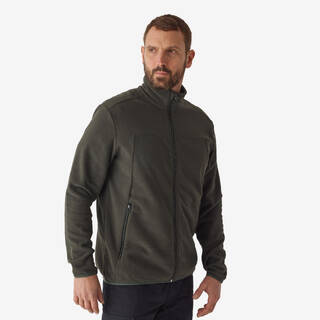

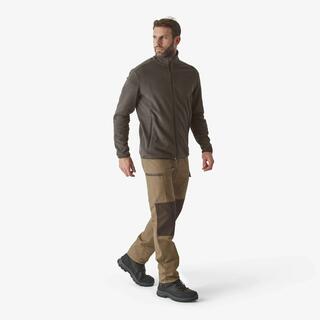
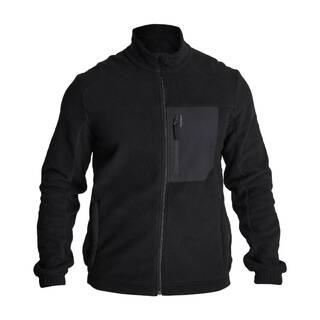
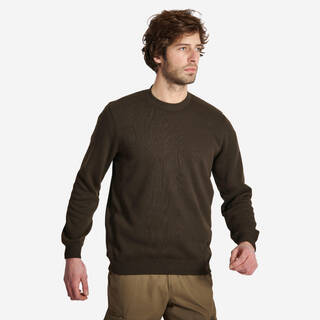

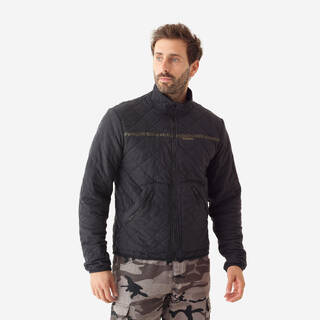

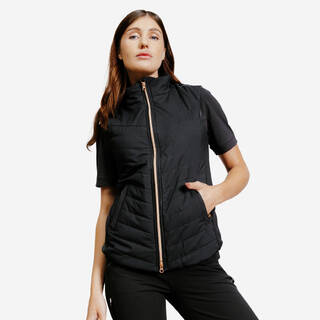
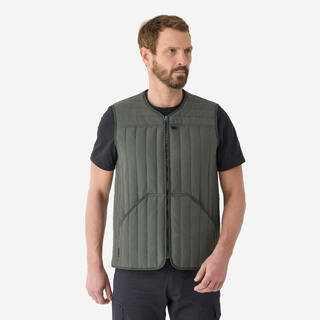
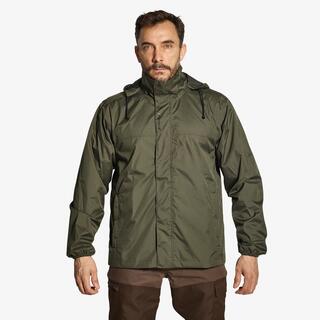
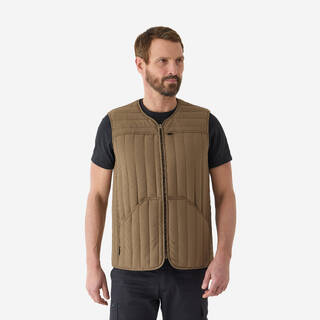

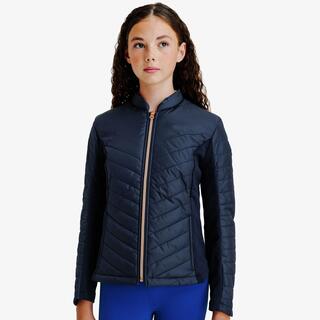

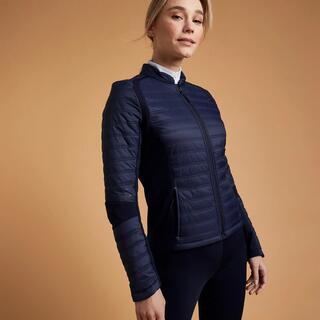
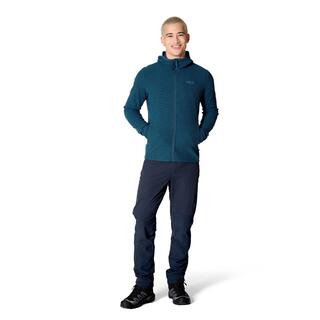
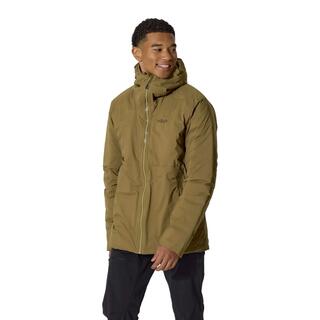
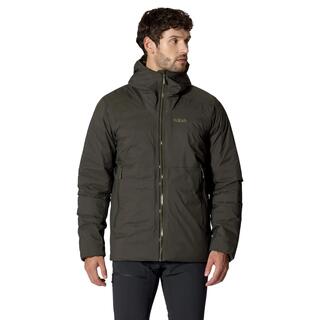
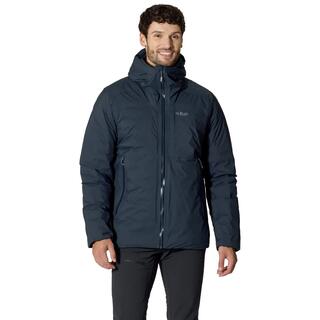
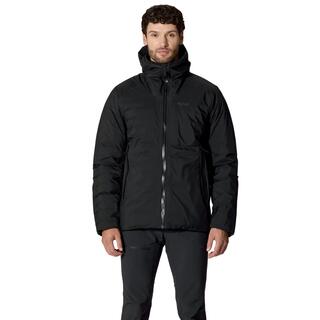
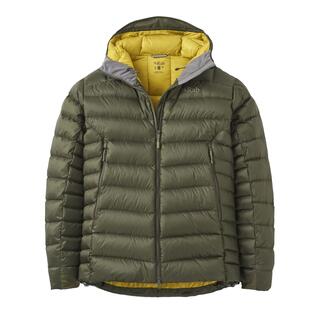
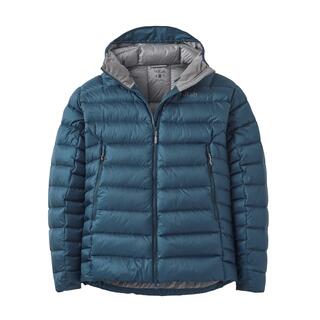
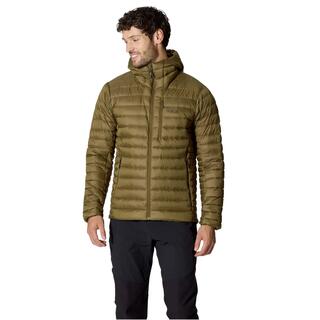
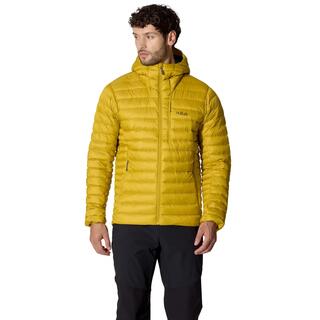
Ripstop Polyester and Brushed Fleece Construction for Humid Monsoon and High-Altitude Cold
Military-grade camo jackets and fleeces engineered for Indian outdoor conditions demand specific fabric architectures. Ripstop polyester weaves, typically ranging from 150D to 210D denier, incorporate reinforced grid patterns that arrest tear propagation across high-abrasion contact zones (shoulder straps, elbow bends, hip belt friction areas). This construction resists snagging on Himalayan scrub oak, Western Ghats thorn brush, and rocky scramble routes where fabric integrity determines gear longevity. Water-repellent DWR (Durable Water Repellent) coatings on outer shells shed monsoon drizzle and morning dew, maintaining breathability through microporous membrane structures that allow internal moisture vapor to escape while blocking external precipitation.
Fleece midlayers in camo patterns utilize brushed polyester pile constructions, measured by fabric weight per square meter (typically 200-280 GSM for midweight insulation). The brushed inner surface traps warm air pockets against the torso, creating thermal insulation without bulk. Quechua's camo fleece range integrates elastane blends (5-8% stretch content) at underarm gussets and lower back panels, enabling unrestricted range of motion during boulder approaches, tree stand setups, or extended trekking sessions. Flatlock stitching along seams prevents chafing during multi-day expeditions where pack weight and body heat create friction zones.
Thermal Regulation Across Altitude Gradients and Diurnal Temperature Swings
Indian outdoor environments present extreme thermal variability. A single trek from Manali (2,050m) to Beas Kund (3,700m) can expose users to 15°C temperature drops within six hours. Camo jackets with synthetic insulation (80-120 GSM Thermolite or hollow-core polyester fill) provide warmth-to-weight ratios superior to cotton alternatives, maintaining loft even when damp from perspiration or light rain. Unlike down insulation that clumps when wet, synthetic fill retains approximately 70% of its insulating capacity in humid conditions, critical during monsoon treks in Uttarakhand or Sikkim where relative humidity exceeds 85%.
Layering systems built around camo base fleeces, insulated midlayers, and waterproof shells allow precise thermal management. A 200 GSM fleece worn under a ripstop shell creates adaptable insulation: unzip the shell during uphill climbs to vent excess heat, then seal both layers during windswept ridge traverses. Articulated hood designs with single-pull drawcord adjustments secure thermal coverage without obstructing peripheral vision during wildlife observation or navigation tasks. Pit zips with two-way YKK zippers enable rapid ventilation without removing pack loads, essential when transitioning from shaded forest canopy to exposed alpine meadows.
Camo Pattern Engineering for Indian Terrain Profiles and Visual Concealment
Camouflage patterns on outdoor jackets serve dual purposes: visual concealment for wildlife photography and hunting applications, plus aesthetic preference for tactical styling. Effective camo disrupts the human silhouette through macro and micro pattern elements. Woodland patterns (dark greens, browns, blacks) suit dense Himalayan rhododendron forests and Western Ghats evergreen zones. Desert tan and khaki patterns blend into Ladakh's arid plateaus, Rajasthan scrublands, and Spiti Valley's barren terrain. Digital pixelated camo (small square disruption patterns) breaks up outline recognition at varied distances, functional across mixed terrain during multi-day expeditions.
Forclaz and Quechua camo jackets incorporate pattern scales matched to engagement distances. Large-scale patterns (15-25cm element size) work at 50+ meter observation distances, while fine-grain patterns (5-10cm elements) excel in close-proximity scenarios like ground-level wildlife hides or dense bamboo thickets. Reflective elements are deliberately omitted from true tactical designs to prevent light signature detection, though some hybrid models include subdued reflective piping for low-light trail safety. Fabric color fastness ratings (ISO 105 standards) ensure patterns resist UV degradation during high-altitude sun exposure where UV index exceeds 11 across Ladakh and Himachal Pradesh summer months.
Functional Pocket Architecture and Load Distribution for Extended Field Use
Military-inspired jacket designs prioritize cargo capacity and accessibility. Chest-mounted Napoleon pockets with vertical YKK Vislon zippers allow map and GPS access without removing backpacks. These pockets sit above hip belt lines, preventing compression when wearing 40-60L trekking packs. Internal mesh dump pockets secure valuables (phone, wallet, permits) against body heat, reducing condensation damage to electronics. Forearm utility pockets with hook-and-loop closures store high-frequency items (energy gels, compass, headlamp) within arm's reach during active movement.
Reinforced elbow patches, constructed from 400D Cordura nylon, withstand abrasion during prone photography positions, boulder scrambles, or ground-level wildlife observation. Adjustable cuff closures with hook-and-loop straps seal against cold air infiltration and prevent sleeve ride-up when reaching overhead for rock holds or tree branches. Hem drawcords with cord-lock adjusters cinch jacket bottoms over hip belts, preventing wind-driven cold air from entering the thermal envelope. Jacket weights typically range from 350g for lightweight ripstop shells to 650g for insulated fleece hybrids, balancing warmth against pack weight constraints during multi-day treks.
Care Protocols for DWR Restoration and Fabric Longevity in Dusty and Humid Conditions
Indian outdoor environments accelerate fabric degradation through dust accumulation, high humidity, and intense UV exposure. Proper maintenance extends camo jacket lifespan beyond 200 wear cycles. Machine wash in cold water (below 30°C) using technical fabric detergents that lack fabric softeners, which clog DWR coatings and reduce water repellency. Tumble dry on low heat (60°C maximum) to reactivate heat-sensitive DWR treatments, restoring bead-up on outer shells. For jackets exposed to Rajasthan dust or Ladakh fine silt, pre-rinse before washing to prevent abrasive particles from embedding in fabric weave during agitation cycles.
Store camo fleeces and jackets in breathable garment bags rather than compressed stuff sacks during off-season months. Compression storage crushes insulation loft and creates permanent creases in synthetic fill. Inspect zippers quarterly for debris accumulation in coil teeth, cleaning with soft brush and applying silicone-based zipper lubricant to maintain smooth operation. Reapply spray-on DWR treatments (Nikwax, Granger's) after every 15-20 wash cycles or when fabric surfaces absorb water rather than shedding droplets. Patch small tears immediately using ripstop repair tape to prevent propagation across grid weave structures.
Sizing and Fit Profiles for Layering Systems and Body Armor Compatibility
Camo jacket sizing must accommodate layering systems and varied body types across Indian demographics. Quechua and Forclaz size charts account for chest circumference, sleeve length, and torso length, with Asian fit profiles offering shorter torso cuts and narrower shoulder widths compared to European sizing. A size L camo jacket should fit comfortably over a 200 GSM fleece midlayer plus a 140 GSM base layer, with 5-8cm ease at chest and shoulders for unrestricted arm movement. Raglan or articulated sleeve construction eliminates shoulder seam pressure points when wearing backpack straps or lifting arms overhead.
Adjustable features compensate for fit variability. Elastic hem drawcords tighten waist circumference by up to 15cm, securing jacket position during dynamic movement. Hook-and-loop cuff tabs adjust wrist openings to seal over gloves or bare skin. Collar heights ranging from 8-12cm protect neck exposure during cold wind, with chin guards preventing zipper abrasion. For users requiring tactical vest or body armor compatibility, select jackets with 10-15cm additional chest room and side panel gussets that expand torso circumference without restricting mobility. Try on jackets while wearing intended layering systems and simulate overhead reaches, torso twists, and deep squats to verify full range of motion before committing to size selection.
FAQ (Frequently Asked Questions)
Q1. What makes Decathlon's army-military camo print apparel different from other brands?
At Decathlon, we prioritize functionality, durability, and affordability without compromising on style. Our army-military camo print collection is designed with the needs of outdoor enthusiasts in mind, featuring practical features, high-quality materials, and a range of versatile options to suit various activities and environments.
Q2. How do I choose the right camouflage pattern for my needs?
The camouflage pattern you choose should be based on the environment you'll be exploring. For woodland or forested areas, traditional green and brown tones work well. For desert or arid regions, tan and khaki hues provide better concealment. If you'll be engaging in a variety of activities, consider a more versatile digital or multi-terrain pattern.
Q3. Are Decathlon's army-military camo print garments suitable for hunting?
Absolutely! Our camo print collection is designed with hunting and wildlife observation in mind. Many of our jackets and fleeces feature quiet, noise-reducing fabrics and concealing patterns that help you blend into your surroundings, making them ideal for hunting trips.
Q4. How should I care for my army-military camo print apparel?
Proper care is essential to ensure the longevity of your outdoor gear. Always follow the care instructions provided, but in general, it's best to wash your camo print garments in cold water and avoid using fabric softeners or bleach. Air drying is recommended to prevent shrinkage or damage to the fabric.
Q5. Can I wear Decathlon's camo print apparel for casual use?
Absolutely! While our army-military camo print collection is designed with outdoor adventures in mind, many of our pieces can easily transition into casual wear. The rugged yet stylish aesthetic of camouflage prints makes them a versatile choice for everyday wear, whether you're running errands or meeting friends.
Q6. Do you offer size exchanges or returns on camo print apparel?
Yes, at Decathlon, we understand the importance of finding the perfect fit. If you need to exchange your camo print jacket, fleece, or sweater for a different size, or if you're not completely satisfied with your purchase, we offer hassle-free returns and exchanges within a reasonable timeframe.
Q7. Are Decathlon's camo print garments suitable for layering?
Absolutely! Our army-military camo print collection is designed with layering in mind. Our fleeces and sweaters make excellent base or mid-layers, while our jackets can be worn as an outer layer for added protection against the elements. Mix and match pieces to create the perfect layering system for your outdoor adventures.
Q8. Do you offer any waterproof or water-resistant options in your camo print collection?
Yes, we have several water-resistant and waterproof options in our army-military camo print collection. Our jackets feature water-repellent coatings and sealed seams to keep you dry in wet conditions, while some of our fleeces and sweaters are treated with moisture-wicking finishes to ensure breathability and comfort.
Q9. Can I find camo print apparel for different seasons at Decathlon?
Absolutely! Our army-military camo print collection is designed to cater to outdoor enthusiasts year-round. You'll find lightweight, breathable options for warm weather, as well as insulated and water-resistant pieces for cooler, wetter conditions. We've got you covered no matter the season.
Q10. Do you offer any eco-friendly or sustainable options in your camo print collection?
Yes, at Decathlon, we're committed to minimizing our environmental impact. Many of our army-military camo print garments are crafted from recycled materials or feature eco-friendly dyes and finishes. Look for our sustainable product labels to make an informed and environmentally conscious choice.
Q11. Which camo pattern works best for trekking in Himachal Pradesh and Uttarakhand forests?
Woodland camo patterns with dark green, brown, and black elements blend effectively into Himalayan rhododendron forests, oak woodlands, and dense undergrowth common across Himachal and Uttarakhand trekking routes. These patterns disrupt human silhouette recognition in shaded forest environments and mixed vegetation zones between 2,000m to 4,000m elevation bands.
Q12. How do I choose between a fleece and a ripstop shell jacket for monsoon trekking?
Ripstop shells with DWR coatings provide primary rain protection and wind resistance, essential during active monsoon months (June through September). Pair the shell with a separate fleece midlayer for thermal insulation, allowing you to adjust warmth by adding or removing the fleece based on exertion level and temperature. A fleece alone absorbs moisture and loses insulating capacity when wet.
Q13. What GSM fleece weight is suitable for temperatures between 5°C to 15°C at high altitude?
A 200-240 GSM midweight fleece provides adequate insulation for 5°C to 15°C temperature ranges when worn over a base layer and under a windproof shell. This weight balances warmth against breathability during moderate exertion like steady uphill trekking. For static activities or colder conditions below 5°C, layer with an insulated jacket or increase to 280 GSM heavyweight fleece.
Q14. Can camo jackets withstand abrasion from backpack straps during multi-day treks?
Jackets constructed from 150D or higher denier ripstop polyester with reinforced shoulder yokes resist abrasion from backpack straps during extended use. Look for models with 400D Cordura patches at high-wear zones (shoulders, elbows, lower back). Regularly inspect contact areas after treks exceeding five days with 15kg+ pack loads, and apply ripstop repair tape at first sign of fabric thinning.
Q15. How do I restore water repellency on a camo jacket after 20 washes?
Wash the jacket with technical fabric detergent, then tumble dry on low heat to reactivate existing DWR coating. If water no longer beads on the surface, apply spray-on or wash-in DWR treatment (Nikwax TX.Direct or Granger's Performance Repel) following product instructions. Heat-activate the new treatment by tumble drying or ironing on low heat with a cloth barrier between iron and fabric.
Q16. Are Quechua camo jackets suitable for wildlife photography in cold conditions?
Quechua camo jackets with synthetic insulation (100-120 GSM fill) and quiet ripstop fabrics work well for stationary wildlife photography in temperatures down to 0°C when layered properly. The camo pattern aids visual concealment, while synthetic fill maintains warmth even if morning dew dampens the fabric. Choose models with chest pockets for lens cap storage and adjustable cuffs to seal over gloves during long observation periods.
Q17. What is the difference between digital and woodland camo patterns for outdoor use?
Digital camo uses small pixelated squares to disrupt outline recognition across varied distances and terrain types, effective in mixed environments. Woodland camo employs organic shapes in greens and browns, optimized for dense forest and vegetation. Digital patterns offer versatility across multiple terrain types, while woodland patterns excel specifically in forested regions common to Indian Himalayan and Western Ghats trekking zones.
Q18. How should a camo jacket fit over a fleece midlayer for proper layering?
The outer camo shell should allow 5-8cm of ease at chest and shoulders when worn over your thickest midlayer. Raise arms overhead and twist torso to verify the shell does not restrict movement or ride up excessively. Sleeve length should extend to wrist bone with midlayer underneath, and hem should cover hip belt line when wearing a backpack. Adjustable cuffs and hem drawcords fine-tune fit after initial sizing.
Q19. Can I use a military-style camo fleece for gym workouts and indoor training?
Camo fleeces work for indoor training, though their thermal insulation (200-280 GSM) may cause overheating in heated gym environments. They excel for outdoor winter workouts, early morning runs in cold weather, or warm-up layers before outdoor sports. For indoor gym use, consider lighter 140-160 GSM technical tops with better moisture wicking and faster dry times suited to higher indoor temperatures and sustained exertion.
Q20. What maintenance prevents zipper failure on camo jackets used in dusty Ladakh conditions?
After exposure to dust and fine silt, brush zipper coils with a soft toothbrush to remove embedded particles before washing. Wash the jacket to flush remaining debris, then apply silicone-based zipper lubricant to coil teeth once dry. Avoid forcing stuck zippers, which bends teeth and causes permanent tracking issues. Store jackets with zippers fully closed to maintain coil alignment and prevent stress on slider mechanisms during storage.