Swimming Goggles & Masks


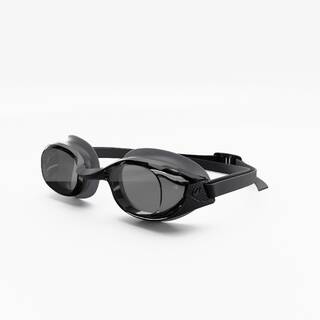


Swimming Goggles & Masks: Your Essential Companion for Every Swim
Whether you're swimming laps at your local pool, snorkelling in the clear waters of Andaman, or teaching your child to swim, the right pair of swimming goggles or mask makes all the difference. Good eyewear protects your eyes from chlorine, saltwater, and irritants while giving you crystal-clear underwater vision. At Decathlon, we understand that every swimmer has unique needs—from beginners taking their first strokes to competitive athletes chasing personal bests.
Our swimming goggles and masks collection is designed to offer comfort, durability, and performance without breaking the bank. With options for adults, kids, prescription lens wearers, and open-water swimmers, you'll find eyewear that fits your face shape, swimming style, and budget. Let's dive into everything you need to know about choosing the perfect pair.
Why Wearing Swimming Goggles or Masks Matters
Many new swimmers underestimate the importance of proper eye protection. Chlorinated pool water can cause redness, irritation, and stinging that lasts hours after your swim. Saltwater, sand, and microorganisms in natural water bodies pose their own challenges. Swimming goggles create a watertight seal around your eyes, keeping water out while allowing you to see clearly underwater.
Beyond comfort, goggles improve your swimming technique. When you can see the pool wall, lane lines, or your hand entry clearly, you can maintain better form and swim more efficiently. For children learning to swim, goggles reduce fear and help them feel more confident putting their face in the water. Masks, especially full-face snorkelling masks, offer even wider peripheral vision and are perfect for surface swimming and exploring underwater life during holidays.
Types of Swimming Goggles and Masks Available
Not all swimming eyewear is created equal. Training goggles are designed for regular pool sessions, with comfortable seals and anti-fog coatings that last through countless laps. They typically have adjustable straps and come in various lens colours. Racing goggles are more streamlined with a lower profile to reduce drag, favoured by competitive swimmers who need every advantage.
Recreational swimming goggles offer a balance of comfort and functionality, perfect for family pool visits and casual swimming. They often have softer, wider seals that feel gentle on the face. For open-water swimming and triathlons, you'll want goggles with larger lenses for better peripheral vision, polarised or tinted lenses to reduce glare from the sun, and extra-secure straps that won't slip during waves or diving starts.
Swimming masks differ from goggles by covering your nose as well, creating a larger air pocket. They're excellent for snorkelling, surface swimming, and anyone who finds traditional goggles uncomfortable on the nose bridge. Kids especially love masks because they feel less restrictive and offer a wider field of view, making underwater exploration more exciting.
Choosing the Right Fit: Comfort Comes First
The best swimming goggles are the ones you'll actually want to wear. Fit is personal—what works for your friend might leak or feel tight on you. When trying goggles, press them gently against your face without using the strap. They should create suction and stay in place for a few seconds. If they fall off immediately, the seal won't work in water.
Check the nose bridge. Many goggles come with interchangeable nose pieces in different sizes, allowing you to customise the fit. The gasket (the soft part that touches your skin) should feel comfortable without pinching. Silicone gaskets are softer and more durable than rubber ones, and they don't deteriorate as quickly from chlorine exposure.
For children, proper fit is even more critical. Kids' faces are smaller and shaped differently from adults', so adult goggles simply won't seal properly. Look for goggles specifically designed for children, with smaller eye cups, shorter nose bridges, and easy-adjust straps that little hands can manage. Bright colours and fun designs help make wearing goggles exciting rather than a chore.
Lens Features That Enhance Your Swimming Experience
Anti-fog coating is perhaps the most important lens feature. Nothing is more frustrating than goggles that fog up mid-swim, forcing you to stop and clear them. Quality anti-fog treatment keeps your vision clear, though all coatings wear down over time with use and improper care. Some swimmers prefer clear lenses for indoor pools, while tinted or mirrored lenses reduce glare in outdoor settings and bright sunlight.
UV protection is essential if you swim outdoors regularly. Just as your skin needs sunscreen, your eyes need protection from harmful UV rays reflecting off the water. Polarised lenses go a step further by reducing glare, making them ideal for open-water swimming, triathlons, and beach swimming where sun reflection can be intense.
For swimmers with vision correction needs, prescription goggles are a game-changer. You can swim without contact lenses and still see clearly. They're available in various dioptre strengths for both near-sightedness and far-sightedness. If your prescription differs between eyes, some models allow you to mix and match lens strengths.
Materials and Durability: Built for Indian Conditions
Swimming goggles face tough conditions in India—intense chlorine in public pools, hot storage conditions, and frequent use. Quality materials make a real difference in how long your goggles last. Silicone gaskets and straps resist degradation from chlorine and UV exposure much better than cheaper rubber alternatives. They remain flexible and comfortable even after months of regular use.
Polycarbonate lenses are impact-resistant and won't shatter if accidentally dropped or stepped on—important when you're juggling gear at a crowded pool. The lens coating quality varies, so investing in goggles with durable anti-fog and anti-scratch treatments means you won't be replacing them every few months.
At Decathlon, our swimming goggles are tested for durability and performance. We design products that can handle the rigours of Indian swimming conditions while remaining affordable. Whether you're swimming three times a week or just during summer holidays, you'll find options that deliver lasting value.
Swimming Goggles for Different Age Groups and Skill Levels
Beginners often benefit from goggles with wider, softer seals that feel less intimidating and more comfortable during those first swimming lessons. Larger lenses provide better peripheral vision, helping new swimmers feel more aware of their surroundings and less claustrophobic.
Intermediate swimmers who are building endurance and refining technique need goggles that won't leak or fog during longer sessions. Adjustable features become more important as you spend more time in the water and develop preferences for how snug or loose you like the fit.
Advanced and competitive swimmers prioritise hydrodynamics and precision fit. Low-profile racing goggles reduce drag, while the snug fit stays secure during flip turns and fast starts. These swimmers often have multiple pairs—one for training with maximum comfort and another for race day with minimum drag.
For senior swimmers and those with sensitive skin, extra-soft gaskets and easy-adjust straps make the experience more pleasant. Some designs feature wider straps that distribute pressure more evenly, reducing marks around the eyes and preventing headaches during longer swimming sessions.
Caring for Your Swimming Goggles: Simple Tips for Longer Life
Proper care extends the life of your goggles significantly. After each swim, rinse them thoroughly with clean, cool water to remove chlorine, salt, and other chemicals. Never use hot water, as it can damage the anti-fog coating and deform the gaskets. Shake off excess water and let them air dry completely before storing.
Never touch the inside of the lenses with your fingers. The oils from your skin break down anti-fog coating faster than anything else. If your goggles fog up during swimming, simply dip them in the water and shake rather than wiping. When fogging becomes persistent despite proper care, it's time for a new pair.
Store your goggles in a protective case rather than loose in your swim bag where they can get scratched or crushed. Keep them away from direct sunlight and heat when not in use. Avoid leaving them on the pool deck or in a hot car, as extreme temperatures degrade materials quickly.
Don't over-tighten the straps. A watertight seal comes from proper fit, not from cranking the straps as tight as possible. Over-tightening actually distorts the gasket shape, making leaks more likely while leaving uncomfortable marks around your eyes.
Special Features Worth Considering
Quick-adjust straps with side clips make it easy to get the perfect fit without removing the goggles completely. This is especially helpful when you're poolside and need to make small adjustments. Split straps distribute pressure more evenly across the back of your head, providing a more stable and comfortable fit during vigorous swimming.
Interchangeable nose bridges let you fine-tune the fit as your face shape or preferences change. This feature also makes goggles more shareable among family members. Some advanced models include multiple gasket sizes in the package, allowing you to experiment and find your perfect fit.
For those who wear goggles for extended periods, consider models with wider gaskets that spread pressure over a larger area. This reduces the 'goggle marks' that can last for hours after swimming and prevents discomfort during long training sessions. Hypoallergenic materials are available for swimmers with sensitive skin or latex allergies.
Why Choose Decathlon for Your Swimming Goggles and Masks
At Decathlon, we're passionate about making sports accessible to everyone. Our swimming goggles and masks are designed by swimmers, for swimmers, combining real-world testing with thoughtful engineering. We offer honest value—quality products at prices that won't make you think twice about replacing worn-out gear or buying a second pair for backup.
Our range covers every need and budget. Whether you're buying your first pair of goggles for swimming lessons or upgrading to performance eyewear for competition, you'll find options that work. We stock sizes and styles for the whole family, so everyone can swim comfortably and safely.
Shopping with Decathlon means you're backed by expertise and support. Our staff includes swimmers who understand the products firsthand and can help you choose the right fit. We stand behind our products with fair policies, and our nationwide presence means you can try before you buy at stores across India or shop conveniently online with reliable delivery.
FAQ (Frequently Asked Questions)
Q1. How do I know which size swimming goggles to buy?
The best way is to try them on. Press the goggles gently against your face without the strap—they should create suction and stay in place briefly. For children, always choose goggles specifically designed for kids, as adult sizes won't seal properly on smaller faces. Many goggles come with adjustable nose bridges and straps to help you customise the fit.
Q2. Why do my goggles fog up and how can I prevent it?
Fogging happens when warm air from your face meets the cooler lens surface. All goggles come with anti-fog coating, but it wears down over time. To extend its life, never touch the inside of the lenses, rinse with cool water after each use, and avoid wiping them. If fogging persists despite care, it's time for new goggles. Some swimmers use anti-fog sprays as a temporary solution.
Q3. What's the difference between swimming goggles and swimming masks?
Goggles cover only your eyes with separate eye cups, while masks cover both your eyes and nose in one piece. Masks are popular for snorkelling and recreational swimming because they offer wider vision and feel less restrictive. Goggles are preferred for lap swimming and competition because they're more streamlined and allow you to breathe through your nose if needed.
Q4. Can I use the same goggles for pool and open-water swimming?
You can, but dedicated open-water goggles offer advantages. They typically have larger lenses for better peripheral vision, tinted or polarised lenses to reduce sun glare, and more secure straps. Pool goggles often have clear lenses optimised for indoor lighting. If you do both regularly, having two pairs optimised for each environment enhances your experience.
Q5. How often should I replace my swimming goggles?
This depends on usage and care. With proper maintenance, good-quality goggles last 6-12 months of regular use. Replace them when the anti-fog coating stops working, the gaskets become hard or cracked, the straps lose elasticity, or they start leaking despite proper fit. Competitive swimmers often replace goggles more frequently to ensure peak performance.
Q6. Are prescription swimming goggles worth it?
Absolutely, if you need vision correction. Prescription goggles let you see clearly without wearing contact lenses in the water, which is more hygienic and comfortable. They're available in various strengths and are especially valuable for swimmers who train regularly or need to see clearly for safety in open water. The investment pays off in comfort and convenience.
Q7. My child complains that goggles hurt. What should I do?
First, ensure you're using goggles designed for children—adult goggles won't fit properly. Check that the straps aren't too tight; a proper seal comes from fit, not pressure. Let your child adjust the straps themselves so they can find a comfortable tension. Consider trying different styles, as some children prefer masks over traditional goggles. Wider, softer gaskets are generally more comfortable for sensitive faces.
Q8. Can I swim in the sea with regular swimming goggles?
Yes, regular goggles work in the sea, but rinse them thoroughly with fresh water afterward as saltwater is more corrosive than pool water. For frequent ocean swimming, consider goggles with UV protection and possibly tinted lenses to reduce glare. Ensure the straps are secure, as waves can dislodge poorly-fitted goggles.
Q9. What colour lens should I choose for my swimming goggles?
Clear lenses work well for indoor pools and low-light conditions. Tinted lenses (blue, grey, or smoke) reduce brightness for outdoor swimming. Mirrored lenses offer maximum glare reduction and are popular for open-water swimming and bright conditions. Amber or yellow lenses can enhance contrast in overcast conditions. Choose based on where you'll swim most often.
Q10. How tight should swimming goggles be?
Goggles should feel snug but not painful. You shouldn't feel pressure points or pinching. The seal should be watertight without over-tightening the straps. If you have red marks that last more than 30 minutes after swimming or get headaches, your goggles are too tight. Adjust the straps gradually until you find the sweet spot between comfort and a good seal.