Tennis Accessories








Technical Grips, Overgrips, and Surface Traction Engineering for Indian Court Conditions
Replacement grips and overgrips serve distinct biomechanical functions. Base replacement grips (1.6 to 1.8 mm thickness) rebuild worn bevels and restore original handle geometry. Overgrips (0.5 to 0.7 mm thickness) layer atop base grips to manage sweat saturation during high-humidity monsoon sessions and provide fresh tackiness without altering handle circumference beyond 2 to 3 mm. Polyurethane (PU) overgrips with perforated micro-hole patterns accelerate moisture wicking across palm contact zones, critical when court temperatures exceed 38°C and relative humidity surpasses 70 percent. Tacky-surface overgrips use elastomer compounds that maintain coefficient of friction above 0.6 even when saturated, preventing racket rotation during off-center ball strikes.
Grip selection directly impacts handle stability and vibration transmission. Thicker base grips (1.8 mm) dampen string-bed shock by 12 to 15 percent compared to thin factory wraps, reducing ulnar nerve compression during extended baseline rallies. Dry-feel overgrips incorporate absorbent cotton-polyester blends (65/35 ratio) that pull moisture away from skin contact, maintaining grip security during three-set matches in coastal humidity. Perforated overgrips create air channels between hand and grip surface, lowering skin temperature by 2 to 3 degrees Celsius during summer afternoon play. For players with smaller hand spans (grip sizes 2 or 3), single overgrip application increases handle circumference by approximately 3 mm, while double-wrapping adds 5 to 6 mm, allowing precise customization without purchasing new rackets.
Pressurized Tennis Balls and Felt Durability Across Hard Court and Clay Surfaces
ITF-approved pressurized tennis balls maintain internal pressure between 12 and 14 psi, generating consistent bounce height (135 to 147 cm when dropped from 254 cm onto concrete). Felt construction determines surface longevity. Woven wool-nylon blends (60/40 ratio) resist abrasion on hard acrylic courts common across Indian clubs, maintaining playable fuzz for 6 to 8 hours of continuous hitting. Extra-duty felt (heavier weave density) extends lifespan on coarse synthetic hard courts by 30 to 40 percent compared to regular-duty felt designed for clay or grass. Pressurized cores lose approximately 0.5 psi per week after can opening, reducing bounce responsiveness. Sealed pressurized cans preserve ball integrity for 18 to 24 months, while depressurized practice balls (non-pressurized cores) offer unlimited shelf life but generate 10 to 15 percent lower rebound energy.
Ball selection must match court surface friction coefficients. Hard court balls use tighter felt weaves to withstand concrete abrasion, while clay-court balls feature looser nap to collect surface particles and maintain spin consistency. For high-altitude training above 1,500 meters (Shimla, Ooty hill stations), standard pressurized balls generate excessive bounce due to reduced atmospheric pressure. High-altitude specific balls reduce internal pressure to 10 to 11 psi, normalizing bounce characteristics. Bulk practice packs (60 to 72 balls) suit coaching academies running multi-hour drills, where ball rotation every 90 minutes maintains consistent bounce feedback. Premium match balls incorporate controlled fiber technology (CFT) that reduces fluffing by 20 percent, preserving aerodynamic stability during serves exceeding 160 km/h.
String Dampeners, Vibration Absorption Physics, and Elbow Load Reduction
String dampeners (button-style or worm-style) attach to central main strings below the lowest cross string, altering string-bed vibration frequency. Dampeners shift dominant vibration modes from 500 to 600 Hz (sharp, metallic ping) down to 200 to 300 Hz (muted thud), reducing auditory feedback and perceived harshness. Silicone and rubber dampeners absorb 8 to 12 percent of string-bed oscillation energy, lowering amplitude of vibrations transmitted through the frame throat into the forearm. For players experiencing lateral epicondylitis (tennis elbow), dampeners combined with multifilament strings (lower stiffness than polyester) reduce peak impact forces by 15 to 18 percent during off-center hits.
Dampener placement affects performance subtly. Button dampeners (single circular design) weigh 2 to 3 grams and create minimal mass imbalance. Worm dampeners (interwoven through multiple strings) weigh 4 to 6 grams and provide broader vibration attenuation across the string bed. Neither design measurably alters ball contact dwell time (4 to 5 milliseconds) or spin generation. Dampeners do not compensate for improper string tension. Polyester strings tensioned above 55 lbs generate stiff string beds that transmit 25 to 30 percent more shock than multifilament strings at 50 lbs, regardless of dampener use. Players switching from natural gut to polyester should reduce tension by 5 to 8 lbs and add dampeners to maintain comparable arm comfort during two-hour practice blocks.
Tennis Bags, Racket Compartments, and Thermal Insulation for String Tension Stability
Racket bags serve structural and thermal protection functions. Three-racket bags (75 x 30 x 15 cm) suit recreational players carrying one primary racket plus backup, with accessory pockets for grips, balls, and wristbands. Six-racket bags (80 x 35 x 20 cm) include dedicated thermal-lined compartments that shield strings from direct sunlight. Polyester strings lose 3 to 5 lbs of tension when exposed to temperatures above 45°C (common inside car trunks during Indian summers). Thermal-lined compartments use reflective foil insulation and closed-cell foam padding to maintain internal temperatures 8 to 10 degrees Celsius below ambient, preserving string tension stability between morning and afternoon sessions.
Bag construction determines durability under tournament travel stress. 600-denier polyester exteriors with reinforced corner stitching withstand repeated ground contact and luggage handling. Padded shoulder straps (40 mm width minimum) distribute 8 to 10 kg load (six rackets plus accessories) across trapezius muscles, reducing cervical strain during 20-minute walks from parking to courts. Ventilated shoe compartments (separate zippered sections) isolate moisture and odor from main racket compartments, preventing humidity transfer that accelerates grip degradation. For junior players, compact three-racket bags with adjustable straps accommodate torso lengths from 50 to 65 cm, allowing proper weight distribution without strap slippage during cycling or walking commutes to coaching academies.
Wristbands, Headbands, and Moisture Management During High-Humidity Match Play
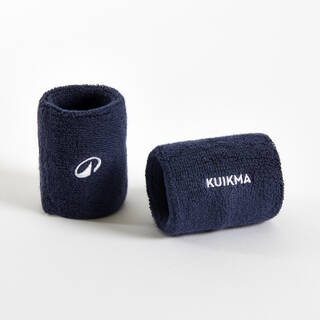
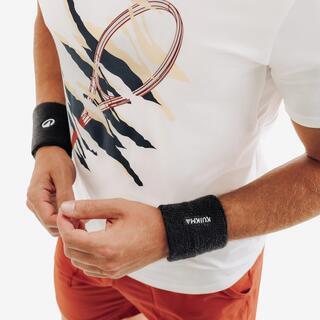
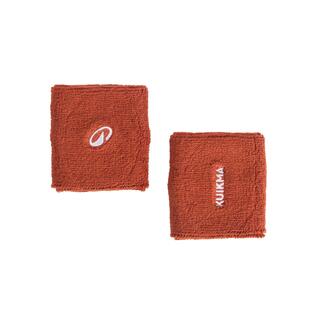
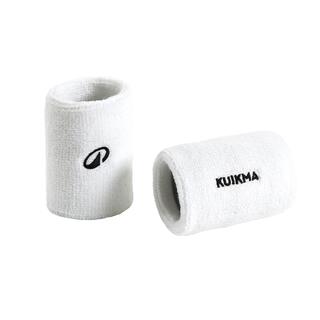
Terry cloth wristbands (80 percent cotton, 20 percent elastane) absorb 4 to 6 grams of perspiration per band, preventing sweat migration from forearm to palm during service games. Double-layer construction (looped terry interior, smooth exterior) wicks moisture away from skin while maintaining surface dryness for quick forehead or face swipes between points. Wristbands measuring 8 cm width cover distal forearm adequately for players with wrist circumferences between 15 and 18 cm. Elastic retention bands (spandex core) maintain compression without restricting radial or ulnar arterial flow, critical during five-set matches exceeding three hours.
Headbands prevent sweat drip into eyes during overhead serves and smashes. Polyester-spandex blends (85/15 ratio) stretch to fit head circumferences from 54 to 60 cm without causing temporal pressure headaches. Silicone grip strips on interior surfaces prevent band migration during rapid directional changes. For players competing in afternoon heat (court surface temperatures reaching 55 to 60°C), moisture-activated cooling headbands use polymer crystals that absorb water and maintain 5 to 8 degrees Celsius below skin temperature for 60 to 90 minutes. Combined wristband and headband systems manage up to 40 grams of sweat per hour, maintaining grip security and visual clarity during humid monsoon tournaments when dew points exceed 24°C.
Ball Hoppers, Pickup Efficiency, and Coaching Drill Optimization for Academy Training
Ball hoppers streamline practice efficiency for coaches running multi-player drills. Wire-frame hoppers holding 72 balls (standard basket capacity) allow rapid collection without repeated bending, reducing lumbar strain during three-hour coaching blocks. Flip-top lids secure balls during transport between courts, preventing spillage on uneven pathways. Collapsible hoppers fold to 15 cm height for compact car trunk storage, essential for mobile coaches servicing multiple club locations. Durable powder-coated steel frames withstand 50 kg compression loads, tolerating accidental foot strikes or equipment cart collisions common in crowded academy environments.
Pickup tubes (vertical collection devices) use spring-loaded internal mechanisms that grip balls as downward pressure compresses the tube opening. Tubes holding 18 to 20 balls suit solo practice sessions, allowing players to collect scattered balls in 90 seconds versus 4 to 5 minutes with manual pickup. For high-volume academies running continuous feed drills, wheeled ball carts (capacity 150 to 200 balls) include lockable caster wheels and elevated hoppers that position balls at waist height, eliminating repetitive bending during hand-fed drills. Mesh construction provides ventilation that accelerates ball drying after rain-interrupted sessions, preventing mold growth on felt surfaces during monsoon storage periods.
FAQ (Frequently Asked Questions)
Q1. How often should I replace overgrips during monsoon season when courts are humid?
Replace overgrips every 6 to 8 hours of play during high-humidity conditions (above 70 percent relative humidity). Saturated overgrips lose tackiness and increase risk of racket slippage during volleys and serves. Perforated overgrips extend usable life by 2 to 3 hours compared to solid-surface grips in coastal or monsoon climates.
Q2. What is the difference between regular-duty and extra-duty tennis balls for hard courts?
Extra-duty balls use thicker, tighter-woven felt that resists abrasion on hard acrylic and synthetic courts common in India. They last 30 to 40 percent longer than regular-duty balls designed for softer clay surfaces. Regular-duty felt wears through in 4 to 5 hours on hard courts, while extra-duty felt maintains playable condition for 6 to 8 hours.
Q3. Do string dampeners actually reduce tennis elbow pain or just change sound?
Dampeners reduce string-bed vibration amplitude by 8 to 12 percent, which lowers shock transmission to the forearm. Combined with proper string tension (5 to 8 lbs lower for stiff polyester strings) and multifilament strings, dampeners help attenuate impact forces associated with lateral epicondylitis. They do not eliminate elbow stress caused by poor technique or overly stiff string setups.
Q4. How many rackets should a competitive junior player carry in their tennis bag?
Competitive juniors should carry minimum three rackets: one primary racket strung at preferred tension, one backup strung identically, and one strung 2 to 3 lbs lower for high-humidity days when strings feel stiffer. Six-racket bags allow rotation during tournaments when string tension drops 3 to 5 lbs after intense three-set matches.
Q5. Can I use the same tennis balls for practice on both hard courts and clay courts?
Yes, but ball performance differs. Hard-court balls (extra-duty felt) collect less clay particles and maintain cleaner surfaces, but their tighter weave reduces spin consistency on clay. Clay-court balls (regular-duty felt) wear faster on hard courts due to looser nap construction. For mixed training, extra-duty balls offer better durability across both surfaces.
Q6. What size tennis bag is suitable for cycling to coaching sessions with two rackets and accessories?
Three-racket bags (75 x 30 x 15 cm) fit two rackets plus balls, grips, and water bottles while remaining compact enough for backpack-style carrying. Look for padded shoulder straps (40 mm width minimum) and chest stabilizer straps to prevent bag shifting during cycling. Total loaded weight should not exceed 6 kg for comfortable 20 to 30 minute rides.
Q7. How do thermal-lined racket compartments protect string tension in hot weather?
Thermal linings use reflective foil and closed-cell foam to maintain compartment temperatures 8 to 10 degrees Celsius below exterior ambient heat. Polyester strings lose 3 to 5 lbs tension when exposed to temperatures above 45°C (common in car trunks). Thermal protection preserves tension stability between morning and afternoon matches during summer tournaments.
Q8. Are button dampeners or worm dampeners better for reducing vibration on polyester strings?
Worm dampeners (interwoven through multiple strings) provide slightly broader vibration attenuation due to increased string contact area, but the difference is minimal (1 to 2 percent). Button dampeners weigh less (2 to 3 grams versus 4 to 6 grams) and cause less mass imbalance. Both reduce vibration adequately when combined with proper string tension reduction (5 to 8 lbs lower for stiff polyester).
Q9. What capacity ball hopper is ideal for a coach running group drills with four players?
A 72-ball wire-frame hopper suits four-player drills, providing 18 balls per player for continuous feed exercises. Collapsible models fold to 15 cm height for car storage. For high-volume academies, wheeled carts holding 150 to 200 balls eliminate mid-drill refilling and position balls at waist height to reduce repetitive bending during three-hour coaching sessions.
Q10. How long do pressurized tennis balls maintain bounce after opening the can?
Pressurized balls lose approximately 0.5 psi per week after can opening, reducing bounce height by 5 to 8 cm over four weeks. Sealed cans preserve internal pressure (12 to 14 psi) for 18 to 24 months. For consistent training feedback, rotate to fresh balls every 8 to 10 hours of play or use ball pressurizers (external pressure tubes) to extend usable life by two to three weeks.