Treadmills







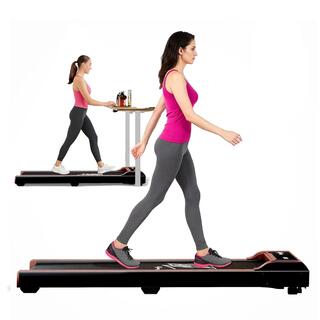
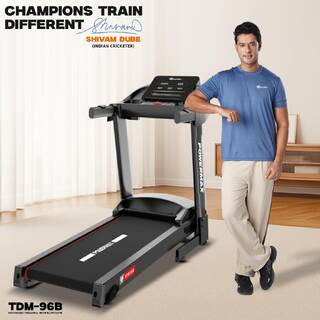
Heavy-Gauge Steel Frame Treadmills and Hydraulic Stepper Mechanisms for Compact Indian Home Gyms
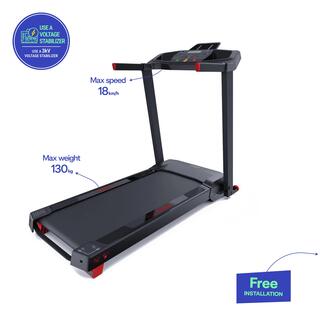
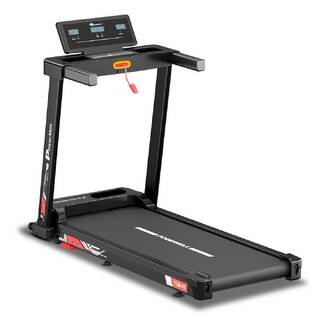
Domyos treadmills and steppers are engineered around 50mm x 70mm rectangular tubular steel frames, rated to support continuous user loads between 100 kg and 130 kg depending on model tier. Frame welds undergo stress testing to withstand 500,000 repetitive load cycles, simulating years of daily use in high-humidity coastal apartments or dry northern climates. Treadmill decks use 16mm to 20mm compressed MDF or plywood layering, bonded with shock-absorbing EVA cushioning pads positioned at heel-strike zones. This multi-layer construction reduces peak impact forces (typically 2 to 3 times body weight during running) by approximately 15 to 20 percent compared to outdoor concrete surfaces, helping attenuate stress on knee cartilage and Achilles tendons.
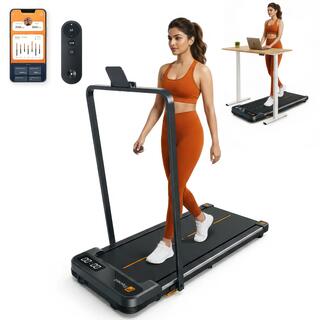
Steppers rely on dual hydraulic cylinder resistance systems, using mineral oil-filled pistons that create smooth, adjustable resistance across 8 to 12 intensity levels. Cylinder bore diameters range from 28mm to 35mm, with piston stroke lengths between 150mm and 200mm to accommodate full range-of-motion stepping. Pedal platforms measure 300mm x 150mm, surfaced with diamond-pattern TPR (thermoplastic rubber) for barefoot or shoe grip during high-cadence intervals. Compact folding treadmills collapse to footprints under 0.6 square meters, fitting beneath beds or against apartment walls. Non-slip rubber foot pads on all four frame corners protect tile and hardwood flooring from scratches and dampen motor vibration.
Brushless DC Motor Power Ratings and Belt Speed Calibration for Walking to Sprint Intervals
Domyos motorized treadmills deploy 1.5 HP to 3.0 HP continuous-duty brushless DC motors, delivering torque outputs sufficient for sustained speeds between 1 km/h (rehabilitation walking) and 16 km/h (tempo running). Motor controllers use pulse-width modulation (PWM) to regulate belt speed in 0.1 km/h increments, maintaining velocity accuracy within ±2 percent under varying user weights. Belt dimensions span 1200mm to 1400mm in length and 400mm to 500mm in width, constructed from dual-ply PVC with polyester reinforcement threads. Belt tension is factory-calibrated to 50 to 60 Newtons, preventing slippage during push-off phases while minimizing friction heat buildup in 35°C to 40°C ambient room temperatures common during Indian summers.
Manual treadmills eliminate motors entirely, using curved running decks with self-propelled belt systems driven purely by user stride force. Curved radius geometry (typically 1800mm to 2200mm arc length) converts horizontal push into rotational belt motion, with friction-free ball bearing rollers (8 to 12 bearings per roller shaft) ensuring smooth transitions. These systems require zero electrical power, making them ideal for power-outage-prone regions or off-grid rural training setups. Steppers use magnetic resistance flywheels (3 kg to 5 kg inertia mass) in premium models, replacing hydraulic cylinders with eddy-current braking for silent operation and maintenance-free longevity exceeding 10 years.
Incline Gradient Mechanics and Caloric Expenditure Amplification for Hill Simulation
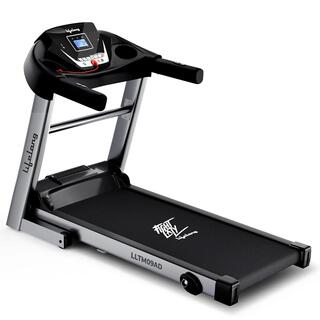
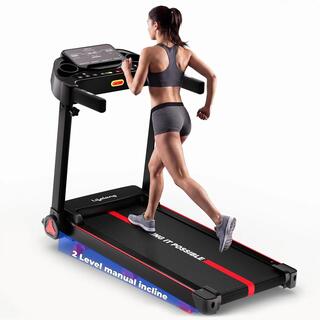
Motorized incline systems on mid-tier and advanced Domyos treadmills adjust deck angles from 0 to 12 degrees (0 to 21 percent gradient) using linear actuator motors or manual pin-lock mechanisms. Each 1-degree incline increase elevates caloric burn rates by approximately 5 to 8 percent compared to flat running at identical speeds, replicating the biomechanical demand of ascending Western Ghats trails or Himalayan foothill roads. Actuator motors draw 50 to 80 watts during adjustment cycles, completing full 0-to-12-degree transitions in 15 to 25 seconds. Manual incline models use spring-loaded locking pins inserted into pre-drilled holes at 2-degree intervals, requiring user adjustment between workout segments but eliminating electronic failure points.
Stepper machines with independent pedal height adjustment allow asymmetric stride patterns, useful for post-injury rehabilitation or unilateral strength balancing. Pedal height differentials of 50mm to 100mm per step create glute and hamstring activation patterns similar to stair climbing, with metabolic equivalents (METs) ranging from 4.0 METs (light stepping) to 8.0 METs (high-resistance intervals). Handlebar-mounted heart rate sensors use stainless steel contact plates measuring galvanic skin response, accurate to within ±5 bpm when palms maintain continuous contact for 10-second intervals. Console displays show real-time speed, distance, time, and estimated calorie burn (calculated via user-inputted weight and stride cadence algorithms).
Folding Hinge Engineering and Vertical Storage Solutions for Space-Constrained Urban Apartments
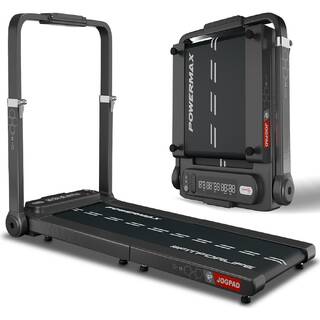
Domyos folding treadmills incorporate gas-spring-assisted lift mechanisms, using 300N to 500N force gas struts that counterbalance deck weight during folding and unfolding. Hinge pins are 12mm to 16mm diameter hardened steel, rated to 50,000 fold cycles without play or wobble. Folded dimensions typically measure 1500mm height x 700mm width x 300mm depth, allowing vertical storage against walls in 2BHK apartments or shared living spaces. Safety latch systems use spring-loaded pins that auto-engage when the deck reaches vertical position, preventing accidental collapse. Transport wheels (50mm to 75mm diameter polyurethane) mount on the front base, enabling single-person tilting and rolling across tile or carpet without floor damage.
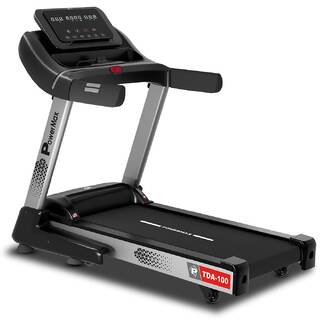
Non-folding commercial-grade treadmills sacrifice portability for structural rigidity, using welded one-piece frames with cross-bracing that eliminates flex during high-speed running. These models suit dedicated home gym rooms or building society fitness centers where equipment remains stationary. Steppers universally feature compact footprints (600mm x 400mm base dimensions), weighing 8 kg to 15 kg for easy relocation. Rubberized base pads (10mm thickness) absorb pedal impact noise, critical for apartment dwellers with neighbors below. Handlebar posts telescope from 1200mm to 1500mm height, accommodating users from 150cm to 190cm stature without compromising ergonomic posture.
Console Programming and Bluetooth Connectivity for Structured Interval Training Protocols
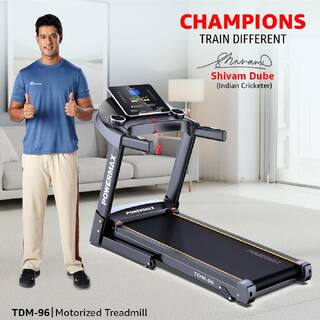
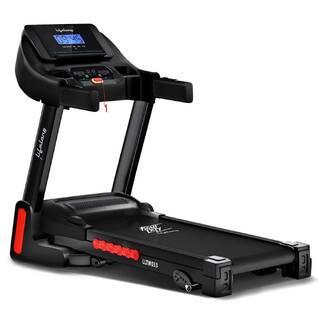
Advanced Domyos treadmill consoles feature 5-inch to 7-inch LCD displays with backlit screens, visible under direct sunlight streaming through apartment windows. Pre-programmed workout modes include 12 to 20 interval protocols (Tabata, HIIT, fat-burn zones, endurance pacing), automatically adjusting speed and incline every 30 to 120 seconds based on target heart rate zones. Bluetooth 4.0 or 5.0 modules sync with Decathlon Coach app (iOS and Android), transmitting real-time speed, distance, and heart rate data for post-workout analysis. USB charging ports (5V, 1A output) keep smartphones powered during 60 to 90-minute long runs, essential for streaming music or video entertainment.
Manual treadmills and basic steppers use analog odometer-style counters, mechanically tracking step count or belt rotations without batteries. These systems never require firmware updates or connectivity troubleshooting, appealing to users prioritizing mechanical simplicity. Heart rate monitoring via chest strap transmitters (5.3 kHz frequency) offers ±1 bpm accuracy, superior to handlebar contact sensors, and pairs with console receivers up to 3-meter range. Emergency stop clips attach via magnetic or tethered cord systems, instantly cutting motor power if the user stumbles or steps off the belt, a mandatory safety feature for unsupervised home use.
Maintenance Protocols and Lubrication Cycles for Tropical Humidity and Dust Exposure
Treadmill belt lubrication requires silicone-based spray or liquid applied every 40 to 60 hours of use (approximately every 3 months for daily 30-minute sessions). Under-deck application involves lifting the belt edge and distributing 15ml to 20ml of lubricant across the full deck width, reducing friction coefficients from 0.6 (dry) to 0.2 (lubricated) and preventing motor overload. In high-humidity coastal cities (Mumbai, Chennai, Kochi), monthly inspections check for rust on exposed steel components, treatable with anti-corrosion sprays. Dust accumulation around motor vents and roller bearings is common in northern plains regions (Delhi, Jaipur), requiring quarterly compressed air cleaning or vacuum extraction to maintain cooling efficiency.
Stepper hydraulic cylinders are sealed units requiring zero maintenance for 5 to 7 years under normal use, but pedal pivot points benefit from annual lithium grease application to prevent squeaking. Belt tension adjustments on treadmills involve hex-key tightening of rear roller bolts, increasing tension if belts slip during push-off or decreasing if excessive friction causes motor strain. Proper tension allows 50mm to 75mm vertical belt lift at the center point when pulled upward by hand. Voltage stabilizers (rated 1500VA to 2000VA) protect motor electronics from Indian grid fluctuations (190V to 250V swings), extending lifespan and preventing sudden shutdowns during workouts.
FAQ (Frequently Asked Questions)
Q1. What motor power rating do I need for walking versus running on a home treadmill?
For walking at 4 to 6 km/h, a 1.5 HP continuous-duty motor suffices. Running at 10 to 14 km/h requires 2.0 to 2.5 HP motors to sustain belt speed under repeated impact loads. Users above 85 kg or planning sprint intervals (15+ km/h) should select 3.0 HP motors to prevent overheating during extended sessions.
Q2. How much floor space do folding treadmills actually save in a 2BHK apartment?
Unfolded treadmills occupy 1.5 to 1.8 square meters of floor area. Folding models reduce this to 0.4 to 0.6 square meters when vertical, freeing space equivalent to a small sofa. Folded height reaches 1.5 meters, fitting under standard 2.7-meter ceiling clearances with room to spare.
Q3. Do manual treadmills provide the same workout intensity as motorized models?
Manual curved-deck treadmills demand higher effort per kilometer because users generate all propulsion force, increasing caloric burn by 20 to 30 percent compared to motorized belts at equal speeds. However, they lack incline adjustment and speed consistency, making them better suited for HIIT sprints than steady-state endurance runs.
Q4. Can steppers effectively replace stair climbing for building leg strength?
Steppers replicate the vertical motion and glute activation of stair climbing, with adjustable resistance allowing progressive overload. Hydraulic models provide 8 to 12 resistance levels, suitable for beginners to intermediate users. However, they lack the eccentric loading (downward step control) that full staircase descent provides for quad strengthening.
Q5. What belt width is safe for running without stepping off the edges?
Belt widths of 450mm to 500mm accommodate most runners' natural stride widths (shoulder-width stance). Narrower 400mm belts work for walking or light jogging but increase lateral drift risk during fatigue. Taller users (above 180cm) or those with wider gaits should prioritize 500mm belts for confident foot placement.
Q6. How do I prevent treadmill motor overheating during Mumbai summer humidity?
Ensure motor vent grilles remain dust-free via monthly vacuum cleaning. Position the treadmill with 300mm clearance behind the motor housing for airflow. Limit continuous use to 60 minutes in 35°C+ ambient temperatures, allowing 15-minute cooling intervals. Ceiling fans or AC circulation dramatically improve motor thermal management.
Q7. What maximum user weight should I look for if I weigh 95 kg?
Select treadmills rated for 120 kg to 130 kg maximum user weight, providing a 25 to 35 kg safety margin above your body weight. This buffer accounts for impact forces during running (2 to 3 times body weight) and ensures frame and belt durability over thousands of workout hours.
Q8. Are Domyos treadmills compatible with third-party fitness apps like Strava or Apple Health?
Bluetooth-enabled Domyos consoles sync with Decathlon Coach app, which exports workout data to Apple Health, Google Fit, and Strava via standard API integrations. Manual treadmills without electronics require separate smartphone mounts and GPS watch tracking to log distance and pace into third-party platforms.
Q9. How often should I replace the treadmill belt and what are the wear indicators?
Belts last 3 to 5 years (1500 to 2500 hours) under normal use. Replace when you notice fraying edges, visible cracks in the running surface, or persistent slipping despite tension adjustments. Uneven wear patterns (center thinning) indicate misaligned rollers requiring professional service before belt replacement.
Q10. Can I use a stepper machine if I have knee pain or past meniscus injuries?
Steppers create lower peak impact forces than running but still involve repetitive knee flexion under load. Consult a physiotherapist before use if you have acute knee pain. Low-resistance settings (levels 1 to 3) with controlled 60 to 80 steps per minute cadence minimize joint stress while maintaining cardiovascular benefits.