Umbrellas











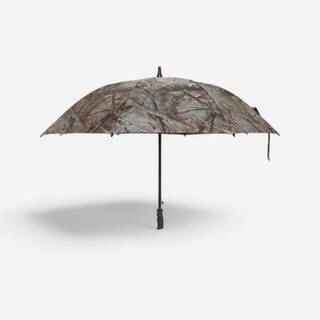
Wind-Tunnel Stability and Canopy Engineering for Indian Monsoons
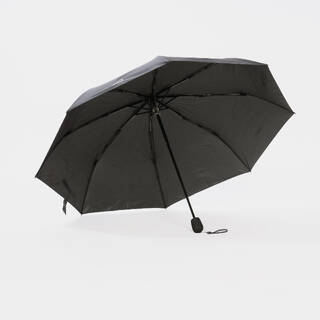
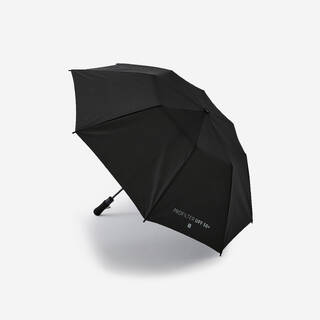
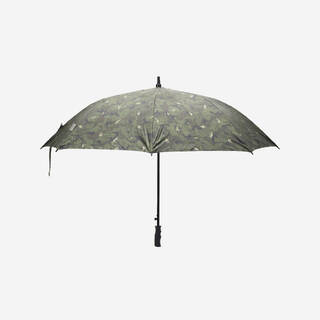
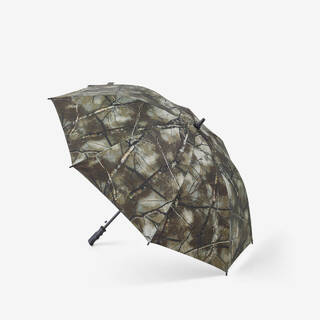
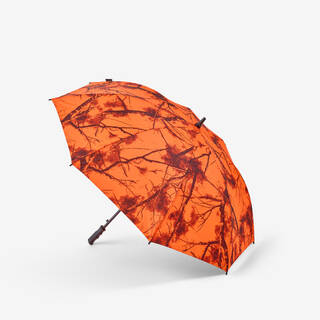
Decathlon umbrellas undergo rigorous wind-tunnel testing to withstand gusts exceeding 50 km/h, a common threshold during sudden monsoon squalls across Mumbai, Bangalore, and Chennai. The canopy structure employs double-layer polyester with 190T to 210T thread density, creating a tightly woven barrier that resists water penetration while maintaining breathability to prevent inversion during crosswinds. Fiberglass ribs replace traditional steel in high-performance models, offering superior flex recovery when bent beyond 90 degrees without permanent deformation. This material choice reduces overall weight by 30 percent compared to equivalent steel-frame designs, critical for daily commuters carrying laptops and gym kits.
Vented canopy designs integrate mesh panels at the crown, allowing high-velocity wind to pass through rather than creating lift forces that flip conventional umbrellas. This aerodynamic feature proves essential on elevated metro platforms and coastal promenades where wind channeling intensifies. The hub mechanism, typically die-cast aluminium in premium lines, distributes tensile loads across eight ribs rather than six, increasing structural redundancy. Automatic open-close mechanisms use stainless steel springs rated for 5,000 cycles, ensuring reliable deployment even after prolonged exposure to humid air that corrodes lesser metals.
UV Protection and Thermal Management for High-Altitude and Coastal Exposure
Indian summers deliver UV indices reaching 11+ in Himalayan regions and 9+ across coastal belts, demanding canopy fabrics with certified UPF 50+ ratings. Decathlon's sun umbrellas incorporate titanium dioxide coatings into the polyester weave, blocking 98 percent of UVA and UVB radiation without adding bulk. The reflective silver undercoating on select models reduces radiant heat absorption by deflecting infrared wavelengths, lowering the temperature beneath the canopy by 8 to 12 degrees Celsius compared to ambient conditions. This thermal barrier proves vital for trekkers on exposed ridgelines and beachgoers during midday hours.
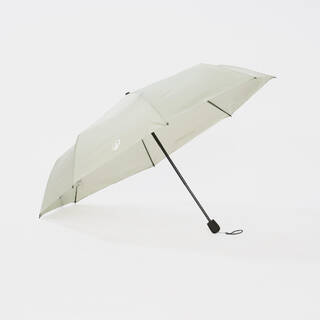
Dark-colored canopies, while aesthetically popular, absorb more solar radiation. Lighter hues in beige, sky blue, and mint green reflect up to 60 percent of incident sunlight, maintaining cooler microenvironments. The canopy diameter directly correlates with coverage area: a 100 cm span shelters one adult comfortably, while 120 cm models accommodate two people or provide extended shoulder protection during slanted rain. Compact folding umbrellas sacrifice some diameter (typically 95 to 105 cm when open) but collapse to 28 cm lengths, fitting standard backpack side pockets and office desk drawers.
Handle Ergonomics and Grip Materials for Extended Carry
Handle design impacts fatigue during prolonged use, especially for professionals navigating 20-minute walks from parking lots or metro stations. Rubberized EVA foam grips with contoured finger grooves distribute pressure across the palm, reducing localized stress points that cause numbness after 15 minutes of continuous holding. Straight handles suit compact models stored in bags, while J-shaped crook handles allow forearm suspension, freeing hands for phone use or bag carrying. The shaft, constructed from anodized aluminium tubing with 1.2 mm wall thickness, balances rigidity against weight, typically ranging from 320 to 450 grams for full-size models.
Wrist straps, often overlooked, provide critical security during sudden gusts. Adjustable nylon loops with barrel-lock cinches prevent accidental drops when winds exceed 40 km/h. For golf umbrellas and oversized models exceeding 130 cm diameter, dual-grip handles allow two-handed control during extreme weather. The ferrule (tip cap) should feature a reinforced polymer or metal construction to withstand repeated ground contact on concrete pavements without cracking, a common failure point in budget designs after six months of daily use.
Compact Folding Mechanisms and Portability for Urban Commuters
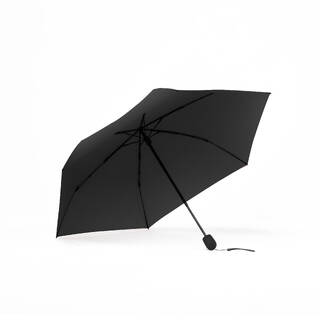
Three-fold and five-fold collapsible designs cater to different portability needs. Three-fold models collapse to 55 to 60 cm, suitable for briefcase compartments and car door pockets, while five-fold variants shrink to 22 to 28 cm, fitting jacket pockets and small purses. The trade-off lies in mechanical complexity: additional hinges introduce potential weak points, though quality models use reinforced pivot joints with stainless steel pins rather than plastic rivets. Automatic open mechanisms add 40 to 60 grams but eliminate fumbling during sudden downpours, a decisive advantage when exiting auto-rickshaws or buses.
Storage sleeves should incorporate moisture-wicking polyester linings to absorb residual water, preventing mildew growth during monsoon season when umbrellas rarely dry completely between uses. Elastic closures with Velcro tabs secure folded canopies better than snap buttons, which corrode after repeated wet-dry cycles. For cyclists and two-wheeler riders, umbrellas prove impractical during transit but essential upon arrival. Compact models weighing under 300 grams attach to backpack compression straps without shifting the load center, maintaining balance during rides.
Durability Testing and Warranty Considerations for Monsoon Reliability
Decathlon subjects umbrellas to accelerated aging protocols simulating six months of daily use within 72 hours. This includes 1,000 open-close cycles, salt spray exposure mimicking coastal humidity, and flexural fatigue tests bending ribs to 120 degrees repeatedly. Canopy fabrics undergo hydrostatic head testing at 2,000 mm water column pressure, exceeding the 1,500 mm threshold required for moderate rain protection. Seam integrity, particularly at rib attachment points, determines longevity. Double-stitched seams with polyester thread resist UV degradation better than nylon alternatives, which weaken after 200 hours of sunlight exposure.
Warranty coverage typically spans one year for mechanical components (spring mechanisms, rib joints) and six months for canopy fabrics, acknowledging that user handling significantly impacts lifespan. Common failure modes include rib separation from the hub (often due to forced closure against wind), canopy tearing at stress points near rib tips, and spring mechanism jamming from sand or dust ingress. Regular maintenance involves rinsing the canopy with fresh water after coastal use, air-drying before storage, and lubricating pivot points with silicone spray every three months. Proper care extends functional life to three to five years even with daily commuter use.
Selecting Umbrella Specifications for Trekking, Golf, and Daily Urban Use
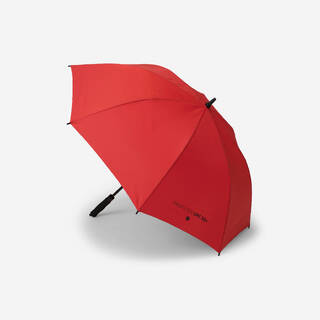
Trekking umbrellas prioritize weight savings, typically 180 to 250 grams, using carbon fiber shafts and ripstop nylon canopies rated at 210T density. The compact fold (under 30 cm) allows attachment to backpack exteriors via carabiner loops. Golf umbrellas, conversely, maximize coverage with 140 to 160 cm diameters, employing fiberglass double-rib construction for wind resistance on exposed fairways. These models weigh 600 to 800 grams, acceptable for cart transport but impractical for walking commutes.
Urban daily-use models balance portability and coverage at 110 to 120 cm diameter, weighing 350 to 450 grams. Automatic mechanisms justify the added weight for professionals juggling briefcases and coffee cups. Reflective strips along rib edges enhance visibility during evening commutes, critical for pedestrian safety on poorly lit roads. Color selection impacts heat absorption: black canopies reach 15 degrees Celsius hotter than white equivalents under direct sun, though darker shades better conceal dirt and water stains over time. For families, dual-person umbrellas (130 cm+) with reinforced frames accommodate parent-child pairs during school runs, though wind resistance increases proportionally with canopy area.
FAQ (Frequently Asked Questions)
Q1. What canopy diameter should I choose for solo use versus covering two people during Mumbai monsoons?
A 100 to 110 cm diameter canopy provides adequate coverage for one adult with a standard backpack or handbag, keeping shoulders dry during vertical rainfall. For two people walking side by side or a parent shielding a child, opt for 120 to 130 cm models with reinforced eight-rib frames to handle increased wind load. Larger canopies require stronger arm endurance during extended holding, so consider automatic open-close mechanisms if carrying bags simultaneously.
Q2. How do fiberglass ribs compare to steel ribs for wind resistance on coastal roads?
Fiberglass ribs flex up to 90 degrees without permanent deformation, returning to original shape after wind gusts subside, while steel ribs bend permanently beyond 45 degrees and often snap at welded joints. Fiberglass reduces overall umbrella weight by 25 to 30 percent, critical for daily commuters. However, steel ribs offer superior puncture resistance if the umbrella contacts sharp objects, making them preferable for crowded metro environments where accidental impacts occur frequently.
Q3. Can umbrellas with UPF 50+ coating withstand Himalayan UV exposure during summer treks?
Yes, UPF 50+ rated canopies block 98 percent of UVA and UVB radiation, effective even at 3,000 meter altitudes where UV intensity increases 10 percent per 1,000 meters. Look for titanium dioxide-treated polyester rather than spray-on coatings, which degrade after 40 to 50 hours of direct sunlight. Reflective silver undercoatings further reduce heat absorption, lowering the temperature beneath the canopy by 8 to 12 degrees Celsius compared to ambient conditions on exposed ridgelines.
Q4. Why does my compact umbrella invert during sudden wind gusts, and how can I prevent this?
Inversion occurs when wind pressure exceeds the canopy's tensile strength, typically above 50 km/h for standard models. Vented canopy designs with mesh panels at the crown allow wind to pass through rather than creating lift forces. Hold the umbrella at a 45-degree angle into the wind rather than vertically, reducing the surface area exposed to gusts. Fiberglass rib construction with eight ribs instead of six distributes stress more evenly, minimizing inversion risk.
Q5. How long should an umbrella's automatic mechanism last with daily commuter use in Bangalore weather?
Quality automatic mechanisms using stainless steel springs endure 5,000 open-close cycles, equivalent to roughly three years of twice-daily use. Humidity accelerates corrosion in lesser metals, so rinse the mechanism with fresh water monthly and apply silicone lubricant to pivot points. Avoid forcing the mechanism when the canopy snags on fabric or ribs misalign, as this strips internal gears. If the spring weakens (requiring multiple presses to deploy), replacement mechanisms cost less than new umbrellas and extend functional life by two additional years.
Q6. What maintenance steps prevent mildew growth on umbrella canopies during extended monsoon seasons?
Always air-dry the canopy fully before folding and storing, even if this means leaving it open indoors for four to six hours. Moisture trapped in folds creates anaerobic conditions ideal for mildew spores. Rinse the canopy with diluted white vinegar (one part vinegar to three parts water) monthly during monsoons to inhibit fungal growth. Store umbrellas in breathable cotton sleeves rather than sealed plastic cases, allowing residual moisture to evaporate. If mildew appears, scrub affected areas with a soft brush and mild detergent, then sun-dry for two hours to kill remaining spores.
Q7. Are golf umbrellas practical for daily office commutes, or should I choose compact models?
Golf umbrellas (140 to 160 cm diameter) provide superior coverage but weigh 600 to 800 grams and collapse to only 90 to 100 cm, impractical for briefcases or backpacks. They suit car commuters who store umbrellas in vehicle trunks. For metro, bus, or walking commutes, three-fold models (55 to 60 cm collapsed, 350 to 450 grams) balance portability and coverage. Five-fold ultra-compact designs (22 to 28 cm, under 300 grams) fit jacket pockets but sacrifice canopy diameter to 95 to 105 cm, leaving shoulders exposed during angled rain.
Q8. How does thread density (190T vs 210T) affect waterproofing during heavy Kerala monsoon rains?
Thread density (T) indicates fabric tightness: 190T canopies handle moderate rain (up to 50 mm per hour) but may seep during torrential downpours exceeding 100 mm per hour. 210T fabrics with tighter weaves resist water penetration at hydrostatic head pressures above 2,000 mm, suitable for prolonged exposure. Higher thread counts add 20 to 30 grams to overall weight. Polyurethane coatings on the canopy underside enhance waterproofing but degrade after two years of UV exposure, requiring reapplication or replacement.
Q9. Can I use trekking umbrellas as sun protection during Rajasthan desert hikes, or are they only for rain?
Trekking umbrellas with UPF 50+ coatings and reflective undersides provide excellent sun protection, blocking 98 percent of UV radiation and reducing radiant heat by 10 to 15 degrees Celsius. Lightweight carbon fiber models (180 to 250 grams) attach to backpack shoulder straps via carabiner loops, freeing hands for trekking poles. Choose lighter canopy colors (beige, silver) to reflect rather than absorb solar radiation. However, wind resistance increases in open desert terrain, so opt for vented designs and eight-rib frames to prevent inversion during afternoon dust storms.
Q10. What is the functional difference between manual, semi-automatic, and fully automatic umbrella mechanisms?
Manual umbrellas require sliding the runner (canopy support) up the shaft and locking it, offering the lightest weight (under 300 grams) and fewest mechanical failure points. Semi-automatic models use a spring-loaded button to deploy the canopy but require manual closure, balancing convenience and durability. Fully automatic mechanisms deploy and retract via button presses, ideal for one-handed operation but add 40 to 60 grams and introduce additional pivot joints prone to jamming if sand or dust infiltrates. For daily urban use, fully automatic justifies the weight penalty; for trekking, manual mechanisms reduce pack weight and maintenance needs.