Water Bottles

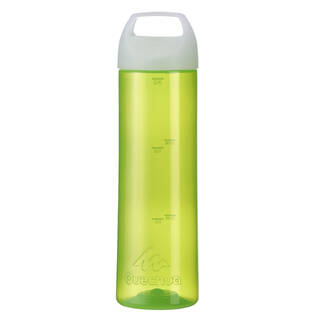
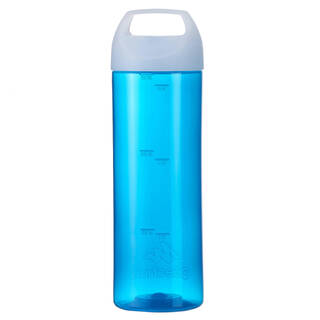
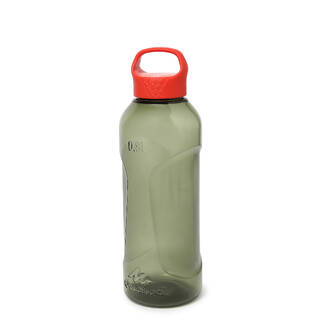
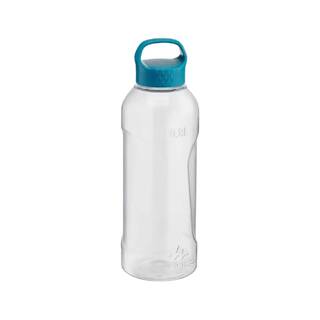

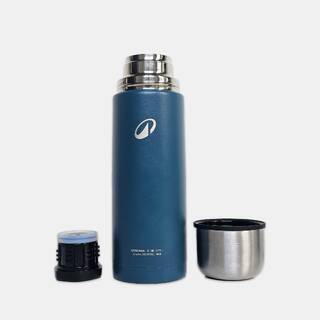
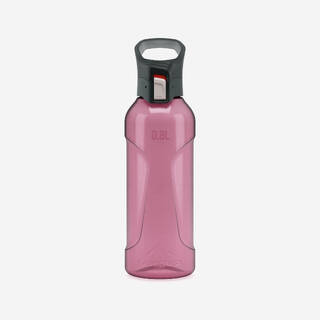
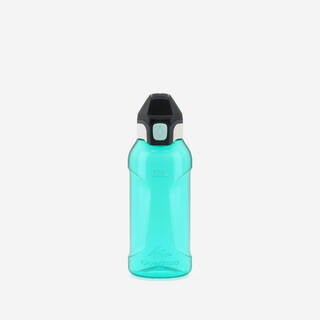
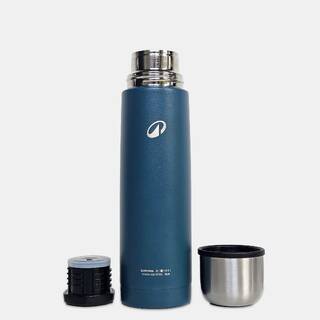
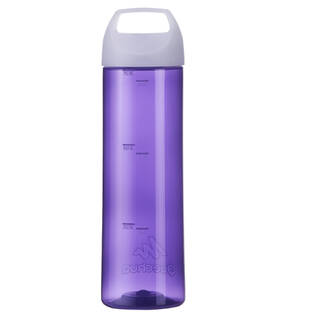
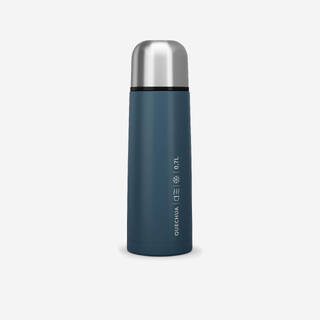

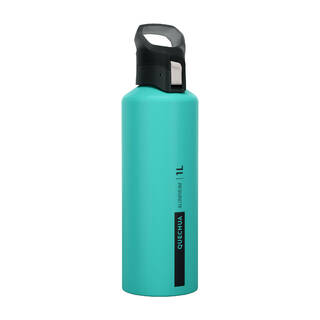
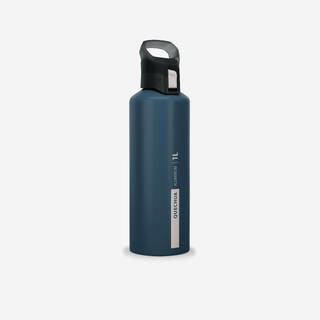
Engineered Hydration Systems for Indian Training Conditions
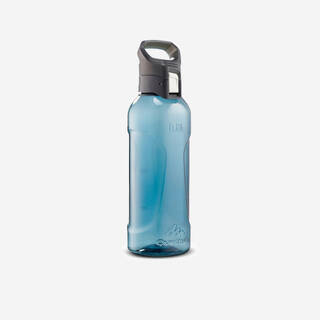
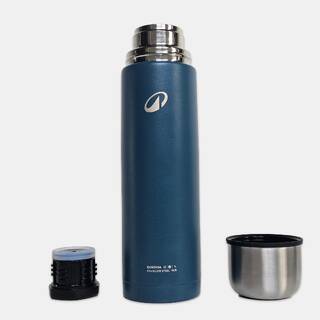
Water bottles designed for Indian athletic use must address thermal retention across extreme ambient temperature swings (5°C Himalayan mornings to 45°C plains afternoons), high-humidity monsoon conditions, and dust ingress during outdoor training. Decathlon's hydration range spans single-wall polypropylene bottles (lightweight, impact-resistant, BPA-free) to double-wall vacuum-insulated stainless steel constructions with copper lining that maintain cold retention for 12 to 24 hours. Capacity options run from compact 500ml trail running flasks to 1.5-litre gym jugs, each calibrated for specific activity durations and sweat loss rates.
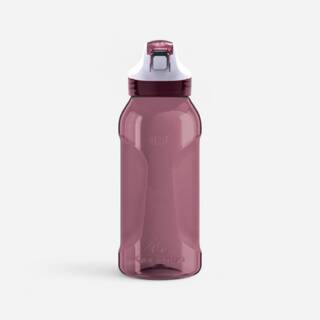
Material selection directly impacts durability and taste neutrality. Food-grade Tritan copolyester resists odor absorption and withstands repeated dishwasher cycles without cloudiness or structural degradation. Stainless steel 304-grade bottles eliminate metallic taste transfer and survive drops onto concrete gym floors or rocky trail surfaces. Silicone gasket seals in screw caps and push-pull valves prevent leakage during bag transport, while wide-mouth openings (63mm diameter) facilitate ice cube insertion and thorough brush cleaning. Graduated volume markings molded into bottle sidewalls enable precise hydration tracking during endurance sessions.
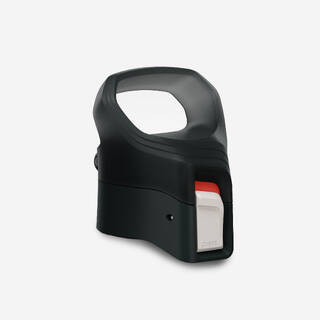
Valve technology separates casual sipping from high-flow athletic drinking. Autoseal mechanisms use spring-loaded closures that lock automatically after each sip, preventing accidental spills in cycling jersey pockets or backpack side mesh. Bite valves with silicone mouthpieces deliver hands-free hydration during trail runs, requiring 20 to 30 Newtons of bite force to activate flow. Screw-top lids with integrated carry loops attach to carabiners for hiking belt clips or gym locker hooks. Insulated bottles incorporate powder-coated exteriors that resist sweat condensation and provide anti-slip grip during high-intensity intervals.
Capacity Selection Matched to Sweat Rate and Activity Duration
Hydration volume requirements scale with exercise intensity, ambient heat index, and individual sweat rates (typically 0.5 to 2.0 litres per hour during moderate to vigorous activity). A 500ml bottle suits 45 to 60-minute gym sessions or short urban runs where refill access exists. Mid-range 750ml bottles support 90-minute cycling rides or intermediate hiking distances (8 to 12 km). Large-format 1.2 to 1.5-litre jugs accommodate extended gym training blocks (2+ hours) or team sports practice where frequent breaks allow stationary drinking.
Trail runners and mountain bikers require collapsible soft flasks (250ml to 500ml) that compress as liquid depletes, reducing sloshing noise and pack volume. These TPU (thermoplastic polyurethane) reservoirs fit into vest chest pockets or hip belt holsters, featuring angled bite valves that align with mouth position during forward motion. Rigid bottles with cage-mount compatibility (73mm diameter standard) attach to bicycle down tubes or seat tubes via bolt-on cages, maintaining center-of-gravity balance during technical descents.
Insulated bottle performance depends on vacuum layer integrity and thermal bridge elimination. Double-wall construction with evacuated air gaps (pressure below 0.01 atmospheres) blocks conductive heat transfer. Copper or reflective coatings on inner walls deflect radiant heat. Lid assemblies use plastic thermal breaks to prevent metal-to-metal contact that would bypass insulation. Quality vacuum seals maintain cold retention for 12 hours (ice water stays below 10°C) and hot retention for 6 hours (tea remains above 60°C), critical for pre-dawn winter training or all-day trek hydration.
Material Science: Tritan Copolyester vs Stainless Steel Performance
Tritan copolyester delivers impact resistance superior to polycarbonate (which contains BPA) while maintaining optical clarity and lightweight properties (a 750ml Tritan bottle weighs 120 to 150 grams). This amorphous copolymer withstands drops from 1.5 meters onto hard surfaces without shattering, making it suitable for school sports bags and outdoor adventure packs. Dishwasher-safe formulations tolerate temperatures up to 95°C during sanitization cycles. Tritan's chemical resistance prevents flavor carryover when switching between electrolyte drinks, protein shakes, and plain water.
Stainless steel 304-grade (18/8 chromium-nickel alloy) provides permanent durability and zero taste transfer, essential for athletes sensitive to plastic aftertastes during long sips. A 750ml single-wall steel bottle weighs 180 to 220 grams, while double-wall insulated versions add mass (280 to 350 grams) due to vacuum chamber construction. Steel bottles survive years of daily use without developing scratches that harbor bacteria, and powder-coated finishes resist chipping better than painted aluminum alternatives. The material's thermal conductivity (16 W/m·K) requires insulation layers for temperature retention, but single-wall versions excel as room-temperature carriers where weight matters.
Silicone components (gaskets, bite valves, grip sleeves) use food-grade platinum-cured formulations that resist degradation from UV exposure and temperature cycling. Shore A hardness ratings between 40 and 60 provide the optimal balance of sealing compression and valve flexibility. Removable silicone bases protect bottle bottoms from abrasion on rocky ground and dampen noise when set on gym floors. These elastomeric parts tolerate freezing (for ice packs) and boiling (for sterilization) without losing elastic memory or developing cracks.
Valve Systems and Flow Rate Engineering for Sport-Specific Hydration
Push-pull valve mechanisms deliver controlled flow rates (150 to 250 ml per second) suitable for cycling or gym rest intervals. The user pulls a silicone spout upward to open an internal valve seat, then pushes down to close and lock. This two-action design prevents pocket leaks but requires one free hand for operation. Bite valves eliminate hand involvement by using jaw pressure (20 to 30 Newtons) to compress a slit opening in soft silicone, allowing flow during running or hiking without breaking stride. Flow rates reach 200 to 300 ml per second under full bite pressure and suction.
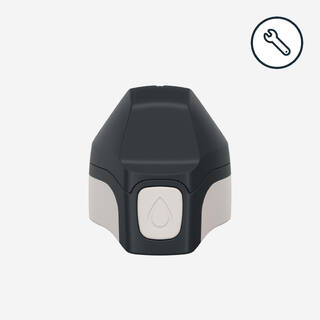
Autoseal technology incorporates spring-loaded buttons that open valves only while depressed, automatically sealing when released. This prevents spills if bottles tip over in bags or fall during transport. The mechanism adds 40 to 60 grams of weight due to internal springs and locking collars but provides leak-proof security for commuters and travelers. Screw-top lids with threaded closures offer the simplest design (fewest failure points) and widest mouth access (50 to 63mm openings) for adding ice, fruit infusions, or cleaning brushes.
Integrated straws and straw lids enable bottom-up drinking without tilting the bottle, useful during stationary cycling or desk work. Silicone straws flex without kinking and detach for thorough cleaning. Some designs incorporate weighted straw ends that sink to follow liquid as bottle tilts, maintaining suction access during the final sips. Carrying loops molded into lids or welded onto bottle shoulders support carabiner attachment (rated for 5 to 10 kg static load) or finger-loop portage during short walks between training stations.
Thermal Retention Physics and Insulation Layer Construction
Vacuum insulation achieves superior thermal performance by eliminating air molecules that conduct heat between inner and outer walls. Manufacturing processes evacuate the inter-wall cavity to pressures below 0.01 atmospheres, creating a near-vacuum that blocks conductive and convective heat transfer. Only radiative heat transfer remains, which reflective coatings (copper plating or aluminum deposition) on inner walls deflect back toward the liquid. This multi-barrier approach maintains ice water below 10°C for 12 hours in 35°C ambient conditions, or keeps hot beverages above 60°C for 6 hours in 10°C environments.
Lid thermal bridges represent the primary heat leak path in insulated bottles. Metal screw threads and valve assemblies create conductive pathways that bypass vacuum insulation. Advanced designs use plastic thread inserts, silicone gasket barriers, and air-gap lid construction to minimize this effect. The lid assembly typically accounts for 40 to 60 percent of total heat loss, which explains why identical bottle bodies with different lid designs show measurably different retention times. Wide-mouth openings (63mm) lose heat faster during drinking than narrow spouts (20mm) due to increased surface area exposure.
Powder-coated exteriors serve dual functions: they prevent exterior condensation (sweat beads) from forming on cold bottles in humid conditions, and they provide textured grip that remains secure when hands are wet or gloved. The coating (typically polyester or epoxy resin applied electrostatically at 150 to 200 microns thickness) also protects underlying stainless steel from scratches and dents. Bottles without powder coating develop exterior condensation within 10 to 15 minutes when filled with ice water in 30°C, 70 percent humidity conditions, creating slippery surfaces and dripping moisture into bags.
Maintenance Protocols for Longevity and Hygiene Across Material Types
Daily rinsing with warm water and mild dish soap prevents biofilm formation and odor development, particularly after electrolyte drinks or protein shakes that leave residue. Bottle brushes with nylon bristles (not abrasive steel) reach bottom corners and sidewalls without scratching plastic or removing powder coating. Narrow-mouth bottles (opening diameter below 40mm) require specialized long-handle brushes, while wide-mouth designs (63mm) accommodate standard kitchen sponges. Valve components and gaskets should be disassembled weekly for separate cleaning, as trapped moisture in threaded areas fosters bacterial growth.
Stainless steel bottles tolerate dishwasher cycles on top racks (temperatures up to 65°C), but powder-coated finishes may fade after 200+ cycles due to detergent abrasion. Tritan plastic bottles withstand dishwasher heat (up to 95°C) without warping, though hand washing extends optical clarity by preventing mineral deposit buildup from hard water. Insulated bottles should never be frozen when full, as expanding ice can rupture inner walls and compromise vacuum seals. Partial freezing (filling 70 percent, leaving cap off) allows ice formation without structural damage.
Odor elimination for bottles that develop persistent smells involves baking soda solutions (one tablespoon per 500ml water, soaked overnight) or white vinegar rinses (25 percent vinegar, 75 percent water, 30-minute soak). These methods neutralize organic acids from sports drinks without damaging materials. Bottles should be stored with caps removed to allow air circulation and prevent mildew in humid climates. Silicone gaskets and bite valves benefit from monthly inspection for cracks or permanent deformation, as compromised seals lead to leaks. Replacement gaskets and valves are available separately, extending bottle service life beyond five years of daily use.
FAQ (Frequently Asked Questions)
Q1. What bottle capacity should I choose for 90-minute cycling rides in Indian summer heat?
A 750ml to 1-litre bottle suits 90-minute rides, accounting for sweat rates of 0.8 to 1.2 litres per hour in 35 to 40°C conditions. Insulated stainless steel bottles keep water cold for the full ride duration, while standard plastic bottles require pre-chilling or ice addition. Cyclists often carry two 750ml bottles in frame cages for rides exceeding 60 minutes in high heat.
Q2. How long do insulated bottles actually keep water cold during Mumbai monsoon humidity?
Quality double-wall vacuum-insulated bottles maintain water below 10°C for 10 to 12 hours even in 85 percent humidity conditions, as vacuum insulation blocks heat transfer regardless of external moisture. Powder-coated exteriors prevent condensation formation that would make bottles slippery. Single-wall bottles reach ambient temperature within 60 to 90 minutes in high humidity due to conductive heat transfer through walls.
Q3. Can I put hot tea or coffee in the same bottle I use for cold water?
Stainless steel bottles handle both hot and cold liquids without taste transfer or material degradation, maintaining hot beverages above 60°C for 6 hours. Tritan plastic bottles tolerate hot liquids up to 95°C but may retain beverage odors after repeated use with coffee or tea. Always verify the manufacturer's temperature rating on the bottle base or packaging before filling with hot liquids.
Q4. Which valve type works best for trail running without stopping to drink?
Bite valves on soft flasks or squeeze bottles enable hands-free drinking during running, requiring only jaw pressure to activate flow. These valves deliver 200 to 300 ml per second under bite and suction pressure, sufficient for quick hydration without breaking stride. Push-pull or screw-top bottles require one free hand and a brief stop, making them better suited for hiking or gym use.
Q5. Do plastic bottles develop bad taste or smell after using electrolyte drinks?
Tritan copolyester resists odor absorption better than standard polypropylene, but all plastics can retain faint smells after repeated use with sugary or acidic sports drinks. Overnight soaking with baking soda solution (one tablespoon per 500ml water) neutralizes odors. Stainless steel bottles eliminate taste and odor issues entirely, making them preferable for athletes who alternate between water, electrolytes, and protein shakes.
Q6. How do I know if my insulated bottle's vacuum seal has failed?
A failed vacuum seal causes the bottle exterior to become cold or hot to touch (matching internal liquid temperature) within 15 to 30 minutes, instead of remaining at room temperature. You may hear liquid sloshing in the inter-wall cavity if the seal is severely compromised. Vacuum-insulated bottles should show no exterior temperature change and maintain ice water cold for at least 8 hours in normal conditions.
Q7. Are wide-mouth bottles harder to drink from while cycling or running?
Wide-mouth openings (63mm) require tilting the bottle higher and risk spilling during motion, making them less suitable for cycling or running. Narrow spout lids (20 to 25mm) or bite valves provide controlled flow during movement. However, wide-mouth designs excel for gym use, allowing easy ice addition and thorough cleaning access. Many bottles offer interchangeable lids to switch between wide-mouth and sport-spout configurations.
Q8. Can I freeze my water bottle overnight for all-day cold water during treks?
Single-wall bottles (plastic or steel) can be frozen if filled only 70 percent (leaving cap off) to allow ice expansion without cracking. Never freeze insulated bottles completely full, as expanding ice can rupture inner walls and destroy vacuum seals. A better approach for treks involves filling insulated bottles with ice cubes and cold water, which maintains drinking temperature for 12+ hours without freezing risks.
Q9. What's the difference between Tritan plastic and regular plastic bottles?
Tritan copolyester is BPA-free, impact-resistant (survives 1.5-meter drops), dishwasher-safe up to 95°C, and resists cloudiness and odor absorption better than polypropylene or polycarbonate. Regular plastic bottles often use polypropylene (cheaper, less durable) or older polycarbonate formulations that may contain BPA. Tritan maintains optical clarity and structural integrity through hundreds of wash cycles, justifying its use in premium reusable bottles.
Q10. How often should I replace silicone gaskets and bite valves?
Inspect gaskets and bite valves every three months for cracks, permanent compression, or loss of elastic rebound. Replace them if leaks develop or if the silicone feels sticky or degraded. With proper cleaning and storage, quality silicone components last 12 to 24 months of daily use. Replacement parts are available separately and cost significantly less than new bottles, extending overall product lifespan beyond five years.