Camp Cooking and Hydration


Lightweight Aluminium and Stainless Steel Cookware Built for High-Altitude Indian Treks
Camp cookware for the Himalayas, Western Ghats, and plateau campsites must balance thermal conductivity with pack weight. Quechua aluminium pots feature anodized surfaces that resist corrosion from acidic dal and tomato-based curries, while stainless steel variants offer superior scratch resistance for rocky trail handling. Anodized aluminium transfers heat 3 times faster than raw steel, cutting fuel consumption on isobutane canisters by up to 30 percent during high-altitude boils where oxygen is thin. Nested pot sets with silicone-coated handles fold into compact 1.2-liter volumes, fitting inside 40-liter trekking packs without wasted space.
Heat exchanger fins on pot bases maximize flame contact area, critical when burning propane-butane blends in sub-zero Ladakh nights or humid monsoon camps where fuel efficiency drops. Forclaz trekking cooksets include integrated strainer lids and foldable sporks, eliminating the need for separate utensil pouches. Non-stick PTFE coatings rated to 260 degrees Celsius prevent rice and rotis from carbonizing on uneven camp stove flames. Stainless steel 304-grade mess tins withstand repeated drops on granite and basalt without denting, a necessity when cooking on uneven ground near Spiti Valley or Zanskar passes.
Stackable design principles reduce rattling noise during trail descents. Silicone gaskets between nested pots dampen metal-on-metal contact, preserving anodized finishes over 200-plus camping cycles. Locking bail handles rotate 180 degrees for stable pouring, preventing scalding accidents when serving boiling chai or soup at 4,000-meter base camps. Quechua camp cookware undergoes thermal shock testing, cycling from 100-degree boiling water to 5-degree stream immersion without warping or cracking seams.
Multi-Fuel Camp Stoves: Isobutane Canister vs Liquid Fuel Performance in Indian Monsoon and Winter
Isobutane-propane canister stoves deliver 2,800 to 3,200 watts of heat output, boiling 1 liter of water in under 4 minutes at sea level. Piezo ignition systems eliminate the need for matches in damp monsoon conditions, though high-humidity environments above 85 percent relative humidity can corrode electrode contacts. Quechua and Forclaz canister stoves feature windshield baffles that maintain flame stability in 25 km/h gusts common across Roopkund and Valley of Flowers campsites. Canister threading follows EN417 standards, ensuring compatibility with all Indian-market fuel cartridges.
Liquid fuel stoves burning white gas or kerosene operate reliably in sub-zero Himalayan winters where canister pressure drops below usable thresholds. Multi-fuel models accept unleaded petrol, a critical backup when trekking remote Spiti or Kinnaur valleys where isobutane refills are unavailable. Pump-priming mechanisms build 2 to 3 bar pressure inside fuel bottles, vaporizing liquid into combustible gas even at minus 10 degrees Celsius. Brass burner jets resist clogging from impurities in Indian kerosene, though field maintenance kits with jet prickers are essential for extended expeditions.
Simmer control valves on Quechua stoves allow flame adjustment from 800 watts for slow lentil cooking to full 3,000-watt boils for group meals. Foldable pot supports accommodate vessels from 10 cm diameter solo cups to 24 cm family pots, adapting to solo backpackers and 6-person base camp setups. Fuel consumption averages 15 grams of isobutane per liter boiled, meaning a 230-gram canister supports 15 boiling cycles before depletion. Liquid fuel stoves consume 80 milliliters of kerosene per liter boiled, offering longer autonomy for week-long treks without resupply.
Hydration Bladders and Insulated Bottles: BPA-Free TPU Reservoirs for 12-Hour Trail Endurance
Thermoplastic polyurethane (TPU) hydration bladders from Quechua and Forclaz hold 2 to 3 liters without adding rigidity to pack interiors, conforming to curved back panels during steep ascents. BPA-free and phthalate-free construction prevents chemical leaching when storing electrolyte mixes or lemon-infused water under direct sun exposure. Slide-lock closures create watertight seals rated to 1.5 bar pressure, eliminating leaks when packs are compressed under tent weight or during bus transport to trailheads. Reinforced baffle seams distribute water weight evenly, preventing bladder sagging that shifts center of gravity during technical scrambles.
Insulated bite valves with silicone mouthpieces resist freezing in Himalayan dawn temperatures down to minus 5 degrees Celsius. Magnetic clip attachments secure hose routing along shoulder straps, preventing tube bounce that causes chafing on 8-hour trekking days. Wide-mouth openings (6 cm diameter) accept ice cubes and allow hand access for scrubbing after sugary drink residue. Antimicrobial silver-ion treatments in bladder linings inhibit bacterial growth during multi-day treks where daily washing is impractical, maintaining potable water quality for 72 hours in 30-degree heat.
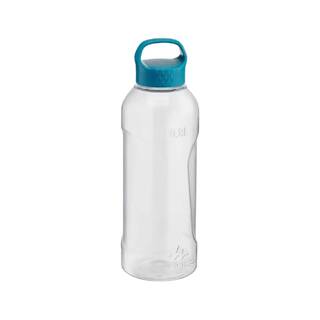
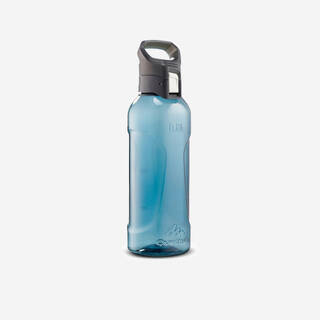
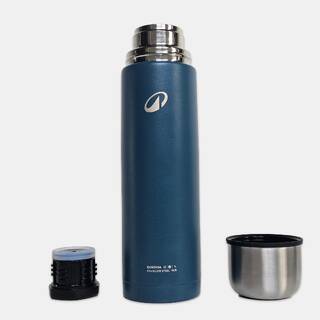
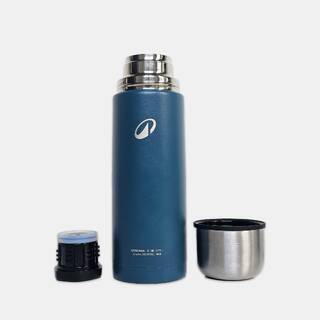
Double-wall vacuum-insulated stainless steel bottles maintain liquid temperatures for 12 hours hot or 24 hours cold, critical for pre-dawn summit pushes requiring warm soup or afternoon hydration with chilled water. Powder-coated exteriors resist scratching from carabiner clips and rock contact, while copper-lined inner walls reflect radiant heat. Wide-mouth 5 cm openings fit standard ice cube trays and simplify cleaning after carrying milky chai or coffee. Leak-proof screw caps with silicone O-rings prevent altitude-induced pressure leaks when ascending from 2,000 to 4,500 meters in single-day gains.
Collapsible Silicone Cookware and Titanium Cutlery for Ultralight Backpacking Under 800 Grams
Food-grade silicone pots and bowls collapse to 3 cm flat profiles, reducing pack volume by 60 percent compared to rigid aluminium equivalents. Heat-resistant silicone rated to 220 degrees Celsius withstands direct flame contact from gas stoves, though thermal conductivity is lower than metal, requiring 20 percent longer boil times. Rigid stainless steel rims maintain shape integrity when pouring boiling water, preventing collapse accidents that spill scalding liquids. Quechua collapsible kettles hold 1 liter when expanded, yet pack into 200-gram bundles fitting inside helmet storage or side pockets.
Titanium sporks and cutlery sets weigh 15 to 25 grams per piece, offering strength-to-weight ratios 45 percent better than stainless steel. Corrosion resistance in saltwater and acidic foods makes titanium ideal for coastal treks along Gokarna or Goa beaches where utensils are rinsed in seawater. Polished edges prevent lip cuts during hurried eating, while matte finishes reduce glare during high-altitude snow camping. Folding designs with locking hinges fit into 12 cm pouches, eliminating the rattle of loose utensils in pack pockets.
Ultralight backpackers targeting sub-5 kg base weights combine collapsible silicone with titanium to achieve full cooksets under 400 grams. This includes a 900 ml pot, 600 ml bowl, spork, and folding cup. Nested storage places the gas canister inside the pot, with the bowl inverted as a lid, maximizing every cubic centimeter. Silicone's flexibility absorbs impact shocks during trail falls, unlike brittle aluminium that dents permanently. For solo trekkers covering 20 km daily across Hampta Pass or Goechala routes, every 100 grams saved translates to reduced shoulder fatigue and faster ascent times.
Water Filtration and Purification: Hollow Fiber Membranes vs UV Sterilization for Indian Stream Sources
Hollow fiber membrane filters with 0.1-micron pore sizes remove 99.9999 percent of bacteria (including E. coli and salmonella) and 99.9 percent of protozoan cysts (giardia and cryptosporidium) from Himalayan streams and Western Ghats springs. Gravity-fed systems process 2 liters in 3 minutes without pumping effort, ideal for base camp setups serving 4 to 6 trekkers. Backflush cleaning extends filter life to 1,000 liters, sufficient for 3-week expeditions when drawing from glacial melt or monsoon runoff. Pre-filters with 200-micron mesh screens trap sediment and organic debris, preventing membrane clogging in turbid monsoon streams carrying silt loads.
UV-C sterilization pens emit 254-nanometer wavelength light that disrupts microbial DNA, neutralizing viruses (which membrane filters cannot block due to sub-0.1-micron size). Battery-powered units treat 1 liter in 90 seconds, requiring clear water for effective UV penetration. Quechua UV purifiers run on rechargeable lithium-ion cells delivering 50 treatment cycles per charge, suitable for hut-to-hut treks with nightly electricity access. Cold water below 5 degrees Celsius reduces UV efficacy by 15 percent, necessitating extended 2-minute treatment times during early-morning Himalayan water collection.
Chemical purification tablets (chlorine dioxide or iodine) offer backup when filters clog or UV batteries deplete. Chlorine dioxide tablets dissolve in 4 hours, killing bacteria, viruses, and cysts without leaving strong aftertastes. Iodine acts faster (30 minutes) but imparts metallic flavor and is contraindicated for pregnant trekkers or those with thyroid conditions. Activated carbon post-filters remove chemical residues and improve taste, though they add 50 grams to pack weight. For monsoon treks where stream turbidity exceeds 50 NTU (nephelometric turbidity units), combining pre-filtration, membrane filtration, and UV treatment ensures potable water from even heavily silted sources.
Insulated Food Containers and Thermal Flasks: Vacuum-Sealed Storage for 8-Hour Temperature Retention
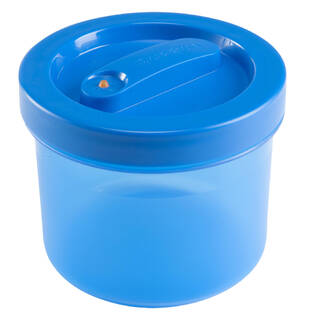
Double-wall vacuum-insulated food jars maintain internal temperatures within 10 degrees Celsius of starting point for 8 hours, allowing pre-cooked dal or rice to stay warm from morning packing to afternoon lunch breaks at 3,500-meter campsites. Stainless steel 304-grade construction resists denting during pack compression and prevents flavor transfer between meals. Wide-mouth 7 cm openings accommodate chunky curries and allow spoon access without spillage, while screw-top lids with silicone gaskets create airtight seals preventing leaks during inverted storage.
Thermal efficiency depends on vacuum integrity and lid design. Single-piece molded lids with minimal threading reduce heat escape points, while double-gasket systems block convective air flow. Quechua insulated containers undergo thermal retention testing, measuring temperature drop from 95 degrees Celsius to 85 degrees over 6 hours in 20-degree ambient conditions. Copper-lined inner walls reflect infrared radiation, boosting retention by 12 percent compared to plain stainless interiors. External powder coating in matte finishes resists scratching from carabiner attachment and provides grip when hands are wet or gloved.
Capacity selection balances meal volume with pack weight. Solo trekkers favor 500 ml jars (300 grams empty) for single-serving portions, while group leaders carry 1-liter models (550 grams) for shared soups or stews. Stackable designs with interlocking bases prevent rolling in tents pitched on sloped ground. For winter expeditions where cooking fuel is rationed, pre-loading hot meals in insulated jars at base camp conserves gas canisters during high-altitude camps. A 750 ml jar holding 90-degree soup at 6 AM retains 75-degree drinkable temperature by 2 PM, eliminating the need for midday stove operation in high winds.
FAQ (Frequently Asked Questions)
Q1. What types of camp stoves does Decathlon offer?
Decathlon offers a wide range of camp stoves, including single-burner stoves for solo hikers, multi-burner stoves for group camping, and various fuel types like butane, propane, and multi-fuel options.
Q2. Are Decathlon's cookware sets durable and easy to clean?
Yes, Decathlon's camp cookware sets are designed to be durable, versatile, and easy to clean. They feature hard-anodized aluminum or non-stick surfaces, and many have compact, nesting designs for easy packing.
Q3. What makes Decathlon's hydration bottles and reservoirs stand out?
Decathlon's hydration bottles and reservoirs are designed to be leak-proof, easy to clean, and built to last. They come in a variety of sizes and styles, including insulated bottles for hot or cold beverages and lightweight reservoirs for hands-free hydration on the move.
Q4. Can I get advice on choosing the right camp cooking and hydration gear?
Absolutely! Decathlon's team of outdoor enthusiasts is always on hand to offer expert advice and guidance, ensuring that you choose the right gear for your needs and get the most out of your investment.
Q5. Are Decathlon's camp cooking and hydration products affordable?
Yes, Decathlon is committed to offering high-quality, affordable outdoor gear, including camp cooking and hydration products. You can expect great value for your money without sacrificing performance or durability.
Q6. Can I use Decathlon's camp stoves and cookware for backpacking or car camping?
Yes, Decathlon's camp cooking gear is designed to be versatile and suitable for various outdoor activities, including backpacking and car camping. The products are lightweight, compact, and easy to pack and carry.
Q7. How do I clean and maintain Decathlon's camp cooking and hydration gear?
Decathlon's camp cooking and hydration gear is designed to be easy to clean and maintain. Follow the specific care instructions provided with each product, and be sure to clean and dry everything thoroughly after use to prevent mold or contamination.
Q8. Does Decathlon offer any accessories for camp cooking and hydration?
Yes, in addition to camp stoves, cookware, and hydration bottles/reservoirs, Decathlon also offers a range of accessories like utensils, cutting boards, camp sinks, and more to make your outdoor cooking and hydration experience even more convenient and enjoyable.
Q9. Can I return or exchange Decathlon's camp cooking and hydration gear if it doesn't meet my needs?
Yes, Decathlon offers a hassle-free return and exchange policy for all its products, including camp cooking and hydration gear. If you're not satisfied with your purchase for any reason, you can return or exchange it according to the policy terms.
Q10. Does Decathlon offer any warranties or guarantees on its camp cooking and hydration products?
Yes, many of Decathlon's camp cooking and hydration products come with warranties or guarantees against manufacturing defects or premature wear and tear. Check the specific product details for warranty information.
Q11. What is the difference between anodized aluminium and stainless steel camp cookware for Indian trekking conditions?
Anodized aluminium transfers heat 3 times faster than stainless steel, reducing fuel consumption and boil times at high altitudes where oxygen is limited. Stainless steel 304-grade offers superior scratch and dent resistance when dropped on rocky terrain, making it more durable for rough handling during multi-week Himalayan expeditions. Anodized surfaces resist corrosion from acidic foods like tamarind and tomato-based curries, while stainless steel requires no special coating maintenance and tolerates metal utensil scraping without surface damage.
Q12. Can isobutane canister stoves work reliably during winter treks in Ladakh or Spiti Valley?
Isobutane-propane canister stoves lose pressure and flame stability below minus 5 degrees Celsius, making them unreliable for winter Himalayan treks. Liquid fuel stoves burning white gas or kerosene operate effectively in sub-zero temperatures because pump-priming builds internal pressure that vaporizes fuel regardless of ambient cold. For winter expeditions, carry a multi-fuel stove with kerosene compatibility, as isobutane canisters may fail to ignite during early-morning cooking sessions in freezing tents.
Q13. How do I prevent hydration bladder hoses from freezing during dawn starts on high-altitude treks?
Insulate the hydration hose with foam sleeves or route it inside your jacket against body heat to prevent freezing in sub-zero temperatures. Blow air back into the bladder after each sip to clear residual water from the tube, as stagnant water freezes faster than moving liquid. Store the bladder inside your sleeping bag at night, and fill it with lukewarm (not boiling) water in the morning to delay freezing during the first 2 hours of trekking.
Q14. What capacity hydration bladder is ideal for full-day treks in the Western Ghats during monsoon season?
A 2-liter hydration bladder provides sufficient water for 6 to 8 hours of moderate trekking in humid monsoon conditions, assuming you refill from streams midway. Larger 3-liter bladders suit dry-season treks or routes with scarce water sources, but add 1 kilogram to pack weight when full. For monsoon treks where natural water sources are abundant, a 2-liter bladder paired with a 500 ml insulated bottle for electrolyte drinks balances hydration needs with pack weight efficiency.
Q15. Do hollow fiber water filters remove viruses from Indian stream water, or do I need additional purification?
Hollow fiber filters with 0.1-micron pores remove bacteria and protozoan cysts but cannot block viruses, which are smaller than 0.02 microns. For viral protection in areas with human or animal contamination (near villages or grazing zones), combine membrane filtration with UV sterilization or chemical tablets. In remote Himalayan glacial streams with minimal biological contamination, hollow fiber filtration alone is generally sufficient for safe drinking water.
Q16. How long does a 230-gram isobutane canister last when boiling water for solo trekking meals?
A 230-gram isobutane-propane canister boils approximately 15 liters of water under ideal conditions (sea level, no wind, covered pot). For solo trekking, this translates to 12 to 15 full meals (assuming 1 liter boiled per meal for dehydrated food rehydration and hot drinks). At high altitude or in windy conditions, efficiency drops by 20 to 30 percent, reducing the canister lifespan to 10 meals. Carry a backup canister for treks exceeding 5 days without resupply access.
Q17. What is the weight difference between a full aluminium cookset and an ultralight titanium setup for backpacking?
A complete aluminium cookset (1-liter pot, 600 ml bowl, lid, and stainless steel spork) weighs approximately 400 to 500 grams. An equivalent titanium setup weighs 250 to 300 grams, saving 150 to 200 grams but at higher cost. For ultralight backpackers targeting sub-5 kg base weights on long-distance trails like the Goechala trek or Hampta Pass circuit, titanium's weight savings reduce shoulder fatigue and improve daily mileage, though aluminium remains more economical for weekend campers.
Q18. Can collapsible silicone pots be used directly on open wood fires during camping in national parks?
Collapsible silicone cookware is rated to 220 degrees Celsius and can withstand gas stove flames, but direct contact with wood fire coals (which exceed 400 degrees) will melt or deform the silicone. Use a grill grate or metal stand to elevate silicone pots above open flames, or switch to stainless steel or cast iron cookware for wood fire cooking. Most Indian national parks prohibit open fires, so gas stoves remain the primary legal cooking method in protected trekking zones.
Q19. How do I clean and maintain a hydration bladder to prevent mold growth during monsoon storage?
After each trek, rinse the bladder with warm water and mild soap, then fill it with a solution of 1 tablespoon baking soda per liter of water and let it sit for 30 minutes to neutralize odors. Hang the bladder upside down with the cap open in a well-ventilated area (not in direct sunlight, which degrades TPU) until completely dry, typically 24 to 48 hours in humid monsoon conditions. Store the bladder in a freezer if not using for extended periods, as freezing temperatures inhibit mold and bacterial growth better than room-temperature cupboard storage.
Q20. What is the advantage of heat exchanger fins on camp stove pots, and do they work with all stove types?
Heat exchanger fins increase the surface area in contact with stove flames, improving heat transfer efficiency by 25 to 30 percent and reducing boil times and fuel consumption. They work best with canister stoves that produce concentrated upward flames, but are less effective with liquid fuel stoves that generate wider, diffused flame patterns. Pots with integrated heat exchangers are slightly heavier (add 50 to 80 grams) but save fuel weight over multi-day treks, making them ideal for expeditions where resupply is limited and every gram of fuel matters.