Camping Stoves and Catridge



Quechua Camping Stoves: Burner Output, Fuel Efficiency, and High-Altitude Ignition Performance
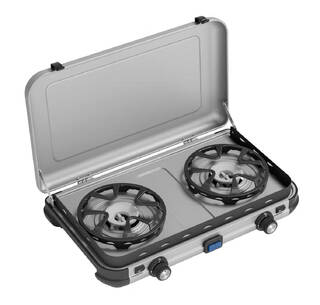
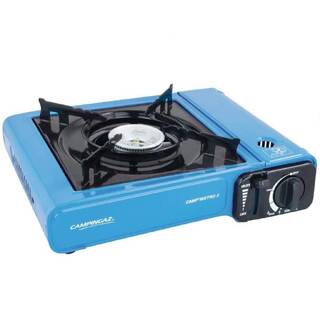
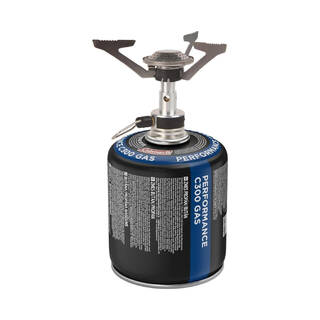
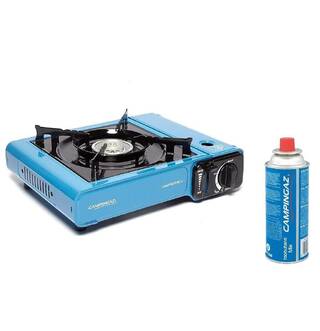
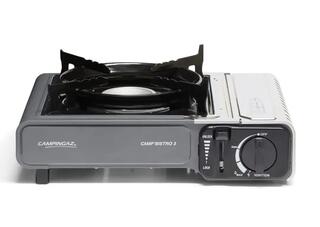
Quechua camping stoves deliver controlled heat output ranging from 1200W compact single-burner units to 2800W dual-burner expedition models, engineered for consistent flame stability across elevations from sea-level coastal camps to 4500m Himalayan base camps. Burner head design incorporates brass flame spreaders with radial perforation patterns that optimize gas-air mixing ratios, ensuring complete combustion efficiency even when ambient oxygen density drops at altitude. Piezo ignition systems eliminate the need for external lighters, with ceramic spark generators rated for 20,000+ strikes in humid monsoon conditions where conventional flint igniters fail. Windshield panels, constructed from anodized aluminium with strategic ventilation slots, maintain thermal zones around the burner while preventing flame extinguishment in sustained winds up to 25 km/h.
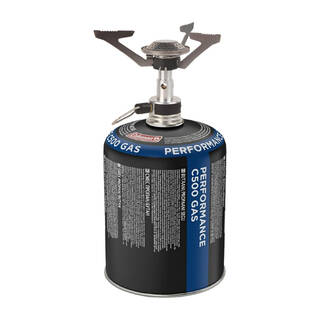
Fuel consumption metrics for Quechua stoves average 90 to 120 grams of butane-propane mix per hour at full output, translating to approximately 1.5 litres of boiling water per 230g cartridge under controlled conditions. Valve assemblies feature micro-adjustment brass stems that allow precise flame modulation from simmer settings (400W) for rice cooking to rapid boil outputs for large group meal prep. Folding pot supports are laser-cut from stainless steel with anti-slip notches, accommodating cookware diameters from 12cm solo cups to 24cm family pots without stability compromise. Compact folding stoves collapse to dimensions under 12cm x 10cm x 8cm, fitting into side pockets of trekking backpacks without adding bulk to main compartment gear organization.
Butane-Propane Cartridge Compatibility: Threaded Valve Systems, Pressure Ratings, and Cold-Weather Performance
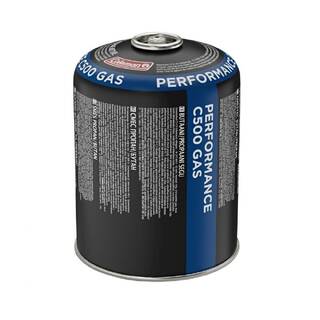
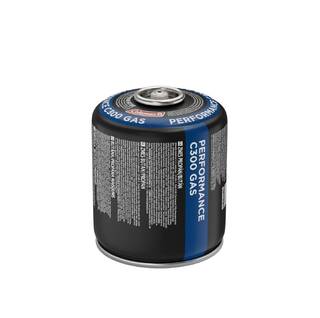
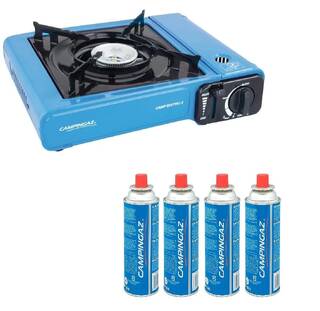
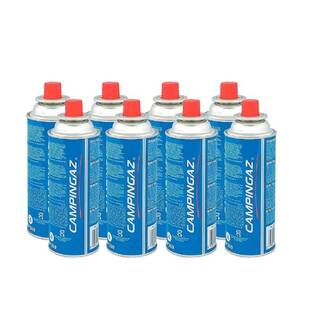
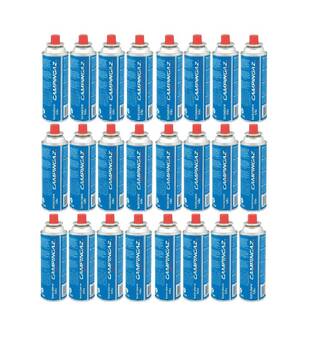
Decathlon camping cartridges utilize EN417 threaded valve standards, ensuring universal compatibility across Quechua, Forclaz, and third-party stove systems sold throughout India. Cartridge internal pressure ratings range from 3.5 to 4.5 bar at 20°C ambient temperature, with butane-propane blends (typically 70/30 or 80/20 ratios) selected to maintain vapor pressure across temperature gradients encountered during Ladakh summer treks or Western Ghats monsoon camps. Pure butane cartridges lose vaporization efficiency below 5°C, while propane-enriched blends sustain consistent gas flow down to negative 10°C, critical for dawn cooking sessions at high-altitude campsites where overnight temperatures plummet.
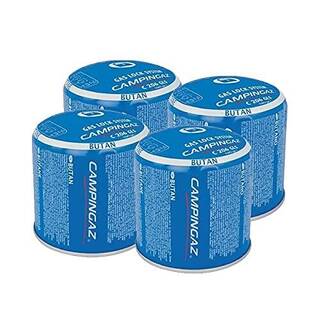
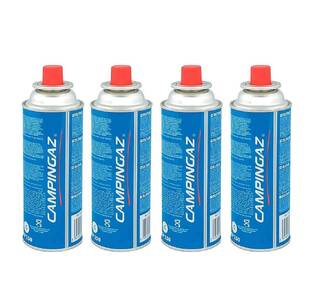
Cartridge construction employs cold-rolled steel shells with internal epoxy-phenolic linings that resist corrosion from moisture ingress during multi-month storage in humid coastal regions. Threaded brass valves incorporate self-sealing elastomer gaskets that prevent micro-leaks during cartridge changes, a safety feature that eliminates gas escape when detaching partially used cartridges for transport. Standard cartridge weights include 100g, 230g, and 450g capacities, with the 230g format providing optimal weight-to-fuel balance for 3 to 4 day treks where resupply access is limited. Cartridge disposal follows puncture-and-recycle protocols, with empty canisters requiring full depressurization before disposal to prevent landfill hazards.
Multi-Fuel Stove Systems: Liquid Fuel Compatibility, Jet Nozzle Configurations, and Field Maintenance Protocols
Advanced Quechua multi-fuel stoves accept both pressurized cartridges and liquid fuels (white gas, kerosene, unleaded petrol) through interchangeable jet nozzle systems, offering fuel flexibility for extended expeditions where cartridge resupply is unreliable. Liquid fuel operation requires manual pump pressurization of aluminum fuel bottles to 2.5 bar, forcing vaporized fuel through calibrated brass jets with orifice diameters ranging from 0.28mm for white gas to 0.35mm for kerosene. Pre-heat loops positioned above the burner vaporize liquid fuel before combustion, preventing flare-ups and soot accumulation on cookware bases. Fuel line assemblies use reinforced synthetic rubber tubing rated for hydrocarbon resistance and flexibility down to negative 20°C.
Field maintenance kits include jet cleaning wires, spare O-rings, and pump leather replacement components, allowing users to restore stove function during multi-week treks without access to service centers. Jet nozzle swaps take under 60 seconds using integrated wrench tools stored in stove base compartments. Kerosene operation produces higher soot loads compared to white gas, requiring burner head cleaning every 15 to 20 hours of runtime to maintain optimal flame patterns. Multi-fuel stoves weigh between 350g and 450g, heavier than cartridge-only models but justified by fuel versatility in remote regions like Spiti Valley or Zanskar where cartridge availability is inconsistent.
Integrated Cookware Systems: Heat Exchanger Fins, Nesting Storage, and Boil Time Optimization
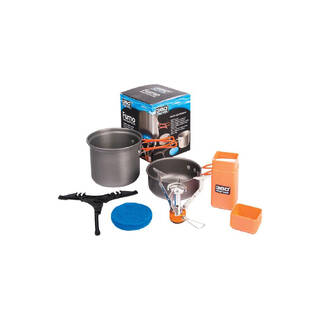
Quechua integrated stove-cookware systems combine burner units with hard-anodized aluminum pots featuring external heat exchanger fins that increase surface area contact with flame gases, reducing boil times by 30 to 40 percent compared to flat-bottom cookware. Fin geometries use radial or spiral patterns with 2mm spacing, channeling hot exhaust gases along pot sidewalls to capture thermal energy that would otherwise dissipate into ambient air. Pot capacities range from 0.6 litre solo systems to 1.8 litre duo setups, with nesting designs that allow the stove burner, cartridge, and fuel canister to pack inside the pot body, creating a single compact unit measuring 12cm diameter by 14cm height.
Insulated cozy sleeves constructed from closed-cell foam with reflective foil liners wrap around pots during cooking, reducing radiant heat loss and cutting fuel consumption by 15 to 20 percent during simmering phases. Lid assemblies incorporate silicone-sealed strainer holes and flip-open drink spouts, enabling single-hand operation while wearing gloves in cold conditions. Integrated systems achieve 1 litre boil times under 4 minutes at sea level using 230g cartridges, with efficiency gains most pronounced during high-altitude use where longer boil times would otherwise drain fuel reserves. Pot handles use insulated polymer grips that remain cool to touch even during extended cooking sessions, eliminating the need for pot grippers or cloth wraps.
Safety Features and Regulatory Compliance: Pressure Relief Valves, Cartridge Locking Mechanisms, and CE Certification Standards
Decathlon camping stoves meet CE EN521 safety standards for portable gas appliances, with design validations covering flame stability, cartridge connection integrity, and thermal runaway prevention. Cartridge attachment systems use bayonet-lock or threaded screw mechanisms with visual and tactile confirmation indicators, preventing accidental disconnection during operation when vibrations or handling could dislodge unsecured cartridges. Pressure relief valves integrated into stove bodies vent excess gas pressure if burner blockages or external heating cause internal pressure spikes above safe thresholds, preventing catastrophic cartridge rupture.
Stove bases incorporate wide-footprint tripod or quad-leg designs with rubberized contact pads that distribute load across soft ground surfaces, preventing tip-over incidents when cookware weight shifts during stirring. Flame-out safety mechanisms in select models automatically shut off gas flow if wind gusts extinguish the burner, preventing tent interiors from filling with unburned propane. Cartridge storage guidelines mandate keeping spare cartridges in shaded, ventilated locations away from direct sunlight, as prolonged UV exposure and heat buildup can elevate internal pressures beyond design limits. Users must inspect cartridge threads and valve seals for damage or debris before each connection, as compromised seals are the primary cause of field gas leaks.
Stove Selection for Indian Trekking Environments: Monsoon Humidity, Dust Ingress Protection, and Altitude Compensation
Indian trekking conditions impose specific demands on stove reliability, from 95 percent relative humidity during Meghalaya monsoon camps to fine dust infiltration on Rajasthan desert treks. Stove valve assemblies benefit from silicone gasket seals rather than rubber compounds, as silicone maintains elasticity through humidity cycling that causes rubber to swell and degrade. Piezo ignition systems with sealed ceramic insulators resist moisture-induced spark failure, whereas exposed electrode designs short-circuit when condensation bridges the spark gap. Burner heads with recessed flame ports prevent wind-driven rain from flooding the combustion zone, maintaining ignition even during sudden downpours common in Uttarakhand and Himachal Pradesh.
Altitude compensation becomes critical above 3000m, where reduced atmospheric pressure lowers the boiling point of water to 90°C at 3000m and 85°C at 4500m, extending cook times for rice and lentils that require sustained temperatures for starch gelatinization. Stoves with higher peak outputs (2500W+) compensate for heat loss in thin air, though fuel efficiency drops as incomplete combustion increases at altitude. Dust ingress protection requires post-trek cleaning of valve threads and burner orifices using compressed air or soft brushes, as Ladakh's fine silt particles infiltrate tight tolerances and cause valve sticking. Carrying a compact maintenance kit with spare O-rings and jet cleaning tools prevents minor issues from ending a trek prematurely when the nearest gear shop is 200 kilometers away.
FAQ (Frequently Asked Questions)
Q1. What are the different fuel types available for camping stoves?
Decathlon offers camping stoves that use various fuel types, including butane, propane, white gas, kerosene, and solid fuel tablets. Each fuel type has its own advantages and considerations, so it's important to choose the one that best suits your needs and camping environment.
Q2. How do I determine the right stove size for my needs?
The right stove size depends on the number of people you'll be cooking for and the types of meals you plan to prepare. Generally, a larger stove with multiple burners is better for groups, while a compact single-burner stove is suitable for solo or couples' camping trips.
Q3. Can I use my camping stove indoors or in a tent?
No, camping stoves should never be used indoors or inside a tent. They produce carbon monoxide and other harmful gases, which can quickly build up in enclosed spaces. Always use your camping stove outdoors, with proper ventilation.
Q4. How do I properly store and transport fuel cartridges?
Fuel cartridges should be stored and transported in a cool, dry place, away from heat sources and direct sunlight. Always keep them upright and secure them to prevent leaks or damage during transportation.
Q5. Can I use my camping stove in windy conditions?
Many of Decathlon's camping stoves are designed with windproof burners and efficient heat exchange systems to perform well in windy conditions. However, it's always best to set up your stove in a sheltered area or use a windscreen to protect the flame and ensure optimal performance.
Q6. How do I clean and maintain my camping stove?
Proper cleaning and maintenance are essential for ensuring your camping stove's longevity and performance. Always follow the manufacturer's instructions, but generally, you should keep the stove clean, free from debris, and store it in a dry place when not in use. Regular inspections for leaks or damage are also recommended.
Q7. Can I use my camping stove for activities other than camping?
Absolutely! Camping stoves can be versatile and useful for various outdoor activities, such as picnics, tailgating, or even emergency preparedness. Their compact size and portability make them a convenient cooking solution in many situations.
Q8. How long do fuel cartridges typically last?
The lifespan of a fuel cartridge depends on various factors, such as the stove's fuel efficiency, the number of burners, and the duration and intensity of use. Generally, a standard cartridge can last anywhere from a few hours to several days, depending on your cooking needs.
Q9. What safety precautions should I take when using a camping stove?
Safety should always be a top priority when using a camping stove. Follow the manufacturer's instructions, ensure proper ventilation, keep the stove away from flammable materials, and never leave it unattended while in use. Additionally, let the stove cool down completely before packing it away or storing it.
Q10. Can I purchase replacement parts or accessories for my camping stove?
Yes, Decathlon offers a range of replacement parts and accessories for many of our camping stoves, such as windscreens, carrying cases, and repair kits. These can help extend the life of your stove and ensure optimal performance during your outdoor adventures.
Q11. Which butane-propane cartridge size should I choose for a 5-day Himalayan trek with two people?
For two people over 5 days, plan for approximately 450 to 600 grams of fuel total, assuming two hot meals daily plus morning tea or coffee. Carry one 450g cartridge or two 230g cartridges for redundancy. Actual consumption varies with altitude, wind exposure, and cookware efficiency, so add a 20 percent buffer for high-altitude camps above 3500m where boil times increase.
Q12. Can I use Decathlon camping stoves inside a tent during monsoon rains?
Never operate any fuel-burning stove inside a closed tent due to carbon monoxide accumulation and fire risk from open flames near synthetic tent fabrics. Cook in the tent vestibule with maximum ventilation, or use a tarp-covered cooking area separate from sleeping quarters. Even well-ventilated vestibules require caution, as propane is heavier than air and can pool in low spots.
Q13. How do I prevent my camping stove from clogging with dust on Ladakh or Spiti Valley treks?
Store the stove in a sealed stuff sack or plastic bag when not in use to prevent fine silt infiltration into valve threads and burner ports. After each trek day, use a soft brush or compressed air to clear visible dust from the burner head and cartridge connection threads. Carry a jet cleaning wire in your repair kit to clear blocked orifices if flame patterns become irregular or yellow-tinted, indicating incomplete combustion.
Q14. What is the difference between Quechua single-burner and dual-burner camping stoves?
Single-burner stoves weigh 180 to 250 grams and suit solo trekkers or couples cooking simple one-pot meals, with outputs around 1200 to 1500W. Dual-burner models weigh 800 to 1200 grams, deliver 2400 to 2800W combined output, and allow simultaneous cooking of multiple dishes for groups of 4 to 6 people at base camps. Dual-burner units require stable, flat surfaces and consume fuel faster, making them better suited for car camping than backpacking.
Q15. Why does my stove flame turn yellow or produce soot on my cookware at high altitude?
Yellow flames and soot indicate incomplete combustion caused by insufficient oxygen mixing with fuel gas, common above 3500m where atmospheric oxygen density drops. Ensure burner air intake vents are clear of debris, and consider switching to a stove with a larger burner head or pre-heat loop that improves fuel vaporization. Some soot accumulation is normal with kerosene or at extreme altitude, requiring periodic burner cleaning.
Q16. Can I refill disposable butane-propane cartridges to save costs on long expeditions?
Refilling disposable threaded cartridges is unsafe and violates pressure vessel safety standards, as cartridges lack the structural reinforcements and pressure relief mechanisms of refillable cylinders. Overfilling risks cartridge rupture, and contamination from improper transfer equipment can introduce moisture or air that degrades stove performance. Use manufacturer-sealed cartridges for reliability and safety, and dispose of empties properly after full depressurization.
Q17. How do I know when a camping gas cartridge is empty or needs replacement?
Cartridge weight is the most reliable indicator. A new 230g cartridge weighs approximately 370 grams total (cartridge plus fuel), dropping to 140 grams when empty. Flame output weakens noticeably as fuel depletes, with the stove struggling to maintain a strong blue flame even at full valve opening. Shaking the cartridge produces no sloshing sound when empty, though some residual pressure remains requiring safe disposal procedures.
Q18. What maintenance should I perform on my camping stove after a monsoon trek?
Disassemble the burner head and valve assembly, then clean all components with warm soapy water to remove mud, soot, and organic debris. Dry thoroughly using compressed air or a clean cloth, paying attention to valve threads and O-ring grooves where moisture causes corrosion. Inspect O-rings for cracks or compression set, replacing any that show wear. Apply a thin layer of silicone grease to threads and moving parts, then test-fire the stove outdoors before storage.
Q19. Are Quechua camping stoves compatible with international gas cartridge brands available outside India?
Yes, Quechua stoves using EN417 threaded connections accept any cartridge meeting this European standard, widely adopted by brands across Asia, Europe, and North America. Bayonet-style cartridges (common in some Asian markets) require dedicated bayonet-compatible stoves. Always verify thread compatibility before purchasing cartridges abroad, and avoid mixing cartridge types as adapters introduce leak points and safety risks.
Q20. Can I use a camping stove in winter conditions below freezing temperatures?
Standard butane-propane cartridges lose vaporization efficiency below 5°C, with pure butane failing completely near freezing. For sub-zero use, choose cartridges with higher propane content (30 percent or more) that maintain vapor pressure down to negative 10°C. Keep cartridges warm inside your sleeping bag before use, and consider inverting the cartridge (if stove design allows) to draw liquid fuel rather than vapor, though this requires stoves with pre-heat loops to prevent flare-ups.