Winter Caps for Adults
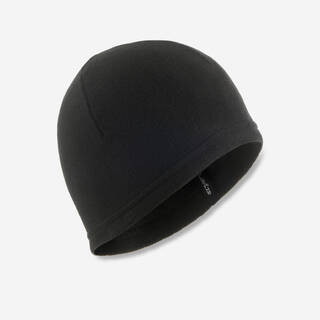
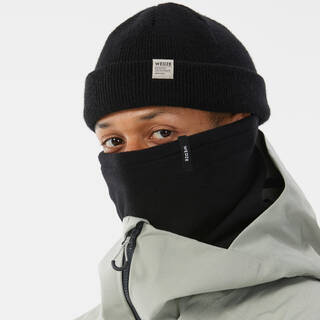
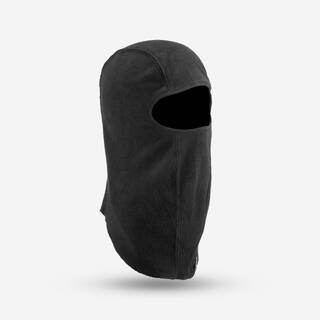
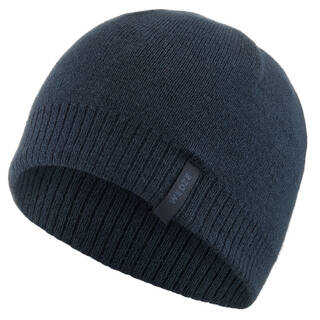
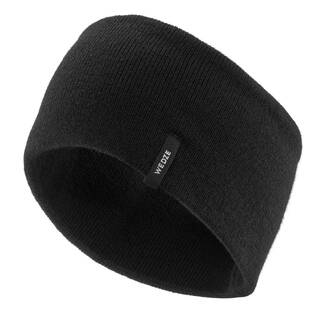
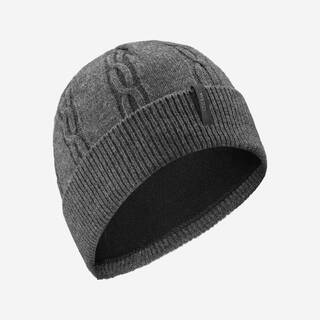
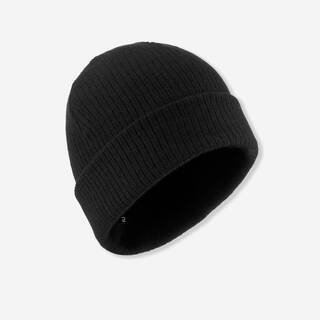
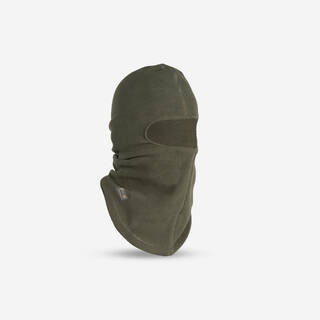
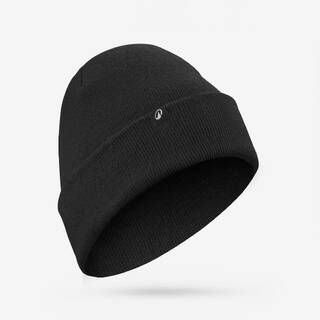
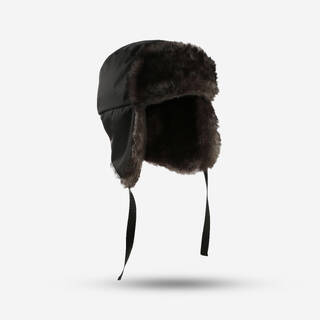
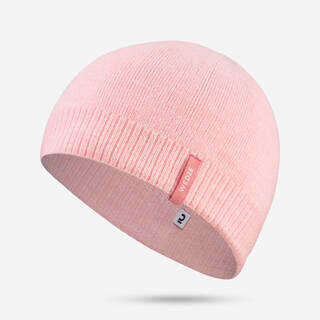
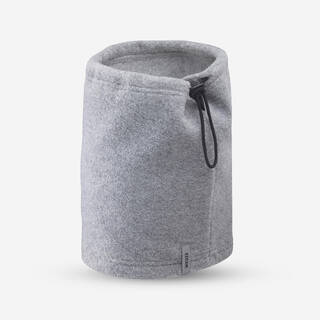
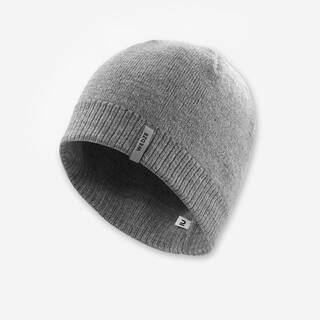
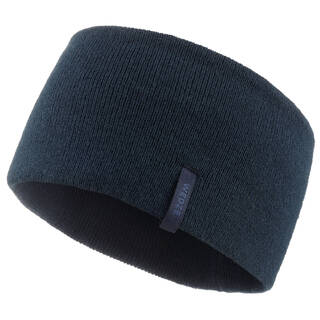
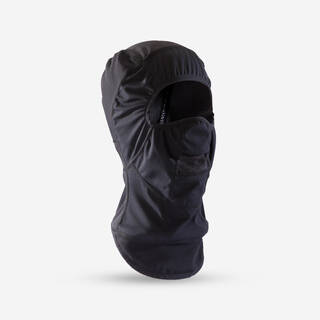
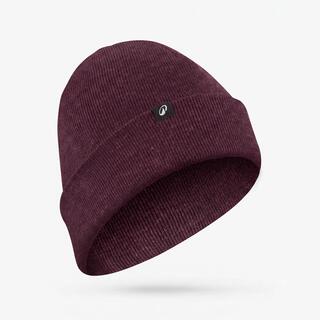
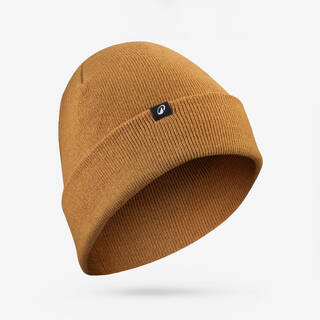
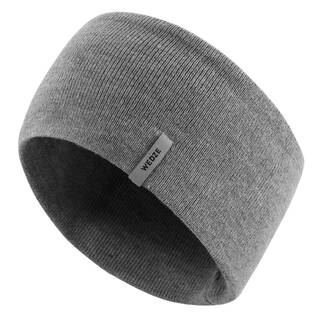
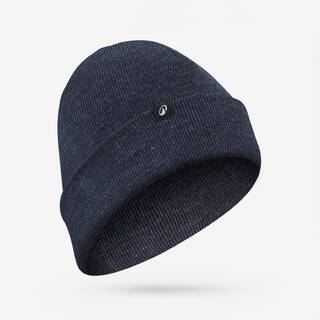

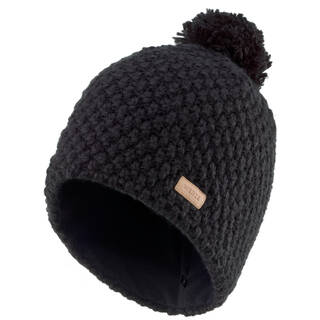
Thermal Insulation Engineering for Indian Winter Conditions
Winter caps designed for Indian climates must balance thermal retention with moisture evacuation across vastly different altitude zones. A Himalayan trekker at 4,000 meters faces subzero windchill and UV exposure, while a Delhi cyclist encounters dry cold mornings with rapid temperature swings by midday. Decathlon's Quechua and Forclaz winter caps deploy specific insulation architectures: microfleece linings with 150 to 200 GSM densities for base-layer warmth, synthetic hollow-fiber fills that trap air pockets without adding bulk, and windproof outer shells using ripstop polyester with DWR (Durable Water Repellent) coatings rated to 1,500mm hydrostatic head. These constructions prevent convective heat loss through tight-knit fabrics while allowing perspiration vapor to escape during high-exertion activities like trail running or alpine scrambling.
Thermal efficiency hinges on coverage geometry and fit precision. Caps with extended ear flaps and rear neck gaiters eliminate heat escape zones around the temporal arteries and cervical spine, where blood vessels sit close to skin surface. Adjustable drawcords and elastic bindings ensure secure positioning during windy ridge crossings or fast descents. For urban commuters and gym-goers, lighter 100 to 120 GSM merino wool blends offer natural thermoregulation without overheating in heated indoor spaces. Reflective logos and strips enhance low-light visibility during early morning or evening outdoor sessions, critical for road safety in Indian traffic conditions.
Quechua and Forclaz Winter Cap Technologies for Trekking and Mountaineering
Quechua's mountain heritage informs every design parameter in their winter headwear lineup. The brand's signature caps integrate multi-layer laminate structures: an outer windproof membrane (typically 20D ripstop nylon), a mid-layer synthetic insulation batt (40 to 60 grams per square meter), and an inner moisture-wicking jersey knit. This three-layer system blocks wind speeds up to 50 km/h while maintaining breathability ratings above 10,000 g/m²/24h (MVTR). Forclaz models add articulated crown panels that reduce pressure points during prolonged wear under helmet straps or headlamp bands, essential for multi-day Himalayan expeditions where gear layering becomes complex.
Seam construction quality determines durability in abrasive mountain environments. Flatlock stitching on interior seams prevents chafing against forehead and temple skin during 8 to 10 hour trekking days. Reinforced brim edges resist fraying when caps are stuffed into backpack pockets or compressed under load. Antimicrobial treatments on inner linings (often silver-ion or polygiene technologies) inhibit odor-causing bacteria growth across multi-day use without washing access. Packability matters for weight-conscious trekkers: a well-designed winter cap compresses to fist size and weighs between 40 to 80 grams, fitting easily into jacket pockets or hip belt pouches.
Urban Cycling and Running Winter Caps with Helmet Compatibility
Cyclists and runners demand winter caps that fit seamlessly under helmets without compromising safety or comfort. Low-profile designs with minimal crown height (typically 8 to 10 cm uncompressed) slide beneath helmet retention systems without lifting the shell away from the skull. Stretchy fabrics incorporating 10 to 15 percent elastane ensure snug conformity to head contours while accommodating different helmet shapes. Ear coverage becomes critical for maintaining core body temperature during high-speed descents or exposed road sections where windchill amplifies cold stress. Caps with partial ear flaps or convertible designs allow riders to adjust coverage based on pace and ambient conditions.
Moisture management takes priority during aerobic winter activities. Synthetic polyester blends with hydrophobic yarn treatments wick sweat away from skin within seconds, preventing the cooling effect of saturated fabric against the scalp. Mesh ventilation panels positioned at crown apex or temporal zones enhance airflow during climbs or interval efforts. Reflective elements integrated into fabric weaves or printed logos boost visibility in India's poorly lit urban roads and rural highways. For early morning runners facing Delhi's winter fog or Bangalore's pre-dawn darkness, 360-degree reflectivity provides critical safety margins. Lightweight construction (30 to 50 grams) ensures the cap disappears perceptually during long runs, eliminating distraction from form and pacing.
Merino Wool Versus Synthetic Insulation for Indian Winter Sports
Material selection fundamentally alters thermal performance and maintenance requirements. Merino wool caps offer natural thermoregulation through crimped fiber structures that trap air while allowing moisture vapor transmission. Wool's hygroscopic properties enable it to absorb up to 30 percent of its weight in moisture before feeling wet, making it ideal for stop-and-go activities like bouldering or ski touring where exertion levels fluctuate. The fiber's natural crimp creates loft without synthetic batting, and lanolin residues provide inherent antimicrobial protection. However, merino requires careful washing (cold water, gentle cycles) and air drying to prevent felting and shrinkage.
Synthetic insulation caps using polyester or acrylic fibers deliver faster drying times and superior durability in harsh conditions. These materials retain insulating properties even when damp, critical during monsoon-tail weather or unexpected Himalayan snow squalls. Synthetic caps withstand repeated machine washing at higher temperatures, simplifying maintenance for frequent users. Hollow-core polyester fibers mimic wool's air-trapping mechanism while weighing 20 to 30 percent less. For high-output activities like trail running or cross-country skiing, synthetic blends with mesh panels prevent overheating. Budget-conscious athletes benefit from synthetic caps' lower replacement costs and longer service life (typically 3 to 5 seasons of regular use versus 2 to 3 for merino). Hybrid constructions combining merino inner linings with synthetic outer shells optimize both comfort and weather protection.
Fit Profiles and Sizing for Indian Head Dimensions
Proper fit ensures thermal efficiency and prevents headaches during extended wear. Indian head circumferences typically range from 54 to 60 cm for adults, with regional variations based on genetic heritage. Decathlon winter caps use stretch-knit constructions that accommodate this range without requiring multiple size SKUs. Caps labeled as 'one size fits most' generally fit circumferences between 55 to 59 cm comfortably. Athletes at the extremes (below 54 cm or above 60 cm) should test fit carefully, checking that ear flaps cover the entire auricle and that crown fabric doesn't pull taut across the skull apex.
Depth and coverage area vary by intended use. Shallow beanies (10 to 12 cm depth) suit urban wear and low-intensity activities, sitting above the ears with minimal neck coverage. Deep expedition caps (14 to 16 cm depth) extend over ears and down the nape, providing maximum thermal protection for high-altitude or extreme cold exposure. Adjustable models with drawcords or elastic toggles allow users to customize fit tension and coverage. For athletes wearing prescription glasses, caps with higher front profiles prevent frame temples from being compressed painfully against the skull. Testing fit involves wearing the cap for 15 to 20 minutes during light activity to identify pressure points or slippage issues before committing to longer outdoor sessions.
Care and Maintenance for Extended Winter Cap Lifespan
Proper maintenance preserves insulation loft and fabric integrity across multiple seasons. Synthetic caps tolerate machine washing in cold to warm water (30 to 40 degrees Celsius) with mild detergents free of fabric softeners, which coat fibers and reduce moisture-wicking performance. Air drying on flat surfaces prevents stretching, while tumble drying on low heat can restore loft to synthetic insulation. Merino wool caps require hand washing or delicate machine cycles in cold water with wool-specific detergents containing lanolin. Never wring wool caps; instead, press excess water out gently and reshape while damp before air drying away from direct heat sources.
Storage between seasons affects long-term performance. Clean caps thoroughly before storage to remove body oils, sweat salts, and environmental contaminants that attract moths (for wool) or degrade synthetic fibers. Store in breathable cotton bags or open shelves rather than sealed plastic containers, which trap moisture and encourage mildew growth. Inspect caps annually for worn elastic, frayed seams, or compressed insulation. Minor repairs like restitching seams or replacing drawcords extend usable life by 1 to 2 seasons. Caps showing significant pilling, permanent odors despite washing, or loss of stretch elasticity (fabric doesn't return to original shape after stretching) should be retired, as compromised materials no longer provide adequate thermal protection or comfort.
FAQ (Frequently Asked Questions)
Q1. What materials are Decathlon's winter caps made from?
Our winter caps are crafted from a variety of high-quality materials, including wool blends, acrylic, fleece, and moisture-wicking synthetic fabrics. The specific materials used will depend on the style and intended use of the cap.
Q2. Are Decathlon's winter caps suitable for outdoor activities?
Absolutely! Many of our winter caps are designed specifically for outdoor activities like skiing, hiking, and winter sports. They offer superior insulation, moisture-wicking properties, and in some cases, added features like reflective details for enhanced visibility and safety.
Q3. Can I machine wash my Decathlon winter cap?
Most of our winter caps can be machine-washed on a gentle cycle, but it's always best to check the care label for specific instructions. Avoid using fabric softeners or bleach, and air-drying is generally recommended to preserve the cap's insulating properties.
Q4. Do Decathlon's winter caps come in different sizes?
Yes, our winter caps are available in various sizes to ensure a comfortable and secure fit. Some styles also feature adjustable closures or stretchy materials to accommodate different head sizes.
Q5. Can I return or exchange a Decathlon winter cap if it doesn't fit properly?
Absolutely! At Decathlon, we want you to be completely satisfied with your purchase. If a winter cap doesn't fit properly or doesn't meet your expectations, you can return or exchange it according to our return policy.
Q6. Are Decathlon's winter caps suitable for both men and women?
Yes, our winter cap collection includes styles suitable for both men and women. While some designs may be more gender-specific, many of our caps are unisex and can be worn by anyone.
Q7. Do Decathlon's winter caps offer any special features or technologies?
Some of our winter caps incorporate special features or technologies to enhance their performance and functionality. These may include moisture-wicking fabrics, fleece linings for added warmth, reflective details for visibility, and adjustable closures for a customized fit.
Q8. Can I find winter caps for children at Decathlon?
Yes, in addition to our adult winter cap collection, we also offer a range of winter caps designed specifically for children. These caps prioritize comfort, warmth, and safety, while also incorporating fun and playful designs.
Q9. Does Decathlon offer any accessories to complement their winter caps?
Absolutely! At Decathlon, we offer a wide range of complementary accessories to complete your winter outfit, such as scarves, gloves, and balaclavas. These accessories are designed to work seamlessly with our winter caps, providing maximum warmth and protection.
Q10. Can I find eco-friendly or sustainable winter caps at Decathlon?
Yes, we are committed to offering eco-friendly and sustainable options across our product range, including our winter cap collection. Look for caps made from recycled materials or sustainable fibers like organic cotton or bamboo.
Q11. Which winter cap works best for Himalayan treks above 3,500 meters?
Choose Quechua or Forclaz models with windproof outer shells rated to 1,500mm hydrostatic head, extended ear flaps, and insulation weights between 150 to 200 GSM. Look for adjustable drawcords to secure fit in high winds and ensure the cap compresses small enough to fit in your jacket pocket during warmer midday temperatures. Synthetic insulation performs better than merino wool if you encounter unexpected snow or moisture.
Q12. Can I wear a winter cap under my cycling helmet safely?
Yes, but select low-profile designs with crown heights under 10 cm and stretchy fabrics containing elastane for snug fit. The cap should not lift your helmet away from your skull or interfere with the retention system's adjustment range. Test the combination indoors first, ensuring the helmet still sits level and doesn't rock side to side.
Q13. How do I choose between merino wool and synthetic winter caps?
Merino wool suits variable-intensity activities like hiking or casual wear, offering natural odor resistance and comfort across temperature swings. Synthetic caps dry faster, cost less, withstand rougher washing, and retain warmth when damp, making them better for high-sweat activities like running or cycling. Consider synthetic if you need frequent washing or face wet conditions regularly.
Q14. What size winter cap fits Indian head dimensions?
Most Decathlon winter caps in one-size-fits-most designs accommodate head circumferences from 55 to 59 cm, covering the majority of Indian adults. Measure your head circumference just above the eyebrows and ears with a flexible tape. If you fall below 54 cm or above 60 cm, test the cap's stretch carefully to ensure ear flaps cover completely without pulling taut across the crown.
Q15. Do winter caps work for morning runs in Delhi or Bangalore cold?
Absolutely. Choose lighter 100 to 120 GSM caps with moisture-wicking synthetic blends or merino wool for Delhi's dry cold (5 to 10 degrees Celsius) or Bangalore's milder mornings (12 to 15 degrees Celsius). Look for reflective elements for low-light visibility and ensure the cap weighs under 50 grams so it doesn't distract during long runs. Partial ear coverage often suffices for these moderate conditions.
Q16. How often should I wash my winter cap?
Wash synthetic caps after every 3 to 5 uses or when you notice odor buildup. Merino wool caps can go 5 to 8 uses before washing due to natural antimicrobial properties. Always wash before end-of-season storage. Use cold water and mild detergent, avoiding fabric softeners that reduce moisture-wicking performance.
Q17. Can winter caps prevent heat loss during high-altitude trekking?
Winter caps significantly reduce convective and radiative heat loss from the head and neck, areas where blood vessels run close to the skin surface. Models with extended ear flaps and rear neck coverage prevent heat escape from temporal arteries and cervical spine. However, they work as part of a layering system and cannot compensate for inadequate insulation in your jacket or base layers.
Q18. What makes Quechua winter caps different from regular beanies?
Quechua caps integrate technical features like windproof outer membranes, calibrated insulation weights (40 to 60 grams per square meter), flatlock interior seams to prevent chafing, and antimicrobial treatments for multi-day use. They're engineered for mountain conditions with specific breathability ratings (above 10,000 g/m²/24h MVTR) and packability for trekking. Regular beanies typically lack these performance specifications and use simpler single-layer knit constructions.
Q19. How long do Decathlon winter caps typically last with regular use?
Synthetic caps last 3 to 5 seasons with proper care (regular washing, air drying, correct storage). Merino wool caps typically last 2 to 3 seasons before pilling and fiber degradation reduce performance. Lifespan depends on use frequency, washing practices, and storage conditions. Replace caps when elastic loses stretch, insulation compresses permanently, or fabric develops holes or persistent odors despite washing.
Q20. Are winter caps necessary for indoor gym workouts during winter?
Not typically, as most gyms maintain temperatures between 20 to 24 degrees Celsius. However, lightweight caps (30 to 50 grams) with minimal insulation help during warm-up phases or if you're transitioning directly from cold outdoor commutes. Choose thin synthetic or merino blends that wick sweat effectively and avoid overheating once your workout intensity increases.