Women Running Shoes

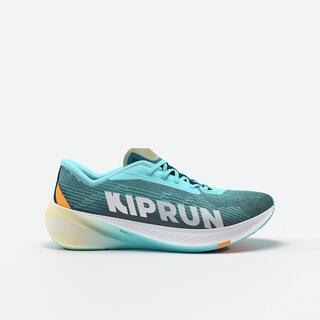
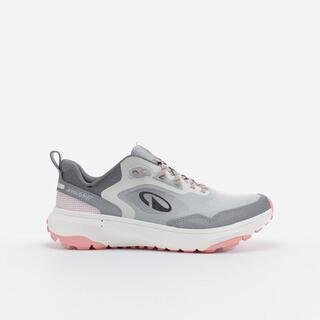
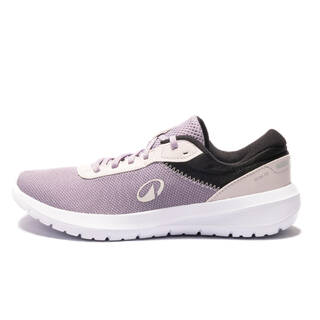
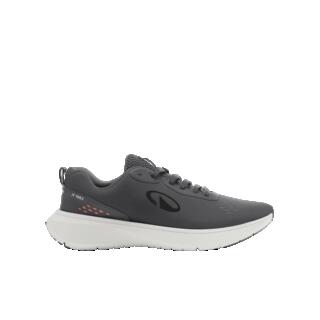
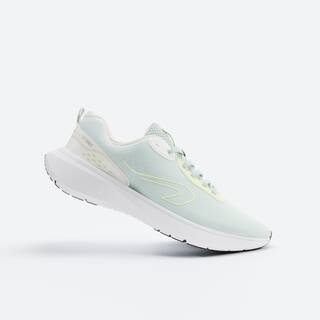
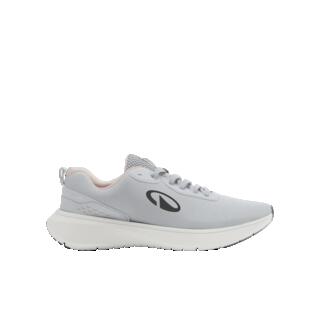
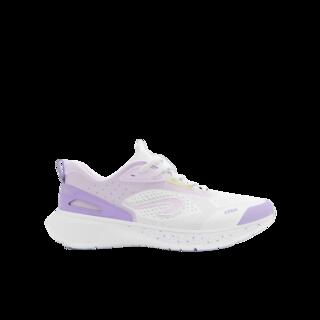
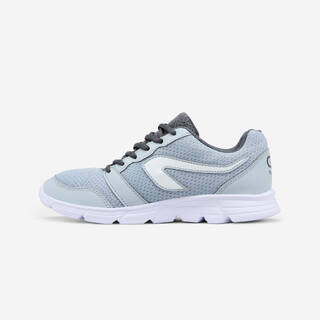
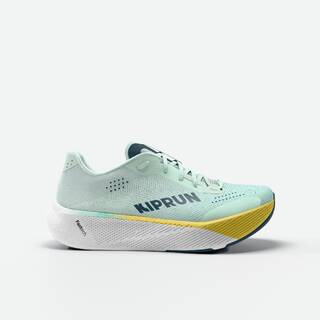
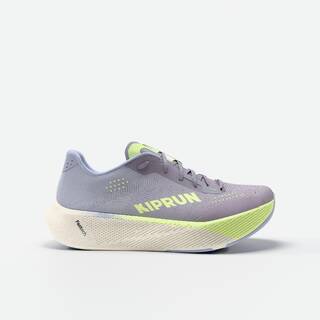
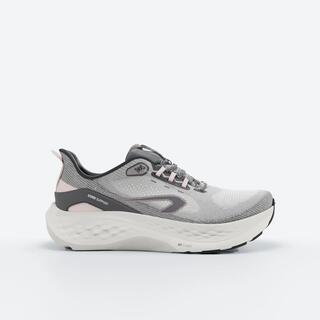
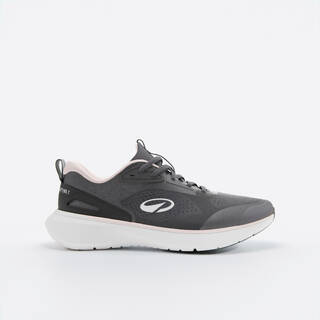
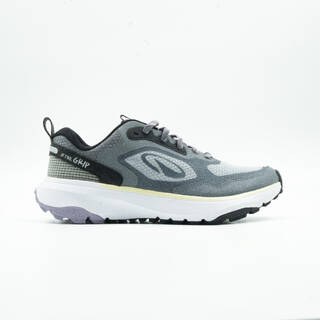
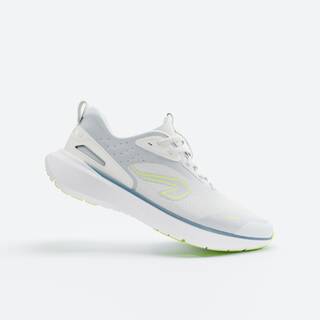
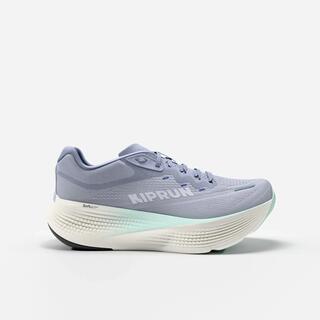
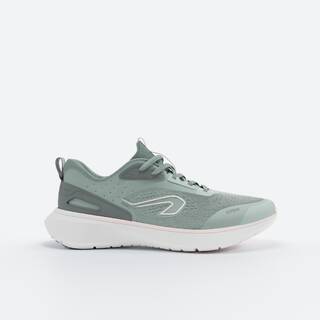

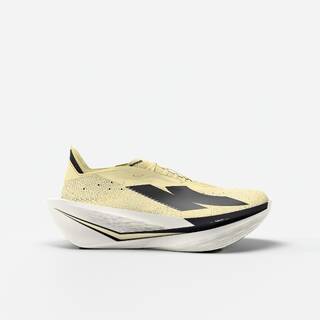
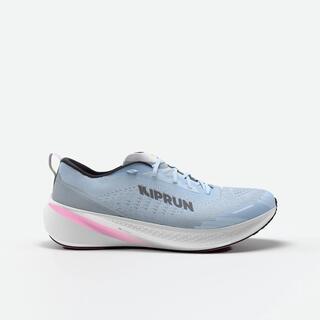
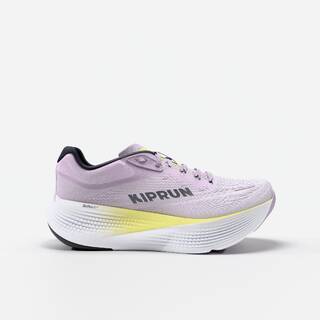
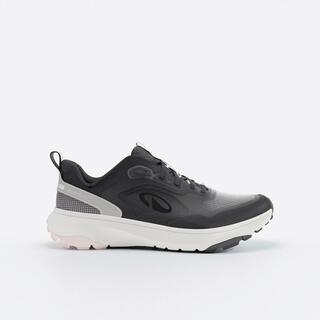



Engineered Cushioning Systems for Indian Road Surfaces
Indian concrete and asphalt roads generate impact forces equivalent to 2 to 3 times body weight with every foot strike. Women's running shoes from Kiprun and Kalenji deploy dual-density EVA midsoles with strategic firmness gradients. Softer lateral EVA (Shore A 45-50) absorbs initial shock. Firmer medial EVA (Shore A 55-60) prevents excessive pronation collapse during push-off. This layered construction helps attenuate repetitive loading cycles across 500 to 800 kilometer wear intervals.
Heel-to-toe drop measurements directly influence biomechanical loading patterns. Zero-drop models (0mm offset) position the heel and forefoot at identical heights, promoting midfoot strikes and reducing Achilles tendon strain accumulation. Traditional 10mm drop platforms suit heel strikers transitioning from casual footwear. Intermediate 6mm drops balance natural gait mechanics with familiar cushioning depth. Kiprun racing flats feature responsive Pebax foam compounds (Shore A 40-42) that compress 30 to 35 percent under load, then rebound within 8 to 12 milliseconds for efficient energy return during tempo intervals and race-day efforts.
Breathable Mesh Architecture for Monsoon and Tropical Heat
High-humidity monsoon conditions saturate conventional mesh uppers within 15 to 20 minutes of sustained running. Engineered monofilament mesh in Kalenji and Kiprun models uses open-weave polyester with 2mm to 3mm aperture spacing. This construction allows continuous airflow while blocking particulate dust common on Indian urban routes. Hydrophobic coatings on yarn surfaces repel water droplets, reducing saturation weight gain by 40 to 50 percent compared to untreated fabrics.
Internal moisture management relies on wicking liner materials with capillary channel geometries. Polyester-elastane blends (85:15 ratio) pull sweat away from skin surfaces through hydrophilic fiber cores, then spread moisture across outer mesh layers for accelerated evaporation. Anti-microbial silver ion treatments (10 to 15 ppm concentration) inhibit bacterial colonization during multi-hour training blocks in 35 to 42 degree Celsius ambient temperatures. Seamless circular knit construction eliminates friction points across the forefoot flex zone and Achilles collar, reducing blister formation during long weekend runs exceeding 15 to 20 kilometers.
Outsole Traction Patterns for Wet Concrete and Gravel Trails
Monsoon-slicked concrete demands specific rubber compound formulations and lug geometries. Kalenji road shoes deploy carbon-infused rubber outsoles (60 to 65 Shore A hardness) with multidirectional lug patterns. Hexagonal pods (4mm to 5mm depth) create biting edges that channel water away from contact patches. Lateral flex grooves (1.5mm to 2mm width) allow independent pod articulation, maintaining ground contact across uneven surfaces and cambered roads.
Trail-oriented Kiprun models feature deeper 6mm to 8mm lugs arranged in aggressive chevron patterns. Softer rubber compounds (55 to 58 Shore A) conform to rocky terrain and loose gravel common on Himalayan foothills and Western Ghats trails. Toe bumpers use abrasion-resistant thermoplastic polyurethane overlays (85 Shore A hardness) that withstand repeated rock strikes without delamination. Heel crash pads with beveled edges smooth initial ground contact during downhill descents, reducing jarring impacts transmitted through the ankle joint complex.
Anatomical Fit Profiles and Pronation Control Structures
Women-specific lasts account for narrower heel geometries and higher arch profiles relative to forefoot width. Kiprun racing shoes use a 2:1 heel-to-forefoot width ratio, locking the calcaneus bone within reinforced TPU heel counters. This containment prevents lateral slippage during cornering and maintains Achilles tendon alignment through the gait cycle. Removable EVA sockliner inserts (4mm to 6mm thickness) allow custom orthotic integration for athletes requiring additional arch support or metatarsal cushioning.
Medial post technologies address overpronation patterns where the foot rolls inward excessively after heel strike. Dual-density midsole wedges place firmer EVA foam along the arch-side border, creating a supportive ramp that guides the foot through neutral alignment. This structure helps distribute plantar pressures more evenly across the metatarsal heads, potentially reducing stress concentrations associated with repetitive training loads. External TPU shanks embedded between midsole and outsole layers add torsional rigidity, preventing midfoot collapse during fatigued late-run strides while maintaining forefoot flexibility for natural toe-off mechanics.
Kiprun Sub-Brand Technical Differentiation
Kiprun represents Decathlon's performance-focused running line, segmented across training, tempo, and racing applications. Kiprun Long distance models prioritize maximum cushioning depth (32mm to 36mm stack heights) with softer EVA foams for ultra-marathon and recovery run protection. Kiprun Race shoes strip weight through minimalist uppers (180 to 220 grams per shoe) and firmer Pebax midsoles that optimize propulsion efficiency during 5K to half-marathon race paces.
Kalenji positions as the accessible daily training range, balancing durability with comfort across 400 to 600 kilometer lifespans. Thicker rubber outsole coverage (full-contact vs segmented pods) extends wear resistance on abrasive Indian road surfaces. Reinforced stitching at high-stress junctions (toe box, eyelet rows, heel collar) withstands repeated flexion cycles. Both sub-brands share core technologies like K-Ring heel cushioning systems (visible TPU rings that compress radially under impact) and Kalensole midsole compounds, but Kiprun applies these in lighter, race-tuned packages while Kalenji emphasizes training volume durability.
Reflective Safety Elements for Low-Light Urban Running
Early morning and evening training sessions in Indian cities require enhanced visibility features. Kiprun and Kalenji shoes integrate 3M Scotchlite reflective strips across heel counters, lateral sidewalls, and forefoot overlays. These microprismatic materials reflect vehicle headlights at angles up to 80 degrees, creating visible signatures from 150 to 200 meters in low-ambient-light conditions. Strategic placement along motion zones (Achilles area, midfoot panel) creates dynamic light patterns that help drivers gauge runner distance and speed more accurately than static reflectors.
Fluorescent color blocking in high-visibility yellow, orange, and lime green shades improves daytime conspicuity on traffic-heavy routes. These pigments absorb ultraviolet wavelengths and re-emit visible light, appearing brighter than conventional colors under direct sunlight. Contrast stitching and logo treatments in reflective thread add secondary visibility layers without compromising aesthetic design. Combining passive reflectivity with active fluorescent materials provides 24-hour safety coverage across varied lighting environments, from pre-dawn park loops to dusk roadside intervals.
FAQ (Frequently Asked Questions)
Q1. Can I use these running shoes for other activities besides running?
While they are intended for running, their versatile design allows them to be used for a variety of athletic activities.
Q2. How do I determine my shoe size for women's running shoes?
For purchasing online, you can refer to our size charts on each model. Best to refer to UK size as we follow the same in India. OR if you have a Decathlon store nearby, please do visit for a professional fitting to determine your exact size. Running shoe sizes can vary in fit.
Q3. Can I clean these running shoes in the washing machine?
Yes, you can wash it in the washing machine too, with low intensity mode.
Q4. What heel-to-toe drop should I choose for running on Indian concrete roads?
Beginners and heel strikers perform best with 8mm to 10mm drops, providing posterior cushioning against hard concrete impacts. Experienced midfoot or forefoot strikers can transition to 4mm to 6mm drops for natural gait mechanics. Drops below 4mm require strong calf and Achilles adaptation over 8 to 12 weeks to prevent strain injuries.
Q5. How do Kiprun and Kalenji running shoes differ in construction and purpose?
Kiprun targets performance runners with race-day flats, tempo trainers, and marathon shoes featuring carbon plates and responsive foams. Kalenji focuses on recreational and beginner runners with durable daily trainers, stability models, and trail shoes. Both use similar EVA midsole technologies but differ in stack heights, weight targets, and outsole rubber durability grades.
Q6. Can I use road running shoes during monsoon season on wet asphalt?
Road shoes with carbon rubber outsoles and 2mm to 3mm lug patterns provide adequate wet asphalt grip for straight-line running. Avoid painted road markings, metal surfaces, and sharp turns during heavy rain. Trail shoes with 4mm to 5mm lugs and silica-enhanced rubber offer superior monsoon traction but sacrifice road efficiency and increase leg fatigue on long paved runs.
Q7. How many kilometers can I expect from Decathlon women's running shoes before replacement?
Daily trainers with dual-density EVA midsoles last 600 to 800 kilometers before compression exceeds safe limits. Racing flats and tempo shoes degrade faster at 300 to 400 kilometers due to lighter construction and softer foams. Replace shoes when outsole rubber wears through to white midsole foam or when knee and shin discomfort increases despite adequate recovery.
Q8. Do I need stability shoes if I overpronate, or can neutral shoes work?
Mild overpronation (8 to 12 degrees of inward ankle roll) often self-corrects with neutral shoes and strengthened foot muscles. Moderate to severe overpronation requires medial post stability shoes to prevent tibial stress and knee tracking issues. Gait analysis through wet foot tests or wear pattern checks on old shoes reveals your pronation type before selecting support categories.
Q9. What mesh aperture size prevents dust accumulation in Indian city running conditions?
Engineered mesh with 1.2mm to 1.5mm apertures balances breathability and dust filtration. Smaller apertures below 1mm trap heat and reduce airflow. Larger apertures above 2mm allow fine dust particles into the shoe, causing friction against sockless skin. Rinse mesh uppers weekly with cold water to maintain ventilation efficiency in high-pollution urban environments.
Q10. Should I size up for long-distance runs beyond 21 kilometers?
Yes, half-size or full-size increases accommodate 4% to 6% foot swelling during runs exceeding 90 minutes. This prevents toenail trauma and forefoot numbness. Test long-run sizing during evening fittings when feet naturally expand. Ensure 10mm to 12mm toe box clearance and snug midfoot lockdown through proper lacing techniques to avoid heel slippage in larger sizes.
Q11. Can I replace insoles in Decathlon running shoes with custom orthotics?
All Decathlon running shoes feature removable sockliner insoles, allowing custom orthotic insertion for plantar fasciitis, flat feet, or metatarsal issues. Ensure orthotics do not exceed 4mm thickness to avoid altering heel-to-toe drop geometry and midfoot fit. Test orthotic-equipped shoes on short 3 to 5 kilometer runs before committing to long distances.
Q12. How do I clean running shoes after monsoon mud and puddle exposure?
Remove insoles and laces, then rinse uppers and outsoles under cold running water. Use soft brushes on mesh and rubber, avoiding harsh detergents that degrade foam midsoles. Air dry at room temperature away from direct sunlight or heaters, which crack EVA compounds. Stuff toe boxes with newspaper to absorb moisture and maintain shape. Never machine wash or tumble dry running shoes.
Q13. What outsole rubber durometer rating resists abrasion on Indian highways during long runs?
Carbon rubber compounds rated at 68 to 72 durometer (Shore A scale) provide optimal abrasion resistance for highway and main road running. Softer blown rubber at 58 to 62 durometer offers better grip but wears 40% faster. High-mileage runners logging over 50 kilometers weekly should prioritize shoes with full-coverage carbon rubber outsoles in heel and forefoot strike zones.
Q14. What heel-to-toe drop should I choose for daily training on Indian roads?
A 6mm to 10mm drop suits most runners transitioning from casual footwear, providing familiar cushioning while encouraging gradual midfoot strike adaptation. Heel strikers benefit from 10mm platforms that absorb initial impact forces. Experienced runners with established midfoot mechanics can explore 4mm to 6mm drops for more natural ground feel and reduced Achilles loading during high-mileage weeks.
Q15. How do Kiprun shoes differ from Kalenji models in terms of durability?
Kalenji prioritizes training durability with thicker rubber outsoles and reinforced upper stitching, typically lasting 500 to 700 kilometers. Kiprun racing and tempo shoes use lighter materials and thinner outsole coverage for speed, resulting in 300 to 500 kilometer lifespans. Choose Kalenji for daily mileage accumulation and Kiprun for quality workouts and race-day performance.
Q16. Will these shoes work for monsoon running on wet concrete?
Yes. Models with carbon-infused rubber outsoles (60 to 65 Shore A hardness) and multidirectional lug patterns provide reliable wet-surface traction. Look for 4mm to 5mm lug depths with water-channeling grooves. Hydrophobic mesh uppers reduce saturation weight gain, though no shoe remains completely dry in sustained heavy rain.
Q17. What midsole stack height is appropriate for beginners?
Beginners benefit from 28mm to 32mm stack heights that provide ample cushioning during adaptation phases when running form is still developing. This extra foam depth helps attenuate impact forces as your body adjusts to repetitive loading cycles. More experienced runners can transition to lower 22mm to 26mm profiles for improved ground feedback and proprioception.
Q18. How do I know if I need pronation control features?
Observe your worn shoe outsoles. Excessive wear along the inner (medial) edge indicates overpronation, where your foot rolls inward after heel strike. Medial post technologies with dual-density EVA wedges help guide your foot through neutral alignment. Neutral runners with even wear patterns can use standard cushioned models without additional support structures.
Q19. Can I use road running shoes on gravel trails occasionally?
Road shoes handle packed gravel and maintained dirt paths adequately for occasional use. However, loose rocks and technical terrain require deeper 6mm to 8mm lugs and softer rubber compounds (55 to 58 Shore A) found in trail-specific models. Road outsoles with shallow 4mm to 5mm lugs will wear faster on abrasive trail surfaces and provide less grip on steep inclines.
Q20. What is the expected lifespan for daily training shoes in Indian conditions?
Expect 500 to 700 kilometers from Kalenji training models on typical concrete and asphalt surfaces. Midsole foam compression becomes noticeable after 400 to 500 kilometers as cushioning responsiveness decreases. Track your mileage and replace shoes when you feel increased ground impact or notice visible midsole creasing and outsole tread wear.
Q21. Do women-specific running shoes actually fit differently than unisex models?
Yes. Women's lasts feature narrower heel constructions and higher arch profiles relative to forefoot width, typically using a 2:1 heel-to-forefoot ratio. This geometry locks the heel within the counter while providing adequate toe box space. Unisex or men's shoes often feel loose in the heel area for women, leading to friction blisters and unstable foot positioning during push-off phases.
Q22. How should running shoes fit for long-distance training?
Allow 8mm to 12mm (roughly one thumbnail width) of space between your longest toe and the shoe's front edge. Feet swell during runs exceeding 10 kilometers, and this clearance prevents black toenails and pressure pain. The midfoot should feel snug without constriction, and the heel should not slip more than 3mm to 5mm during walking tests in-store.
Q23. What maintenance extends the lifespan of running shoes?
Remove insoles after each run to accelerate drying and prevent bacterial growth. Hand-wash mesh uppers with mild soap and air-dry away from direct sunlight, which degrades EVA foam and adhesives. Rotate between two pairs to allow midsole foam 24 to 48 hours of recovery time between compressions. Never machine-dry, as high heat permanently damages cushioning compounds and upper materials.