Camping Chairs



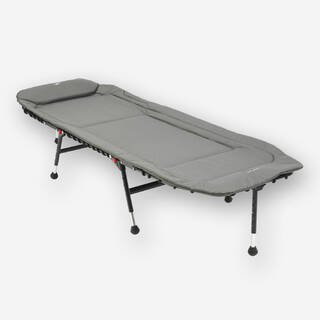

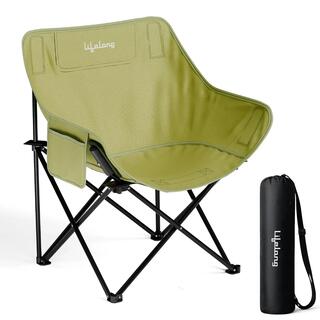
Quechua Camping Chairs: Tubular Steel Frames and Ripstop Polyester for Indian Terrain
Quechua camping chairs are engineered with 19mm to 25mm diameter tubular steel frames, offering structural rigidity under loads ranging from 100 kg to 150 kg depending on the model. The frame geometry incorporates triangulated bracing at stress concentration points (seat-to-leg junctions and backrest pivots) to prevent lateral sway on uneven ground. Indian campsites, from rocky Himalayan bases to sandy coastal patches, demand chairs that resist torsional flex when users shift weight. Quechua designs integrate powder-coated steel finishes that resist moisture ingress during monsoon storage and high-humidity coastal exposure.
Seat and backrest fabrics employ 600D to 1200D ripstop polyester, a denier rating that balances tear resistance with packability. Ripstop weave architecture distributes puncture forces across a grid of reinforcement threads, preventing catastrophic fabric failure when sharp twigs or gravel press against the underside. UV-stabilized polyester treatments maintain tensile strength under prolonged Himalayan sun exposure, where UV indices exceed 10 during summer months. Stitching employs double-needle box-tack patterns at high-load anchor points, distributing seat tension across wider fabric zones to prevent thread pullout under cyclic loading.
Folding Mechanisms and Compact Packing: Scissor Frames vs Telescoping Leg Designs
Folding camping chairs utilize two primary collapse mechanisms: scissor-action X-frames and telescoping leg assemblies. Scissor frames pivot at a central hub, allowing the chair to fold flat along a single plane. This design reduces packed dimensions to approximately 80 cm x 15 cm x 15 cm for ultralight models, fitting inside 60-liter trekking backpacks alongside sleeping bags and tent poles. Telescoping leg designs employ nested tubing with spring-loaded detent pins, enabling vertical collapse to 40 cm heights. These chairs trade slightly heavier weight (typically 1.8 kg to 2.5 kg) for faster deployment, a critical factor during evening camp setup after long trail days.
Carry bags for folding chairs incorporate ripstop nylon with adjustable shoulder straps, distributing weight across the upper trapezius and deltoid muscles during portage. Compression straps cinch the folded frame into a compact cylinder, preventing rattling inside vehicle trunks or motorcycle panniers on rough forest service roads. Indian campers frequently transport chairs via two-wheelers to remote sites, where road vibrations can loosen pivot bolts over time. Quechua chairs include thread-locking compounds on critical fasteners to maintain joint integrity across 50+ fold cycles.
Seat Height and Backrest Angles: Ergonomics for Prolonged Outdoor Sitting
Camping chair seat heights range from 38 cm (low-profile beach models) to 48 cm (standard camp chairs) above ground level. The 45 cm to 48 cm range aligns with the popliteal height (back-of-knee to floor distance) of the average Indian adult, allowing feet to rest flat on the ground with knees bent at 90 degrees. This posture minimizes pressure on the lumbar spine during extended sitting sessions around evening campfires or while cooking multi-course meals on portable stoves. Low-profile 38 cm seats suit beach environments where users prefer a reclined posture with legs extended forward on sand.
Backrest recline angles vary from 100 degrees (upright task chairs for camp cooking) to 120 degrees (relaxation chairs for stargazing). A 110-degree recline distributes upper body weight across the thoracic and lumbar spine, reducing intervertebral disc compression compared to vertical 90-degree postures. Quechua designs incorporate curved backrest profiles that match the natural lordotic curvature of the lumbar region, preventing posterior pelvic tilt during prolonged sitting. Adjustable headrests on premium models extend an additional 15 cm above the backrest, supporting the cervical spine when users lean back to observe Himalayan peak silhouettes at dusk.
Ground Contact Stability: Wide-Stance Leg Geometry and Anti-Sink Foot Caps
Leg stance width (the horizontal distance between front and rear leg contact points) determines a camping chair's resistance to tipping on sloped terrain. Quechua chairs employ stance widths of 50 cm to 65 cm, creating a stable base on 10-degree to 15-degree hillside pitches common in Himalayan campsites. Wider stances lower the center of gravity, increasing the tipping angle threshold before the chair becomes unstable. This geometry proves critical when users lean sideways to retrieve items from adjacent gear piles or shift weight while pulling on hiking boots.
Foot caps at leg terminations feature 40mm to 60mm diameter contact patches, distributing load over larger surface areas to prevent sinking into soft soil or sand. Ribbed thermoplastic foot caps increase friction on wet grass and moss-covered rocks, common ground conditions during monsoon treks in the Western Ghats. Some Quechua models include snap-on mud feet (80mm diameter discs) that reduce ground pressure to 0.15 kg per square centimeter, preventing the chair from embedding into saturated clay soils after heavy rainfall. These accessories attach via friction-fit collars around the standard foot caps, adding minimal weight while expanding terrain versatility.
Armrest Configurations and Cup Holder Integration for Camp Utility
Armrests on camping chairs serve dual functions: upper limb support during sitting transitions and stable platforms for forearm rest during meals. Quechua armrests span 25 cm to 30 cm in length, accommodating the distance from elbow to wrist for average adult proportions. Padded armrests employ closed-cell foam inserts (10mm to 15mm thick) wrapped in polyester sleeves, cushioning the ulnar nerve and bony prominences of the elbow during prolonged contact. Hard plastic armrests on budget models reduce weight by 150 grams per chair but concentrate pressure on smaller contact areas, leading to discomfort during multi-hour sitting sessions.
Integrated cup holders molded into armrest tops accept standard 75mm diameter beverage containers, from insulated steel mugs to 500ml water bottles. The holder depth (80mm to 100mm) prevents tall bottles from tipping during accidental armrest bumps, a frequent occurrence in crowded group campsites. Some Quechua designs incorporate mesh side pockets (20 cm x 15 cm) suspended below armrests, providing storage for headlamps, GPS units, or trail snack bars. These pockets employ elastic top hems that secure contents during chair folding and transport, preventing gear loss on rugged approach trails.
Weight Capacity Ratings and Frame Durability for Multi-Season Use
Quechua camping chairs carry maximum user weight ratings from 100 kg (ultralight trekking models) to 150 kg (heavy-duty base camp chairs). These ratings incorporate safety factors of 1.5 to 2.0 times the stated limit, meaning a 120 kg-rated chair withstands static loads of 180 kg to 240 kg before structural failure. Dynamic loading during sitting transitions (the impact force when dropping into the seat) generates peak forces 1.3 to 1.5 times body weight, requiring frame and fabric systems to absorb these transient loads without permanent deformation. Indian users frequently share chairs among group members of varying sizes, making robust weight capacity essential for multi-season durability.
Frame longevity depends on fatigue resistance at pivot joints and fabric anchor points. Quechua chairs undergo cyclic load testing, simulating 500 to 1000 sit-stand cycles at maximum rated weight. Riveted joints at frame intersections distribute shear forces across larger contact areas compared to welded joints, which concentrate stress at heat-affected zones prone to crack propagation. Fabric attachment employs through-bolted grommets with backing washers, preventing tear-through under repeated tensioning. Chairs stored in vehicle trunks or garage environments face temperature swings from 5°C (winter hill stations) to 45°C (summer plains), requiring materials that maintain mechanical properties across this thermal range without embrittlement or excessive softening.
FAQ (Frequently Asked Questions)
Q1. How much weight does the camping chair withstands?
Our Camping chairs are tested for the Weight Capacity of 110 Kgs.
Q2. Does the Camping Chair fit inside the car?
Yes, Our camping chairs are compact and can be folded easily and fit into the boot space.
Q3. What is the difference between 600D and 1200D polyester fabric on Quechua camping chairs?
The denier rating indicates fabric thread thickness. 1200D polyester uses thicker yarns than 600D, resulting in higher tear resistance and abrasion durability but slightly increased weight (typically 50 to 80 grams more per chair). For rocky Himalayan campsites with sharp granite fragments, 1200D fabric better resists punctures. For weight-conscious trekkers carrying chairs in backpacks, 600D ripstop offers adequate durability at lower mass.
Q4. Can camping chairs withstand monsoon humidity and coastal salt air without rusting?
Quechua chairs use powder-coated tubular steel frames, where electrostatically applied polymer coatings bond to the metal surface and cure into a protective barrier. This coating resists moisture penetration better than paint, preventing rust formation during monsoon storage. After coastal use, wipe down frames with fresh water to remove salt deposits, then air-dry completely before folding. Avoid prolonged storage in closed, damp spaces like vehicle trunks during rainy seasons.
Q5. What seat height works best for cooking on portable camp stoves?
A 45 cm to 48 cm seat height positions your hands at optimal working height above typical camp stove surfaces (15 cm to 20 cm ground clearance). This ergonomic alignment reduces shoulder strain during meal preparation and allows clear visibility into cooking pots. Lower 38 cm beach chairs force awkward forward bending when working at stove height, increasing lower back fatigue during extended cooking sessions.
Q6. How do I prevent camping chair legs from sinking into soft ground or sand?
Quechua offers snap-on mud feet accessories (80mm diameter discs) that increase ground contact area by approximately 300 percent compared to standard foot caps. These distribute load over larger surface areas, reducing ground pressure below the penetration threshold for saturated soil or dry sand. Alternatively, place the chair on a groundsheet or flat stones to create a stable base on extremely soft terrain.
Q7. What is the packed size difference between scissor-frame and telescoping leg camping chairs?
Scissor-frame chairs fold flat to approximately 80 cm x 15 cm x 15 cm, ideal for vertical packing inside backpacks or narrow vehicle storage compartments. Telescoping leg designs collapse to shorter 40 cm lengths but maintain wider cross-sections (20 cm x 20 cm), suiting horizontal storage in car trunks or motorcycle side cases. Choose based on your primary transport method and available storage geometry.
Q8. Do padded armrests add significant weight compared to hard plastic armrests?
Padded armrests with closed-cell foam inserts add 150 to 200 grams per chair compared to hard plastic alternatives. For base camp use where chairs remain stationary for multiple days, the comfort gain during prolonged sitting justifies the weight penalty. For alpine trekking where every gram matters during steep ascents, hard plastic armrests reduce pack weight while maintaining structural armrest function.
Q9. How many fold cycles can a Quechua camping chair withstand before joint loosening?
Quechua chairs undergo factory testing simulating 500 to 1000 fold cycles at maximum rated weight. Real-world durability depends on proper folding technique (avoiding forced pivoting when dirt clogs joints) and periodic maintenance. Apply thread-locking compound to pivot bolts annually if you notice increased play at frame intersections. Chairs used 20 to 30 times per year typically maintain tight joints for 5 to 7 years with basic care.
Q10. Can I use camping chairs on concrete surfaces without damaging the foot caps?
Standard thermoplastic foot caps tolerate concrete contact without immediate damage, but prolonged dragging across rough concrete abrades the material over time. Lift the chair when repositioning rather than sliding it. For permanent patio use on concrete or tile, consider chairs with rubber foot caps that resist abrasion better than standard thermoplastic while providing superior grip on smooth surfaces.
Q11. What backrest angle is best for stargazing or extended relaxation at camp?
A 120-degree backrest recline allows comfortable upward gaze angles for observing constellations or Himalayan ridgelines without neck hyperextension. This recline distributes upper body weight across the thoracic spine, reducing lumbar compression during multi-hour relaxation sessions. Chairs with adjustable headrests further support the cervical spine, preventing neck fatigue when maintaining upward gaze for extended periods.
Q12. How do I clean camping chairs after dusty desert treks or muddy monsoon camps?
Unfold the chair completely and brush off loose dirt with a stiff nylon brush. Wash polyester fabric with mild soap and water using a sponge, scrubbing along the weave direction to avoid distorting the ripstop grid. Rinse thoroughly with fresh water to remove soap residue, which can attract dirt during subsequent use. Air-dry in shade (direct sun can degrade UV-stabilized coatings over time) before folding for storage. Lubricate pivot joints with silicone spray if they feel stiff after drying.