Winter Gloves








Insulation Architecture and Thermal Retention Systems for Sub-Zero Indian Altitudes
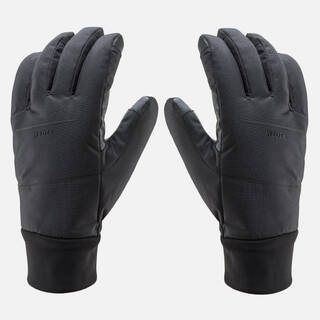
Winter gloves engineered for Indian Himalayan expeditions, high-altitude treks, and sub-zero urban mornings demand precise insulation layering. Quechua winter gloves deploy synthetic hollow-fiber insulation with loft ratings between 80 and 150 grams per square meter, creating dead-air pockets that trap body heat while maintaining compressibility for pack storage. Thinsulate-equivalent synthetic fills outperform traditional cotton liners in wet snow conditions, retaining thermal efficiency even when moisture penetrates outer shells during Rohtang Pass crossings or Ladakh winter rides.
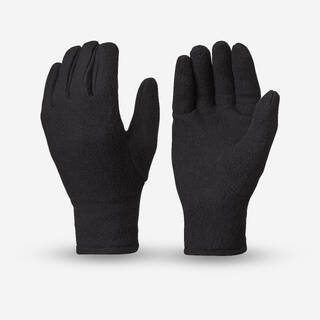
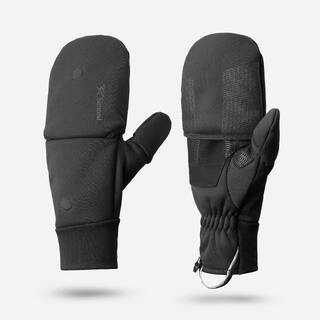
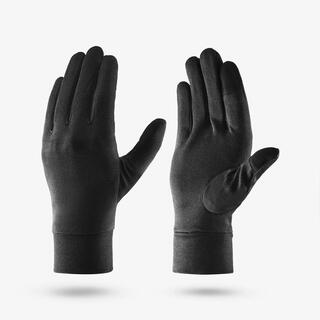
Insulation placement varies by glove architecture. Gauntlet-style designs extend thermal coverage 8 to 12 centimeters above the wrist, sealing gaps between jacket cuffs and glove openings where convective heat loss accelerates in Himalayan wind corridors. Fingerless base-layer gloves with 40 to 60 GSM merino-synthetic blends serve as moisture-wicking foundations under insulated shells, managing sweat vapor during high-output trekking ascents. Three-finger lobster-claw designs group digits to share metabolic heat, reducing surface area exposure while preserving thumb and index finger dexterity for trekking pole adjustments and camera operation at Pangong Tso winter camps.
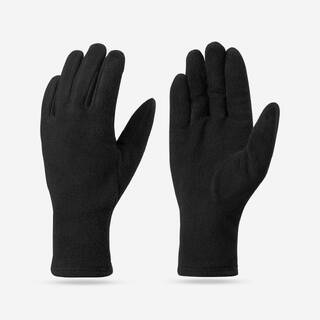
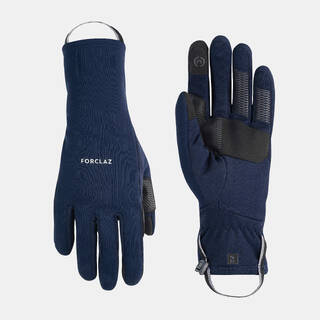
Thermal retention depends on minimizing conductive heat transfer through palm contact zones. High-density foam padding on palms and fingertips creates insulating barriers against cold metal trekking poles, ice axes, and frozen bicycle handlebars. Reflective metallic liners in premium Forclaz alpine gloves redirect radiant body heat back toward skin surfaces, amplifying warmth retention without adding bulk. Articulated pre-curved finger construction reduces fabric tension, maintaining insulation loft integrity during grip-intensive activities like rope handling or crampon strap adjustments on Stok Kangri winter climbs.
Waterproof Membrane Integration and Monsoon Transition Performance
Indian winter glove requirements extend beyond alpine snow protection to address monsoon-transition sleet, freezing rain in Shimla and Manali, and early-morning dew saturation on Kashmir valley rides. Quechua waterproof gloves incorporate polyurethane-coated ripstop nylon shells with hydrostatic head ratings between 5,000 and 10,000 millimeters, blocking liquid water penetration while allowing internal moisture vapor to escape. Taped seams at finger junctions and wrist closures eliminate capillary wicking pathways where melting snow infiltrates during prolonged exposure.
Breathable membrane technology balances waterproof protection with sweat vapor transmission. Microporous coatings with MVTR (Moisture Vapor Transmission Rate) values above 3,000 grams per square meter per 24 hours prevent interior condensation during aerobic trekking or winter trail running in Nainital forests. Non-membrane alternatives like DWR (Durable Water Repellent) treated softshell gloves shed light precipitation and windblown snow while offering superior dexterity for technical tasks, ideal for photographers adjusting camera settings during Spiti Valley winter documentation trips.
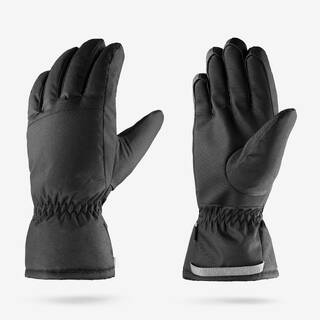
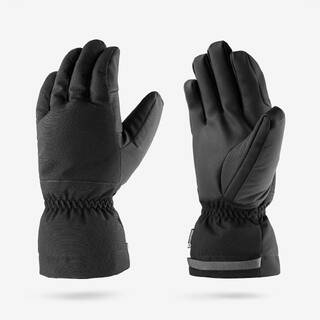
Gauntlet cuff designs with drawcord cinches and hook-and-loop wrist straps create weatherproof seals over jacket sleeves. Extended cuffs measuring 10 to 15 centimeters prevent snow entry during deep powder hiking or when plunging hands into snowbanks to anchor tent stakes at Kedarkantha base camps. Elastic wrist gaskets in lightweight glove liners provide secondary moisture barriers, trapping warm air layers even when outer shells are temporarily removed for precise tasks like stove ignition or GPS device operation in Tawang winter conditions.
Grip Engineering and Dexterity Retention for Technical Mountain Operations
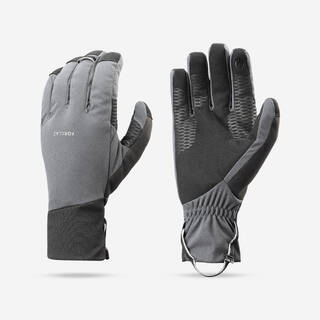
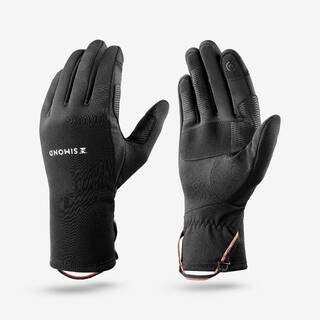
Winter glove palm construction directly impacts safety and performance during technical mountain activities. Quechua and Forclaz gloves feature synthetic leather palm overlays with embossed grip patterns, providing secure purchase on aluminum trekking poles, ice tool shafts, and rope systems in wet or icy conditions. Silicone print reinforcements on thumb and index finger zones enhance friction against slick surfaces like frozen carabiner gates, camera bodies, and smartphone touchscreens during Zanskar winter expeditions.
Dexterity preservation requires strategic insulation thinning and articulated finger patterning. Pre-curved finger designs mirror natural hand relaxation postures, reducing fabric bunching and grip fatigue during extended trekking pole use on Hampta Pass winter crossings. Touchscreen-compatible conductive thread integration in thumb and index fingertips allows GPS navigation and emergency communication without glove removal, critical when ambient temperatures drop below negative 10 degrees Celsius on Chadar Trek ice routes.
Palm padding thickness varies by activity intensity. Lightweight gloves with 2 to 3 millimeter foam inserts suit high-output activities like winter trail running or cross-country skiing where grip sensitivity and heat dissipation take priority. Heavy-duty mountaineering gloves incorporate 5 to 8 millimeter closed-cell foam panels, insulating against cold metal ice axes and providing impact protection during technical climbing on Nun Kun winter ascents. Reinforced finger sidewalls prevent abrasion damage from rope friction during rappelling or belay operations in mixed ice and rock terrain.
Layering Systems and Modular Glove Combinations for Variable Himalayan Microclimates
Effective winter hand protection in Indian mountains requires adaptable layering strategies matching rapid elevation and temperature transitions. Base-layer glove liners in merino wool or synthetic wicking fabrics (40 to 80 GSM) manage perspiration during high-exertion ascents, then slide under insulated shells when temperatures plummet at ridgeline camps. This modular approach allows independent washing of moisture-saturated liners while preserving waterproof shell integrity, extending total system lifespan through multi-day Markha Valley winter treks.
Mid-layer softshell gloves with windproof fleece backing (120 to 180 GSM) serve dual roles as standalone protection during moderate cold or as insulating layers under waterproof shells in extreme conditions. Elastic wrist cuffs on liners prevent bunching when inserting hands into outer gloves, maintaining smooth fabric interfaces that eliminate pressure points during 8 to 10 hour trekking days. Removable insulation systems in premium Forclaz expedition gloves allow thermal adjustment by adding or removing synthetic fill packets, adapting to temperature swings between sunny south-facing slopes and shaded north-facing descents on Kuari Pass winter routes.
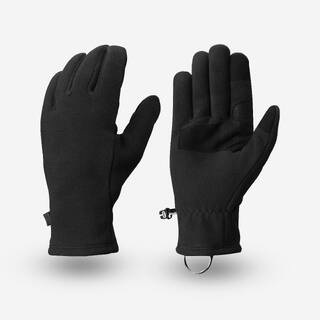
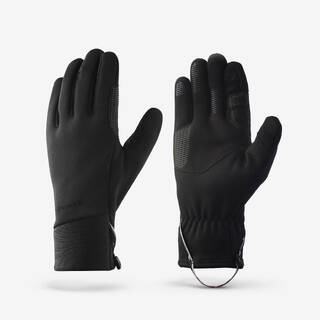
Glove leashes and carabiner loops prevent accidental loss during glove changes in high winds. Wrist-attached retainer cords allow temporary glove removal for precise tasks like tent zipper repairs or first-aid kit access without risk of wind-blown loss in exposed Rohtang La conditions. Stuff sack storage with compression straps reduces pack volume, critical when carrying multiple glove systems for week-long winter expeditions where weather variability demands rapid hand protection adjustments between valley approaches and alpine ridge traverses.
Sizing Precision and Ergonomic Fit Profiles for Indian Hand Anthropometry
Accurate glove sizing prevents both heat loss from excess air gaps and restricted circulation from overly tight fits. Quechua sizing charts reference hand circumference measurements at knuckle level (excluding thumb), with sizes ranging from 17 centimeters (size XS) to 25 centimeters (size XXL). Indian athletes should measure dominant hands in late afternoon when natural swelling peaks, ensuring gloves accommodate circulation expansion during prolonged cold exposure. Finger length proportions vary independently of palm width, requiring attention to fingertip-to-cuff distance specifications for proper fit.
Women-specific glove patterns account for narrower palm widths and shorter finger lengths relative to circumference measurements. Quechua women's winter gloves feature reduced palm volume and adjusted finger taper angles, eliminating excess fabric bunching that compromises grip security and thermal efficiency. Unisex designs in larger sizes accommodate male hand proportions, but women with smaller hands should prioritize gender-specific cuts to maintain dexterity and prevent cold air infiltration through loose-fitting finger channels during Sandakphu winter ridge walks.
Cuff length selection depends on jacket sleeve design and activity type. Short-cuff gloves (6 to 8 centimeters above wrist) suit layering under jacket sleeves with elastic cuffs, common in urban winter cycling or morning jogs in Delhi and Chandigarh cold snaps. Gauntlet gloves extending 12 to 15 centimeters overlap jacket cuffs, essential for deep snow trekking where arm movements during pole planting create gaps that funnel cold air and snow into sleeve openings. Adjustable wrist straps with hook-and-loop closures allow fine-tuning of cuff tension, balancing weather sealing against circulation restriction during multi-hour Kedarkantha summit pushes.
Durability Engineering and Maintenance Protocols for Extended Himalayan Expedition Cycles
Winter glove longevity in harsh Indian mountain environments depends on reinforced construction at high-wear zones. Double-stitched seams with bartack reinforcements at finger joints and thumb attachment points resist thread failure during repetitive gripping motions. Quechua expedition gloves incorporate Kevlar-reinforced palm patches, extending abrasion resistance during rope handling, ice tool manipulation, and crampon strap adjustments on technical Stok Kangri and Friendship Peak winter climbs. Leather palm overlays in premium Forclaz models withstand hundreds of hours of trekking pole contact without delamination or tear-through failure.
Post-expedition care protocols preserve waterproof membrane function and insulation loft. Hand washing in lukewarm water with technical fabric detergents removes salt deposits from dried sweat, preventing hydrolysis degradation of polyurethane coatings. Air drying at room temperature maintains insulation fiber structure, while machine drying collapses synthetic fill loft and accelerates membrane breakdown. DWR treatment reapplication every 15 to 20 use days restores water-shedding performance on shell fabrics, critical for maintaining breathability in wet snow conditions during multi-week Zanskar winter traverses.
Storage in dry, ventilated spaces away from direct sunlight prevents UV degradation of synthetic materials and mildew growth in residual moisture. Loose hanging storage maintains natural glove shape and prevents permanent creasing that creates cold spots in insulation layers. Periodic inspection of seam integrity, membrane delamination, and grip surface wear allows early identification of damage requiring repair or replacement before critical expedition deployments. Proper maintenance extends functional lifespan to 100 plus use days across multiple winter seasons, maximizing value through sustained thermal performance and weather protection reliability.
FAQ (Frequently Asked Questions)
Q1. What insulation weight in winter gloves works best for Himalayan treks between 3,000 and 5,000 meters elevation?
For Himalayan trekking between 3,000 and 5,000 meters, gloves with 100 to 150 grams per square meter synthetic insulation provide optimal thermal protection without excessive bulk. This insulation range maintains hand warmth in temperatures down to negative 15 degrees Celsius while preserving dexterity for trekking pole adjustments and camera operation. Pair insulated shells with thin merino liner gloves for moisture management during high-exertion ascents, then layer both during rest stops and ridge crossings where wind chill accelerates heat loss.
Q2. How do I choose between waterproof membrane gloves and DWR-treated softshell gloves for winter use in India?
Waterproof membrane gloves with hydrostatic ratings above 5,000 millimeters suit wet snow conditions, freezing rain, and multi-day expeditions where prolonged moisture exposure occurs, common in Kashmir and Himachal winter treks. DWR-treated softshell gloves offer superior breathability and dexterity for high-output activities like winter trail running or ski touring where internal moisture management outweighs full waterproof protection. Choose membrane gloves for static activities and extended cold exposure, softshell designs for aerobic mountain pursuits with intermittent precipitation.
Q3. What hand circumference measurement corresponds to size L in Quechua winter gloves?
Size L in Quechua winter gloves typically fits hand circumferences between 21.5 and 23 centimeters, measured around knuckles excluding the thumb. Measure your dominant hand in late afternoon when natural swelling peaks to ensure accurate sizing. If your measurement falls between sizes, choose the larger size when planning to wear liner gloves underneath, or the smaller size for standalone use to minimize excess air gaps that reduce thermal efficiency.
Q4. Can touchscreen-compatible winter gloves work reliably in sub-zero temperatures on smartphones and GPS devices?
Touchscreen-compatible winter gloves with conductive thread in thumb and index fingertips function reliably down to negative 10 degrees Celsius on most capacitive touchscreen devices. Performance depends on maintaining slight finger pressure and clean, dry screen surfaces. For critical navigation or emergency communication below negative 15 degrees, capacitive styluses attached to glove wrist loops provide backup operation when conductive fabric responsiveness decreases in extreme cold. Keep devices in insulated pockets between uses to maintain battery performance and screen responsiveness.
Q5. How often should I reapply DWR treatment to maintain water repellency on winter glove shells?
Reapply DWR treatment to winter glove shells every 15 to 20 use days or when you notice water absorption rather than beading on fabric surfaces. Clean gloves thoroughly before reapplication to remove dirt and oil residues that block DWR adhesion. Spray-on or wash-in DWR products restore water-shedding performance, maintaining breathability by preventing fabric saturation. Proper DWR maintenance extends waterproof membrane function and prevents interior condensation during high-output winter trekking in wet snow conditions.
Q6. What is the difference between gauntlet-style and short-cuff winter gloves for mountain use?
Gauntlet-style gloves extend 10 to 15 centimeters above the wrist, overlapping jacket sleeves to seal out snow and cold air during deep powder trekking, ice climbing, or when plunging hands into snowbanks. Short-cuff gloves measuring 6 to 8 centimeters suit layering under jacket sleeves with elastic cuffs, ideal for winter cycling, trail running, or urban cold weather use where snow entry risk is minimal. Choose gauntlet designs for technical mountain activities and short cuffs for high-mobility pursuits with jacket integration.
Q7. Do three-finger lobster-claw gloves provide better warmth than five-finger designs in extreme cold?
Three-finger lobster-claw gloves group digits to share metabolic heat, reducing surface area exposure and improving warmth retention in temperatures below negative 15 degrees Celsius. This design suits static activities like belaying, photography, or camp tasks where maximum warmth outweighs dexterity needs. Five-finger gloves preserve independent digit movement for technical tasks like rope work, crampon adjustments, and precise equipment handling. For extreme Himalayan cold, use lobster-claw shells over five-finger liner gloves to balance thermal protection with task-specific dexterity requirements.
Q8. How do I prevent circulation restriction when wearing layered glove systems during long winter treks?
Prevent circulation restriction by sizing outer shells one size larger when planning to wear liner gloves underneath, ensuring adequate space for blood flow without fabric compression. Loosen wrist strap adjustments periodically during extended wear to restore circulation, especially during rest stops when metabolic heat production decreases. Watch for numbness, tingling, or color changes in fingertips as early warning signs of restricted blood flow. Remove outer gloves briefly every 60 to 90 minutes during moderate activity to allow full circulation restoration before continuing high-altitude winter treks.
Q9. What palm reinforcement material offers the best durability for winter trekking pole use on multi-day expeditions?
Synthetic leather palm overlays with silicone grip patterns provide optimal durability for winter trekking pole use, resisting abrasion through 100 plus hours of continuous contact. Premium Forclaz expedition gloves incorporate genuine leather reinforcements that mold to hand contours over time while maintaining grip security on aluminum and carbon fiber pole shafts. Kevlar-reinforced patches in high-wear zones extend lifespan further for technical mountaineering involving ice tool manipulation and rope handling. Avoid basic fabric palms for intensive trekking pole use, as they develop wear-through holes within 30 to 40 use hours.
Q10. Can I machine wash waterproof winter gloves without damaging membrane coatings?
Hand washing in lukewarm water with technical fabric detergents preserves waterproof membrane integrity better than machine washing, which can stress seam tapes and accelerate coating delamination. If machine washing is necessary, use gentle cycles with cold water and skip the spin cycle to reduce mechanical stress on bonded layers. Air dry at room temperature rather than machine drying, as heat exposure degrades polyurethane coatings and collapses synthetic insulation loft. Proper washing extends membrane function to 100 plus use days across multiple winter seasons.