Puffer Jacket and Down Jacket

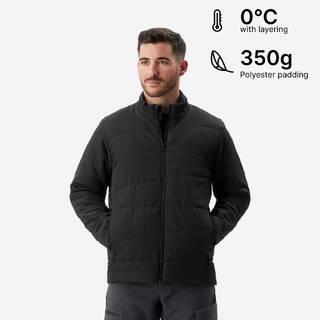


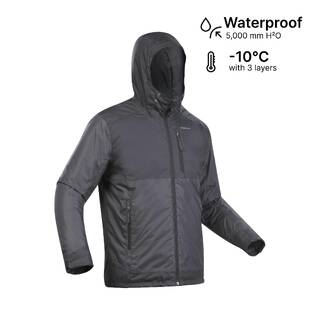

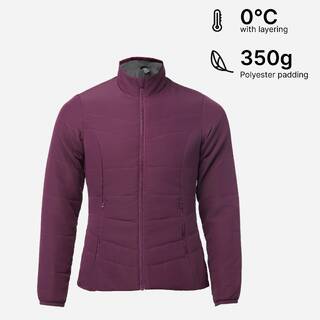
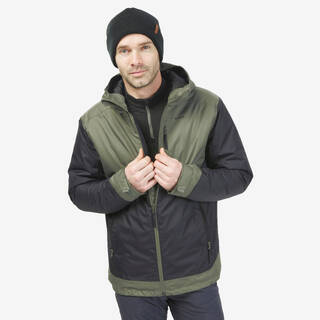


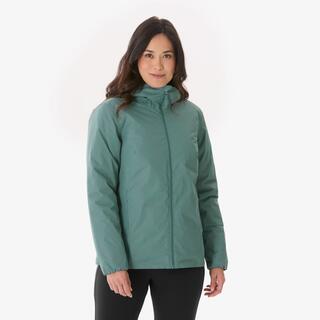

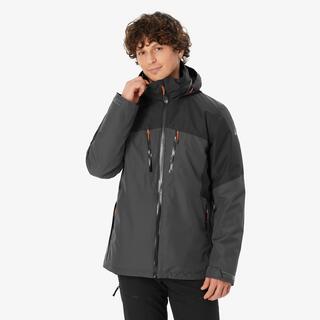
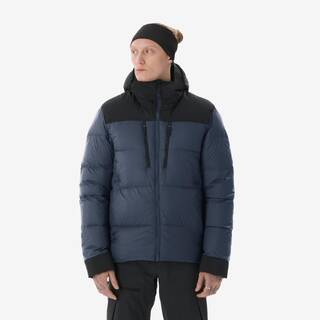
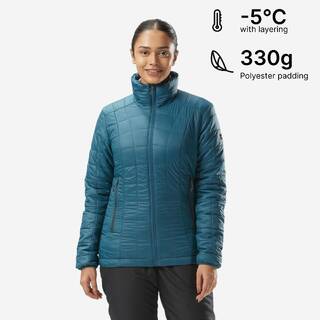

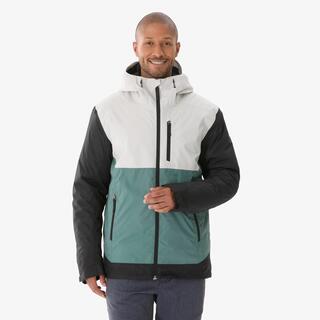


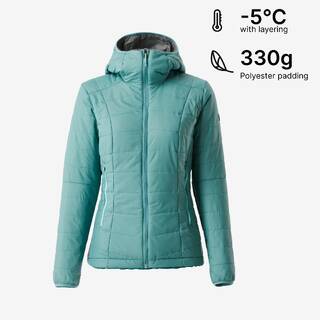
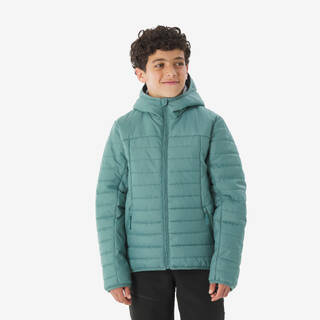
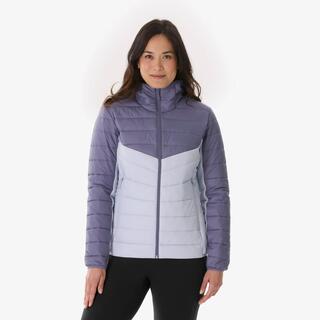
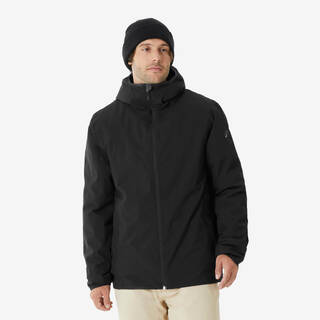
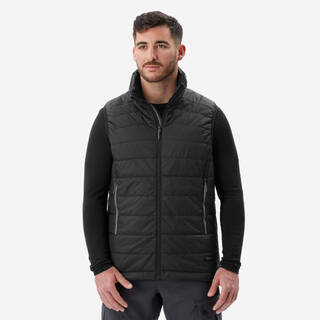
High-Loft Down Insulation vs Synthetic Polyester Fill: Understanding Thermal Efficiency for Indian Mountain Conditions
Down jackets trap warmth through natural goose or duck down clusters that expand into three-dimensional loft pockets, creating dead air space that resists conductive heat loss. Fill power ratings (typically 600 to 800 cubic inches per ounce) measure the volume one ounce of down occupies when fully expanded. A 700-fill-power jacket with 120 grams of down delivers superior warmth-to-weight ratio compared to 180 grams of synthetic polyester fill at equivalent thermal resistance. However, down loses insulating capacity when saturated by moisture, compressing into matted clumps that eliminate air pockets. Synthetic polyester insulation (often hollow-core fibres or continuous filament construction) retains approximately 70 percent of its thermal performance even when wet, making it the practical choice for Himalayan treks during monsoon transition periods or high-humidity valley approaches where unexpected rain or river crossings occur.
Indian alpine conditions demand specific insulation strategies. Ladakh's dry cold (temperatures dropping to minus 15°C with relative humidity below 20 percent) favours hydrophobic-treated down that maintains loft without moisture absorption from perspiration. The Western Ghats or Sikkim trails (where morning mist and afternoon drizzle create 80+ percent humidity) require synthetic-fill puffers that dry within 90 minutes when hung in tent vestibules. Quechua's synthetic-fill jackets use continuous polyester strands (not short-staple batting) to prevent fibre migration through shell fabric, maintaining consistent insulation distribution after 50+ compression cycles in backpack stuff sacks. For urban winter commutes in Delhi or Shimla (daytime highs of 8 to 12°C), a hybrid construction combining down in the torso core with synthetic fill in high-sweat zones (underarms, lower back) balances warmth retention with moisture management during metro station sprints or uphill walks.
Shell Fabric Engineering: Ripstop Denier Ratings, DWR Coatings, and Wind Tunnel Performance
Puffer jacket shells use ripstop polyester or nylon woven in crosshatch patterns with reinforcement threads every 5 to 8mm, preventing tear propagation from branch snags or crampon punctures. Denier ratings (20D to 40D) indicate thread thickness. A 20-denier shell weighs approximately 35 grams per square meter, offering packability for summit-day alpine ascents but requiring careful handling around granite edges. A 40-denier shell doubles puncture resistance while adding 25 grams to overall jacket weight, suitable for daily Manali market wear or Rohtang Pass motorcycle rides where abrasion from backpack straps or helmet friction occurs. Durable Water Repellent (DWR) fluoropolymer coatings cause water droplets to bead and roll off fabric surfaces rather than saturating the weave. Factory-applied DWR treatments last 30 to 40 wash cycles before requiring reapplication with spray-on or wash-in formulas.
Wind tunnel testing measures air permeability in cubic feet per minute (CFM) through one square foot of fabric. A quality puffer shell restricts airflow to below 5 CFM at 25 km/h wind speeds, preventing convective heat loss on exposed ridgelines or during early-morning Nubra Valley motorcycle crossings. Quechua's ripstop shells integrate mechanical stretch (5 to 8 percent elastane content) that allows shoulder rotation during ice axe placements or boulder scrambles without fabric stress points that lead to delamination of inner insulation baffles. For high-altitude UV exposure (Leh at 3,500 meters receives 25 percent more UV radiation than sea-level Mumbai), shell fabrics with 50+ UPF ratings block ultraviolet penetration that degrades polyester molecular chains, extending jacket lifespan beyond 200 wearing days in direct Himalayan sunlight.
Baffle Construction and Cold Spot Elimination: Box-Wall, Sewn-Through, and Trapezoidal Chamber Designs
Baffle architecture determines insulation distribution and thermal bridging. Sewn-through construction stitches front and back shell fabrics directly together, creating linear cold spots where thread compression eliminates loft. This budget-friendly method suits mild-climate jackets (10°C to 15°C comfort range) for Bangalore winter evenings or Pune morning jogs. Box-wall baffles insert vertical fabric walls between shell layers, creating rectangular chambers that prevent down migration while maintaining consistent loft depth (typically 15 to 25mm). Box-wall designs eliminate cold spots but add 40 to 60 grams of internal baffle fabric weight. Trapezoidal (or shingled) baffles angle chamber walls to overlap like roof tiles, preventing down from shifting toward baffle seams during body movement while reducing total baffle fabric by 20 percent compared to box-wall construction.
Down migration occurs when vigorous arm swings (during trail running descents or cricket warm-up drills) force clusters through baffle stitching into adjacent chambers, creating uneven insulation. High-quality jackets use triple-needle stitching with 12 to 14 stitches per inch at baffle seams, combined with down-proof calendered fabric (heat-pressed to close weave gaps below 0.3mm) that traps even small plumule fibres. For synthetic-fill puffers, continuous-sheet insulation (rather than loose batting) gets quilted directly to shell fabric in offset patterns that distribute compression points. Quechua's synthetic jackets use 100-gram-per-square-meter polyester sheets in the torso, stepping down to 80-gram insulation in sleeves to reduce bulk during arm flexion while maintaining core warmth during stationary belays or campsite cooking sessions at 4,000-meter base camps.
Fit Profiles and Layering Systems: Base Layer Compatibility and Mobility Range for Technical Mountain Use
Puffer jacket fit determines layering capacity and range of motion. A slim-fit profile (chest circumference 4 to 6cm larger than body measurement) accommodates a single 150-GSM merino base layer, suitable for high-output activities like trail running or ski touring where excess fabric creates wind drag. A regular fit (8 to 10cm additional chest room) layers over 180-GSM midweight fleece plus base layer, balancing insulation with mobility for trekking approaches or ice climbing. An expedition fit (12 to 15cm extra chest circumference) fits over hardshell jackets and thick fleece during extended bivouacs or high-altitude porter work above 5,500 meters. Sleeve length must allow full overhead reach (180-degree shoulder abduction) without hem riding above hip bone, exposing the lower back to convective cooling during boulder problems or when adjusting crampons.
Articulated sleeve patterning pre-curves fabric tubes to match natural arm position, reducing fabric bunching at elbow creases that restricts blood flow during prolonged trekking pole use. Gusseted underarms insert diamond-shaped fabric panels that eliminate lifting resistance when reaching for handholds or stuffing sleeping bags into compression sacks. Hem drop (the difference between front and back hem length) should measure 3 to 5cm longer in back to cover the lumbar region when leaning forward during backpack adjustments or tent stake hammering. Quechua designs incorporate elastic drawcord hems with cord locks positioned at hip level (not center-front where they press against harness waist belts), allowing one-handed cinching to seal out spindrift during Himalayan squalls. For urban commuters cycling through Delhi's winter fog, longer torso cuts (extending 8cm below belt line) prevent gap exposure when leaning over handlebars, while two-way front zippers allow bottom venting during uphill pedaling without removing the entire jacket.
Care Protocols and Loft Recovery: Washing Down Insulation, Storage Methods, and Hydrophobic Treatment Maintenance
Down jackets require front-loading washing machines (top-loading agitators shred delicate baffles) using technical down-specific detergents that preserve natural oils coating down clusters. Standard detergents contain surfactants that strip these oils, reducing water repellency and causing clumping. Wash temperature should not exceed 30°C to prevent shell fabric shrinkage. Tumble drying on low heat (below 60°C) with three clean tennis balls breaks apart down clumps and restores loft over 90 to 120 minutes. Incomplete drying leaves residual moisture that promotes mildew growth and odour, detectable as musty smell even after the exterior feels dry. Synthetic-fill jackets tolerate machine washing at 40°C and air-dry in 4 to 6 hours when hung in cross-ventilated spaces, making them practical for multi-day treks where washing facilities exist but tumble dryers do not.
Long-term storage requires loosely hanging jackets on wide wooden hangers (not wire hangers that create shoulder stress points) in cool, dry closets. Storing compressed in stuff sacks for more than 30 consecutive days permanently degrades down loft by 15 to 20 percent as clusters lose elastic memory. For seasonal storage between Himalayan trekking windows, large mesh bags allow insulation to maintain full loft while protecting from dust. Hydrophobic down treatments (applied during manufacturing through plasma or polymer coating processes) require retreatment every 18 to 24 months of active use. Spray-on hydrophobic solutions restore water repellency but reduce breathability by 10 percent compared to factory treatments. Indian storage conditions (monsoon humidity reaching 85 percent in Mumbai or Kolkata) demand silica gel packets placed in storage bags to absorb ambient moisture that otherwise condenses within down clusters, even when jackets hang unused. Before each trekking season, tumble-dry stored jackets for 20 minutes on no-heat fluff cycle to reactivate DWR coatings and restore maximum loft after months of compression from closet crowding.
Quechua Puffer Range: Model Differentiation by Fill Weight, Temperature Ratings, and Activity-Specific Features
Quechua segments puffer jackets by insulation weight and intended temperature range. Lightweight models use 90 to 120 grams of 600-fill-power down or equivalent synthetic fill, providing comfort in 5°C to 15°C conditions during active movement (trekking pace of 3 to 4 km/h generating 300 to 400 watts metabolic heat). Mid-weight jackets contain 140 to 180 grams of insulation, extending comfort range to minus 5°C when layered over 200-GSM fleece, suitable for Spiti Valley autumn treks or Kedarnath shoulder-season pilgrimages. Expedition-weight puffers pack 200+ grams of 700 to 800-fill-power down, rated for stationary comfort at minus 15°C during high-altitude camps or winter wildlife photography in Hemis National Park where sitting motionless for hours eliminates metabolic heat generation.
Activity-specific features differentiate models within the Quechua line. Trail running puffers use 20-denier shells and eliminate hand pockets (replaced by single chest pocket for energy gels) to minimize weight below 250 grams for summit-day alpine starts. Trekking models add internal security pockets with RFID-blocking fabric for passport storage during tea house circuits, plus reinforced elbow patches (500-denier Cordura) that resist abrasion from granite scrambles. Urban commuter puffers integrate reflective logo prints for low-light visibility during early-morning cycle commutes, with longer torso cuts that cover the lower back when seated on motorcycle saddles. Packability varies from 1.5-liter stuff sack volume (ultralight models compressing to volleyball size) to 3.5-liter volume for expedition jackets that prioritize warmth over pack space. All Quechua synthetic-fill models use continuous polyester insulation that maintains 90 percent of original loft after 100 compression cycles, tested through automated stuff-sack packing machines that simulate five years of weekend trekking use.
FAQ (Frequently Asked Questions)
Q1. What is the difference between a puffer jacket and a down jacket?
Puffer jackets are typically filled with synthetic insulation, such as polyester or primaloft, while down jackets are insulated with natural down feathers. Down jackets generally offer superior warmth-to-weight ratio and compressibility, but synthetic insulation is often more affordable and better suited for wet conditions.
Q2. How do I choose the right insulation level for my needs?
The insulation level you need depends on the intended use and the climate you'll be wearing the jacket in. For milder temperatures or everyday wear, a lighter insulation level may suffice. For colder climates or outdoor activities, a higher insulation level is recommended to provide maximum warmth.
Q3. Can I wear a puffer or down jacket in the rain?
While most puffer and down jackets are water-resistant to some degree, they may not be fully waterproof. For better protection in wet conditions, look for jackets with water-repellent coatings, sealed seams, and adjustable hoods. Alternatively, consider layering a waterproof shell over your insulated jacket.
Q4. How do I care for my puffer or down jacket?
Follow the care instructions carefully, as different insulation types and materials may require specific cleaning methods. Avoid excessive heat or direct sunlight, as it can damage the insulation. Store your jacket properly by stuffing it loosely into a breathable storage bag or hanging it up to maintain loft.
Q5. Can I wear a puffer or down jacket for outdoor activities?
Absolutely! Many of our puffer and down jackets are designed with outdoor activities in mind, featuring durable water-resistant fabrics, adjustable hoods, and a range of motion-friendly cuts. However, for more strenuous activities or extreme conditions, you may want to consider additional layering or specialized outerwear.
Q6. How do I choose the right size for my puffer or down jacket?
For the best fit and comfort, consult our size guide and take accurate measurements. Keep in mind that you may want to size up slightly to accommodate layering underneath. Additionally, consider the intended use – a more relaxed fit may be preferred for casual wear, while a closer fit is often better for outdoor activities.
Q7. Can I machine wash my puffer or down jacket?
Many of our puffer and down jackets are machine washable, but it's essential to follow the care instructions carefully. Use a gentle cycle and mild detergent, and avoid fabric softeners, which can damage the insulation. It's also recommended to use a front-loading machine or a top-loader without an agitator to prevent the insulation from clumping.
Q8. How long do puffer and down jackets typically last?
With proper care and maintenance, a high-quality puffer or down jacket can last for several seasons. However, the lifespan can vary depending on factors such as usage, storage conditions, and the quality of the materials. Regular cleaning and proper storage can help extend the life of your jacket.
Q9. Can I wear a puffer or down jacket for formal occasions?
While puffer and down jackets are primarily designed for casual and outdoor wear, some sleeker and more streamlined styles can be dressed up for semi-formal occasions. Look for jackets with a more tailored fit and minimal branding or technical details for a more polished look.
Q10. Are puffer and down jackets eco-friendly?
Many of our puffer and down jackets are made with sustainable and eco-friendly materials, such as recycled polyester or responsibly-sourced down. Additionally, we prioritize durability and longevity in our designs, reducing the need for frequent replacements and minimizing waste.
Q11. What fill power rating do I need for Ladakh winter treks at 4,000 to 5,000 meters altitude?
For stationary comfort at minus 10°C to minus 15°C (typical Ladakh winter night temperatures), choose 700 to 800 fill power down with minimum 160 grams of insulation in the torso. Lower fill power (600 FP) requires 200+ grams to achieve equivalent warmth, adding 80 to 100 grams to packed weight. Pair with windproof hardshell when moving through Khardung La or Chang La passes where 40 km/h winds increase convective heat loss.
Q12. How do I choose between down and synthetic fill for monsoon-season Himachal treks?
Synthetic polyester fill retains 70 percent insulation when wet and dries in 90 minutes, making it reliable for July to September treks in Parvati Valley or Triund where afternoon thunderstorms occur daily. Down loses all insulating capacity when saturated and requires 6+ hours tumble-dry time. If carrying waterproof stuff sacks and confident in weather forecasting, hydrophobic-treated down offers better warmth-to-weight ratio for dry cold conditions above tree line.
Q13. What shell denier rating withstands daily use in Indian cities with motorcycle commutes and crowded metro travel?
Choose 40-denier ripstop shells for urban durability against backpack abrasion, metro turnstile friction, and motorcycle helmet rubbing. 20-denier ultralight shells develop wear holes at high-friction points (shoulder blade area, lower back) within 60 days of daily commuting. Reinforced 500-denier Cordura patches at elbows and shoulders extend lifespan to 200+ wearing days in high-abrasion scenarios.
Q14. Can I wash my down jacket in a top-loading washing machine, or do I need front-loading only?
Top-loading machines with central agitators shred internal baffles and create uneven insulation distribution. Use front-loading machines on gentle cycle with down-specific detergent at 30°C maximum temperature. Tumble dry on low heat with tennis balls for 90 to 120 minutes until completely dry (residual moisture causes mildew). Synthetic-fill jackets tolerate top-loaders better but still benefit from front-loading gentleness to preserve continuous insulation sheets.
Q15. How much chest room do I need to layer a 200-GSM fleece under my puffer jacket for Roopkund trek?
Regular fit with 8 to 10cm additional chest circumference (beyond body measurement) accommodates 200-GSM fleece plus 150-GSM base layer without restricting shoulder mobility. Slim fit (4 to 6cm extra) only fits base layer and thin 100-GSM fleece. Test by raising arms overhead while wearing all layers. Hem should not ride above hip bone, and sleeve cuffs should not pull back past wrist bone during full arm extension.
Q16. What temperature rating do I need for stationary photography sessions during Rann of Kutch winter mornings?
Rann of Kutch winter mornings drop to 5°C to 8°C with 20 to 30 km/h winds creating wind chill of 0°C to minus 2°C. For stationary activity (generating only 80 to 100 watts metabolic heat), choose mid-weight puffer with 140 to 160 grams insulation rated for 0°C comfort. Active trekking in same conditions requires only lightweight 100-gram insulation due to 300+ watt heat generation from movement.
Q17. How do I restore water repellency on my puffer jacket after the shell fabric starts absorbing water instead of beading?
Wash jacket with technical cleaner to remove dirt blocking DWR coating, then tumble dry on low heat for 20 minutes to reactivate existing treatment. If water still absorbs (not beading), apply spray-on or wash-in DWR product following manufacturer instructions. Factory DWR lasts 30 to 40 washes. Retreat every 18 to 24 months of active use, or when fabric darkens from water absorption during light rain.
Q18. Why does my down jacket lose loft after storing compressed in stuff sack between trekking seasons?
Down clusters lose elastic memory when compressed beyond 30 consecutive days, permanently reducing loft by 15 to 20 percent. Store loosely hung on wide wooden hangers in dry closets, or use large mesh storage bags that allow full loft expansion. Before next trek, tumble dry on no-heat fluff cycle for 20 minutes to restore maximum loft and reactivate DWR coating after months of humidity exposure in Indian storage conditions.
Q19. What baffle construction prevents cold spots during high-altitude camps at Everest Base Camp or Stok Kangri?
Box-wall or trapezoidal baffle construction eliminates cold spots by inserting vertical fabric walls between shell layers, maintaining 15 to 25mm consistent loft depth. Sewn-through baffles create linear cold zones where stitching compresses insulation to zero thickness. For minus 15°C stationary comfort, box-wall baffles with 700+ fill power down and 180+ gram fill weight provide reliable insulation without thermal bridging at seams.
Q20. How do I prevent down migration when using my puffer jacket for trail running in Coorg or Munnar hills?
Choose jackets with triple-needle stitching (12 to 14 stitches per inch) at baffle seams and down-proof calendered shell fabric with weave gaps below 0.3mm. Vigorous arm swings during running force down through poorly sealed baffles into adjacent chambers. Synthetic-fill puffers use continuous insulation sheets that cannot migrate, making them better for high-movement activities like trail running, though they weigh 30 to 40 grams more than equivalent-warmth down jackets.