Trekking Pants | Hiking Pants

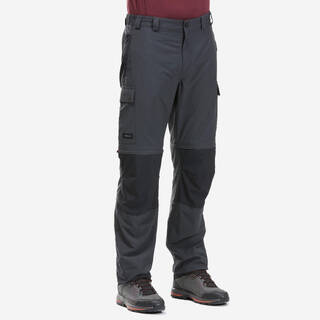
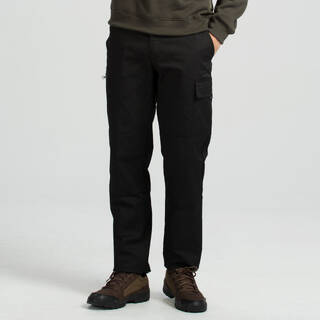

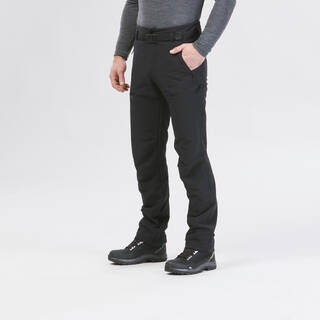
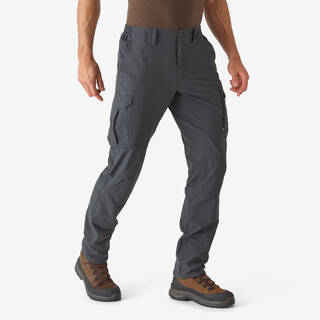
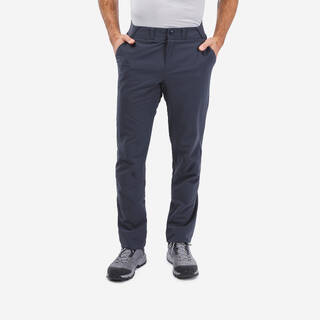
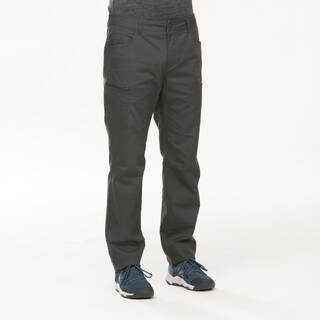
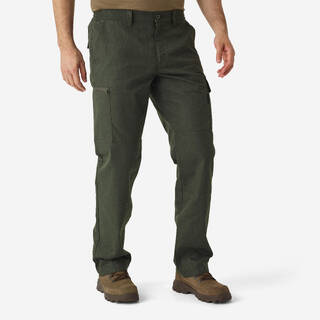

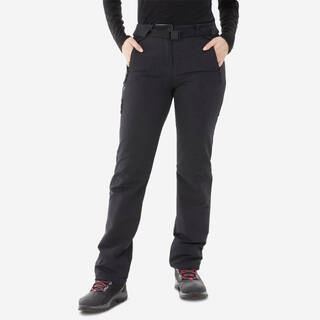
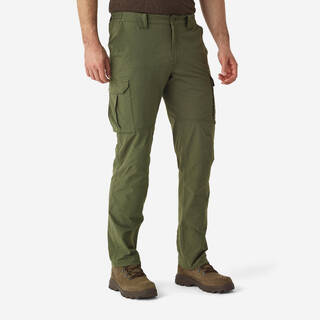
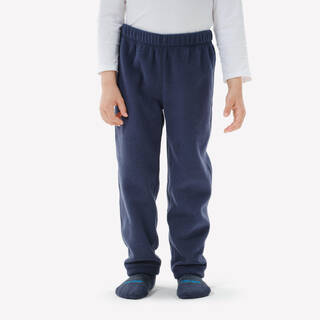
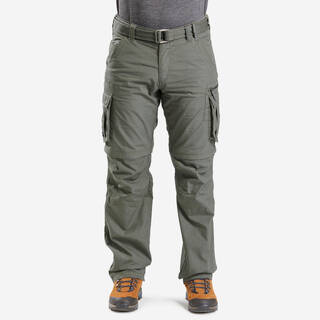
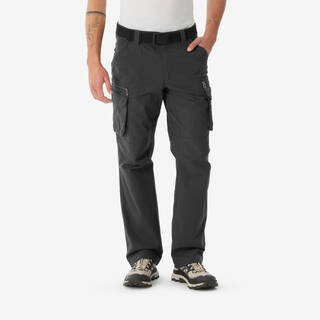
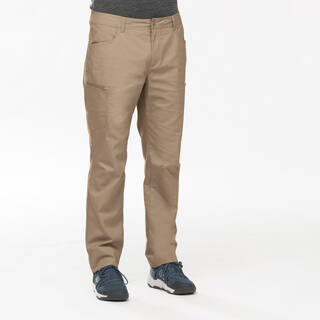

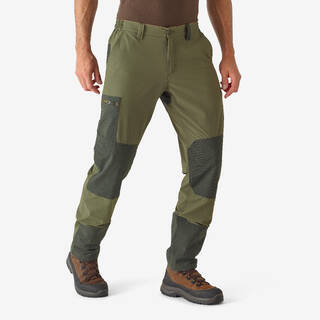


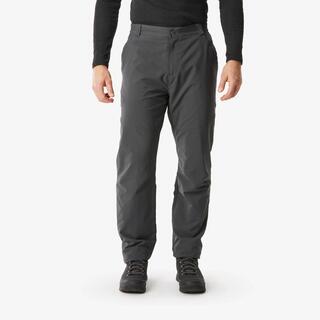

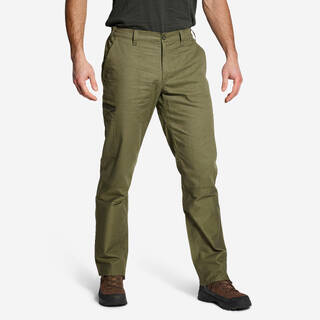
Quechua Trekking Pants: Ripstop Weave Construction and Abrasion Resistance for Himalayan Trails
Quechua trekking pants utilize ripstop polyester weaves with reinforced grid patterns that prevent tear propagation when snagged on sharp granite edges or thorny scrub vegetation common across Western Ghats and Himalayan approach trails. The reinforcement grid typically features thicker yarns woven at 5mm to 8mm intervals, creating a structural lattice that isolates puncture points. This construction proves critical during scrambles over Rohtang Pass boulder fields or dense rhododendron thickets in Uttarakhand, where single-layer fabrics fail rapidly. Fabric weights range from 180 GSM for summer alpine treks to 240 GSM for winter expeditions requiring wind resistance and thermal retention.
Abrasion-resistant panels appear at high-wear zones including knee fronts, seat areas, and lower leg cuffs where contact with rock faces and backpack hip belts concentrates friction forces. These panels often use double-layer lamination or incorporate Cordura nylon blends with denier ratings between 500D and 1000D, delivering measurably longer service life during multi-day treks. The seat reinforcement becomes essential during rest breaks on rocky outcrops or when glissading down snow slopes in Ladakh and Spiti Valley. Articulated knee construction with pre-shaped pattern cutting allows full range of motion during high-step maneuvers on steep inclines without fabric binding at the patella or restricting quadriceps extension.
Moisture Management and Quick-Dry Polyester Blends for Monsoon Trekking Conditions
Indian monsoon trekking from June through September demands fabrics with rapid moisture evacuation rates to prevent prolonged skin contact with saturated textiles. Polyester and polyamide blends used in Quechua trekking pants exhibit hydrophobic fiber structures that resist water absorption, maintaining fabric weights within 10 to 15 percent of dry mass even after sustained rainfall exposure. This characteristic contrasts sharply with cotton twill pants that can absorb up to 25 times their weight in water, creating heavy, chafing loads during climbs to Triund or Valley of Flowers. Quick-dry performance typically achieves 80 percent moisture evaporation within 90 to 120 minutes under ambient airflow conditions at 25°C and 60 percent relative humidity.
Ventilation systems include mesh-backed thigh vents with two-way YKK zippers that open across 20cm to 30cm lengths, creating chimney airflow that expels trapped humid air during strenuous ascents. These vents prove particularly effective during afternoon humidity spikes in Sahyadri ranges where temperatures reach 32°C with 85 percent humidity. Interior moisture-wicking treatments use capillary action to pull perspiration away from skin surfaces and distribute it across larger fabric areas for accelerated evaporation. Waistband construction incorporates elastic sections with moisture-wicking knit linings that prevent sweat pooling and reduce friction against lumbar regions during long approach marches with loaded backpacks.
Convertible Zip-Off Designs and Modular Leg Length Adjustment for Variable Altitude Conditions
Convertible trekking pants feature full-perimeter leg zippers positioned 10cm to 15cm above the knee joint, allowing rapid conversion to shorts without removing footwear or gaiters. This modularity addresses dramatic temperature fluctuations encountered during single-day treks that begin in cool pre-dawn valley floors at 8°C and climb to sun-exposed ridgelines reaching 28°C by midday. The zipper placement sits above the patella to avoid interference with knee articulation during steep descents or when kneeling to adjust crampon bindings. YKK Vislon or coil zippers with locking sliders prevent accidental separation during bushwhacking through dense undergrowth.
Detached lower leg sections pack into integrated stuff pockets or attach to backpack compression straps using snap loops, eliminating the need to carry separate shorts. This system reduces total packed weight by 180 to 220 grams compared to carrying both full pants and dedicated shorts. The conversion process completes in under 30 seconds per leg, enabling quick adaptation when crossing from shaded forest sections into exposed scree slopes or when afternoon cloud cover suddenly dissipates at high camps above 4000 meters. Hem adjustments use elastic cord locks or Velcro tabs to cinch lower leg openings around boot cuffs, preventing fabric from snagging on crampon points or trailing into mud during monsoon stream crossings.
UPF 50+ Sun Protection and Thermal Regulation for High-Altitude UV Exposure
Ultraviolet radiation intensity increases approximately 10 to 12 percent per 1000 meters of altitude gain, making sun protection critical during Himalayan treks above 3500 meters where atmospheric filtering diminishes. Quechua trekking pants with UPF 50+ ratings block over 98 percent of UVA and UVB radiation through tight weave densities and integrated titanium dioxide treatments in synthetic fibers. This protection level proves essential during long traverses across Zanskar snowfields or Spiti Valley plateaus where reflected UV from snow and light-colored rock surfaces doubles total exposure. Fabric construction maintains UPF ratings through 50-plus wash cycles without significant degradation when laundered according to care specifications.
Dark-colored fabrics in charcoal, navy, or forest green absorb solar radiation more readily than light colors, requiring careful material selection to balance sun protection with heat management. Advanced polyester blends incorporate hollow-core fibers that create insulating air pockets while maintaining breathability, reducing radiant heat transfer to skin by 15 to 20 percent compared to solid-core yarns. This thermal regulation becomes critical during afternoon sun exposure on south-facing slopes where surface temperatures exceed 40°C despite ambient air temperatures remaining at 18°C. Mesh pocket bags and waistband sections use lighter-colored fabrics to reduce heat buildup in areas with minimal UV exposure risk.
Reinforced Belt Loops and Cargo Pocket Systems for Load Distribution and Trail Accessibility
Belt loop construction uses bar-tack stitching with minimum 8mm stitch lengths and triple-pass reinforcement to withstand lateral forces from fully loaded climbing harnesses or heavy-duty trekking belts carrying water bottles and GPS units. Standard belt loops accommodate webbing widths up to 50mm, compatible with both lightweight nylon belts and robust leather expedition belts. The loop spacing follows ergonomic distribution patterns with six to seven attachment points around the waist circumference to prevent rotation under asymmetric loads when carrying side-mounted gear pouches.
Cargo pocket placement on outer thigh panels provides quick access to navigation tools, energy bars, and sunscreen without removing backpacks during brief trail stops. Pocket volumes range from 0.8 to 1.2 liters with flap closures using snap buttons or Velcro strips that secure contents during scrambling sections. Interior mesh dividers separate small items like compass units from larger objects such as folded maps or first-aid supplies. Zippered security pockets on rear panels or inner waistbands protect valuables including permits, identification documents, and emergency cash during crowded trailhead sections or tea house overnight stays. Pocket flaps extend 15mm to 20mm beyond pocket openings to shed rain and prevent water intrusion during downpours.
Forclaz Mountain Trekking Pants: Technical Fit Profiles and Gusseted Crotch Engineering for Extended Range of Motion
Forclaz trekking pants incorporate diamond-shaped gusset panels at the crotch intersection, typically measuring 8cm to 12cm along each edge, which eliminate fabric tension during high-step movements over fallen logs or when lifting legs to clear waist-high boulder obstacles. This gusset construction uses four-way stretch fabrics with 15 to 20 percent elastane content that recover to original dimensions after repeated stretching cycles. The engineering addresses biomechanical demands of steep ascents where hip flexion angles exceed 90 degrees and standard straight-cut pants create restrictive pulling across the groin and inner thigh regions.
Articulated knee shaping uses curved pattern pieces that match the natural 10 to 15 degree bend of the knee joint during walking gait cycles, reducing fabric bunching behind the knee and preventing pressure points during descents. This pre-curved construction becomes particularly valuable during long downhill sections from Kedarkantha summit or Sandakphu ridge where repetitive knee flexion over 8 to 10 kilometers can cause chafing with poorly designed pants. Waist rise options include regular rise (25cm to 28cm front rise) for standard torso proportions and high rise (30cm to 33cm) for longer torso builds or when wearing climbing harnesses that require higher pant waistbands to prevent interference with harness leg loops. Flat-seam construction throughout the inseam and inner leg panels uses offset stitching that positions seam bulk away from skin contact zones, reducing friction during 15 to 20 kilometer daily trek distances.
FAQ (Frequently Asked Questions)
Q1. What is the difference between trekking and hiking pants?
While the terms 'trekking' and 'hiking' are often used interchangeably, there are some subtle differences. Trekking pants are typically designed for more strenuous, multi-day adventures, offering enhanced durability, weather protection, and features like reinforced knees. Hiking pants, on the other hand, are generally lighter and more breathable, suitable for day hikes or less demanding outdoor activities.
Q2. How should trekking and hiking pants fit?
Trekking and hiking pants should have a comfortable, athletic fit that allows for unrestricted movement. They should not be too tight or too loose, as this can impede your mobility or cause chafing. Look for pants with a gusseted crotch, articulated knees, and a slightly relaxed fit through the thighs and calves for optimal comfort and range of motion.
Q3. What are the benefits of convertible trekking and hiking pants?
Convertible trekking and hiking pants offer versatility by allowing you to convert them into shorts. This feature is particularly useful when facing varying temperatures or terrain conditions during your outdoor adventures. The ability to quickly convert your pants into shorts can help you regulate your body temperature and stay comfortable throughout your journey.
Q4. Are waterproof trekking and hiking pants necessary?
The need for waterproof trekking and hiking pants depends on the weather conditions you expect to encounter and the intensity of your activities. If you plan to hike in wet or rainy conditions, or if your trek involves crossing streams or navigating through dense vegetation, waterproof pants can help keep you dry and comfortable. However, for milder conditions or shorter hikes, water-resistant or quick-drying pants may suffice.
Q5. How do I choose the right fabric for trekking and hiking pants?
When choosing the fabric for trekking and hiking pants, consider the following factors: breathability, moisture-wicking properties, durability, and weather protection. Synthetic fabrics like nylon and polyester are popular choices as they are lightweight, quick-drying, and offer good breathability. Look for fabrics with added technologies like DryVent or UPF protection for enhanced performance.
Q6. Can I wear trekking and hiking pants for other outdoor activities?
Absolutely! Trekking and hiking pants are versatile and can be worn for a variety of outdoor activities beyond just hiking and trekking. Their durable construction, moisture-wicking properties, and freedom of movement make them suitable for activities like camping, rock climbing, cycling, and even casual outdoor pursuits like gardening or yard work.
Q7. How do I care for and maintain my trekking and hiking pants?
Proper care and maintenance are essential for prolonging the lifespan of your trekking and hiking pants. Follow the care instructions on the garment label, and use a mild, technical detergent designed for outdoor apparel. Avoid fabric softeners, as they can compromise the pants' performance properties. Air-drying is recommended to prevent damage to the fabric and DWR coatings from excessive heat.
Q8. What additional features should I look for in trekking and hiking pants?
When choosing trekking and hiking pants, consider features like zippered vents for added ventilation, reinforced knees for durability, articulated knees for improved mobility, and secure pockets for carrying essentials. Some pants also offer sun protection with built-in UPF ratings, which can be beneficial for extended outdoor exposure.
Q9. Can I wear trekking and hiking pants in urban settings?
While trekking and hiking pants are primarily designed for outdoor adventures, many modern styles can also be worn in urban settings. Look for pants with a more streamlined, casual design that can easily transition from the trail to the city. The moisture-wicking and quick-drying properties of these pants can also be beneficial for everyday wear, especially in warmer climates.
Q10. How do I choose the right size for trekking and hiking pants?
To ensure a proper fit, carefully check the size chart provided by the manufacturer and take accurate measurements. Trekking and hiking pants should have a comfortable, athletic fit that allows for unrestricted movement without being too tight or too loose. Consider trying on different sizes and styles in-store to find the perfect fit for your body type and intended activities.
Q11. What fabric weight should I choose for summer treks in Himachal Pradesh versus winter expeditions in Ladakh?
Summer treks from May to September perform best with 160 GSM to 200 GSM lightweight polyester pants that prioritize breathability and quick-dry performance for temperatures between 15°C and 25°C. Winter expeditions in Ladakh from October to March require 220 GSM to 260 GSM fabrics with tighter weaves for wind resistance and thermal retention when temperatures drop to minus 10°C to minus 20°C at high camps. Consider convertible designs for shoulder seasons when you encounter both warm valley approaches and cold high-altitude camps within single-day itineraries.
Q12. How do I determine the correct inseam length for trekking pants when wearing them with high-ankle trekking boots?
Measure from your crotch seam to the top of your boot collar when standing, then add 3cm to 5cm for proper stacking over boot cuffs without excess fabric dragging on trails. Standard inseam lengths run 76cm for short builds, 81cm for regular, and 86cm for tall proportions. The hem should rest 2cm to 3cm below your ankle bone when standing, allowing slight gathering over boot tongues without creating trip hazards or exposing skin during seated rest positions.
Q13. Can trekking pants with water-repellent DWR coatings handle monsoon rainfall, or do I need separate rain pants?
DWR-treated trekking pants shed light drizzle and brief showers for 30 to 45 minutes before saturation occurs, but they are not waterproof and will eventually wet through during sustained monsoon downpours. For treks during peak monsoon months, carry separate waterproof rain pants with taped seams and minimum 5000mm hydrostatic head ratings. Use DWR pants as your primary layer for dry conditions and quick moisture protection, switching to full rain gear when rainfall intensity exceeds light precipitation.
Q14. What is the difference between Quechua MH500 and Forclaz Trek 500 trekking pants in terms of technical specifications?
Quechua MH500 pants target day hikers and weekend trekkers with 180 GSM to 200 GSM fabrics, standard cargo pockets, and basic articulated knees suitable for moderate trails with 500 to 800 meter elevation gains. Forclaz Trek 500 models use 220 GSM to 240 GSM reinforced fabrics with advanced gusseted crotch construction, additional abrasion panels, and optimized pocket placement for multi-day expeditions involving technical terrain and 1000-plus meter daily ascents. Forclaz lines also incorporate longer inseam options and more aggressive pre-curved knee shaping for extended range of motion during scrambling sections.
Q15. How should I wash and maintain ripstop trekking pants to preserve water-repellent coatings and fabric durability?
Machine wash in cold water (30°C maximum) using technical fabric detergents without fabric softeners, which clog DWR coatings and reduce water-repellent performance. Tumble dry on low heat or line dry away from direct sunlight to prevent UV degradation of synthetic fibers. Reactivate DWR coatings every 10 to 15 washes by tumbling on medium heat for 20 minutes or applying spray-on DWR treatments after cleaning. Repair small tears immediately using ripstop repair tape to prevent grid failure and expanding damage.
Q16. Are convertible zip-off trekking pants less durable than full-length pants due to the zipper weak points?
Quality convertible pants using YKK zippers with reinforced zipper tape and bar-tack stitching at stress points deliver comparable durability to full-length designs when properly maintained. The zipper itself rarely fails before fabric wear occurs in knee or seat areas. Ensure zippers remain clean and lubricated using zipper wax or silicone spray every 20 to 30 uses to prevent jamming from trail dust and grit accumulation. Avoid forcing stuck zippers, which can separate teeth or damage slider mechanisms.
Q17. What waist closure system works best for trekking with a heavy backpack: button fly, zipper fly, or elastic waistband?
Zipper fly with snap or button closure provides the most secure and adjustable fit under hip belt pressure from loaded backpacks weighing 12 to 18 kilograms. Elastic waistbands with drawcord adjustments offer superior comfort during long trekking days but may shift position under sustained hip belt loads. Hybrid designs combining partial elastic sections with zipper fly closures deliver both security and comfort. Ensure waistband height sits 2cm to 3cm above your hip belt bottom edge to prevent overlap and pressure point formation during 6 to 8 hour trekking days.
Q18. How do I select trekking pants for hot and humid conditions in Western Ghats versus cold and dry conditions in Spiti Valley?
Western Ghats treks during monsoon require maximum breathability with lightweight 160 GSM to 180 GSM fabrics, large mesh vents, and quick-dry polyester blends that handle 80 to 90 percent humidity and frequent rain exposure. Spiti Valley's cold, arid climate demands wind-resistant 220 GSM to 240 GSM fabrics with tighter weaves, minimal venting, and optional fleece linings for temperatures dropping to minus 5°C to minus 15°C at night. Prioritize moisture management for humid environments and thermal retention with wind blocking for high-altitude desert conditions.
Q19. Do trekking pants require any break-in period before a multi-day trek, or can I wear them immediately?
Wear new trekking pants for at least two to three shorter day hikes totaling 10 to 15 kilometers before committing to multi-day expeditions. This break-in period identifies any fit issues, chafing points, or restrictive areas that need adjustment while you still have time to exchange sizes or modify gear. Test pants with your actual trekking boots, backpack, and layering system to ensure waistband positioning, pocket accessibility, and range of motion meet your specific requirements under loaded conditions.
Q20. Can I use regular cotton cargo pants for trekking, or are technical synthetic trekking pants necessary?
Cotton pants absorb moisture readily, dry slowly, and lose insulating properties when wet, creating serious risks during sudden weather changes or stream crossings in mountain environments. Technical synthetic trekking pants dry 4 to 5 times faster than cotton, maintain thermal properties when damp, and weigh 30 to 40 percent less when saturated. For any trek involving altitude gain above 2500 meters, variable weather, or multi-day duration, synthetic technical pants provide essential performance and safety advantages that cotton cannot match.