Windbreaker Jackets



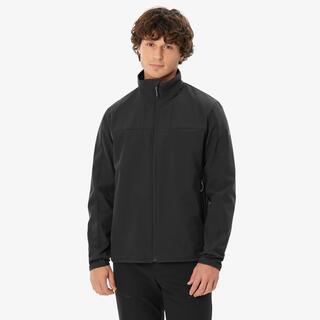
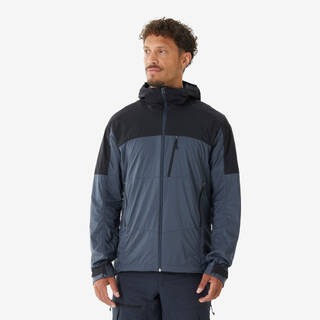
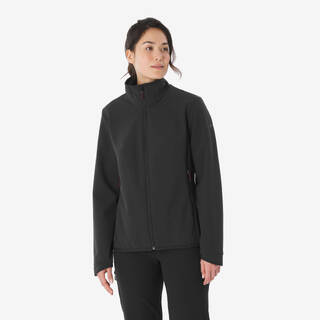
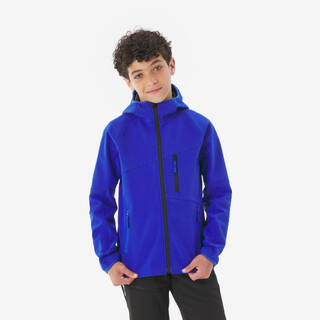

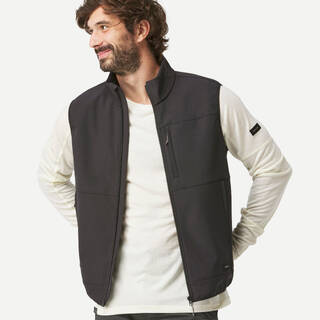
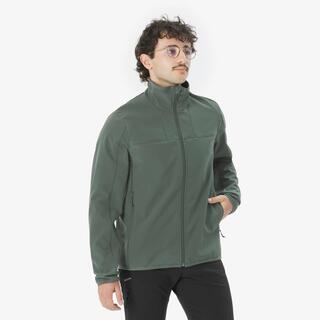
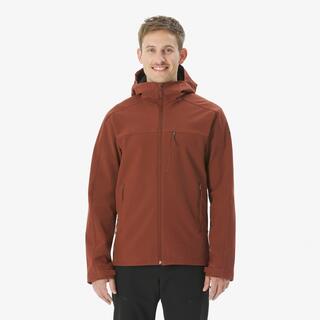

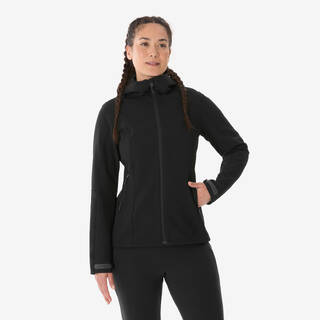
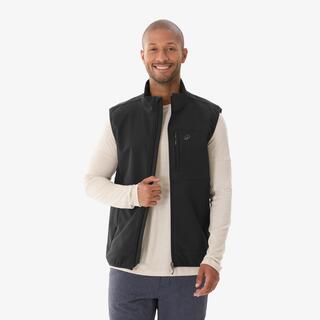

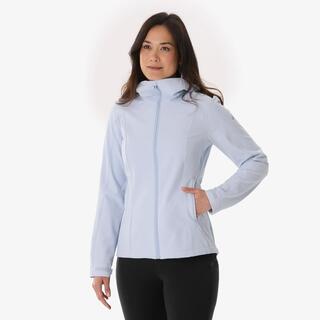
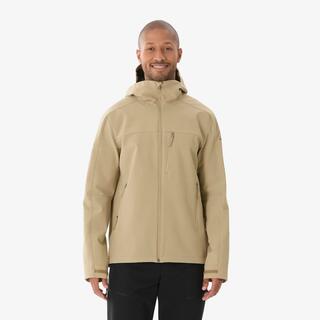
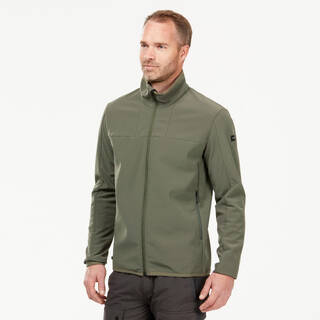
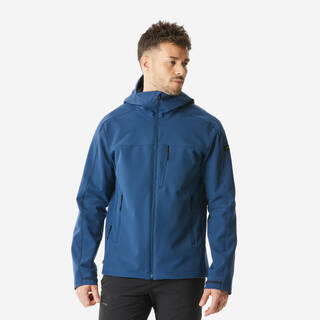
Buy Windbreaker Jackets Online at Decathlon India | Windbreaker for Men, Women & Kids
Windbreaker jackets offer lightweight wind protection without the bulk of heavy outerwear. Designed for active movement, these jackets shield you from sudden gusts during morning runs, evening cycling sessions, or weekend treks across open terrain. The breathable fabric construction allows body heat to escape while blocking cold wind, making them ideal for Indian conditions where temperatures can drop sharply during early mornings or at higher altitudes. Compact and easy to pack, a windbreaker fits into any backpack or gym bag when not in use.
Decathlon India's windbreaker collection includes options from Quechua for hiking and outdoor activities, Kiprun for runners seeking aerodynamic fits, and Domyos for gym-goers who train outdoors. Each jacket balances wind resistance with moisture management, ensuring you stay comfortable during high-intensity workouts or casual outdoor walks. The range covers men, women, and kids, with adjustable hoods, elastic cuffs, and zippered pockets that secure essentials during movement. Reflective strips on select models enhance visibility during low-light conditions on roads or trails.
How to Choose the Right Windbreaker Jacket
Start by identifying your primary activity. Runners benefit from slim-fit designs with minimal fabric flapping, while hikers need slightly relaxed fits that layer over fleece or thermal wear. Check the fabric weight, typically measured in grams per square meter (GSM). Lighter fabrics around 80 to 100 GSM pack smaller and suit moderate wind conditions, while heavier constructions near 120 to 150 GSM provide better durability for rugged outdoor use. Look for water-repellent coatings if you encounter light drizzle or morning dew on trails.
Ventilation features matter for Indian humidity levels. Mesh-lined back panels or underarm vents allow airflow during intense activity, preventing sweat buildup inside the jacket. Adjustable hems and cuffs help seal out wind without restricting movement. For cycling or running on roads, prioritize models with reflective elements placed on the chest, back, or sleeves. Kids' windbreakers should include bright colors for easy visibility and simple zipper pulls that small hands can operate independently.
Windbreaker Jackets for Running and Outdoor Training
Runners need windbreakers that move with the body without adding resistance. Kiprun windbreakers feature streamlined cuts that reduce drag, with articulated sleeves that follow natural arm swing patterns. The fabric stretches slightly during stride extension, eliminating the stiff feel of non-stretch materials. Thumb loops on some models keep sleeves in place during arm movement, preventing cold air from entering at the wrists.
For outdoor training sessions in parks or open grounds, look for jackets with zippered chest or side pockets that hold your phone, keys, or energy gels securely. Elastic drawcords at the hem allow you to cinch the jacket close to your body, stopping wind from billowing the fabric upward during sprints or interval work. The lightweight construction means you barely notice the jacket after the first few minutes of warming up, yet it provides consistent wind protection throughout your session.
Windbreaker Jackets for Hiking and Trekking
Quechua windbreakers cater to hikers who face changing weather across elevation gains. These jackets use ripstop fabric that resists tears from branches or rough rock surfaces. The slightly longer back hem provides extra coverage when you bend forward on steep climbs or when wearing a backpack with a hip belt. Adjustable hoods with stiffened peaks keep rain and wind off your face without obstructing peripheral vision on narrow trails.
Packability becomes crucial on multi-day treks where every gram counts. Many Quechua models compress into their own integrated pocket, creating a bundle roughly the size of a water bottle. This allows you to stash the jacket inside your pack during warm midday hours and pull it out quickly when you reach exposed ridges or windy passes. Reinforced shoulder panels handle the friction from backpack straps without showing wear after repeated use.
Windbreaker Jackets for Kids and Family Outdoor Activities
Kids' windbreakers prioritize ease of use and durability through active play. Large zipper pulls allow children to dress themselves without adult help, building independence during family camping trips or school sports days. Bright color options in red, blue, or green make it easier to spot your child in crowded parks or on busy trails. Elastic cuffs stay in place without tight bands that leave marks on young skin.
For family cycling outings or picnics in windy open spaces, matching windbreakers for adults and kids create a cohesive look while ensuring everyone stays comfortable. The jackets layer easily over hoodies or sweatshirts when temperatures drop unexpectedly. Reinforced elbows and shoulders withstand the rough-and-tumble nature of playground activities, while the lightweight fabric dries quickly if kids get caught in light rain or splash through puddles.
Care and Maintenance Tips for Windbreaker Jackets
Windbreakers maintain their performance when washed correctly. Turn the jacket inside out before placing it in the washing machine on a gentle cycle with cold water. Use mild liquid detergent and avoid fabric softeners, which can clog the fabric's pores and reduce breathability. Skip the dryer and instead hang the jacket in a well-ventilated area away from direct sunlight, which can degrade water-repellent coatings over time.
Reapply water-repellent spray every 15 to 20 washes to restore the fabric's ability to shed light moisture. Store the jacket loosely folded or on a hanger in a dry closet, never compressed tightly for long periods, as this can damage the fabric structure. Check zippers regularly for dirt or sand buildup, especially after trail hikes, and clean them with a damp cloth to maintain smooth operation. Small tears can be patched with repair tape designed for outdoor fabrics, extending the jacket's usable life significantly.
FAQ (Frequently Asked Questions)
Q1. What is the difference between a windbreaker and a rain jacket?
A windbreaker blocks wind and offers light water resistance against drizzle or mist, but it is not fully waterproof. Rain jackets use sealed seams and waterproof membranes to keep you dry during heavy downpours. Windbreakers are lighter and more breathable, making them better for high-intensity activities where you generate body heat. For monsoon conditions or sustained rain, choose a dedicated rain jacket with higher waterproof ratings.
Q2. Can I wear a windbreaker in hot and humid Indian weather?
Windbreakers work well during early morning or late evening hours when temperatures drop and wind chill becomes noticeable. In hot midday conditions, the jacket may trap heat unless it has ventilation features like mesh panels or underarm vents. Choose lighter fabric weights around 80 to 100 GSM for better breathability. Remove the jacket once your body warms up during exercise and store it in your bag until needed again.
Q3. How should a windbreaker jacket fit for running?
A running windbreaker should fit close to your body without restricting arm movement or shoulder rotation. The sleeves should end at your wrist bone, and the hem should sit at your hip or slightly below. Avoid oversized fits that create excess fabric flapping during your stride. Test the fit by swinging your arms in running motion to ensure the jacket moves naturally with your body.
Q4. Are windbreaker jackets suitable for winter in North India?
Windbreakers alone provide insufficient warmth for cold North Indian winters. They work best as an outer layer over thermal wear, fleece, or insulated jackets to block wind chill. The combination of a warm base layer and a windbreaker traps body heat while preventing cold air from penetrating. For temperatures below 10 degrees Celsius, consider dedicated winter jackets with insulation instead.
Q5. How do I pack a windbreaker jacket for travel?
Most windbreakers fold into their own pocket or come with a stuff sack. Lay the jacket flat, fold the sleeves inward, then roll from the bottom hem toward the hood to minimize wrinkles. Store the compressed jacket in an outer pocket of your backpack for quick access. Avoid leaving it compressed for weeks at a time, as this can damage the fabric structure and reduce its wind-blocking effectiveness.
Q6. Can kids wear adult windbreaker jackets in smaller sizes?
Adult windbreakers in small sizes have longer sleeves and torsos designed for adult proportions, creating an awkward fit on children. Kids' windbreakers feature shorter sleeve lengths, higher armholes, and proportional torso cuts that allow natural movement during play. They also include child-friendly features like larger zipper pulls and bright colors for visibility. Always choose jackets designed specifically for kids to ensure proper fit and comfort.