
Kids Running Shoes
Filters


PriceTo
999
1,999
Gender
- Boys (13)
- Girls (13)
Category
- Trainers (13)
Size
- 11.5c (10)
- 1 (9)
- 1.5 (9)
- 12c (9)
- 13c (9)
- 2.5 (9)
- 3 (9)
- 4 (9)
- 5 (9)
- 5.5 (8)
- 10.5c (4)
- 3.5 (1)
- Uk 1 eu33 (1)
- Uk 1.5 eu34 (1)
- Uk 11.5c eu30 (1)
- Uk 12c eu31 (1)
- Uk 13c eu32 (1)
- Uk 2.5 eu35 (1)
- Uk 3 eu36 (1)
- Uk 4 eu37 (1)
- Uk 5 eu38 (1)
- Uk 5.5 eu39 (1)
Sport
- Kids multisport (12)
- Running (2)
Brand
- Decathlon (13)
Color
More Filters
- Drop (2)
- Clearance (1)

- exclude out of stock
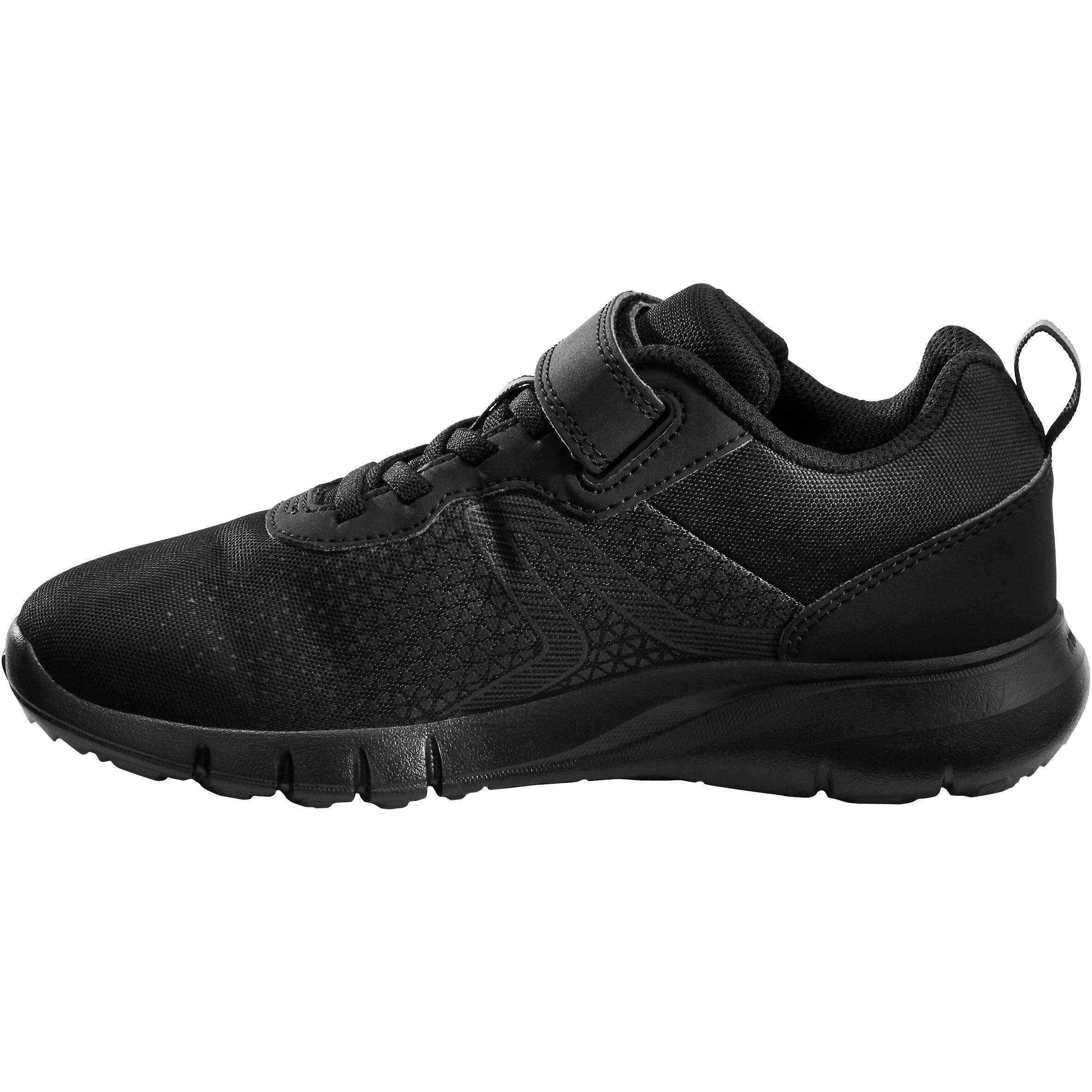
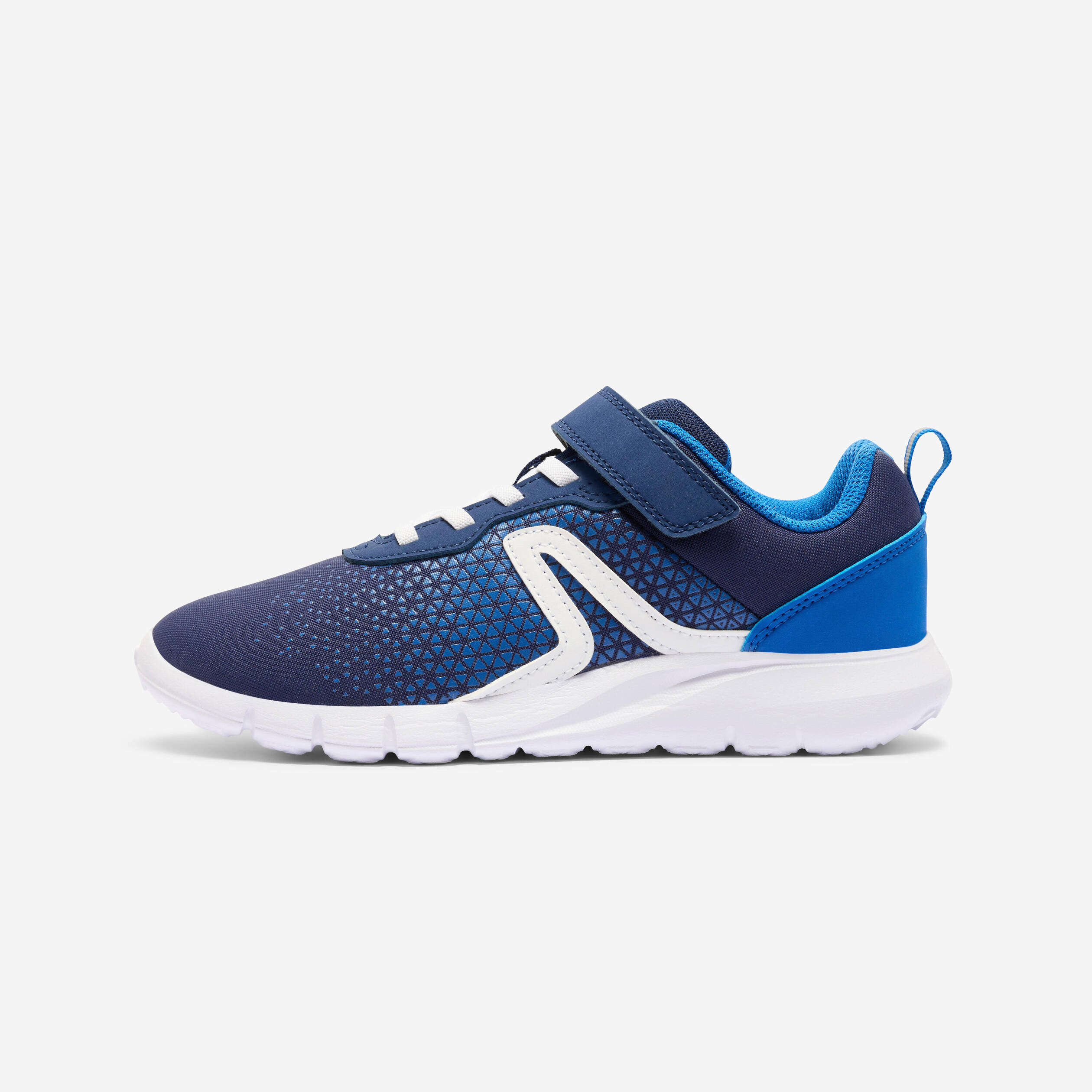
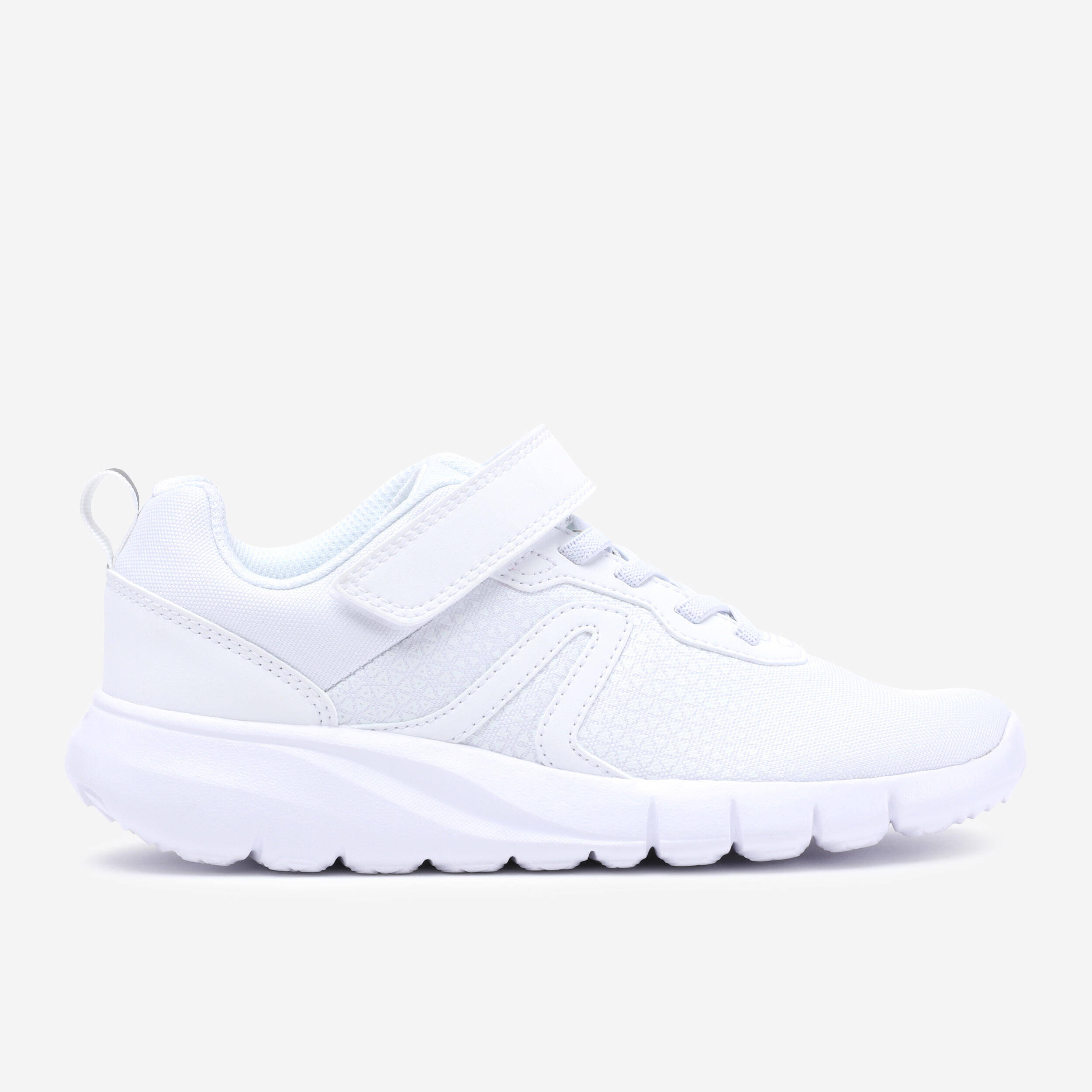
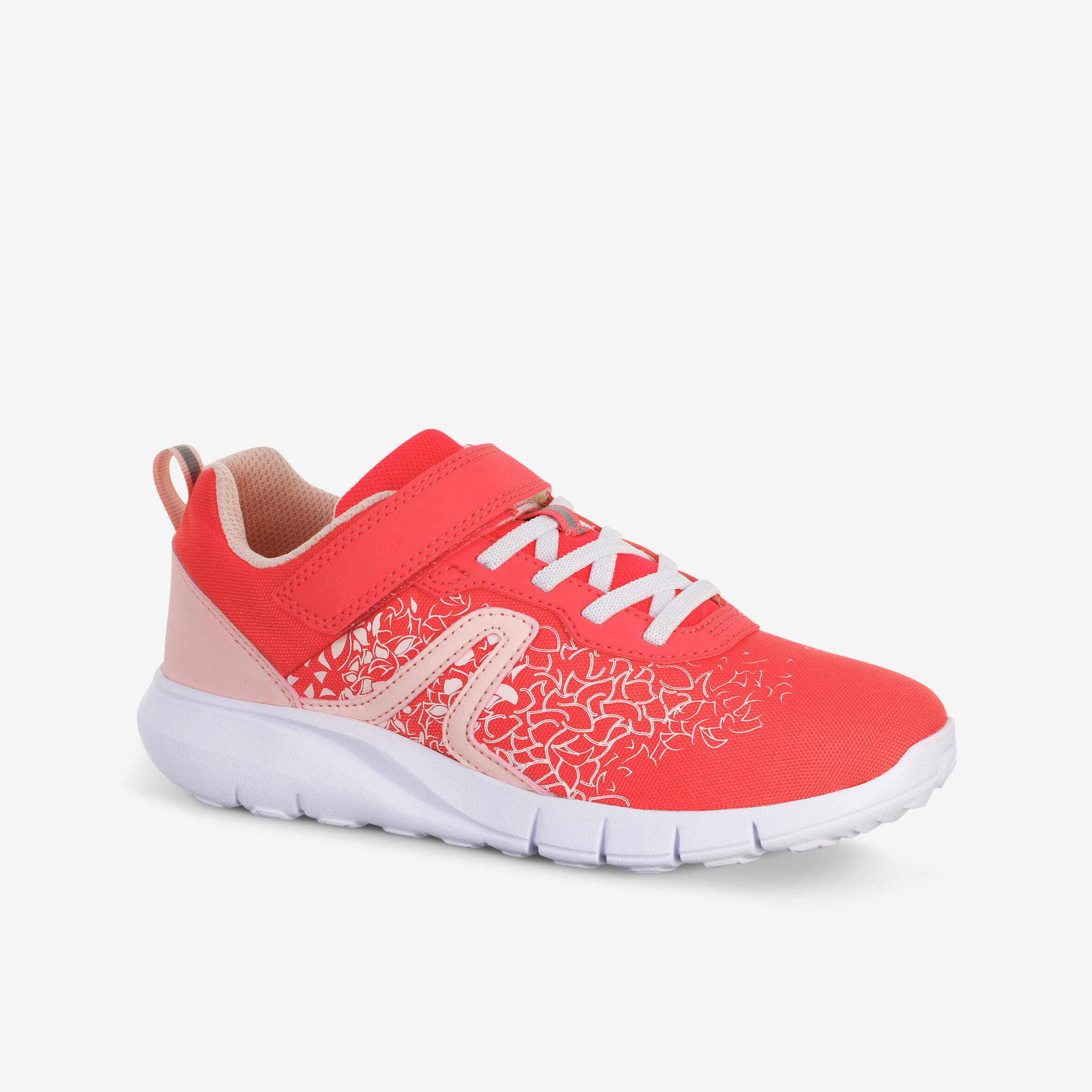

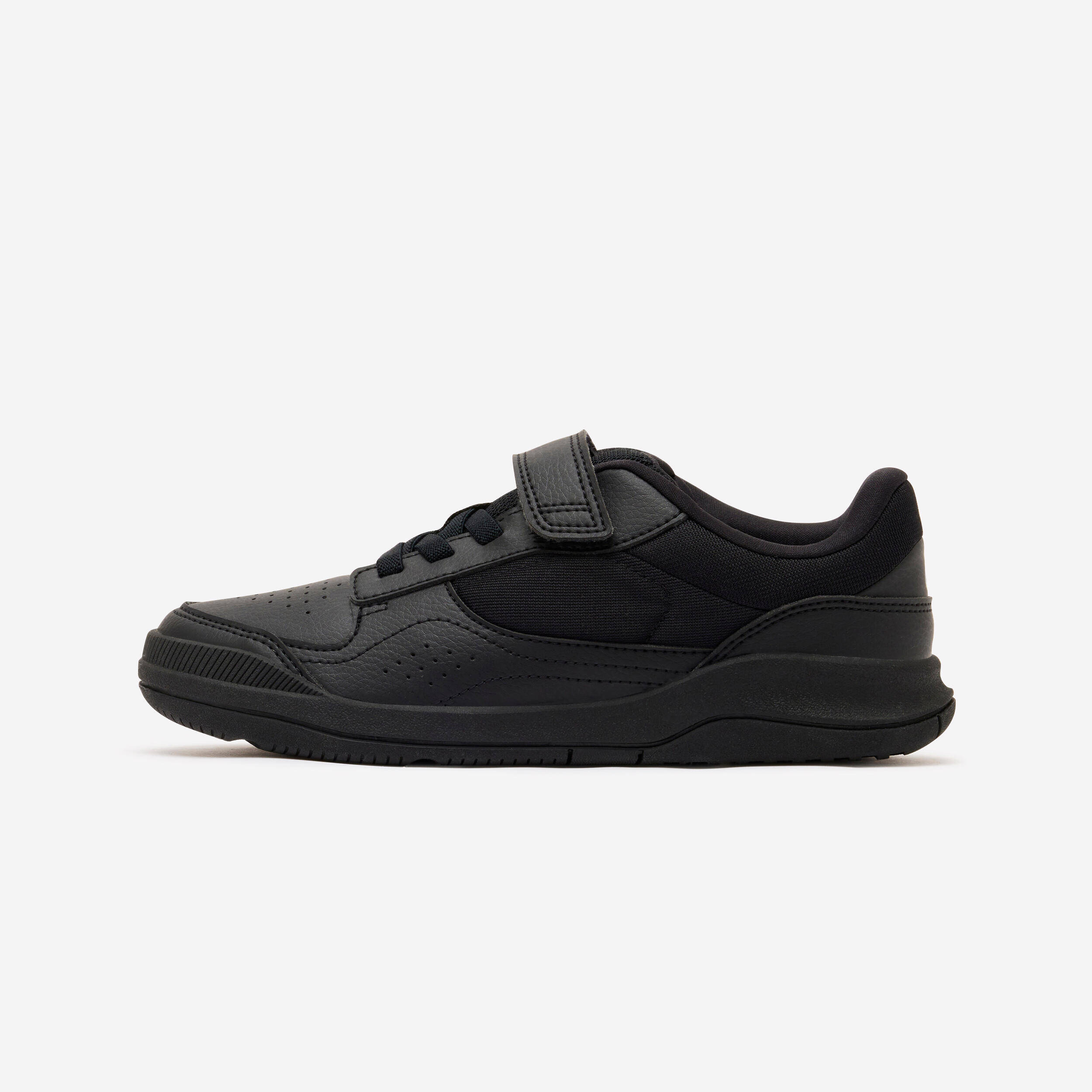
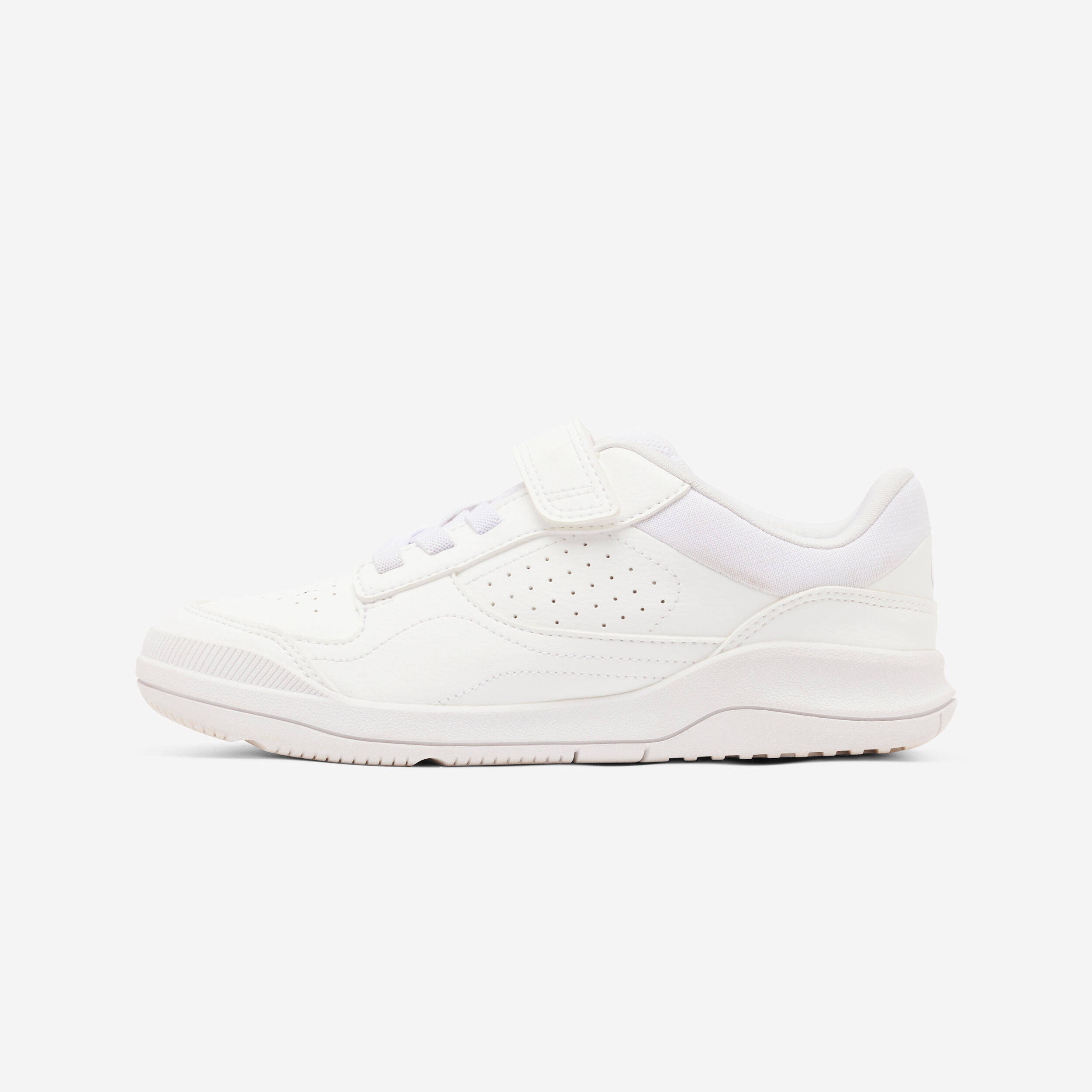
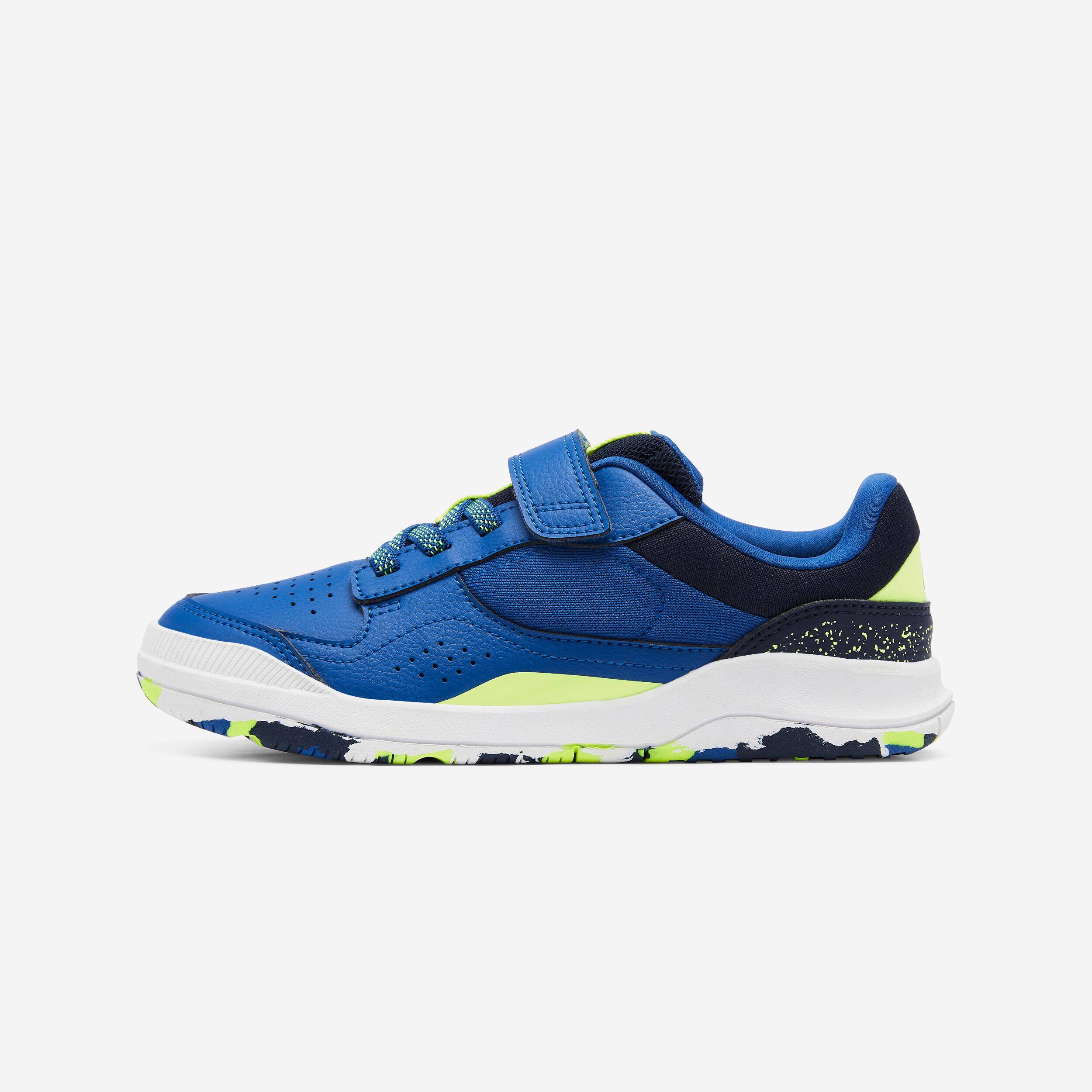
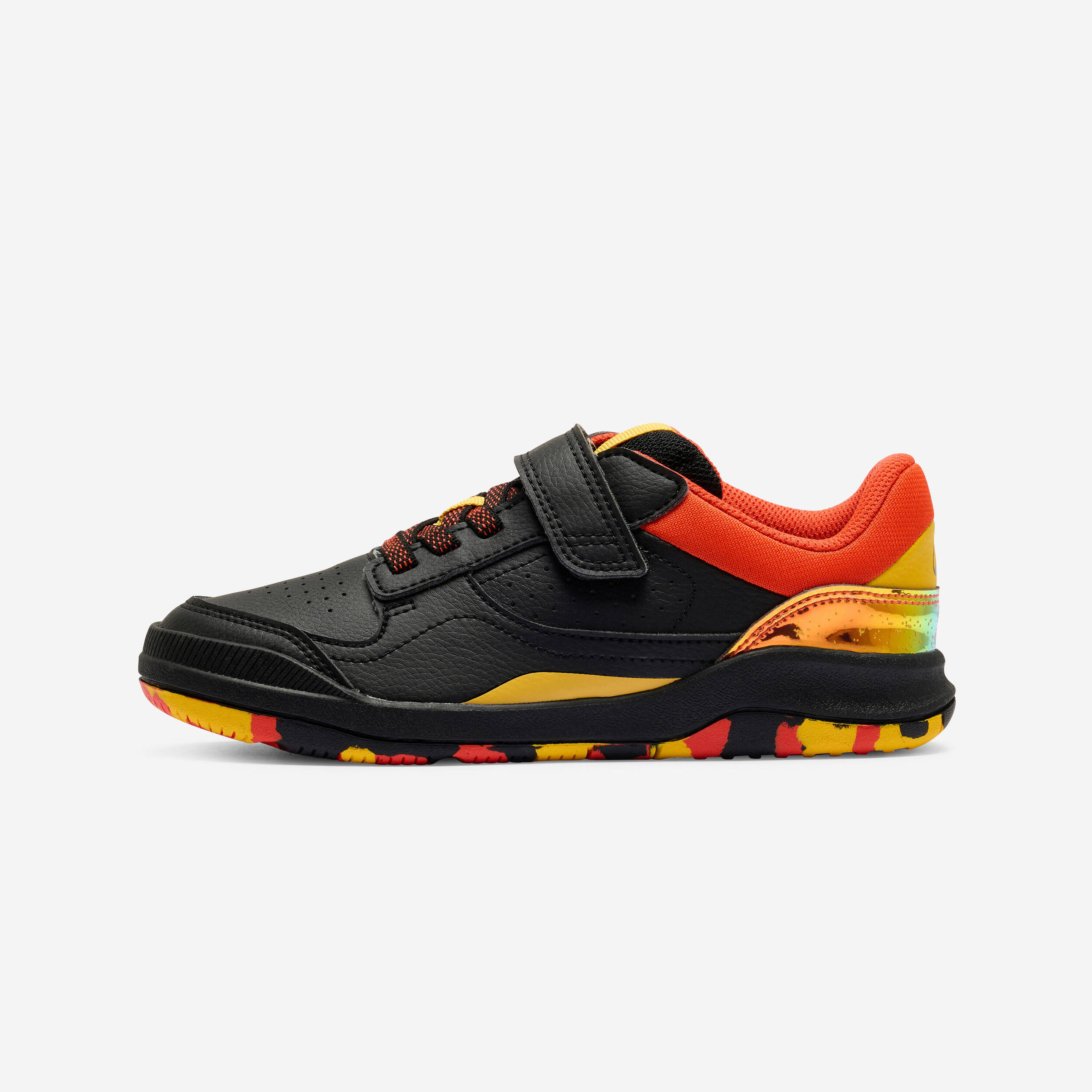
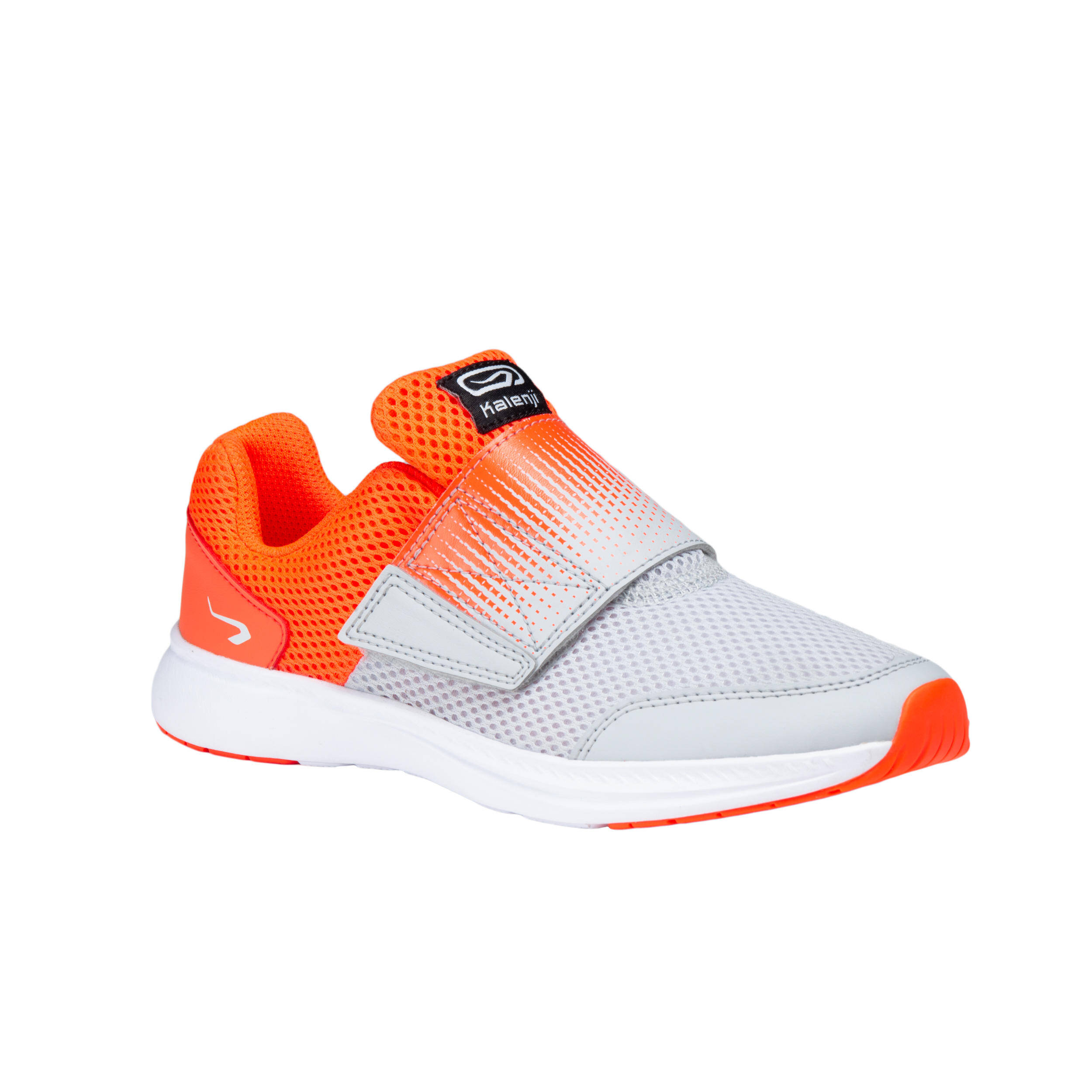
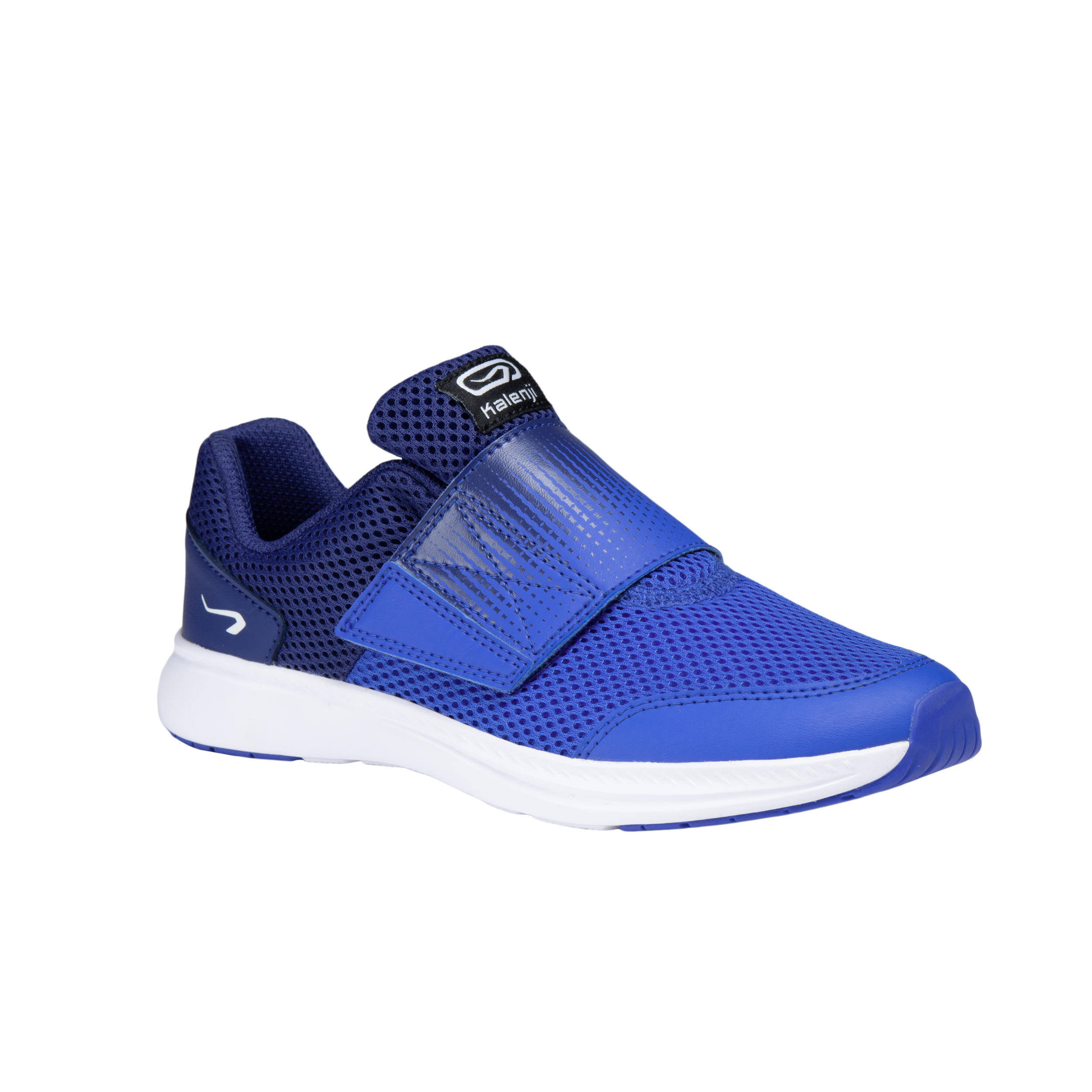
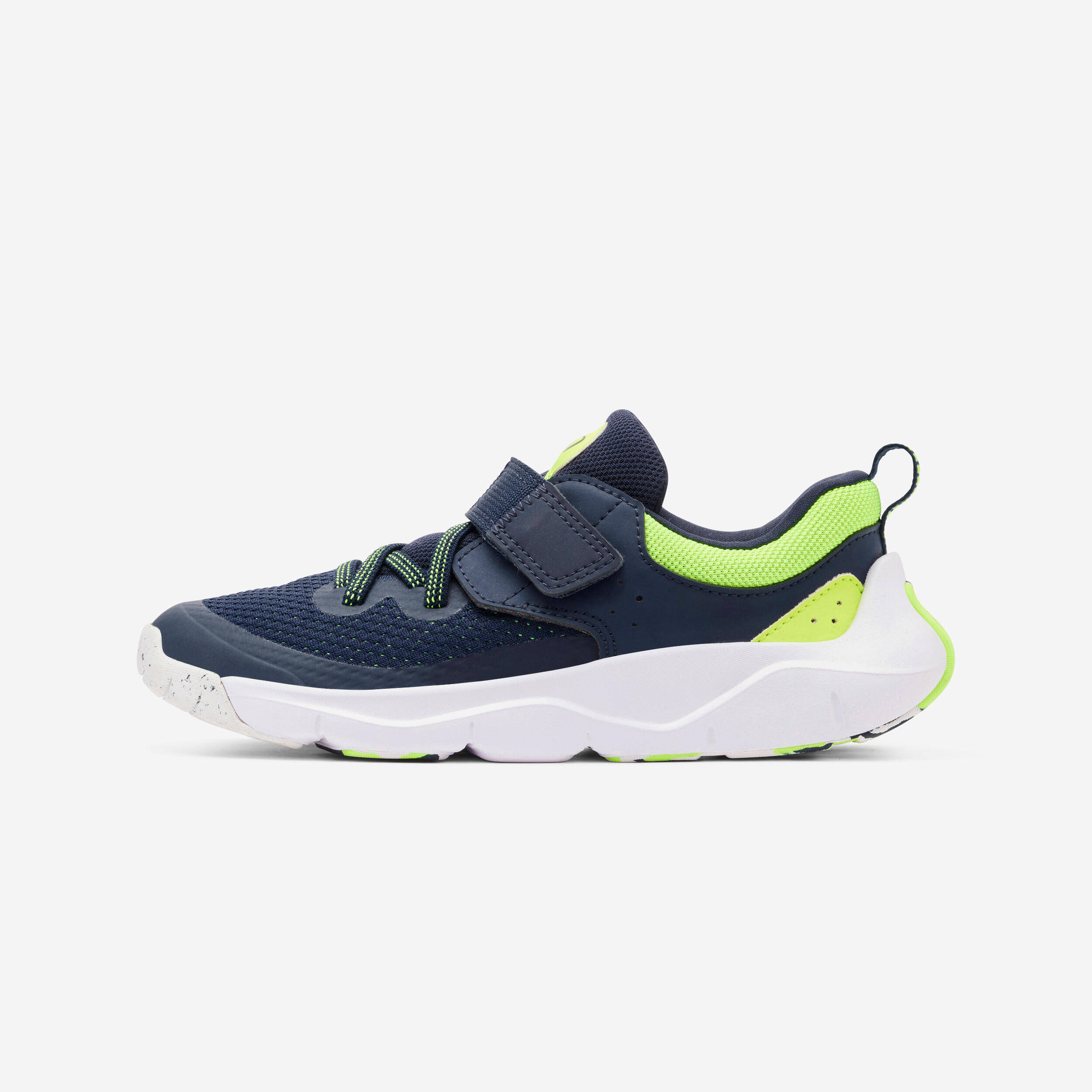
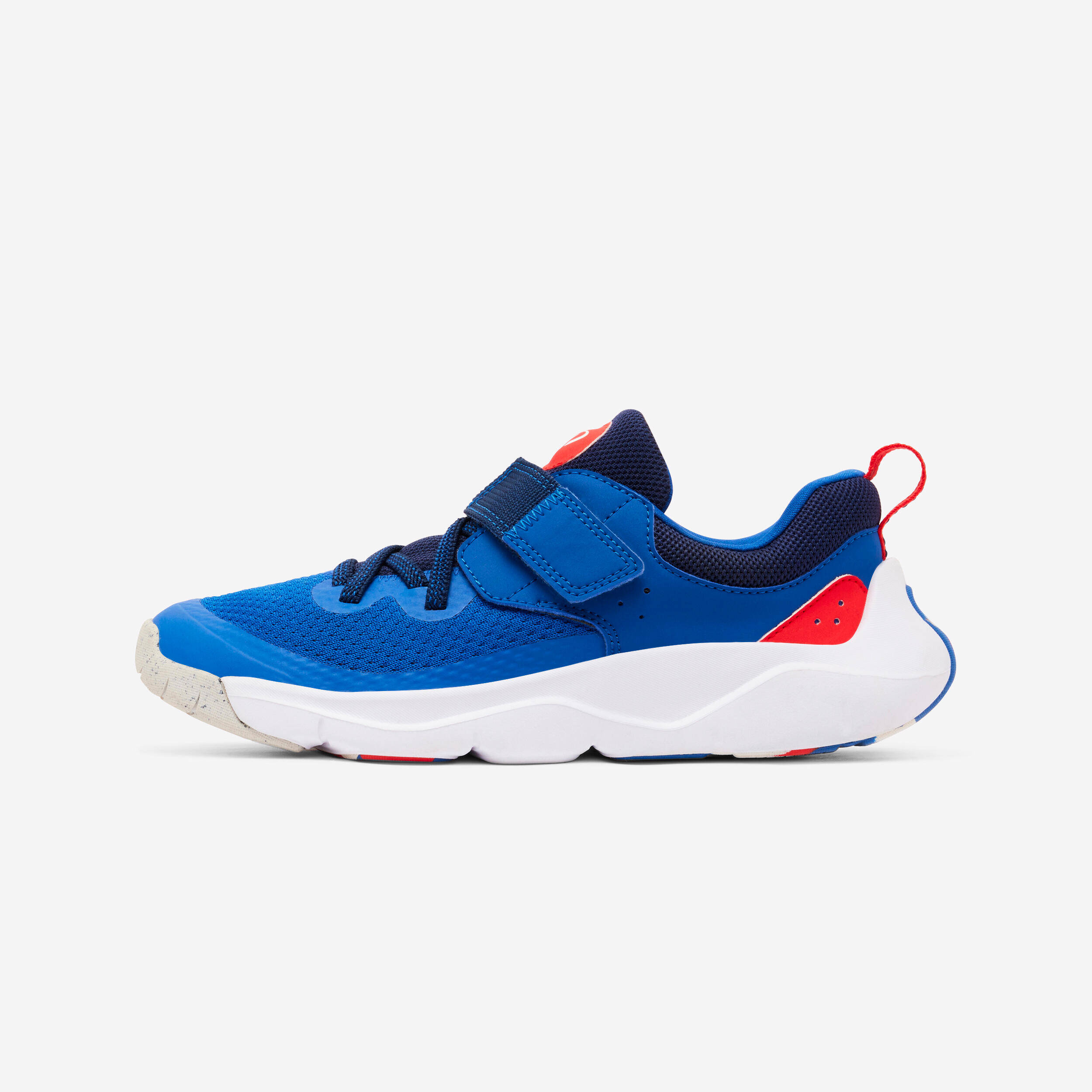
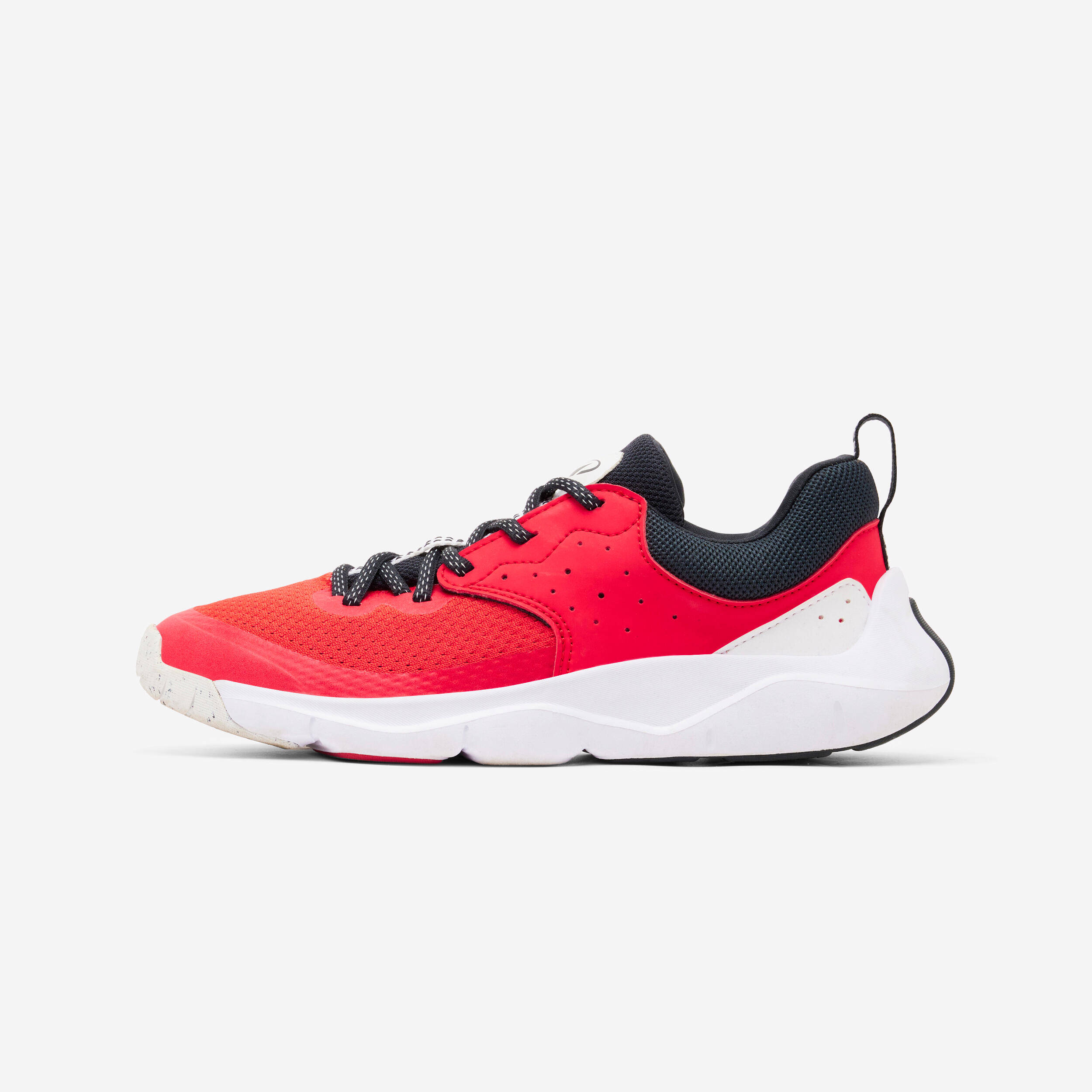

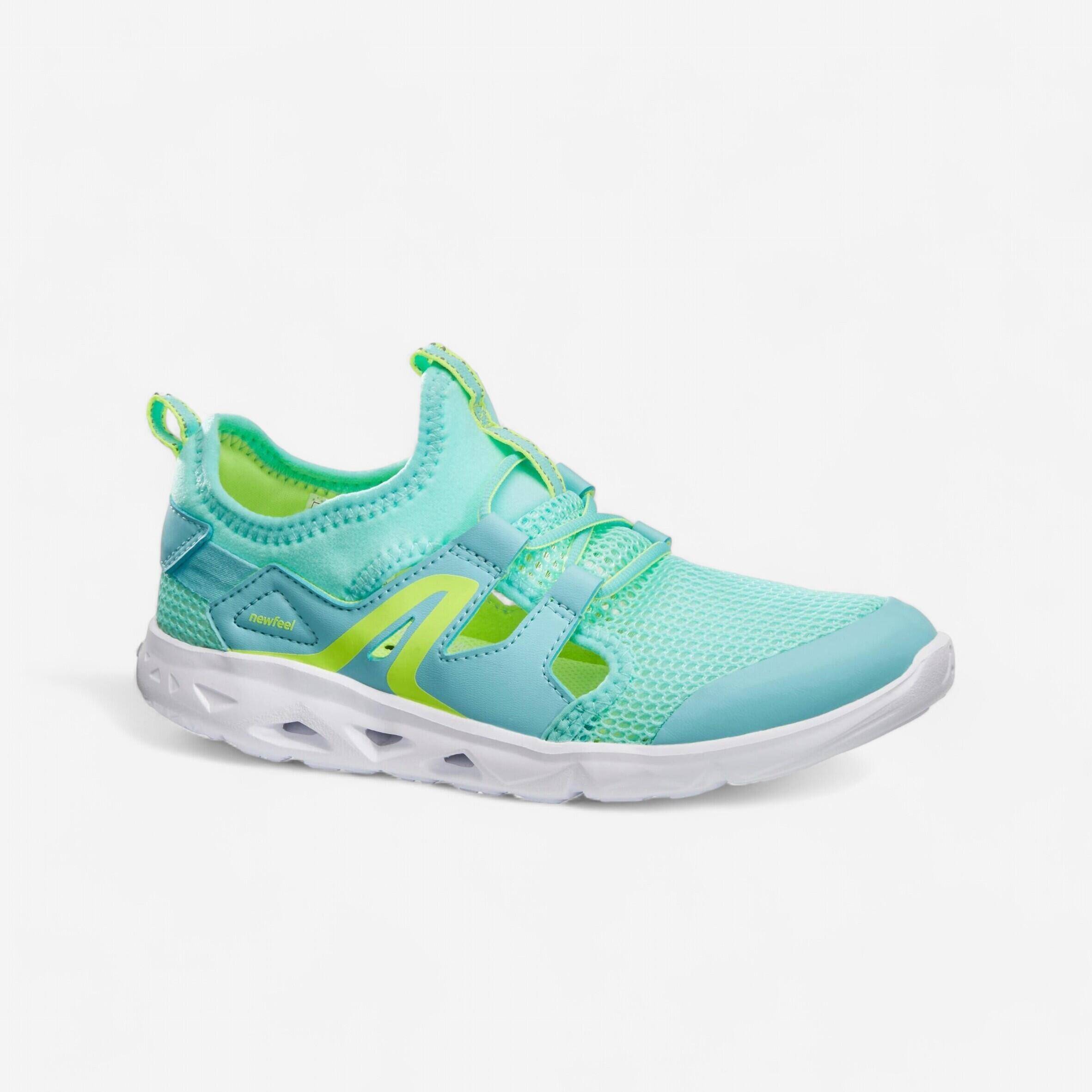
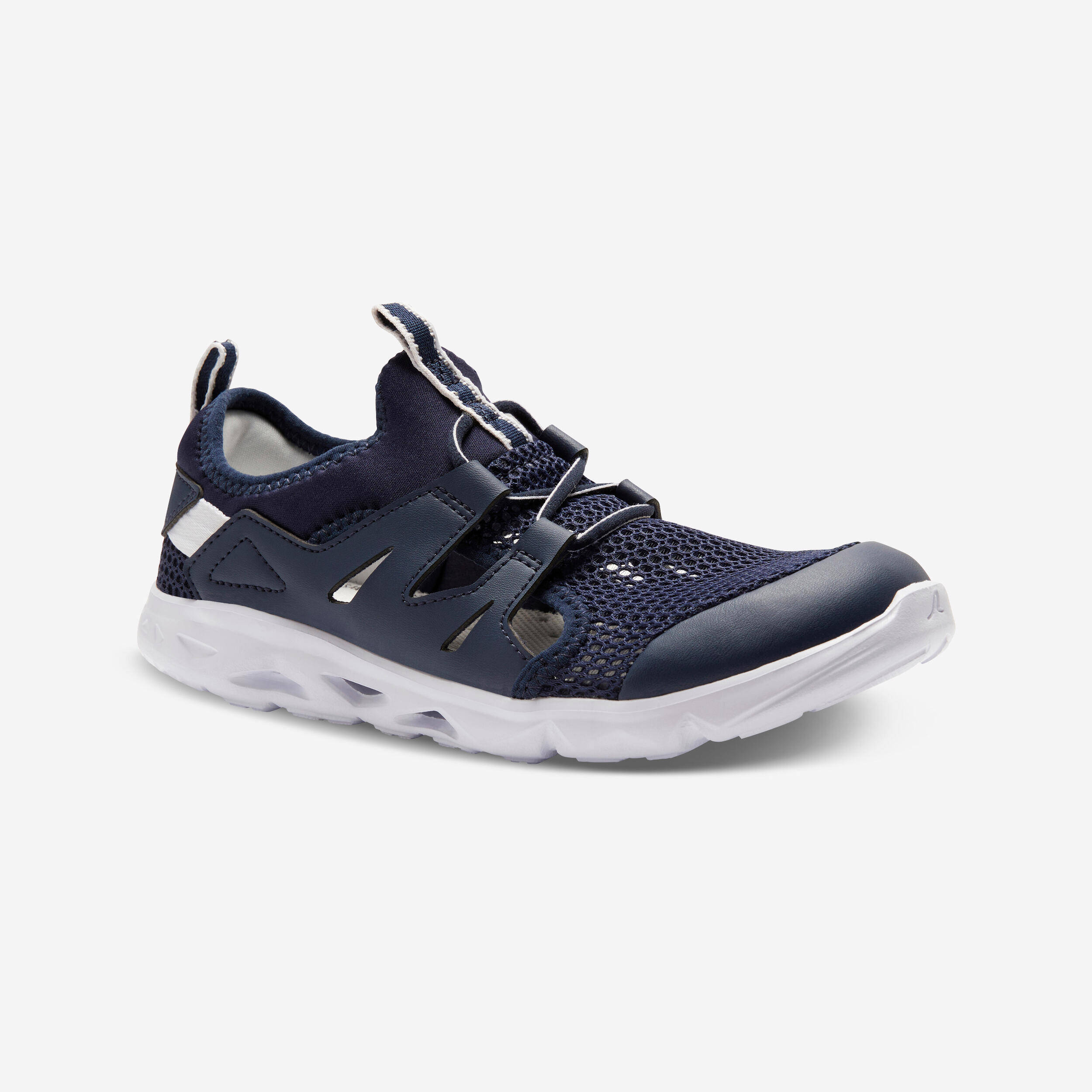
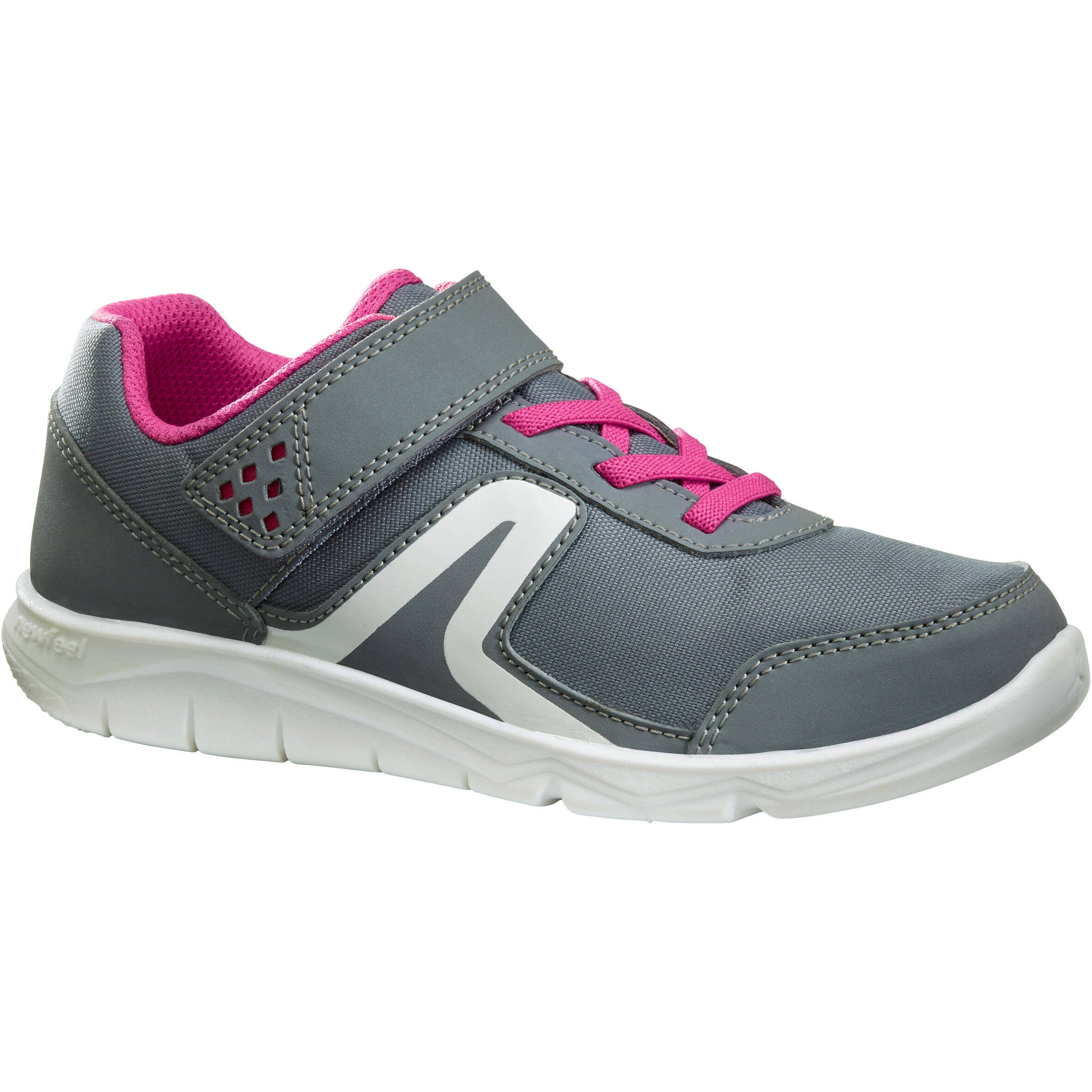

Buy Best Kids Running Products | Shop by Category
Running Clothing | Running Shoes | Running Equipment | Running | Running Bags| Running Socks
Buy Best Kids Running Shoes | How to choose a Kids Running Shoes
Importance of Proper Footwear: Explain why it's essential for kids to have appropriate running shoes, highlighting the benefits for their comfort and foot health.
Foot Type and Gait Analysis: Discuss the significance of understanding a child's foot type and gait pattern to choose the right shoe.
Sizing and Fit: Provide tips on how to properly measure a child's foot and select the correct shoe size. Mention that children's feet can grow quickly, so regular sizing checks are crucial.
Support and Cushioning: Explain the types of support and cushioning that are important for young runners, considering factors like arch support and shock absorption.
Materials and Durability: Discuss the materials used in running shoe construction and how they can impact the durability and longevity of the shoes.
Breathability and Comfort: Emphasize the importance of breathable materials and overall comfort, especially for children engaged in active activities.
Benefits of Running for Kids
Physical Fitness: Running is an excellent way for kids to improve their cardiovascular fitness, build endurance, and strengthen muscles.
Healthy Weight Management: Regular running helps children maintain a healthy weight, reducing the risk of obesity and related health issues.
Strong Bones: Running contributes to bone density and can aid in the development of strong, healthy bones.
Motor Skills: Running helps kids develop motor skills, balance, and coordination, which are important for various physical activities.
Improved Stamina: Running increases a child's stamina and energy levels, allowing them to participate in sports and activities with greater ease.
Mental Health: Running can have a positive impact on a child's mental well-being by reducing stress and anxiety while promoting a sense of accomplishment.
Self-Discipline: Running fosters discipline and goal-setting in children as they work to improve their running times or distances.
Social Interaction: Running events and group activities promotes social interaction and teamwork, helping kids build friendships.
Boosted Immune System: Regular physical activity, including running, strengthens the immune system, making kids less susceptible to illnesses.
Confidence: Achieving running milestones can boost a child's self-esteem and confidence, instilling a sense of accomplishment.
Focus and Concentration: Running can help improve a child's ability to concentrate, which can have a positive impact on their academic performance.
Stress Relief: Running provides a healthy outlet for stress and can help kids manage challenging emotions.
Life-Long Habit: Encouraging running from a young age can instill a life-long habit of physical activity, promoting long-term health.
Improved Sleep: Regular exercise, such as running, can lead to better sleep patterns, helping children stay well-rested.
A Sense of Fun: Emphasize that running can be a fun and enjoyable activity, providing an opportunity for kids to play and explore outdoors.
Kids Running Shoe Maintenance and Care
1. Cleaning:
Regular Cleaning: Encourage parents to clean the shoes regularly, especially after muddy or dirty runs. They can use a soft brush or cloth to remove dirt and debris.
Hand Washing: If the shoes are machine washable, advise parents to remove the insoles and laces and place them in a pillowcase or laundry bag before washing. Use a mild detergent, and wash on a gentle cycle.
Air Dry: Always recommend air drying the shoes after cleaning. Direct heat sources like radiators or dryers can damage the shoes.
2. Drying:
Proper Drying: Emphasize the importance of allowing the shoes to air dry naturally. Parents should remove the insoles and stuff the shoes with newspaper to help absorb moisture.
Avoid Sunlight: Tell parents to avoid direct sunlight for drying, as it can lead to color fading and material damage.
3. Odor Control:
Deodorizing Insoles: Suggest using deodorizing insoles to keep the shoes smelling fresh, as active kids' shoes can develop odors over time.
Airing Out: Encourage parents to let the shoe air out after each use, which can help prevent odors from building up.
4. Replacement:
Monitoring Wear and Tear: Recommend that parents regularly inspect the shoes for signs of wear and tear, such as worn outsoles, loose stitching, or damaged cushioning.
Sole Wear: Mention that the wear pattern on the outsole can provide insights into the child's gait and whether the shoes are providing adequate support.
Outgrowing Shoes: Remind parents to monitor their child's foot growth. If the shoes become too small, they should be replaced promptly to prevent discomfort and potential foot issues.
5. Alternate Shoes:
Rotation: Suggest that parents consider having multiple pairs of running shoes for their children and rotate between them. This can help extend the life of each pair and provide variety for the child.
6. Proper Storage:
Shoe Trees: For parents looking to store shoes for an extended period, shoe trees can help maintain their shape.
Avoiding Crushing: Advice against storing heavy items on top of the shoes, as this can lead to misshaping.
7. Waterproofing:
Spray-On Protectors: Recommend the use of spray-on waterproofing and stain-resistant protectors for the shoes, especially in wet weather conditions.
8. Laces and Fasteners:
Check for Damage: Encourage parents to inspect laces and fasteners for signs of wear and replace them if necessary.
By providing information on proper maintenance and care, parents can help ensure that their children's running shoes stay in good condition, providing the necessary support and comfort for their active pursuits.
FAQ (Frequently Asked Questions)
Q1. How To Ensure Your Child's Athletic Shoes Fit Properly?
To ensure this you need to keep a few suggestions in mind
- Always try to shop either at the end of the day or after a run or sporting event because your child's feet are at their largest
- Measure the feet while standing up
- Always wear sports socks while trying athletic shoes
- There should be a half-inch from the end of the longest toe to the end of the shoe so that your child is able to wiggle all of his/her toes
- Check for snug heels
- Allow your child some time to walk around the store in the shoes and ask them how the shoes feel
- Expect immediate comfort.
Q2. What's the right age for a child to start wearing running shoes?
Children can start wearing running shoes as early as preschool age, typically around 3-5 years old. It's essential to ensure the shoes provide proper support and fit well.
Q3. How often should I replace my child's running shoes?
Running shoes should be replaced every 300-500 miles or when they show visible signs of wear, such as worn outsoles or discomfort. For kids, it's crucial to monitor growth and replace shoes as needed due to size changes.
Q4. What should I look for in kids' running shoes?
Look for proper fit, arch support, cushioning, breathability, and a durable outsole. It's also important to choose a shoe designed for the child's running style (e.g., neutral or stability).
Q5. Can running shoes be used for other sports or activities?
Running shoes are generally designed for forward motion. While they may work for some sports, it's better to use sport-specific shoes for activities like soccer, basketball, or tennis.