Swimming Caps









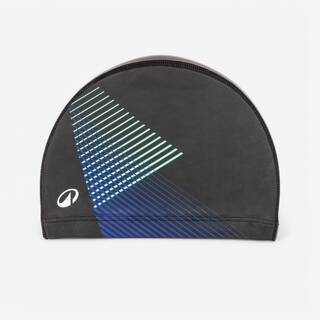

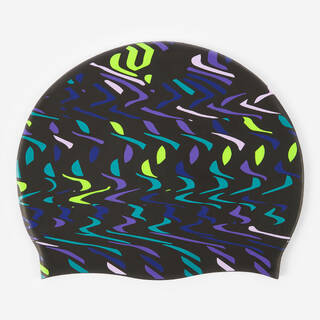
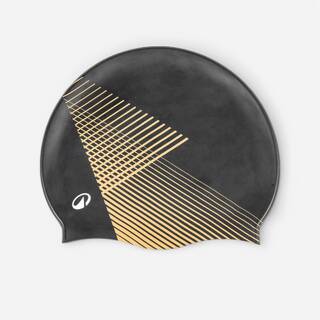
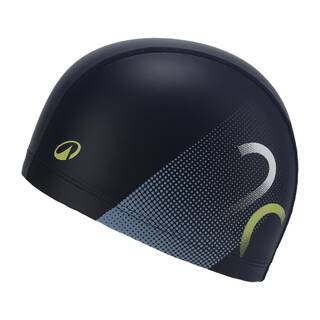
Silicone vs Fabric Swim Cap Construction for Indian Pool Chemistry and Chlorine Exposure
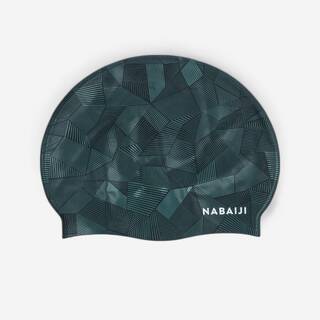
Silicone swim caps dominate competitive and training environments because of their impermeability to chlorinated water and superior hydrodynamic surface tension. A 100% medical-grade silicone construction resists chemical degradation from sodium hypochlorite concentrations (typically 1 to 3 ppm in Indian municipal pools), maintaining elasticity across 200+ swim sessions. The non-porous molecular structure prevents water absorption, keeping hair drier and reducing post-swim chlorine odor. Silicone caps stretch up to 300% without tearing, accommodating various head circumferences (52 to 62 cm average adult range) and thick hair volumes common among Indian swimmers.
Fabric swim caps, typically constructed from polyester-lycra blends (80% polyester, 20% elastane), prioritize comfort over waterproofing. These caps offer breathability for recreational swimmers, fitness lap sessions, and aqua aerobics classes where hydrodynamic efficiency is secondary to thermal comfort. The knit structure allows partial water permeation, reducing scalp pressure and eliminating the suction sensation associated with silicone. Fabric caps work best in heated indoor pools (28 to 30 degrees Celsius) and shorter duration swims (20 to 40 minutes), where chlorine exposure remains moderate. Nabaiji fabric caps feature flatlock stitching to prevent seam irritation during extended wear.
Hydrodynamic Dome Profiles and Drag Coefficient Reduction for Competitive Swimming
Competitive swim caps employ engineered dome geometries to minimize frontal drag and turbulent wake formation. A properly fitted silicone cap creates a smooth, continuous surface from forehead to nape, eliminating hair-induced drag that can add 0.5 to 1.2 seconds per 50-meter lap at racing speeds. The cap's curvature follows the natural skull contour, with tapered edges at the temples and ears to maintain laminar flow during freestyle breathing rotations and butterfly undulations. Nabaiji racing caps use 0.45 mm silicone thickness, balancing tear resistance with minimal material weight (approximately 45 to 50 grams).
Wrinkle-free application is critical for drag reduction. Swimmers should bend forward, position the cap's front edge at the hairline, stretch it over the crown, and tuck all hair strands inside before sealing the back edge below the occipital bone. Air pockets or folded silicone create turbulence zones, increasing pressure drag by 8 to 12%. For long-hair swimmers, braiding or bunning hair tightly before cap application prevents bulges. Competitive swimmers training for state and national meets often double-cap (fabric base layer, silicone outer shell) to achieve maximum smoothness and goggle strap security.
Thermal Insulation Properties for Open Water and Winter Pool Training
Neoprene swim caps provide thermal insulation for open water swimming in Indian lakes, coastal waters, and winter pool sessions where water temperatures drop below 24 degrees Celsius. A 2 mm neoprene construction (closed-cell foam with nylon jersey lining) traps a thin water layer against the scalp, which body heat warms to create an insulating barrier. This reduces core heat loss through the head, which accounts for 7 to 10% of total body heat dissipation during cold-water immersion. Neoprene caps are essential for triathlon training in Goa, Kerala backwaters, and Himalayan lake swims where water temperatures range from 16 to 22 degrees Celsius.
The cap's chin strap (adjustable Velcro or snap-button closure) prevents water flushing during wave action and ensures secure fit during open water entries and exits. Neoprene's buoyancy adds minimal lift (approximately 20 to 30 grams of positive buoyancy), but the material's thickness increases hydrodynamic drag compared to silicone. For pool-based winter training (October to February in North India), a standard silicone cap layered under a neoprene cap offers both chlorine protection and thermal retention. Nabaiji neoprene caps feature glued and blind-stitched seams to prevent water seepage through needle holes.
Sizing Tolerance, Circumference Fit, and Hair Volume Accommodation Across Age Groups
Adult swim caps accommodate head circumferences from 52 to 60 cm (measured around the forehead and occipital prominence), with silicone's elasticity allowing 15 to 20% stretch beyond resting diameter. Junior caps (ages 6 to 12) fit 48 to 54 cm circumferences, preventing excess material bunching that creates drag and discomfort. Proper fit ensures the cap's lower edge sits 1 to 2 cm above the eyebrows and covers the hairline completely, while the back edge extends below the occipital bone to secure long hair. Oversized caps wrinkle and slip during flip turns; undersized caps cause pressure headaches and restrict blood flow to the scalp.
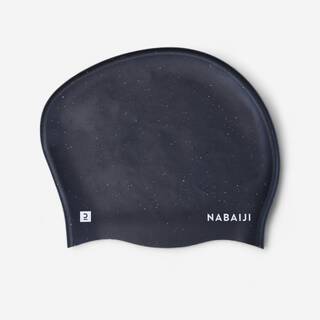
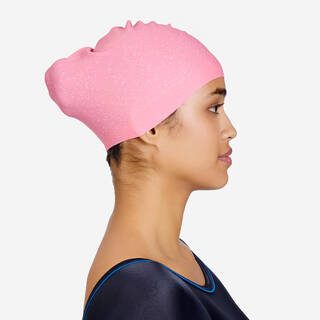
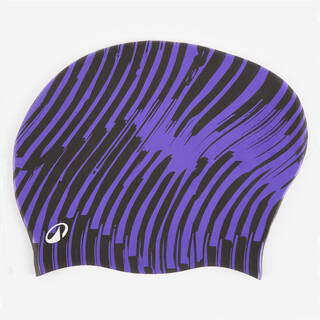
Long-hair swimmers (shoulder-length or longer) require caps with greater internal volume or should adopt pre-swim hair management techniques. Braiding hair into a low bun or French braid reduces bulk by 40 to 50%, allowing standard caps to fit without excessive stretching. Nabaiji offers specific long-hair silicone caps with 10 to 15% additional dome volume and a contoured back panel to accommodate buns without creating a pronounced bulge. For very thick or curly hair textures, fabric caps provide more forgiving stretch, though they sacrifice waterproofing. Swimmers should avoid pulling caps down over dry hair, as friction increases tear risk; dampening hair first reduces surface tension.
Chlorine Degradation Resistance, UV Stability, and Maintenance Protocols for Extended Lifespan
Silicone swim caps degrade through three primary mechanisms: chlorine oxidation, UV photodegradation, and mechanical fatigue from repeated stretching. High-quality silicone formulations (platinum-cured rather than peroxide-cured) resist chlorine attack for 12 to 18 months of regular use (4 to 5 sessions per week). Chlorine breaks down silicone polymer chains, causing surface tackiness, discoloration (yellowing or whitening), and eventual cracking. Rinsing caps in fresh water immediately after each swim removes residual chlorine and calcium deposits, extending lifespan by 30 to 40%. Avoid wringing or twisting; gently shake off excess water and air-dry away from direct sunlight.
UV exposure accelerates silicone breakdown, particularly for outdoor pool swimmers and open water athletes. Caps left in direct sunlight (common in poolside bags or car dashboards) experience polymer cross-linking, which reduces elasticity and increases brittleness. Store caps in cool, dark environments (drawers or opaque swim bags) and apply a light dusting of talcum powder to prevent self-adhesion during storage. Fabric caps tolerate chlorine poorly; polyester fibers lose tensile strength after 50 to 80 pool sessions, and elastane degrades faster (40 to 60 sessions). Hand-wash fabric caps in cold water with mild detergent, avoiding machine washing, which distorts the knit structure and weakens seams.
Nabaiji Swim Cap Range: Beginner Comfort Models to FINA-Approved Racing Profiles
Nabaiji, Decathlon's dedicated swimming passion brand, engineers swim caps across three performance tiers: recreational comfort, training durability, and competition hydrodynamics. Entry-level fabric caps (polyester-lycra blends) suit beginners, aqua fitness participants, and casual lap swimmers prioritizing comfort over speed. These caps feature wide headbands, soft elastic edges, and breathable mesh panels, ideal for 30 to 45-minute pool sessions where chlorine exposure remains minimal. Mid-tier silicone caps target regular swimmers (3 to 5 sessions weekly), offering 0.40 to 0.50 mm silicone thickness, ergonomic dome shaping, and reinforced seams at high-stress zones (temple and crown areas).
Competition-grade Nabaiji caps meet FINA (Fédération Internationale de Natation) approval standards for international meets, featuring ultra-smooth outer surfaces, minimal seam protrusions, and precise dome curvature for drag reduction. These caps use 0.45 mm premium silicone with matte or textured finishes to reduce glare under competition lighting. Specialized variants include long-hair volume caps, junior sizing for age-group swimmers, and printed team caps with customizable logos for club identification. Nabaiji neoprene caps serve open water swimmers and triathletes, providing 2 mm thermal insulation and adjustable chin straps for wave-resistant security. All Nabaiji caps undergo chlorine resistance testing (500-hour immersion in 3 ppm sodium hypochlorite solution) and UV stability validation (200-hour xenon arc exposure) to ensure performance across Indian aquatic conditions.
FAQ (Frequently Asked Questions)
Q1. Which swim cap material works best for daily training in chlorinated pools?
Silicone caps offer superior chlorine resistance and durability for daily training, lasting 200+ sessions compared to 50 to 80 sessions for fabric caps. Medical-grade silicone resists chemical degradation from pool chlorine (1 to 3 ppm sodium hypochlorite), maintains elasticity, and keeps hair drier. Rinse in fresh water after each use and store away from sunlight to maximize lifespan.
Q2. How do I prevent my silicone swim cap from tearing when putting it on?
Dampen your hair and the cap's interior before application to reduce friction. Use both hands to stretch the cap evenly, avoid pulling from a single point, and keep fingernails trimmed to prevent punctures. Bend forward, position the front edge at your hairline, stretch over the crown, and seal the back edge below the occipital bone. Never wring or twist the cap when removing.
Q3. Do swim caps keep hair completely dry during swimming?
No swim cap creates a watertight seal. Silicone caps significantly reduce water penetration (keeping hair 70 to 85% dry) by creating a tight fit and non-porous barrier, but water enters through the cap's edge openings at the face and neck. Fabric caps allow substantial water permeation due to their breathable knit structure. For maximum dryness, apply a silicone cap over dry hair and tuck all strands inside completely.
Q4. What swim cap thickness is suitable for open water swimming in Indian coastal waters?
Neoprene caps with 2 mm thickness provide necessary thermal insulation for open water swimming when water temperatures drop below 24 degrees Celsius. The closed-cell foam construction traps a thin water layer that body heat warms, reducing core heat loss through the head. Standard silicone caps (0.40 to 0.50 mm) work for warm coastal waters above 26 degrees Celsius but offer no thermal protection.
Q5. How should I determine the correct swim cap size for my head?
Measure your head circumference around the forehead and occipital prominence. Adult caps fit 52 to 60 cm, while junior caps suit 48 to 54 cm. Silicone stretches 15 to 20% beyond resting diameter, so choose standard adult sizing unless your measurement falls below 52 cm or above 60 cm. Long-hair swimmers should select caps with additional dome volume or adopt braiding techniques to reduce bulk.
Q6. Can I wear a swim cap over my goggles or should goggles go over the cap?
For recreational swimming, wear goggles over the cap for easier adjustment and removal. Competitive swimmers place goggle straps under the cap to reduce drag and prevent strap slippage during racing starts and turns. The cap secures the straps and creates a smoother head profile. If double-capping (fabric base, silicone outer), position goggles between the two layers for maximum security.
Q7. Why does my silicone swim cap turn yellow or white after repeated use?
Discoloration results from chlorine oxidation breaking down silicone polymer chains, causing chemical byproducts that appear as yellowing (organic compound accumulation) or whitening (calcium deposit bonding). This indicates material degradation and reduced elasticity. Rinse caps thoroughly in fresh water after each session, avoid prolonged sunlight exposure, and replace caps every 12 to 18 months of regular use (4 to 5 sessions weekly).
Q8. Are fabric swim caps suitable for competitive swimming or only recreational use?
Fabric caps are designed for recreational swimming, aqua fitness, and comfort-focused training, not competitive racing. Their breathable polyester-lycra construction allows water permeation, increases hydrodynamic drag, and lacks the smooth surface required for speed. Competitive swimmers require silicone caps with engineered dome profiles and FINA approval to minimize drag coefficients and achieve optimal race times.
Q9. How do I remove chlorine smell from my swim cap after pool sessions?
Rinse the cap in fresh water immediately after swimming to remove residual chlorine before it bonds to the silicone. For persistent odor, soak the cap in a solution of 1 part white vinegar to 4 parts water for 15 to 20 minutes, then rinse thoroughly. Air-dry completely in a shaded area. Chlorine odor indicates chemical residue; consistent rinsing prevents buildup and extends cap lifespan.
Q10. Do I need a different swim cap for indoor pool training versus open water swimming?
Indoor pool training requires standard silicone or fabric caps optimized for chlorine resistance and hydrodynamic efficiency. Open water swimming demands neoprene caps (2 mm thickness) for thermal insulation in cooler waters, plus chin straps to prevent displacement during wave action. If open water temperatures exceed 26 degrees Celsius, a standard silicone cap suffices, but neoprene becomes essential below 24 degrees Celsius to reduce core heat loss.