Gym Accessories







Engineering Precision in Domyos Gym Accessories for Indian Training Environments
Domyos gym accessories represent purpose-built training tools engineered for high-frequency use across India's diverse workout environments. From compact apartment home gyms with limited floor space to commercial fitness centers with heavy daily traffic, these accessories utilize materials selected for durability under sustained mechanical stress. Resistance bands employ thermoplastic elastomer (TPE) compounds that maintain elasticity through 10,000+ stretch cycles without permanent deformation. Yoga mats feature closed-cell NBR foam with density ratings between 60-80 kg/m³, providing joint cushioning while resisting moisture absorption during high-humidity monsoon training sessions. Grip strength trainers use torsion spring steel rated for 50,000 compression cycles, maintaining consistent resistance across temperature ranges from 15°C to 45°C typical in Indian climates.
Weight lifting accessories integrate impact-resistant polymers and reinforced stitching patterns designed for barbell and dumbbell protection. Lifting straps utilize cotton-polyester blends with 1200 denier weave density, distributing load across palm surfaces to reduce localized pressure points during heavy deadlifts or rows. Knee sleeves employ 7mm neoprene with four-way stretch properties, providing compression support without restricting patella tracking during squats or lunges. Wrist wraps feature thumb loop anchor systems and hook-and-loop closures tested for 5,000 attachment cycles, maintaining wrist joint alignment under loads exceeding 100 kg. Foam rollers use EVA foam with Shore A hardness ratings between 30-50, offering myofascial release pressure calibrated for post-workout recovery without causing tissue bruising.
Material Science Behind Resistance Training Tools and Recovery Accessories
Resistance bands demonstrate graduated tension profiles engineered through latex-free TPE formulations. Light resistance bands (2-5 kg equivalent tension) suit shoulder mobility drills and rehabilitation protocols. Medium bands (5-10 kg) target glute activation and lateral movement patterns. Heavy bands (10-20 kg) provide sufficient load for assisted pull-ups or barbell speed work. Each band undergoes elongation testing to 300% of resting length, ensuring structural integrity during explosive movements. Loop bands feature continuous construction without seams, eliminating weak points that compromise durability. Fabric resistance bands incorporate woven elastic cores wrapped in polyester sleeves, preventing latex allergies while maintaining grip on skin during high-sweat training.
Yoga blocks utilize high-density EVA foam (density 100-120 kg/m³) or cork composite materials. EVA blocks offer lightweight portability (weighing 150-200 grams) with beveled edges that prevent hand slippage during balance poses. Cork blocks provide superior grip retention when wet, critical during hot yoga sessions or humid coastal training. Yoga straps employ 100% cotton webbing with D-ring or cinch buckle closures, allowing progressive flexibility work without elastic rebound. Massage balls range from 6 cm to 12 cm diameters, with textured surfaces creating targeted pressure for trigger point release in plantar fascia, IT bands, or thoracic spine regions. Dual-density massage balls combine firm outer shells with softer cores, modulating pressure intensity based on body weight application.
Floor Protection and Acoustic Dampening for Apartment Training Spaces
Interlocking gym floor mats address the specific challenges of apartment-based strength training, where dropped weights or high-impact movements generate noise transmission and floor damage. These mats utilize EVA foam tiles with thickness options from 10mm to 20mm, absorbing impact forces from dropped dumbbells or kettlebells. The 10mm tiles suit yoga, stretching, and bodyweight exercises, while 20mm variants handle Olympic lifting platforms and heavy barbell work. Interlocking puzzle-edge designs create seamless coverage across irregular floor dimensions without adhesives. Surface textures range from smooth finishes for yoga practice to diamond-plate patterns that prevent foot slippage during deadlifts or snatches.
Acoustic testing shows 20mm EVA mats reduce impact noise transmission by 15-20 decibels compared to direct concrete or tile contact. This dampening protects apartment floors from dumbbell drops while minimizing disturbance to neighbors below. Mats resist indentation from sustained weight loads, recovering shape after rack storage or heavy equipment placement. Closed-cell foam construction prevents sweat absorption, allowing quick wipe-down cleaning with standard disinfectants. Edge ramps and corner pieces create trip-free transitions between matted and non-matted zones. For outdoor terrace gyms exposed to UV and rain, rubber composite tiles offer superior weather resistance compared to foam, maintaining structural integrity through monsoon cycles and summer heat.
Grip Enhancement and Joint Support Technologies for Heavy Compound Lifts
Lifting gloves and grip pads employ strategic padding placement to enhance barbell control during high-volume training. Fingerless glove designs feature 4mm neoprene or synthetic leather palms with silicone grip patterns, increasing friction coefficient between hand and knurled bar surfaces. Padding concentrates under the second and third metacarpals, where barbell pressure peaks during bench press or overhead press movements. Wrist wrap extensions integrated into glove designs provide dual-function support, eliminating the need for separate accessories. Ventilated mesh backs promote airflow across dorsal hand surfaces, managing sweat buildup during multi-set training blocks.
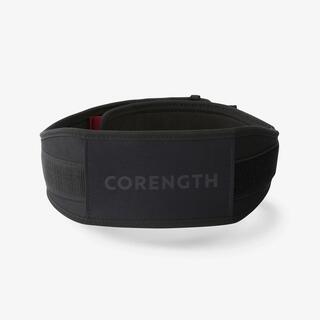
Weightlifting belts utilize 10mm or 13mm leather or synthetic materials with consistent width profiles (typically 10 cm) around the entire circumference. This uniform width increases intra-abdominal pressure during squats, deadlifts, or overhead presses, supporting spinal alignment under maximal loads. Lever buckle closures allow rapid micro-adjustments between sets, while prong buckles offer infinite sizing increments. Break-in periods for leather belts require 10-15 training sessions before material conforms to torso shape. Nylon belts with Velcro closures provide immediate comfort but may lose compression integrity after 200-300 uses. Knee wraps employ elastic weave patterns with 2-3 meters of material length, allowing multiple wrapping passes around the patella and proximal tibia for powerlifting-style squat support.
Hydration Systems and Accessory Storage Solutions for Extended Training Sessions
Gym water bottles integrate flow-rate engineering to match hydration needs during different training intensities. Standard screw-cap bottles with 750ml to 1000ml capacities suit moderate-intensity sessions lasting 60-90 minutes. Push-pull sport caps increase flow rates to 400-500ml per minute, supporting rapid rehydration during circuit training or HIIT protocols. Insulated stainless steel bottles maintain beverage temperatures for 6-12 hours, critical for pre-workout drinks or post-workout protein shakes in non-air-conditioned gyms. Wide-mouth openings (5-6 cm diameter) facilitate ice cube loading and cleaning access, preventing bacterial growth in threaded cap regions.
Gym bags employ compartmentalized designs separating clean apparel from used workout gear and footwear. Ventilated shoe compartments with mesh panels prevent odor transfer to main storage areas. Waterproof pockets protect electronics and documents from sweat-soaked towels or leaking bottles. Duffel-style bags with 40-60 liter capacities accommodate full training kits including shoes, apparel, towels, and accessory pouches. Backpack-style gym bags distribute weight across both shoulders, reducing unilateral strain during commutes. Reinforced base panels use 1680D ballistic nylon, resisting abrasion from repeated floor placement in locker rooms or vehicle trunks. Internal compression straps stabilize contents during transit, preventing equipment shifting that damages electronics or crushes supplements.
Specialized Accessories for Functional Training and Mobility Work
Ab wheels feature dual-wheel designs with 15-18 cm diameter rollers, providing lateral stability during rollout extensions. Wider wheel spacing (20-25 cm between centers) prevents wobbling that disrupts core engagement during eccentric phases. Ergonomic handle grips with 3-4 cm diameter reduce hand fatigue during high-repetition ab training. Knee pads included with ab wheel kits use 15mm EVA foam, protecting patella during kneeling rollouts on hard floors. Suspension trainers employ adjustable nylon webbing with cam buckle length adjustments, enabling rapid transitions between exercises. Anchor points rated for 150 kg user loads attach to door frames, ceiling hooks, or outdoor structures, creating portable bodyweight training systems.
Jump ropes utilize ball-bearing swivel mechanisms in handle assemblies, allowing 360-degree rotation without cable tangling. Cable materials range from PVC-coated steel for durability to lightweight nylon for speed work. Adjustable length systems accommodate user heights from 150 cm to 200 cm through simple clip or screw adjustments. Weighted jump rope handles (200-400 grams per handle) add upper body conditioning to cardiovascular training. Agility ladders feature 4-meter to 6-meter lengths with adjustable rung spacing (typically 40-50 cm), developing footwork speed and coordination. Flat rung designs prevent tripping hazards while maintaining visibility during rapid foot placement drills. Storage bags with drawstring closures keep ladders organized between training sessions, preventing tangling that extends setup time.
FAQ (Frequently Asked Questions)
Q1. Which resistance band tension level should beginners select for home strength training?
Beginners should start with light resistance bands providing 2-5 kg equivalent tension for upper body exercises and medium bands (5-10 kg) for lower body movements like squats or glute bridges. This allows proper form development without excessive load. Progress to heavier bands after completing 3-4 weeks of consistent training with controlled movement patterns.
Q2. What thickness of gym floor mat is required for dumbbell training in an apartment?
Apartment dumbbell training requires 15mm to 20mm thick EVA foam mats to adequately absorb impact forces and reduce noise transmission to lower floors. The 10mm mats suit yoga or bodyweight work but lack sufficient cushioning for dropped weights. Interlocking tile designs allow coverage expansion as your equipment collection grows.
Q3. How do I prevent yoga mats from developing odor during monsoon season humidity?
Store yoga mats unrolled in well-ventilated areas after each session, allowing complete moisture evaporation before rolling. Wipe mats with diluted vinegar solution (1 part vinegar to 3 parts water) weekly to eliminate bacteria causing odor. Closed-cell NBR foam mats resist moisture absorption better than open-cell PVC during high-humidity months.
Q4. What is the difference between lifting straps and lifting grips for deadlifts?
Lifting straps wrap around the barbell and your wrist, transferring load from finger flexors to forearm and wrist structures, allowing heavier deadlift loads when grip strength limits performance. Lifting grips (or pads) sit between palm and bar, reducing callus formation and pressure points but still require full grip strength. Straps suit maximal strength work, while grips support high-repetition training.
Q5. Can foam rollers lose firmness over time with regular use?
Yes, EVA foam rollers gradually soften after 200-300 uses as cellular structure compresses under repeated body weight loading. Higher-density foam (Shore A hardness 45-50) maintains firmness longer than softer variants. Store rollers away from direct sunlight and extreme heat, which accelerate foam degradation. Replace rollers when surface indentations no longer recover within 24 hours.
Q6. Which wrist wrap length provides adequate support for heavy bench press training?
Wrist wraps between 45-60 cm length provide sufficient coverage for bench press support, wrapping 2-3 times around the wrist joint. Longer wraps (75-90 cm) suit powerlifting-style maximal attempts requiring extreme rigidity. Shorter wraps (30-40 cm) offer mobility for dynamic movements like push-ups or dips. Adjust wrap tension based on load, tighter for heavy sets and looser for warm-ups.
Q7. Do weightlifting belts need to be worn during all exercises or only heavy compound lifts?
Weightlifting belts should be reserved for working sets of heavy compound movements (squats, deadlifts, overhead press) where loads exceed 80% of one-rep max. Avoid wearing belts during warm-up sets, isolation exercises, or light conditioning work to allow natural core strengthening. Overuse of belts can reduce unassisted core stability development needed for functional movement patterns.
Q8. How often should gym water bottles be deep cleaned to prevent bacterial growth?
Deep clean gym water bottles every 3-4 days using bottle brushes with hot soapy water, reaching all interior surfaces including cap threads where bacteria accumulate. Monthly cleaning with baking soda solution (2 tablespoons per liter of water, soaked overnight) removes stubborn odors. Bottles used for protein shakes require daily cleaning due to faster bacterial growth in nutrient-rich residues.
Q9. What features should I look for in a gym bag for commuting on a two-wheeler?
Select backpack-style gym bags with padded shoulder straps and chest/waist stabilizer straps to prevent load shifting during two-wheeler commutes. Waterproof or water-resistant exterior fabrics protect contents during unexpected rain. Reflective strips enhance visibility in low-light traffic conditions. Capacity between 30-40 liters balances adequate storage with manageable dimensions that do not obstruct riding posture.
Q10. Are cork yoga blocks better than foam blocks for hot yoga practice?
Cork blocks outperform foam blocks in hot yoga environments due to superior moisture absorption and grip retention when wet. Cork maintains stable friction coefficient as hands sweat, preventing slippage during supported poses. Foam blocks are lighter for transport but become slippery when saturated. Cork blocks weigh 300-400 grams compared to 150-200 grams for foam, a trade-off for enhanced stability.