Skipping Ropes

Corded vs Ball-Bearing Speed Ropes: Rotation Mechanics and Workout Intensity Profiles
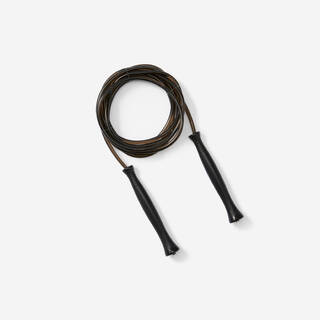
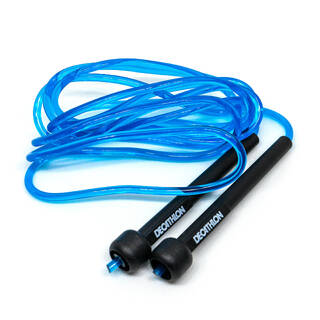
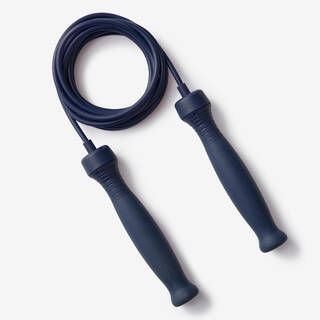
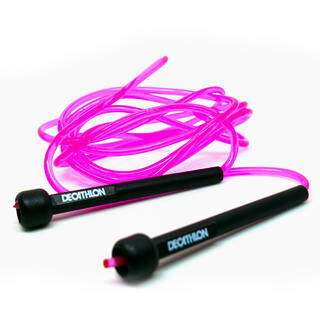
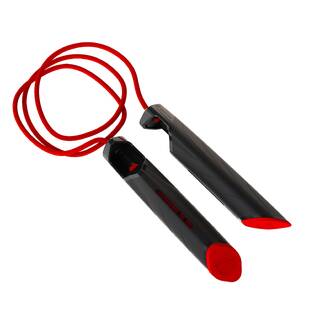
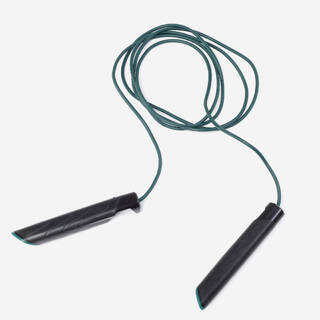
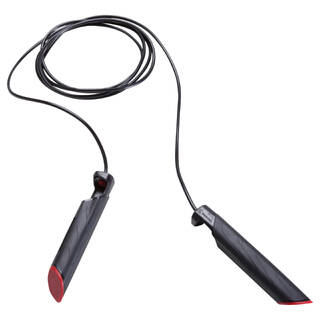
Skipping rope construction dictates rotation speed, durability under high-frequency use, and suitability for different training protocols. Basic corded PVC ropes rotate through simple handle friction, adequate for steady-state cardio at 100 to 120 revolutions per minute. Ball-bearing systems embed sealed bearings inside the handle pivot point, reducing rotational friction by 40 to 60 percent compared to fixed-axis designs. This mechanical advantage enables double-unders, triple-unders, and sustained speeds exceeding 200 RPM without handle wobble or cord tangling.
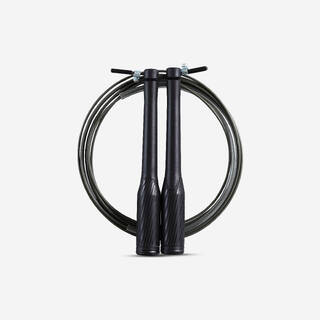
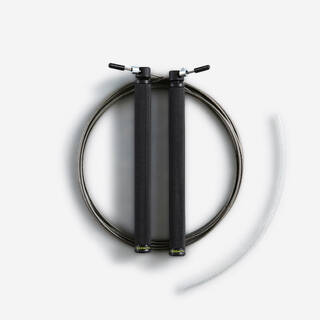
Indian fitness environments present specific durability challenges. Outdoor concrete surfaces, apartment balcony tiles, and gym rubber flooring create varying abrasion profiles. PVC cord diameters between 4mm and 5mm offer baseline wear resistance for beginners logging 500 to 1,000 skips per session. Steel wire ropes coated in nylon or vinyl sleeves deliver superior cut resistance for advanced athletes performing 2,000-plus skip sessions daily. Domyos speed ropes integrate dual ball-bearing handles with 2.5mm steel cables, balancing whip speed for competitive CrossFit-style workouts with floor-contact durability across mixed indoor and outdoor training zones.
Handle grip ergonomics directly influence wrist fatigue during extended intervals. Foam-wrapped handles absorb palm moisture but compress over time, losing original diameter after 60 to 80 hours of use. Knurled aluminium or textured polypropylene handles maintain consistent grip diameter through sweat saturation, critical during humid monsoon training blocks when hand slippage disrupts rhythm. Handle length between 140mm and 160mm accommodates full-hand wraps without finger overhang, distributing rotational torque across the entire palm surface rather than concentrating pressure on fingertips.
Adjustable Length Systems: Biomechanical Fit for Height Ranges and Jump Styles
Rope length calibration affects jump clearance height, arm positioning, and energy expenditure per revolution. Standard sizing protocol positions the rope midpoint underfoot while handles reach mid-chest to armpit level, approximately 210cm to 240cm total length for users between 150cm and 170cm tall. Fixed-length ropes limit multi-user applications in household or group training settings. Adjustable systems using screw-lock clamps, crimp ferrules, or quick-release pins enable length modification in 5cm to 10cm increments without cutting the cord.
Domyos adjustable speed ropes feature internal cord routing through hollow aluminium handles, secured by external hex-key clamps. This design prevents cord slippage under high-tension double-under attempts while allowing precise length tuning. Athletes above 180cm height require 270cm to 290cm total lengths to maintain proper arc geometry, where excessive shortening forces elbow flare and shoulder elevation, increasing deltoid fatigue. Conversely, overly long ropes create wide arcs demanding greater wrist rotation amplitude, reducing sustainable RPM and increasing forearm burn during timed intervals.
Children and beginner jumpers benefit from slightly longer configurations, adding 10cm to 15cm beyond standard measurements. Extended length increases arc radius, slowing rotation speed to 80 to 100 RPM and providing larger clearance windows for timing practice. As coordination improves, progressive shortening tightens the arc, naturally increasing cadence and transitioning users toward speed-oriented training protocols.
Weighted Rope Training: Load Distribution and Upper Body Conditioning Mechanics
Weighted skipping ropes embed mass into handles, cord structure, or both, transforming cardiovascular drills into combined conditioning tools. Handle weights range from 100 grams to 300 grams per side, adding rotational inertia that engages forearm flexors, wrist stabilizers, and grip endurance. Cord-weighted designs distribute mass along the entire cable length using braided steel cores or sand-filled PVC sleeves, increasing total rope weight to 400 grams to 800 grams compared to 150 grams to 200 grams for standard speed ropes.
Biomechanical loading patterns differ significantly. Handle-weighted ropes concentrate resistance at the pivot point, demanding sustained wrist extension strength to maintain rotation momentum. This targets brachioradialis and extensor carpi muscles, beneficial for athletes requiring grip endurance in climbing, racket sports, or grappling disciplines. Cord-weighted ropes create distributed resistance throughout the swing arc, engaging deltoids and upper pectorals as stabilizers during each revolution. Sessions exceeding 500 continuous skips with 600-gram ropes elevate shoulder metabolic demand comparable to light dumbbell raises.
Indian apartment training spaces often restrict jumping height to 210cm to 230cm ceiling clearances. Weighted ropes naturally compress arc height due to increased gravitational pull, reducing ceiling strike risk while maintaining training intensity. Outdoor use on concrete or asphalt surfaces accelerates cord wear, particularly with sand-filled PVC designs where abrasion creates micro-tears allowing sand leakage. Steel-core weighted ropes with replaceable nylon sleeves extend operational lifespan to 200-plus training hours under mixed-surface conditions.
Digital Counter Integration: Tracking Metrics for Progressive Overload and Interval Precision
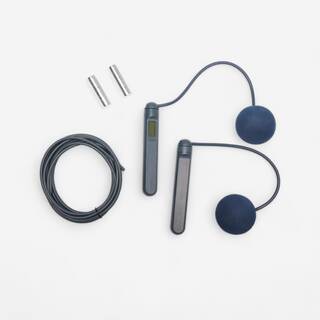
Electronic skipping ropes embed digital counters into handle housings, tracking total revolutions, elapsed time, and estimated caloric expenditure. Hall-effect magnetic sensors detect each full rotation as the handle completes 360-degree cycles, displaying real-time counts on integrated LCD screens. Accuracy depends on sensor positioning and calibration, with quality systems maintaining plus-minus 2 percent deviation across 1,000-skip test intervals. Budget counters using mechanical reed switches exhibit higher error rates, particularly during rapid double-under sequences where switch bounce creates false counts.
Metric tracking enables structured progression protocols. Beginners establishing baseline endurance perform timed sets, recording maximum continuous skips before form breakdown or tripping. Progressive overload applies by adding 50 to 100 skips weekly or reducing rest intervals between fixed-count sets. Advanced athletes program interval ratios such as 30 seconds maximum effort followed by 30 seconds active recovery, using elapsed timers to enforce strict work-rest discipline without external stopwatch management.
Domyos digital ropes store cumulative session data, allowing weekly volume tracking across multiple workouts. This longitudinal data reveals training consistency, identifies plateau phases, and quantifies recovery adequacy when skip counts decline despite consistent effort. Battery life varies from 6 to 12 months under daily use, with CR2032 coin cells providing standard power. Moisture ingress through unsealed handle seams degrades electronics during monsoon outdoor sessions, making IPX4-rated splash-resistant housings essential for year-round Indian training reliability.
Surface-Specific Cord Selection: Abrasion Resistance Across Concrete, Rubber, and Tile Flooring
Training surface hardness and texture create distinct wear patterns on rope cords. Rough concrete generates maximum abrasion, stripping PVC coatings and fraying nylon braids within 40 to 60 training hours at 1,500 skips per session. Smooth indoor tiles reduce friction but increase cord slippage during landing impacts, creating inconsistent rotation feedback. Rubber gym flooring offers optimal balance, providing grip without excessive drag while cushioning cord strikes to extend lifespan beyond 100 training hours.
PVC cord durometers between 70A and 85A shore hardness balance flexibility for smooth rotation against cut resistance. Softer compounds below 70A deliver silent operation and reduced floor marking but wear through rapidly on abrasive surfaces. Harder formulations above 85A resist concrete abrasion but become stiff in temperatures below 15°C, common during North Indian winter mornings, reducing whip speed and increasing tangle frequency. Nylon-coated steel cables eliminate abrasion concerns entirely, maintaining structural integrity across all surface types while producing audible floor strikes that aid rhythm timing.
Outdoor training on building rooftops or park pathways exposes ropes to UV degradation alongside mechanical wear. Unprotected PVC loses plasticizer content under direct sunlight, becoming brittle after 80 to 100 hours of cumulative UV exposure. This manifests as surface cracking and sudden mid-session cord failure during high-tension double-unders. UV-stabilized compounds or vinyl-coated steel cores maintain flexibility and tensile strength through extended outdoor use, critical for athletes training in high-UV Himalayan regions or coastal environments where reflected sunlight from water surfaces doubles exposure intensity.
Beginner to Competitive Progression: Selecting Rope Specifications for Skill Development Stages
Entry-level coordination development requires forgiving rope characteristics that minimize frustration during learning phases. Beaded segment ropes using hollow plastic cylinders threaded on nylon cord maintain shape memory, holding open arcs even during slow rotations. This visible loop geometry helps beginners time jump initiation and track rope position through peripheral vision. Bead weight, typically 180 grams to 250 grams total, provides tactile feedback on wrist positioning without demanding the precise timing required for lightweight speed ropes.
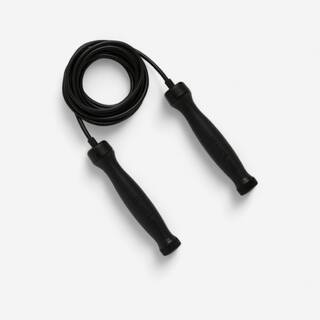
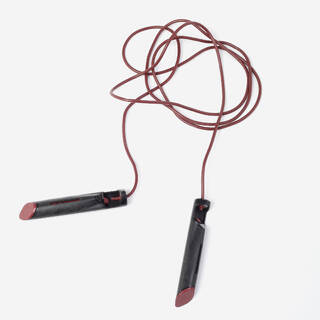
Intermediate athletes transitioning to sustained cardio intervals benefit from standard PVC speed ropes with basic swivel handles. Cord weights between 120 grams and 180 grams offer moderate inertia, requiring active wrist engagement to maintain 140 to 160 RPM cadences typical of steady-state conditioning. This phase builds forearm endurance and rhythm consistency before progressing to ball-bearing systems. Domyos training ropes in this category feature 4.6mm PVC cords and foam handles, balancing durability for 1,000-skip daily sessions against accessible pricing for athletes uncertain about long-term commitment.
Competitive CrossFit athletes and jump rope sport practitioners require ultra-lightweight cables with zero rotational lag. Professional-grade ropes using 2mm to 2.5mm coated steel cables weigh 80 grams to 120 grams, enabling triple-unders and sustained speeds above 220 RPM. Sealed ceramic or stainless steel ball bearings eliminate friction, allowing the rope to spin freely during brief handle releases in trick sequences. Handle materials shift to machined aluminium or carbon-reinforced polymers, reducing mass while maintaining structural rigidity under the sudden deceleration forces generated when catching triple-under attempts. These specifications support athletes training 5 to 6 days weekly with session volumes exceeding 3,000 skips, where equipment precision directly impacts performance consistency and injury risk from mistimed strikes.
FAQ (Frequently Asked Questions)
Q1. What rope length should I choose based on my height for proper skipping form?
Stand on the rope midpoint with both feet together. Handles should reach between mid-chest and armpit level. For heights 150cm to 165cm, use 240cm to 260cm total length. Heights 165cm to 180cm require 260cm to 280cm. Athletes above 180cm need 280cm to 300cm lengths. Adjustable ropes allow precise tuning in 5cm increments.
Q2. Can I use speed ropes on concrete surfaces or will they break quickly?
Standard PVC speed ropes wear through in 40 to 60 hours on rough concrete at 1,500 skips per session. Steel cable ropes with nylon or vinyl coatings resist abrasion across all surfaces, lasting 150-plus hours. For outdoor concrete training, choose coated steel cables over PVC to avoid frequent replacement.
Q3. What is the difference between ball-bearing and basic swivel handle ropes?
Ball-bearing handles use sealed bearings that reduce rotational friction by 40 to 60 percent, enabling speeds above 200 RPM for double-unders and triple-unders. Basic swivel handles rotate through simple friction pivots, suitable for steady cardio at 100 to 140 RPM but creating drag during rapid techniques. Competitive athletes require ball-bearing systems for advanced skills.
Q4. How heavy should weighted ropes be for upper body conditioning without losing speed?
Handle-weighted ropes add 100 grams to 300 grams per side, targeting forearm and grip endurance while maintaining rotation speed. Cord-weighted designs range from 400 grams to 800 grams total, engaging shoulders and deltoids but reducing sustainable RPM. Start with 200-gram handle weights for combined cardio and conditioning, progressing to heavier cord weights as strength improves.
Q5. Do digital counter ropes accurately track skips during fast double-under intervals?
Quality digital ropes using Hall-effect magnetic sensors maintain plus-minus 2 percent accuracy across all speeds, including double-unders above 180 RPM. Budget mechanical counters using reed switches exhibit false counts during rapid sequences due to switch bounce. Check for sensor type specifications and read user reviews on double-under accuracy before purchasing.
Q6. Will PVC ropes become stiff during winter morning workouts in North India?
PVC compounds above 85A shore hardness stiffen in temperatures below 15°C, reducing whip speed and increasing tangles. Ropes with 70A to 80A durometer ratings maintain flexibility in cold conditions. Nylon-coated steel cables eliminate temperature sensitivity entirely, performing consistently across 5°C to 45°C ambient ranges common in Indian seasonal extremes.
Q7. Can children and adults share the same adjustable rope or do they need separate sizes?
Adjustable ropes accommodate height ranges spanning 40cm to 50cm through screw-lock or crimp adjustments. A single rope fits users from 140cm to 185cm with proper length tuning. Children below 140cm and adults above 190cm require dedicated sizing. Domyos adjustable ropes include measurement guides for multi-user household setups.
Q8. How do I prevent rope tangling during storage between workout sessions?
Coil ropes in loose 30cm diameter loops rather than tight wraps to prevent memory kinks. Hang handles on hooks with cord suspended freely, allowing gravity to straighten twists. Avoid folding or cramming ropes into small bags. Steel cable ropes resist kinking better than PVC, maintaining straightness even after compressed storage.
Q9. What grip material works best for sweaty hands during monsoon humidity training?
Knurled aluminium and textured polypropylene handles maintain grip through full sweat saturation without diameter loss. Foam wraps absorb moisture initially but compress after 60 to 80 hours, reducing grip security. For year-round humid conditions, choose non-absorbent handle materials with mechanical texturing rather than foam padding.
Q10. Are beaded ropes only for beginners or do they offer benefits for experienced athletes?
Beaded segment ropes maintain open arc geometry, ideal for learning coordination and timing during initial skill acquisition. Experienced athletes use them for warm-up drills, rhythm practice, and low-impact recovery sessions. The 180-gram to 250-gram weight provides joint-friendly resistance compared to ultra-light speed cables, useful for active rest days between high-intensity training blocks.