Trekking Backpacks & Rucksacks

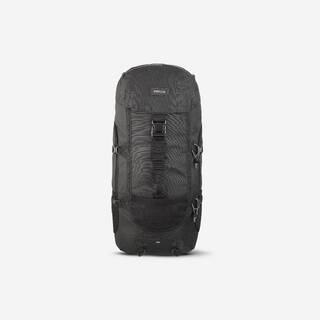

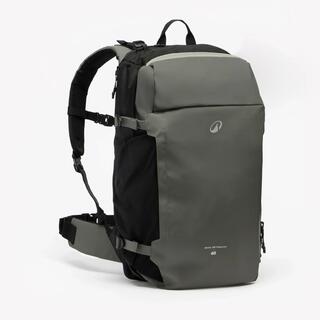


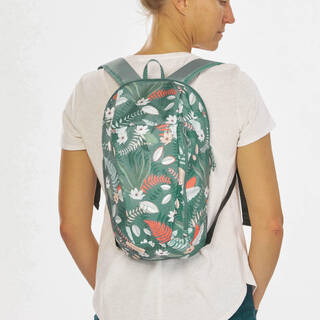


Load-Bearing Harness Systems and Ventilated Back Panels for Multi-Day Himalayan Treks
Trekking backpacks engineered for Indian high-altitude routes demand precise load distribution across hip belts, shoulder harnesses, and sternum straps. Quechua rucksacks integrate anatomically contoured hip belts with EVA foam padding that transfers 70 to 80 percent of pack weight directly onto the pelvis, reducing shoulder compression and upper trapezius fatigue during ascents above 3,000 meters. Adjustable torso lengths accommodate Indian body proportions, with sliding back panels that fit torso measurements from 38 cm to 56 cm, ensuring the hip belt sits on the iliac crest rather than riding up into the lower ribs.
Ventilated back systems combat high-humidity sweat accumulation during monsoon treks and summer valley approaches. Tensioned mesh panels create a 10 to 15 mm air gap between the pack body and your spine, promoting convective airflow that reduces back surface temperatures by 3 to 5 degrees Celsius compared to direct-contact foam backs. Forclaz expedition packs feature 3D-molded foam channels that wick moisture laterally away from the lumbar region, preventing salt crust buildup and chafing on multi-day Markha Valley or Hampta Pass circuits. Load-lifter straps angle forward from the shoulder yoke at 45 degrees, pulling pack weight closer to your center of gravity and stabilizing loads during steep descents on loose scree.
Ripstop Polyester Denier Ratings and Abrasion-Resistant Base Fabrics for Rocky Terrain
Backpack shell fabrics must withstand repeated contact with granite boulders, limestone edges, and basalt rock faces common across Ladakh, Uttarakhand, and Himachal Pradesh trekking zones. Quechua trekking rucksacks employ 210D to 420D ripstop polyester on main body panels, with reinforced 600D polyester bases that resist puncture and tearing when packs are dropped onto sharp talus or dragged across boulder fields. Ripstop weave construction integrates thicker reinforcement threads at 5 mm intervals, arresting tear propagation if a single fiber breaks under load.
High-wear zones receive targeted reinforcement. Bottom panels use double-layer 840D ballistic nylon with PU coating for waterproof protection against ground moisture and snowmelt seepage. Shoulder strap anchor points and haul loop attachment zones feature bar-tack stitching with 8 to 12 stitch passes, distributing tensile loads across wider fabric areas to prevent strap pullout under 25 kg to 30 kg pack weights. Forclaz mountaineering packs add Hypalon reinforcement patches on lower sidewalls, protecting fabric from crampon strikes and ice axe abrasion during technical alpine approaches.
Hydration Reservoir Compatibility and Internal Organization for Extended Backcountry Routes
Internal hydration sleeves accommodate 2-liter to 3-liter water reservoirs, with insulated hose routing through the shoulder strap to prevent freezing during high-altitude dawn starts. Quechua packs feature dedicated reservoir pockets with hook-and-loop hang tabs, keeping bladders upright and preventing collapse as water volume decreases. Exit ports position hoses on either shoulder, allowing left-handed or right-handed drinking without pack removal. Bite valve magnets clip to sternum straps, securing hoses during scrambles and preventing tube flapping in high winds.
Compartmentalized storage separates wet gear, food, and electronics. Top-loading main compartments with drawstring closures and floating lids provide 40 to 80 liters of volume for sleeping bags, insulated jackets, and cooking systems. Zippered bottom compartments isolate dirty or wet items, with internal dividers that convert to full-access mode by unzipping the separator panel. Forclaz packs integrate trekking pole attachment loops with elastic keepers, securing poles vertically along side compression straps when not in use. Hipbelt pockets hold smartphones, energy gels, and sunscreen within immediate reach, eliminating the need to remove packs during short rest stops on exposed ridgelines.
Rain Cover Integration and Waterproof Zippers for Monsoon and Snowfall Protection
Built-in rain covers deploy from dedicated bottom pockets, wrapping over the entire pack body to shield contents during sudden monsoon downpours or high-altitude snowstorms. Quechua rain covers use 190T polyester taffeta with 1,500 mm PU coating, providing waterproof protection against sustained rainfall intensities up to 50 mm per hour. Elastic perimeter cords with cord-lock adjusters cinch covers tightly around pack profiles, preventing wind lift during 40 km/h gusts on exposed passes. Reflective logo prints enhance visibility during low-light descents through forested sections or during early-morning alpine starts.
Critical zippers receive water-resistant treatment. YKK AquaGuard zippers on lid pockets and side access panels feature polyurethane-coated zipper tape that blocks water ingress at the teeth interface, protecting maps, first-aid kits, and electronics from moisture. Forclaz expedition models add storm flaps with snap closures over main compartment zippers, creating a double-barrier system that sheds rain away from zipper tracks. Internal dry bags or pack liners provide secondary waterproofing for sleeping bags and insulated layers, ensuring core gear remains dry even if outer shells are compromised during river crossings or extended exposure to freezing rain above the tree line.
Volume-Specific Capacity Selection for Day Hikes, Weekend Treks, and Multi-Week Expeditions
Backpack volume must match trek duration and gear requirements. Day packs ranging from 20 to 30 liters suit single-day outings to Triund, Nag Tibba, or Rajmachi, carrying water, snacks, rain shells, and first-aid supplies without excess bulk. Compression straps cinch loads close to the back panel, maintaining stability during steep ascents and preventing gear shift that destabilizes balance on narrow trail sections. Quechua 30-liter models weigh 600 to 800 grams, minimizing pack weight for fast-and-light approaches where every gram impacts climbing efficiency.
Weekend treks demand 40 to 50-liter capacities for two to three-day circuits like Kedarkantha, Sandakphu, or Kumara Parvatha. These volumes accommodate sleeping bags, insulated jackets, stove systems, and food supplies while maintaining manageable pack weights under 12 kg when fully loaded. Forclaz 50-liter packs integrate side mesh pockets for wet tents or fuel bottles, keeping moisture and odors isolated from clean clothing. Multi-week expeditions to Chadar, Pin Parvati, or Roopkund require 60 to 80-liter capacities, with extended top lids that add 10 to 15 liters of overflow storage for rope, climbing hardware, or emergency bivouac gear. Adjustable torso systems and removable lids convert large packs into summit day packs, reducing carried weight during final push segments above base camps.
Quechua and Forclaz Sub-Brand Differentiation for Recreational Trekkers and Technical Mountaineers
Quechua trekking backpacks target recreational hikers and weekend trekkers prioritizing comfort, ease of use, and value durability. These packs feature simplified adjustment systems with fewer straps, making them accessible for first-time Himalayan trekkers or families exploring lower-altitude trails in the Western Ghats and Nilgiris. Padded hip belts and shoulder straps use softer foam densities for immediate comfort out of the box, reducing break-in periods. Quechua designs emphasize intuitive pocket placement and high-visibility interior linings, helping users quickly locate gear during roadside stops or campsite setups.
Forclaz expedition rucksacks serve technical mountaineers, alpine climbers, and ultra-distance trekkers requiring advanced load management and specialized gear attachment. These packs integrate ice axe loops with reinforced stitching, crampon pockets with drainage grommets, and helmet carry systems with adjustable bungee nets. Forclaz harness systems use dual-density foam, combining firm load-bearing zones along the hip belt edges with softer contact zones that conform to individual hip anatomy during 8 to 10-hour trekking days. Removable frame stays allow pack stiffness customization, with users extracting stays for lightweight fast-packing or retaining them for heavy load stability when carrying expedition food, fuel, and technical climbing equipment above 4,500 meters.
FAQ (Frequently Asked Questions)
Q1. What backpack capacity do I need for a 5-day Himachal Pradesh trek with camping gear?
A 60 to 70-liter backpack accommodates sleeping bags, insulated jackets, cooking systems, food supplies, and clothing layers for 5-day treks. If porters carry tents and group gear, a 50-liter pack suffices for personal items. Quechua 60-liter models with adjustable torso lengths fit most Indian body proportions and distribute loads effectively across hip belts during multi-day ascents.
Q2. How do I adjust the torso length on a Quechua trekking backpack for proper fit?
Loosen the Velcro or sliding rail system on the back panel, then position the shoulder harness so the hip belt sits on your iliac crest (top of your hip bones) when the pack is loaded. The shoulder straps should originate 5 cm below the top of your shoulders. Tighten all adjustment points and load the pack with 8 to 10 kg to verify the hip belt carries most weight rather than your shoulders.
Q3. Are Decathlon trekking backpacks waterproof for monsoon treks in the Western Ghats?
Most trekking backpacks use water-resistant fabrics with 1,000 to 1,500 mm PU coatings and include integrated rain covers for monsoon protection. Rain covers shield the pack body during heavy downpours, while internal dry bags or pack liners provide secondary waterproofing for sleeping bags and electronics. YKK AquaGuard zippers on Forclaz models add water resistance at pocket closures.
Q4. What is the difference between Quechua and Forclaz trekking backpacks?
Quechua backpacks target recreational trekkers with simplified adjustment systems, softer padding, and intuitive pocket layouts for weekend hikes and lower-altitude trails. Forclaz expedition packs serve technical mountaineers with advanced load management, ice axe attachments, crampon pockets, removable frame stays, and dual-density foam harnesses for heavy loads above 4,000 meters.
Q5. How much weight can I safely carry in a 50-liter trekking backpack?
Most trekkers comfortably carry 20 to 25 percent of body weight in properly fitted backpacks. A 70 kg trekker can manage 14 to 17.5 kg in a 50-liter pack with good hip belt load transfer. Exceeding 25 percent body weight increases fatigue and injury risk on steep descents. Distribute heavy items like water and stoves close to your mid-back for optimal center of gravity.
Q6. Do Quechua backpacks fit hydration reservoirs for hands-free drinking on trails?
Yes, Quechua trekking backpacks feature internal hydration sleeves that accommodate 2 to 3-liter water reservoirs. Dedicated hose exit ports route through shoulder straps, and magnetic bite valve clips secure hoses to sternum straps. This setup allows continuous hydration without removing your pack during steep climbs or exposed ridge traverses.
Q7. Can I use a 30-liter Quechua backpack for day hikes in Uttarakhand during summer?
A 30-liter day pack suits single-day treks to destinations like Chopta, Deoria Tal, or Valley of Flowers, carrying water, snacks, rain shells, first-aid kits, and sun protection. Compression straps stabilize lighter loads, and ventilated back panels manage sweat during summer heat. For overnight trips requiring sleeping bags and stoves, upgrade to 40 to 50-liter capacities.
Q8. How do I clean and maintain my trekking backpack after muddy monsoon treks?
Empty all pockets and shake out loose dirt. Hand-wash with lukewarm water and mild soap, scrubbing high-wear zones like hip belts and shoulder straps with a soft brush. Rinse thoroughly to remove soap residue, then air-dry in shade with all zippers open and compartments inverted. Never machine-wash or tumble-dry, as heat damages PU coatings and weakens stitching. Store in a cool, dry place away from direct sunlight.
Q9. What features should I look for in a backpack for high-altitude Ladakh treks above 4,500 meters?
Prioritize adjustable hip belts with firm EVA foam for load transfer, ventilated back panels to manage sweat during steep ascents, and 60 to 70-liter capacities for extended gear. Forclaz expedition packs add ice axe loops, crampon pockets, helmet carry systems, and removable frame stays for heavy load stability. Insulated hydration hose routing prevents freezing during cold dawn starts, and reinforced bases resist abrasion on rocky campsites.
Q10. Are there women-specific trekking backpacks available at Decathlon India?
Yes, Quechua offers women-specific models with shorter torso lengths, narrower shoulder strap spacing, and contoured hip belts that match female pelvic anatomy. These packs position load-bearing surfaces correctly on smaller frames, preventing shoulder strap gaps and hip belt ride-up. Adjustable torso systems on unisex models also accommodate a wide range of body proportions for both men and women.