Backpacks ,Rucksacks & Duffle Bags


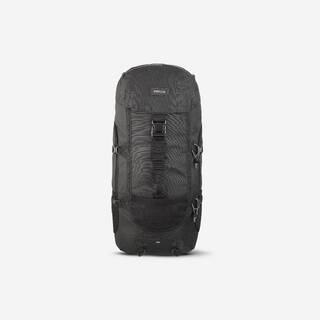


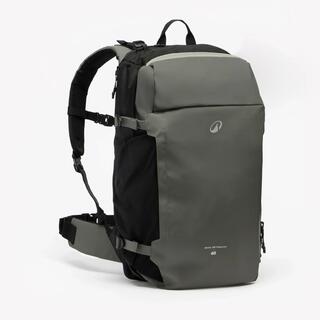


Engineered Load Carriage Systems for Indian Terrain and Multi-Sport Applications
Backpacks, rucksacks, and duffle bags function as load-bearing structures designed to distribute weight across the body's skeletal framework while maintaining biomechanical efficiency during dynamic movement. Decathlon's portfolio spans technical trekking rucksacks with adjustable torso lengths and ventilated back panels, urban commuter backpacks with laptop sleeves and anti-theft zippers, and cylindrical duffle bags engineered for gym equipment transport. Each design addresses specific load profiles, ranging from 10-litre daypacks for trail running hydration systems to 70-litre expedition rucksacks with external attachment points for trekking poles and sleeping mats.
Indian usage conditions demand robust construction across diverse environments. Monsoon-season commutes require waterproof ripstop polyester with sealed seams and rain covers. Himalayan treks necessitate rucksacks with load-lifter straps that transfer weight from shoulders to hip belts, reducing spinal compression during 8-hour ascents. Urban cyclists need reflective piping for low-light visibility on congested roads. Quechua trekking rucksacks feature hydrostatic head ratings of 2000mm PU coating, blocking rain penetration during sustained downpours. Forclaz multi-day packs integrate ventilated mesh back systems that create airflow channels, reducing sweat accumulation in 35°C heat with 80% humidity.
Material selection directly impacts durability and weight efficiency. High-tenacity 420D ripstop nylon resists abrasion from rock faces and tree branches, while 210D polyester reduces pack weight for ultralight fastpacking. YKK zippers with self-healing coil construction prevent zipper failures under load stress. Reinforced base panels use 1000D Cordura fabric to withstand repeated ground contact on concrete platforms and dirt trails. Shoulder strap foam density ranges from 40-60 Shore A durometer, balancing cushioning comfort with structural support. Hip belts on 50-litre-plus rucksacks incorporate dual-density EVA foam that conforms to iliac crest anatomy, distributing 70% of pack weight away from shoulder girdle muscles.
Volumetric Capacity and Compartment Architecture for Activity-Specific Gear Organization
Backpack volume, measured in litres, determines carrying capacity for specific activity durations and gear requirements. Day hikes require 20-30 litre packs for water bladders, rain shells, and snack provisions. Weekend treks demand 40-50 litre rucksacks accommodating sleeping bags, cooking systems, and clothing layers. Multi-week expeditions necessitate 60-70 litre packs with external lash points for tent poles and crampon attachments. Urban commuters benefit from 15-25 litre backpacks with padded laptop sleeves supporting 15.6-inch devices, organizational pockets for chargers and notebooks, and quick-access front compartments for metro cards.
Compartment design optimizes weight distribution and access efficiency. Top-loading rucksacks with drawstring closures and floating lids provide expandable volume for bulky items like down jackets. Panel-loading backpacks with clamshell zippers allow full interior visibility, streamlining airport security checks. Bottom compartments with divider zippers isolate wet or dirty gear from clean clothing. Duffle bags with U-shaped openings enable single-motion access to gym shoes, towels, and change of clothes. Quechua Arpenaz series integrates side mesh pockets for 1-litre water bottles, eliminating the need to remove packs during hydration stops on exposed ridgelines.
Specialized organizational features address sport-specific requirements. Trekking poles attach via elastic loops and compression straps on pack sides. Hydration bladder sleeves with tube ports route drinking hoses over shoulders for hands-free sipping during technical scrambles. Helmet carry systems use bungee nets on front panels. Shoe compartments with ventilation grommets isolate odor and moisture from main storage areas. Forclaz Travel 100 duffles convert to backpacks via stowable shoulder straps, adapting to train journeys and final-approach hikes where wheeled luggage fails on uneven surfaces.
Suspension Systems and Ergonomic Fit Profiles for Load Stability Across Body Types
Suspension architecture determines how pack weight transfers through the musculoskeletal system during movement. Internal frame rucksacks use aluminium stays or HDPE framesheet inserts to create rigid spinal columns that prevent load sagging. These frames maintain pack structure even when partially loaded, keeping the center of gravity close to the body's natural balance point. External frame packs, less common in modern designs, position loads away from the back for enhanced ventilation but reduce stability on technical terrain requiring dynamic balance adjustments.
Torso length adjustment systems accommodate anatomical variation across Indian body types. Adjustable back panels slide vertically to align hip belts with iliac crests and shoulder straps with acromion processes. Proper fit positions pack weight on hip bones rather than shoulder muscles, reducing fatigue during 6-8 hour trekking days. Quechua MH500 rucksacks offer three torso sizes (S: 38-43cm, M: 43-48cm, L: 48-53cm measured from C7 vertebra to iliac crest). Women-specific models feature narrower shoulder strap spacing, shorter torso lengths, and conically shaped hip belts matching female pelvic anatomy.
Ventilation technologies address India's high-temperature, high-humidity conditions. Tensioned mesh back panels create 10-15mm air gaps between pack and spine, promoting evaporative cooling. Perforated foam padding uses open-cell structures that wick moisture away from skin contact zones. Shoulder strap channels route sweat away from neck areas prone to chafing during 20km approach marches. Load-lifter straps, angled 45 degrees from pack tops to shoulder strap attachment points, pull pack mass forward, reducing backward lean that strains lumbar muscles when carrying 15kg loads up 12% grade switchbacks.
Duffle Bag Construction and Convertible Carry Systems for Multi-Modal Transport
Duffle bags serve as high-volume, flexible storage solutions for gym equipment, team sports gear, and travel applications where rigid suitcase structures prove impractical. Cylindrical geometry maximizes interior volume while maintaining compact external dimensions. Heavy-duty tarpaulin constructions with RF-welded seams create waterproof barriers for monsoon motorcycle commutes or boat transfers to island dive sites. Reinforced grab handles use box-stitch patterns with bartack reinforcements, supporting 25kg loads during overhead locker placements or platform sprints to catch departing trains.
Convertible carry systems adapt to changing transport contexts. Padded shoulder straps stow in zippered compartments when bags travel as checked luggage, then deploy for backpack-style carrying during final approaches to remote campsites. Detachable shoulder straps with swivel clips allow crossbody messenger configurations for urban cycling. Compression straps cinch bag profiles when partially loaded, preventing internal gear shifting that destabilizes balance. Wheeled duffles integrate inline skate wheels and telescoping handles for airport terminal navigation, though wheel assemblies add 800-1200g weight compared to non-wheeled equivalents.
Material durability standards address abrasion from repeated ground contact and equipment friction. 600D polyester with PU backing resists tearing when dragged across concrete gym floors or gravel parking areas. Reinforced base panels use truck tarpaulin fabrics that withstand cleat punctures from football boots and crampon scratches from mountaineering gear. Internal dividers separate wet swimwear from dry clothing, utilizing moisture-resistant ripstop nylon that dries within 2-3 hours when hung in ventilated spaces. Kipsta team sports duffles feature ventilated end compartments with mesh panels, accelerating odor dissipation from used jerseys and shin guards during multi-day tournaments.
Urban Commuter Backpacks with Anti-Theft Features and Tech Device Protection
Urban backpacks prioritize security, organizational efficiency, and professional aesthetics for daily commutes through congested metro systems and office environments. Anti-theft designs position main zippers against the wearer's back, preventing unauthorized access in crowded train carriages. Hidden pockets behind back panels store passports and wallets away from pickpocket reach. Lockable zipper pulls use small carabiner loops that secure to D-rings, deterring opportunistic theft during cafe work sessions or platform waits.
Laptop compartments integrate suspended padding systems that protect devices from impact shock. Fleece-lined sleeves prevent screen scratches from keys or pens. Reinforced base padding absorbs vertical drops when bags are placed on hard floors. Compartments accommodate 13-inch to 17-inch laptops, with internal dimensions clearly specified (e.g., 40cm x 28cm x 3cm). Cable management pockets with elastic loops organize chargers, power banks, and earbuds, eliminating tangled cord frustration. Quick-access front pockets store metro cards and building access badges for single-hand retrieval during security checkpoints.
Reflective elements enhance visibility during early morning or post-sunset commutes on poorly lit roads. Reflective piping along shoulder straps and side panels reflects vehicle headlights from 150 meters. Some models integrate LED clip points for auxiliary safety lights. Water-resistant coatings protect electronics during sudden rain showers, though full submersion protection requires separate dry bags for devices. Breathable back panels with air channels reduce sweat accumulation during 20-minute cycling commutes in 32°C heat. Chest straps with emergency whistle buckles provide additional security features for solo travelers navigating unfamiliar urban areas after dark.
Maintenance Protocols and Longevity Optimization for Extended Service Life
Proper maintenance extends backpack service life beyond 5-7 years of regular use. After treks through dusty or muddy terrain, empty all compartments and shake out loose debris. Spot-clean stains using mild soap and lukewarm water applied with soft brushes, avoiding harsh detergents that degrade waterproof coatings. For deep cleaning, hand-wash in bathtub with 30°C water, gently agitating fabric without twisting or wringing. Never machine-wash technical rucksacks, as agitator action damages foam padding and frame stays. Air-dry completely in shaded, ventilated areas before storage, preventing mildew growth in humid climates.
Zipper maintenance prevents premature failure. Periodically clean zipper teeth with dry toothbrushes to remove sand and lint buildup. Apply silicone-based lubricants (never petroleum-based products) to coil zippers experiencing stiff operation. Inspect stress points like shoulder strap attachment seams and hip belt anchor stitching for thread wear. Address minor fraying immediately with seam sealant to prevent complete detachment during loaded use. Store packs loosely stuffed with newspaper or bubble wrap to maintain shape, avoiding compressed storage that permanently deforms foam components.
Reproofing treatments restore water repellency after extended use. Spray-on DWR (Durable Water Repellent) coatings reactivate beading on fabric surfaces that have lost hydrophobic properties through abrasion and UV exposure. Apply treatments to clean, dry packs in well-ventilated spaces, following 24-hour cure times before field use. Replace worn hip belt padding or shoulder straps through Decathlon service centers rather than discarding entire packs. Modular component replacement significantly extends total pack lifespan while maintaining original suspension geometry and load-bearing performance across thousands of kilometers of trail use.
FAQ (Frequently Asked Questions)
Q1. What backpack capacity do I need for a 3-day Himalayan trek in regions like Triund or Kedarkantha?
A 40-50 litre rucksack accommodates essential gear for 3-day treks including sleeping bag, insulated jacket, cooking system, 2 litres water capacity, and clothing layers. This volume supports self-sufficient camping without porter assistance. Quechua MH500 or Forclaz Trek 500 models in this range feature adjustable torso lengths and ventilated back panels suited for 8-10 hour trekking days at 2500-3500 meter elevations.
Q2. How do I determine correct torso length for proper backpack fit?
Measure from the C7 vertebra (prominent bone at base of neck when head tilts forward) down to the top of your hip bones (iliac crest), typically falling between 38-53cm for most adults. Backpacks with adjustable suspension systems accommodate this range through sliding back panels. Proper fit positions hip belts on hip bones, not waist, transferring 70% of load weight away from shoulders during extended carries.
Q3. Are Decathlon backpacks waterproof enough for monsoon commutes in Mumbai or Bangalore?
Most Decathlon backpacks feature water-resistant coatings with 1500-2000mm hydrostatic head ratings, blocking light to moderate rain for 30-45 minutes. For sustained monsoon downpours, use integrated rain covers (included with trekking rucksacks) or pack electronics in separate dry bags. Tarpaulin duffle bags with welded seams provide superior waterproofing for motorcycle commutes or outdoor sports gear storage during heavy rainfall periods.
Q4. What is the difference between Quechua and Forclaz backpack series?
Quechua backpacks target day hiking, camping, and recreational trekking with emphasis on durability and value across 10-50 litre capacities. Forclaz series addresses technical trekking and multi-day expeditions with advanced suspension systems, ultralight materials, and specialized features like trekking pole attachments and hydration compatibility. Forclaz models typically use higher-denier fabrics and more sophisticated ventilation architectures for extended wilderness use in challenging terrain.
Q5. Can I carry a 15kg load in a 30-litre backpack, or does capacity limit weight?
Volume and weight capacity operate independently. A 30-litre pack can physically carry 15kg if dense items like camera equipment or climbing gear fill the space, but comfort depends on suspension quality. Packs without hip belts or frame support become uncomfortable beyond 8-10kg regardless of volume. For 15kg loads, choose rucksacks with padded hip belts, load-lifter straps, and internal frames even if volume requirements stay below 40 litres.
Q6. How do I prevent shoulder and back pain when carrying heavy backpacks during long treks?
Adjust hip belt to sit on hip bones (iliac crest), not waist, then tighten until 70% of weight transfers to hips. Tighten shoulder straps until pack sits close to back without gaps, then engage load-lifter straps at 45-degree angles to pull weight forward. Loosen chest strap slightly to allow natural breathing. Recheck adjustments every 60-90 minutes as foam compresses and straps loosen during movement. Proper fit eliminates shoulder strain by routing load through skeletal structure rather than muscle groups.
Q7. What features should I look for in a gym duffle bag for daily CrossFit or weightlifting sessions?
Prioritize ventilated shoe compartments with mesh panels to isolate odor, water-resistant base panels that withstand wet locker room floors, and reinforced grab handles supporting 20kg loads. Internal pockets organize supplements, lifting belts, and wrist wraps. Duffles with 40-60 litre capacity accommodate lifting shoes, knee sleeves, resistance bands, and change of clothes. Kipsta team sports duffles feature these specifications with durable 600D polyester construction resistant to cleat abrasion and equipment friction.
Q8. Do backpacks require break-in periods like hiking boots before long treks?
Modern backpacks with pre-shaped foam padding require minimal break-in, but test fully loaded packs on 2-3 shorter day hikes before multi-day expeditions. This identifies pressure points, validates fit adjustments, and reveals organizational inefficiencies. Adjust torso length, hip belt position, and load distribution during these test hikes. Hip belt foam conforms slightly to body shape over first 20-30 hours of use, improving comfort on subsequent treks without requiring dedicated break-in protocols.
Q9. Can I use trekking backpacks as checked airline luggage, or will straps get damaged?
Trekking backpacks function as checked luggage but require strap management to prevent conveyor belt entanglement. Tuck shoulder straps, hip belts, and load-lifters into zippered compartments or secure tightly against pack body with compression straps. Some models include deployable covers that fully enclose straps and zippers. Alternatively, use large duffle bags as protective outer shells. Avoid checking packs with external attachments like trekking poles or ice axes, as these violate airline safety regulations and risk damage during baggage handling.
Q10. How often should I replace my backpack, and what are signs of structural failure?
Quality backpacks last 5-10 years with proper maintenance, covering 500-1000 days of field use. Replace when shoulder strap stitching detaches from pack body, hip belt foam compresses permanently (no longer rebounds after pressure), frame stays bend or crack, or fabric develops tears exceeding 5cm that compromise load integrity. Zipper failures, worn buckles, and frayed webbing qualify for component replacement rather than full pack retirement. Inspect high-stress areas like base panels and strap anchor points annually for early wear detection.