Travel Accessories and waist Pouch



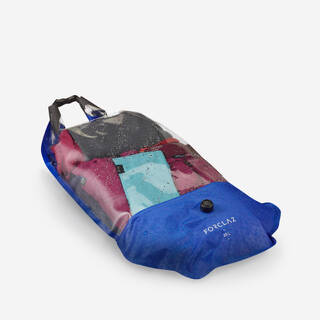

Lightweight Waist Pouches and Travel Accessories Engineered for Indian Trekking and Urban Transit
Travel accessories and waist pouches built for Indian conditions demand specific material engineering. Quechua designs incorporate ripstop polyester ranging from 210D to 420D denier, providing tear resistance across crowded metro stations, dusty bus terminals, and rocky Himalayan trails. Waist pouches feature YKK coil zippers with rain flaps, preventing monsoon moisture ingress during sudden downpours in Kerala or Meghalaya. Adjustable webbing straps use ladder-lock buckles rated for 15 kg load distribution, keeping passport wallets, power banks, and first-aid kits secure during multi-hour train journeys or high-altitude treks.
Compact footprint matters in Indian travel contexts. Foldable toiletry organizers collapse to under 5 cm thickness, fitting inside overhead compartments on Vande Bharat Express or cramped hostel lockers. Compression packing cubes use double-slider zippers, reducing garment volume by 30 to 40 percent without creasing synthetic trekking shirts or merino base layers. Mesh ventilation panels on shoe bags allow post-trek boot aeration, critical after humid monsoon hikes in Western Ghats or dusty Spiti Valley crossings. RFID-blocking passport holders shield contactless cards from electronic skimming in crowded airport queues at Delhi or Mumbai terminals.
Hydration Bladder Compatibility and Modular Attachment Systems for Multi-Day Backpacking
Waist pouches designed for trekking integrate MOLLE webbing loops, allowing modular attachment of carabiners, water bottle holders, or compact camera cases. Quechua waist packs feature internal sleeves compatible with 1.5-liter hydration bladders, routing insulated drink tubes through reinforced grommets. This setup proves essential during 8 to 10-hour Roopkund or Valley of Flowers treks, where hands-free hydration prevents dehydration at altitudes exceeding 3,500 meters. Elasticized side pockets accommodate 500 ml soft flasks, maintaining water access during technical scrambles where removing a backpack risks balance loss on loose scree.
Attachment versatility extends to urban commuting. Detachable shoulder straps convert waist pouches into crossbody slings for metro travel in Bangalore or Kolkata, distributing 2 to 3 kg loads (laptop chargers, notebooks, snacks) across torso rather than concentrating weight on hips. Reflective piping along zipper tracks enhances visibility during early-morning cycle commutes or late-evening airport transfers. Internal key clips with coiled lanyards prevent loss during security checks or crowded festival environments like Pushkar Camel Fair or Hornbill Festival in Nagaland.
Thermal Insulation and Dust Protection for Electronics During Extreme Indian Climate Exposure
Travel accessories must shield sensitive electronics from India's temperature extremes. Padded tablet sleeves use closed-cell foam inserts (5 to 8 mm thickness), absorbing shocks during bus rides on potholed Leh-Manali Highway or overnight train journeys. Neoprene laptop cases provide thermal buffering, preventing overheating when devices sit in direct sunlight during Rajasthan desert safaris (ambient temperatures reaching 45°C) or altitude-induced cold stress in Ladakh (dropping below 0°C at night). Waterproof roll-top phone pouches achieve IPX7 ratings, surviving accidental submersion during Ganges aarti ceremonies in Varanasi or kayaking in Goa's backwaters.
Dust ingress poses severe risks to camera gear and power banks during Thar Desert crossings or Rann of Kutch expeditions. Silicone-sealed cable organizers prevent fine particulate contamination of USB-C ports and charging pins. Antimicrobial-treated toiletry bags resist mold growth in humid coastal climates (Kochi, Visakhapatnam), where 80 to 90 percent relative humidity accelerates bacterial proliferation on damp towels or toothbrushes. Transparent TSA-approved liquid pouches simplify security screening at Indian airports, meeting 100 ml container limits without unpacking entire toiletry kits.
Ergonomic Load Distribution and Anti-Chafing Design for Long-Distance Trekking and Pilgrimage Routes
Waist pouch ergonomics directly impact comfort during 15 to 20 km daily trekking distances. Quechua models feature contoured hip belts with dual-density foam (soft EVA against skin, firm polyethylene for structure), preventing pressure sores during Kedarnath or Amarnath yatra pilgrimages. Breathable mesh backing uses 3D spacer fabric, creating 4 to 6 mm air gaps that reduce sweat accumulation by 40 percent compared to solid nylon backs. This ventilation proves critical during April-May pre-monsoon heat, when temperatures in Uttarakhand foothills exceed 35°C and humidity climbs above 70 percent.
Anti-chafing construction eliminates friction hotspots. Flatlock stitching on waist belt edges prevents skin abrasion during repetitive hip rotation inherent to uphill trekking biomechanics. Silicone gripper strips on interior belt surfaces maintain pouch position without over-tightening, avoiding nerve compression (meralgia paresthetica) during 6 to 8-hour trail days. Adjustable sternum straps on larger waist packs (5 to 7-liter capacity) transfer 20 to 30 percent of load to shoulders, reducing lumbar strain when carrying 2 kg of essentials (water, snacks, rain shell, first-aid kit) across undulating terrain like Sandakphu or Har Ki Dun trails.
Multi-Compartment Organization and Quick-Access Pockets for Urban Travel and Airport Transit
Efficient compartmentalization accelerates security checks and boarding processes. Travel wallets feature dedicated slots for boarding passes, 6 to 8 card pockets (Aadhaar, PAN, credit cards), and zippered coin sections, eliminating fumbling during metro token purchases or chai payments at railway platforms. RFID-blocking liners use aluminum-polyester laminates, attenuating 13.56 MHz frequencies used by contactless payment skimmers in crowded marketplaces or tourist hotspots. Passport holders accommodate 2 to 3 passports plus vaccination certificates, essential for families traveling internationally from Chennai or Hyderabad airports.
Quick-access front pockets on waist pouches allow retrieval of smartphones or sanitizers without removing the pack. YKK Aquaguard zippers with rubberized pullers enable one-handed operation while carrying luggage or navigating airport corridors. Internal mesh dividers separate clean clothes from worn garments in packing cubes, maintaining hygiene during week-long Andaman island-hopping trips or Sikkim monastery circuits. Compression straps on toiletry organizers secure bottles during turbulent flights, preventing shampoo leaks that damage electronics or documents. Hanging hooks on toiletry bags enable vertical suspension in cramped train bathrooms or hostel shower stalls, keeping contents accessible without floor contact.
Durability Standards for High-Frequency Use Across Indian Transport Networks and Adventure Environments
Travel accessories endure extreme mechanical stress across Indian transit systems. Reinforced bartack stitching at zipper terminals and strap attachment points withstands 500 to 1,000 load cycles, equivalent to daily use over 18 to 24 months of weekend treks or monthly business travel. Abrasion-resistant base panels use 600D polyester with PU coating (3,000 mm waterproof rating), surviving repeated contact with rough train berths, bus luggage racks, or rocky campsite surfaces in Spiti or Zanskar valleys. Metal hardware (buckles, D-rings) uses corrosion-resistant alloys, preventing rust degradation in coastal humidity (Goa, Pondicherry) or salt spray during Lakshadweep boat transfers.
Quechua implements field-tested durability protocols. Waist pouch zippers undergo 5,000-cycle abrasion tests, simulating years of sandy Rajasthan exposure or dusty Hampi boulder-field scrambles. Strap webbing resists UV degradation up to 500 hours of direct sunlight, maintaining tensile strength during high-altitude Himalayan treks where UV intensity increases 10 to 12 percent per 1,000-meter elevation gain. Warranty coverage spans 2 to 5 years depending on product category, reflecting confidence in material selection and construction quality. Repair-friendly designs allow zipper replacement or strap re-stitching at Decathlon service centers, extending product lifespan beyond typical 3 to 4-year disposable accessory cycles.
FAQ (Frequently Asked Questions)
Q1. What materials are Decathlon's travel accessories made of?
Decathlon's travel accessories and waist pouches are crafted from high-quality, durable materials designed to withstand the rigors of travel. Many of our products feature water-resistant fabrics, reinforced seams, and sturdy zippers to ensure your belongings remain protected.
Q2. How do I choose the right size waist pouch or travel bag?
When selecting the appropriate size, consider the items you'll be carrying and the duration of your journey. Waist pouches are ideal for carrying essentials like phones, wallets, and snacks, while travel bags offer more capacity for clothing, gear, and other larger items. Refer to the product dimensions and capacity specifications to find the perfect fit for your needs.
Q3. Are Decathlon's travel accessories suitable for outdoor activities?
Absolutely! Many of our travel accessories are designed with outdoor adventures in mind. Our waist pouches and travel bags feature water-resistant materials, breathable mesh panels, and adjustable straps to ensure comfort and protection during hiking, camping, or other outdoor pursuits.
Q4. Can I personalize or customize my travel accessory?
While we don't offer personalization or customization services for our travel accessories, our collection features a wide range of colors, styles, and designs to suit your personal preferences. You can mix and match different pieces to create a unique look that reflects your individual style.
Q5. How do I properly clean and maintain my travel accessories?
To keep your travel accessories in top condition, we recommend spot cleaning with a mild soap and water solution. Avoid submerging the entire item, as this could damage the materials or zippers. Allow the accessory to air dry completely before storing. Periodically inspect for any signs of wear or damage and address them promptly.
Q6. Do Decathlon's travel accessories come with any warranties or guarantees?
At Decathlon, we stand behind the quality of our products. Many of our travel accessories come with a warranty or guarantee against manufacturing defects. Please refer to the specific product details or consult with our knowledgeable staff for more information.
Q7. Can I try on or test the travel accessories before purchasing?
Absolutely! We encourage you to visit one of our Decathlon stores and try on our waist pouches or test the capacity and comfort of our travel bags. Our friendly staff will be happy to assist you in finding the perfect fit and answering any questions you may have.
Q8. Do you offer any travel accessories specifically designed for women or men?
While our travel accessories are designed to be versatile and suitable for all genders, we do offer some styles and sizes that cater specifically to women's or men's preferences. Our product descriptions and in-store displays will clearly indicate any gender-specific features or sizing.
Q9. Can I return or exchange a travel accessory if it doesn't meet my needs?
At Decathlon, we want you to be completely satisfied with your purchase. If you're not happy with your travel accessory for any reason, you can return or exchange it within the specified timeframe, subject to our return policy. Please refer to our website or speak with a store associate for more details.
Q10. Do you offer any travel accessory bundles or sets?
Yes, we do offer some travel accessory bundles and sets that combine complementary items at a discounted price. These sets can include a waist pouch and a travel bag, or a combination of different travel accessories designed to work together seamlessly. Check our website or ask a store associate for more information on available bundles.
Q11. What waist pouch capacity works best for day treks in Indian hill stations like Munnar or Nainital?
A 2 to 3-liter waist pouch suffices for 6 to 8-hour day treks, carrying essentials like a 1-liter water bottle, energy bars, rain shell, and basic first-aid kit. Larger 5 to 7-liter models suit technical treks requiring extra layers, headlamps, or camera gear. Quechua designs feature expandable pockets that accommodate volume fluctuations as you consume water and snacks throughout the hike.
Q12. How do I prevent waist pouch chafing during long-distance treks in humid monsoon conditions?
Choose models with 3D mesh backing and contoured hip belts that create airflow gaps, reducing sweat accumulation by 30 to 40 percent. Wear the pouch over a thin moisture-wicking base layer rather than bare skin, and adjust straps to distribute load without over-tightening. Apply anti-chafe balm to hip contact points before starting 10+ km treks in Western Ghats or Meghalaya during July-August monsoon peaks.
Q13. Can travel packing cubes actually reduce luggage volume for 10-day Ladakh or Sikkim trips?
Yes, compression packing cubes with double-slider zippers reduce garment volume by 30 to 40 percent, allowing you to fit 7 to 10 days of trekking clothes (base layers, fleece, down jacket) into a 40-liter backpack. Roll clothes tightly before inserting into cubes, and use separate cubes for clean versus worn items to maintain organization during multi-day treks without daily laundry access.
Q14. What waterproof rating do I need for toiletry bags during monsoon travel in Kerala or Goa?
Look for toiletry organizers with 3,000 mm PU-coated fabric or TPU-laminated construction, providing protection against heavy monsoon downpours and bathroom splashes. Welded seams prevent water ingress better than stitched seams. Hanging hooks allow vertical drainage in humid coastal climates, and antimicrobial treatments resist mold growth when bags remain damp for 24 to 48 hours between uses.
Q15. How do RFID-blocking passport holders work, and are they necessary for Indian airport travel?
RFID-blocking materials use aluminum-polyester laminates that attenuate 13.56 MHz radio frequencies, preventing contactless card skimming. While Indian airports have improved security, RFID protection adds a layer of safety in crowded international terminals (Delhi T3, Mumbai T2) and tourist markets where electronic pickpocketing devices may operate. These holders also organize passports, boarding passes, and vaccination certificates in one compact unit.
Q16. What's the difference between 210D and 420D ripstop polyester in travel accessories?
Denier (D) measures fiber thickness. 210D ripstop offers lightweight tear resistance suitable for packing cubes and shoe bags (weighing 80 to 120 grams), while 420D provides heavier-duty abrasion resistance for waist pouches and toiletry bags subjected to rough handling (weighing 150 to 200 grams). Both use ripstop weave patterns that prevent small tears from propagating, critical during multi-month backpacking trips across varied Indian terrain.
Q17. Can I attach a waist pouch to my trekking backpack for easier access during Himalayan treks?
Yes, waist pouches with MOLLE webbing or carabiner loops attach to backpack hip belts or shoulder straps, allowing quick access to snacks, sunscreen, or cameras without removing your main pack. This setup proves essential during technical sections of Roopkund or Pin Parvati Pass where stopping to dig through a 50-liter backpack risks losing balance on narrow trails or loose scree.
Q18. How do I clean and maintain travel accessories after dusty Rajasthan or muddy monsoon treks?
Shake out loose dust and debris, then spot-clean with mild soap and lukewarm water using a soft brush. Avoid machine washing unless the product label explicitly allows it, as agitation can damage waterproof coatings and laminated fabrics. Air-dry completely in shade (not direct sunlight, which degrades UV-sensitive materials) before storage. For stubborn mud stains from monsoon treks, soak in cool water for 30 minutes before gentle hand-washing.
Q19. What capacity toiletry organizer fits TSA liquid limits for international flights from Indian airports?
A 1 to 1.5-liter transparent toiletry pouch accommodates ten 100 ml containers (the TSA/BCAS limit for liquids in carry-on), including shampoo, sunscreen, toothpaste, and face wash. Quechua designs feature removable inner pouches that simplify security screening at Delhi, Mumbai, or Bangalore airports. For checked luggage, larger 3 to 5-liter hanging organizers suit families or extended trips requiring full-size toiletries.
Q20. Are compression packing cubes worth carrying for short 3 to 4-day weekend treks in Himachal or Uttarakhand?
For weekend trips, standard (non-compression) packing cubes provide sufficient organization without added weight of compression zippers (which add 20 to 40 grams per cube). Compression models become valuable for week-long or multi-destination trips where you need to fit 7+ days of clothing into a compact 40-liter backpack, or when you're purchasing souvenirs and need to create luggage space for the return journey.