Jackets









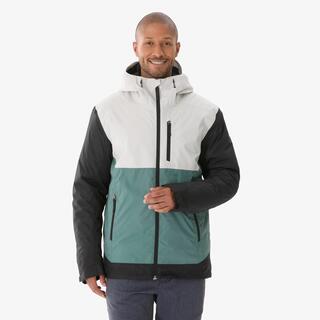

Understanding Waterproof Ratings and Breathability in Decathlon Jackets
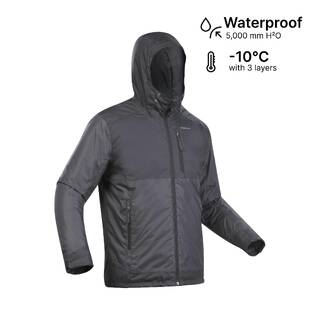
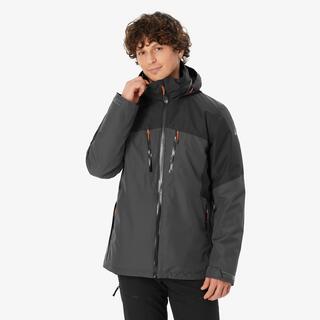
Waterproof ratings measure how much water pressure a fabric can withstand before leaking. Decathlon jackets for men and women use the Schmerber scale (mm water column). A 2,000 mm rating handles light drizzle. A 5,000 mm rating protects against moderate rain typical in Bangalore or Pune monsoons. For heavy Western Ghats downpours or Mumbai's relentless July rains, look for 10,000 mm to 15,000 mm ratings. Forclaz trekking shells often reach 20,000 mm for high-altitude Himalayan storms.
Breathability matters just as much. The RET (Resistance to Evaporative Transfer) scale measures moisture vapor escape. RET below 6 suits high-intensity hiking and trail running. RET between 6 and 12 works for moderate trekking pace. Quechua waterproof jackets balance protection and ventilation using microporous membranes and pit zips under the arms. Taped seam rain coats seal every stitch line to block water entry. DWR (Durable Water Repellent) coatings make rain bead off the outer fabric surface instead of soaking in.
Quechua Waterproof Shells for Monsoon Commutes and Day Hikes
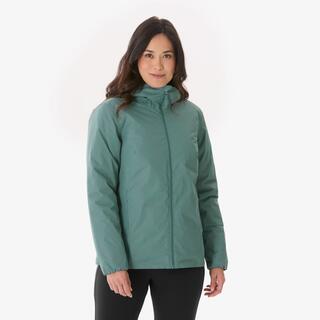
Quechua jackets handle everyday rain protection and light trekking. These shells use coated polyester or polyamide fabrics with 5,000 mm to 10,000 mm waterproof ratings. Fully taped seams prevent water seepage through stitching holes. Adjustable hoods with stiffened peaks keep rain off your face during two-wheeler commutes in Delhi smog or Chennai coastal drizzle.
Packability is key. Many Quechua rain jackets compress into their own chest pocket or stuff sack, weighing under 300 grams. Storm flaps cover front zippers to block wind-driven rain. Elastic cuffs and adjustable hem cords seal out drafts. Pit zips (underarm ventilation) let you dump heat during uphill walks without removing the entire jacket. These features make Quechua waterproof jackets ideal for sudden Bengaluru showers or Goa monsoon treks.
Forclaz High-Altitude Down Jackets with RDS-Certified Insulation
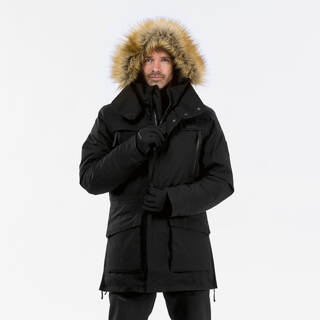
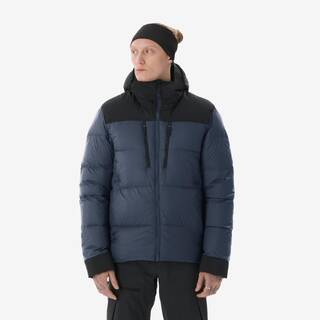
Down jackets trap warmth using clusters of goose or duck plumage. Fill power measures loft quality. A 650 CUIN (cubic inches per ounce) rating provides good insulation for 0°C to 5°C conditions. An 800 CUIN down jacket delivers exceptional warmth-to-weight ratio for sub-zero Himalayan camps at Kedarkantha, Chadar, or Sandakphu base camps. Forclaz trek down jackets use RDS (Responsible Down Standard) certified fill to ensure ethical sourcing.
Comfort temperature ratings guide selection. A jacket rated to -5°C comfort keeps you warm at that temperature without additional layers. For -10°C to -20°C winter treks, choose Forclaz sub zero winter jackets with baffled construction (stitched compartments that prevent down migration). Ripstop nylon outer shells resist tears from rock abrasion. Water-resistant down treatments maintain loft even in damp conditions. YKK zippers with internal storm flaps block cold air infiltration.
Synthetic Padded Jackets for Wet Himalayan Conditions
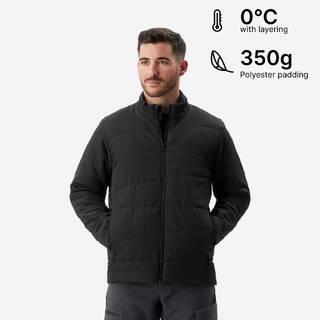
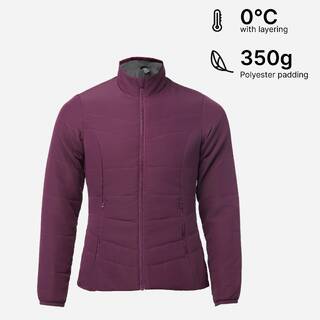
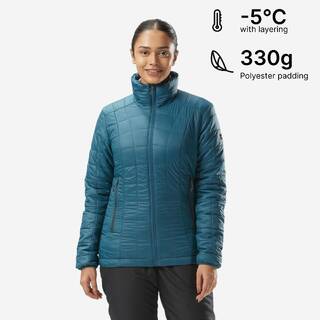
Synthetic wadding (ball-fiber polyester padding) insulates even when wet. Unlike down, which clumps and loses loft in moisture, synthetic insulation retains 80% warmth when damp. This makes synthetic padded jackets superior for monsoon treks in Uttarakhand or Sikkim where condensation and rain mix with cold.
Decathlon synthetic jackets use continuous filament or hollow-core polyester fibers. These materials dry faster than down and cost less to maintain. Quilted or channel construction distributes padding evenly. For temperatures between 0°C and 10°C with high humidity, synthetic insulation outperforms down. Combine with a waterproof shell layer for complete protection during sleet or wet snow.
Windcheater Jackets for Two-Wheeler Commutes and Trail Running
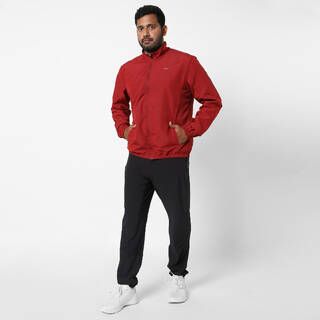
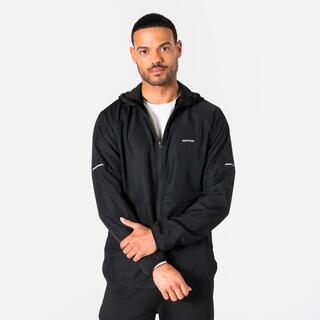
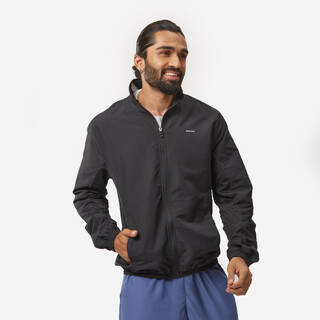
Windcheater jackets decathlon models block wind chill without heavy insulation. These lightweight shells use tightly woven polyamide or polyester with minimal padding. Wind resistance prevents convective heat loss during bike rides through North Indian winter fog or early morning Mumbai sea breeze.
Packable rain ponchos and ultra-light windbreakers from Kiprun or Kalenji weigh under 200 grams. They fold into palm-sized pouches for emergency rain protection during ultra-marathons or cycling tours. Elastic cuffs and drawstring hems seal out gusts. Reflective strips improve visibility during night commutes. These jackets layer over fleece mid-layers in the 3-layer clothing system without restricting arm movement.
Fleece Mid-Layers for Thermal Regulation in the 3-Layer System
Fleece jackets decathlon range provides the insulating mid-layer between base layers and outer shells. Polar fleece (brushed polyester) traps air pockets for warmth without bulk. Fleece breathes better than padded jackets, making it ideal for high-output activities like steep ascents or cross-country skiing.
Fleece weight determines warmth. Microfleece (100 to 200 gsm) suits mild 10°C to 15°C conditions. Mid-weight fleece (200 to 300 gsm) handles 0°C to 10°C temperatures. Heavy fleece (300+ gsm) provides core insulation for stationary cold like belaying or campsite evenings. Full-zip designs allow quick ventilation adjustments. Thumb loops keep sleeves in place under shell jackets. Quechua fleece jackets pair with waterproof outer layers for versatile Himalayan winter wear.
Snow Jackets and Wedze Ski Insulation for Heavy Winter Sports
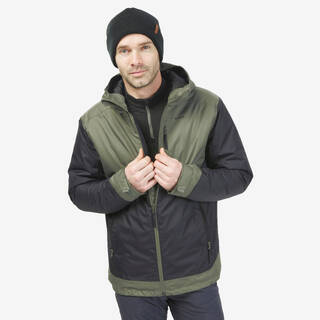
Snow jackets for winter from Wedze combine waterproofing, insulation, and ski-specific features. These jackets use 10,000 mm to 20,000 mm waterproof membranes with fully taped seams to block wet snow penetration. Synthetic insulation in the torso and sleeves provides warmth without restricting movement during downhill runs or snowboarding.
Powder skirts (elastic inner waistbands) attach to ski pants to prevent snow entry during falls. Goggle pockets, ski pass sleeves, and helmet-compatible hoods add functionality. Articulated elbows and underarm gussets improve mobility. Wedze jackets handle Gulmarg powder days, Auli slopes, and Manali winter expeditions. Ventilation zippers dump heat during intense runs without removing the jacket.
Choosing Between Quechua and Forclaz Jacket Lines
Quechua targets casual hikers, day trekkers, and urban rain protection. These jackets balance affordability with reliable waterproofing (5,000 mm to 10,000 mm) and breathability. Quechua designs prioritize packability and everyday versatility for nature walks, camping trips, and monsoon commutes.
Forclaz serves serious mountaineers and multi-day trekkers. Forclaz jackets use premium materials like 800 CUIN down, 20,000 mm waterproof shells, and reinforced ripstop fabrics. Construction details include helmet-compatible hoods, ice axe loops, and crampon-resistant lower hems. If you trek above 3,500 meters or face sub-zero nights, Forclaz delivers the technical performance required. For weekend trails below 2,500 meters, Quechua provides sufficient protection.
Layering Strategy for Himalayan Winter Trekking
The 3-layer system manages moisture and temperature across changing conditions. The base layer (merino wool or synthetic) wicks sweat off skin. The mid-layer (fleece or light synthetic jacket) traps warm air. The outer shell (waterproof breathable jacket) blocks wind and precipitation.
Start mornings with all three layers during frozen dawn starts. Remove the mid-layer during steep climbs to prevent overheating and sweat buildup. Add it back during rest stops when your body cools. At camp, add a Forclaz down jacket over the fleece for maximum insulation. This modular approach prevents moisture condensation inside layers, which causes dangerous heat loss. Pit zips and full-front zippers allow quick ventilation without stripping layers.
Care and Maintenance for Down and Waterproof Jackets
Down jackets require gentle washing to preserve loft. Use front-loading machines (top-loaders with agitators damage baffles). Wash in cold water with down-specific detergent. Rinse twice to remove all soap residue, which clumps feathers. Tumble dry on low heat with clean tennis balls to break up clumps and restore loft. Never dry clean down, as solvents strip natural oils.
Waterproof jackets lose DWR coating over time. When water stops beading and fabric 'wets out' (darkens with moisture), reapply spray-on or wash-in DWR treatment. Clean the jacket first to remove dirt that blocks coating adhesion. Tumble dry or iron on low heat to reactivate the treatment. Store jackets uncompressed on hangers to maintain insulation loft and fabric shape. Avoid prolonged compression in stuff sacks between trips.
FAQ (Frequently Asked Questions)
Q1. What is the difference between a waterproof and water-resistant jacket?
A waterproof jacket is designed to completely block water from penetrating the fabric, while a water-resistant jacket can repel light rain or moisture but may eventually become saturated in heavy downpours or prolonged exposure.
Q2. How do I determine the right insulation level for a jacket?
The insulation level you need depends on the climate and activities you'll be engaging in. For colder temperatures or low-intensity activities, opt for a heavily insulated jacket. For milder conditions or high-intensity activities, a lightly insulated or uninsulated jacket may be more suitable.
Q3. Can I machine wash my jacket?
Many jackets are machine washable, but it's essential to check the care label and follow the manufacturer's instructions. Some jackets may require special care, such as hand washing or using a gentle cycle.
Q4. How do I choose the right jacket size?
To find the right jacket size, measure your chest, waist, and arm length, and refer to the size chart provided by the manufacturer. It's also recommended to try on different sizes to ensure a comfortable and unrestricted fit.
Q5. Can I wear a jacket for both outdoor activities and casual wear?
Absolutely! Many jackets in our collection are designed to be versatile and suitable for both outdoor adventures and everyday casual wear. Look for jackets with a stylish yet functional design that can transition seamlessly between different settings.
Q6. How do I care for a down-insulated jacket?
Down-insulated jackets require special care to maintain their insulating properties. Avoid getting them wet, as down loses its loft when damp. Clean them regularly with a specialized down cleaner, and store them in a breathable garment bag when not in use.
Q7. What features should I look for in a hiking or trekking jacket?
For hiking and trekking, look for jackets with features like breathable and waterproof fabrics, adjustable hoods and cuffs, multiple pockets for storage, and reinforced panels for durability. Ventilation zippers and moisture-wicking linings can also enhance comfort during strenuous activities.
Q8. Can I layer jackets for added warmth?
Yes, layering jackets is an effective way to adjust your insulation and adapt to changing weather conditions. Start with a base layer, add an insulating mid-layer, and top it off with a waterproof or wind-resistant outer shell jacket.
Q9. How do I choose a jacket for urban or casual wear?
For urban or casual wear, prioritize style, comfort, and versatility. Look for jackets with a modern, trendy design that complements your personal style. Consider lightweight, packable options that are easy to carry and layer as needed.
Q10. Which Decathlon jacket is best for extreme winter and snow?
Forclaz sub zero winter jackets with 800 CUIN RDS-certified down and comfort ratings to -20°C handle extreme cold. For wet snow conditions, choose Wedze ski jackets with 15,000 mm to 20,000 mm waterproofing and synthetic insulation that retains warmth when damp. Pair with fleece mid-layers for temperatures below -10°C.
Q11. What is the difference between Quechua and Forclaz jackets?
Quechua jackets suit casual hiking, day treks, and urban rain protection with 5,000 mm to 10,000 mm waterproofing. Forclaz jackets target high-altitude mountaineering with 20,000 mm waterproof shells, 800 CUIN down insulation, and reinforced fabrics for sub-zero Himalayan conditions. Forclaz uses premium materials and technical construction for multi-day expeditions above 3,500 meters.
Q12. How waterproof are Decathlon jackets during heavy Indian monsoons?
Decathlon waterproof jackets with 10,000 mm ratings handle heavy Western Ghats and Mumbai monsoons effectively. Fully taped seams prevent water seepage through stitching. DWR coatings make rain bead off the fabric surface. For prolonged downpours exceeding 6 hours, choose Forclaz shells with 15,000 mm to 20,000 mm ratings and storm flaps over zippers.
Q13. What is the difference between a down jacket and a synthetic padded jacket?
Down jackets use goose or duck plumage with superior warmth-to-weight ratio. An 800 CUIN down jacket provides exceptional insulation for dry cold but loses loft when wet. Synthetic padded jackets use polyester wadding that retains 80% warmth when damp, dries faster, and costs less to maintain. Choose synthetic for humid Himalayan treks and down for dry sub-zero camps.
Q14. Which Decathlon jacket is best for Himalayan trekking like Kedarkantha?
Forclaz trek down jackets with 650 to 800 CUIN fill and -5°C to -10°C comfort ratings suit Kedarkantha winter treks. Pair with a Quechua waterproof shell (10,000 mm rating) for snow protection. Add a fleece mid-layer for the 3-layer system. For Chadar or higher altitude treks, upgrade to Forclaz sub zero jackets rated to -20°C.
Q15. How do I choose between a fleece jacket and a windcheater?
Fleece jackets provide insulation through trapped air pockets and work as mid-layers in the 3-layer system for 0°C to 15°C temperatures. Windcheater jackets block wind chill without insulation, ideal for two-wheeler commutes or layering over fleece. Use windcheaters alone in 15°C to 25°C conditions with wind. Combine both for cold, windy Himalayan ascents.
Q16. What do waterproof ratings like 5000 mm and 10000 mm mean in Decathlon jackets?
Waterproof ratings measure fabric resistance to water pressure in mm water column (Schmerber scale). A 5,000 mm rating handles moderate rain like Bangalore monsoons. A 10,000 mm rating protects against heavy downpours typical in Western Ghats. Ratings above 15,000 mm withstand prolonged storms and wet snow in high-altitude Himalayan treks.
Q17. Can Decathlon waterproof and down jackets be washed at home?
Yes. Wash down jackets in front-loading machines with down-specific detergent, cold water, and double rinse. Tumble dry on low heat with tennis balls to restore loft. Waterproof jackets can be machine washed with technical fabric detergent. Reapply DWR coating after washing and heat-activate by tumbling or ironing on low. Never dry clean down or use fabric softeners on waterproof shells.
Q18. What is the Decathlon 3-layer clothing system for winter hiking?
The 3-layer system includes a moisture-wicking base layer (merino or synthetic), an insulating mid-layer (fleece or light synthetic jacket), and a waterproof breathable outer shell. This modular approach allows you to add or remove layers based on activity intensity and weather. Remove the mid-layer during steep climbs to prevent sweat buildup, then add it back during rest stops to retain warmth.