Basketball Shoes

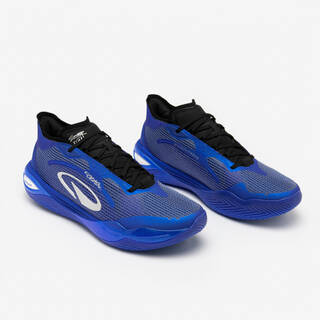
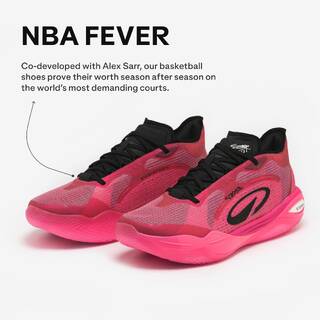
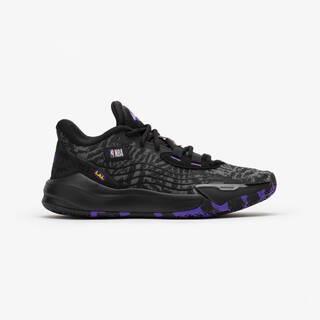
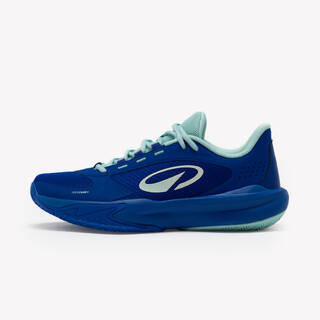
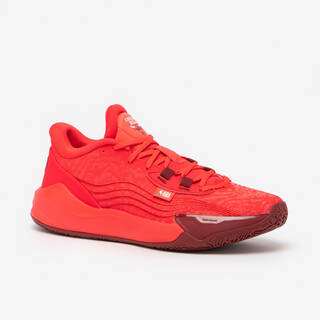
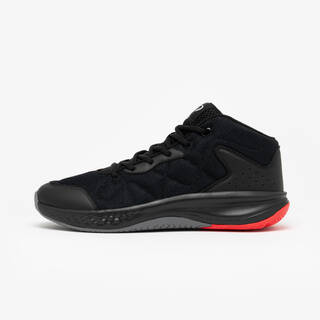
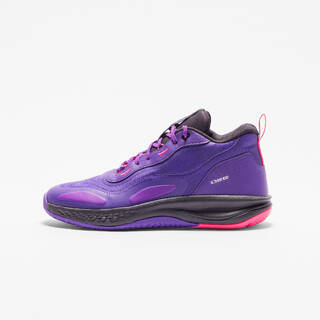
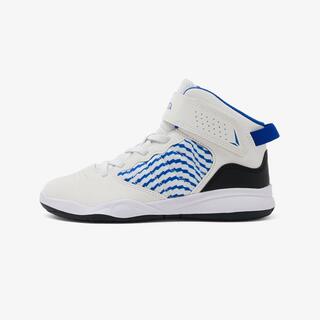
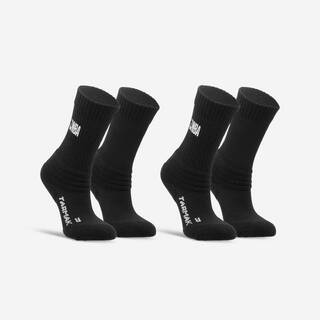
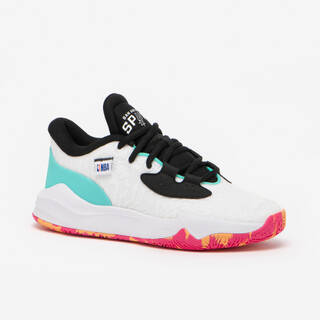
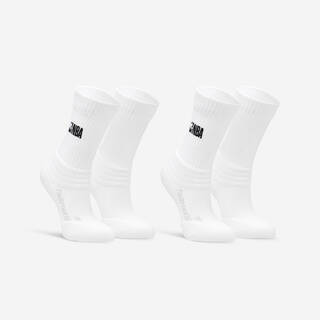
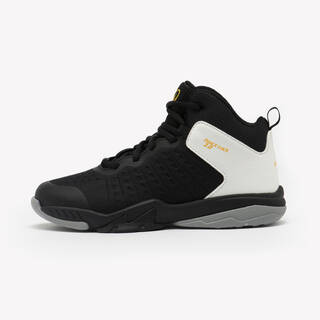
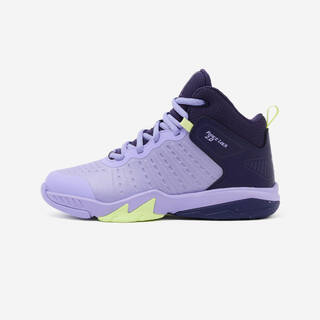
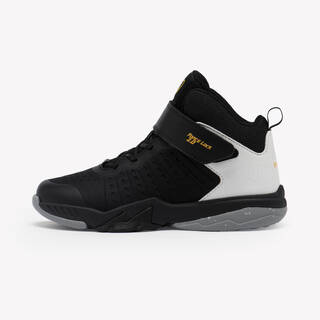
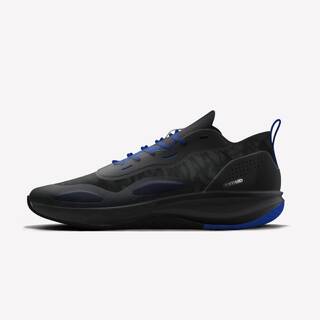
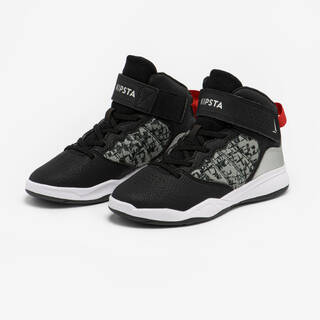
Court-Ready Traction and Ankle Stability Systems for Indian Indoor and Outdoor Play
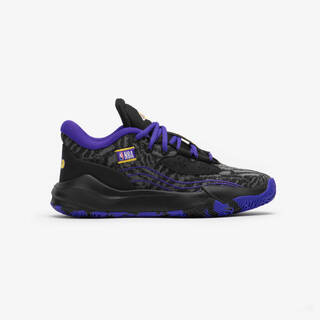
Basketball shoes demand specialized outsole geometries engineered for multidirectional cuts, explosive lateral pushoffs, and sudden deceleration on hardwood and synthetic courts. Decathlon's Tarmak basketball footwear integrates herringbone tread patterns with varying lug depths (typically 3 to 5mm) to maximize friction coefficients on polished indoor surfaces while maintaining grip on dusty outdoor concrete courts common across Indian neighborhoods and school playgrounds. The pivot point under the forefoot uses circular traction pods that allow smooth rotational movement without catching, reducing torsional stress on the knee during spin moves.
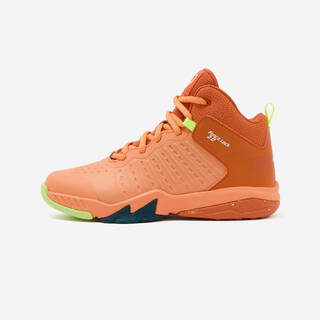
Ankle support architecture varies by play style and position. High-top silhouettes incorporate padded collars extending 8 to 10cm above the ankle bone, combined with internal heel counters molded from thermoplastic polyurethane (TPU) that cup the calcaneus and limit excessive inversion. Mid-top designs balance mobility with containment through external ankle straps or asymmetric collar cuts that follow the natural malleolus contours. Guards and forwards requiring rapid directional changes often prefer mid-tops for unrestricted Achilles flex, while centers and power forwards benefit from high-top lockdown during post-up contact and rebounding battles.
Indian outdoor courts present unique abrasion challenges. Rough concrete surfaces accelerate outsole wear, particularly in high-friction zones like the medial forefoot and lateral heel. Tarmak models designed for outdoor durability use blown rubber compounds with higher carbon black content, increasing durometer hardness from 60 to 68 Shore A compared to softer indoor compounds. This trade-off sacrifices marginal grip on pristine hardwood but extends lifespan by 40 to 60 percent on abrasive outdoor surfaces. Reinforced toe caps using synthetic overlays prevent premature upper breakdown during toe drag on jump shots.
Impact Attenuation Technologies for Vertical Load Management and Joint Protection
Basketball generates ground reaction forces reaching 4 to 6 times body weight during landing from rebounds and blocked shots. Effective cushioning systems must absorb these impact spikes while maintaining court feel for precise footwork. Tarmak footwear employs dual-density midsole constructions pairing softer EVA foam (compression set 15 to 20 percent) in the heel crash pad with firmer EVA or Phylon (compression set 8 to 12 percent) in the forefoot. This gradient allows initial shock absorption on heel strikes while preserving energy return and stability during toe-off propulsion.
Heel-to-toe drop measurements in basketball shoes typically range from 8 to 12mm, creating a slight forward lean that facilitates explosive first-step acceleration. Lower drops (6 to 8mm) suit guards prioritizing agility and ground contact, while higher drops (10 to 12mm) benefit taller players requiring additional Achilles protection during repetitive jumping. Midsole stack heights balance cushioning volume with court proximity. Excessive stack (above 30mm in the heel) elevates the center of gravity and increases ankle roll risk during cuts, while minimal stack (below 20mm) transmits excessive impact forces to the calcaneus and tibial plateau.
Indian players training on unforgiving concrete outdoor courts experience accelerated fatigue in the plantar fascia and Achilles tendon. Strategic cushioning placement becomes critical. Tarmak models integrate localized gel pads or air chambers in the lateral heel and medial forefoot, targeting peak pressure zones identified through gait analysis. These inserts compress 3 to 5mm under load, extending ground contact time by 8 to 12 milliseconds and reducing peak force transmission by 18 to 25 percent compared to uniform foam midsoles.
Breathable Upper Construction and Lockdown Fit for High-Humidity Monsoon Sessions
Indian basketball seasons span monsoon months when indoor court humidity exceeds 80 percent, saturating footwear interiors and compromising fit integrity. Tarmak uppers utilize engineered mesh panels with open-cell structures (pore sizes 0.8 to 1.2mm) positioned across the forefoot vamp and lateral quarter panels, creating convective airflow channels that evacuate moisture vapor. These mesh zones incorporate polyester yarns with hydrophobic finishes that repel liquid water while allowing vapor transmission, maintaining dry-foot microclimate even during three-hour training blocks.
Synthetic leather overlays reinforce high-stress zones without sacrificing breathability. Microfiber synthetic materials (0.4 to 0.6mm thickness) bonded to the toe box and medial arch provide abrasion resistance and structural support while weighing 30 to 40 percent less than full-grain leather. Perforations laser-cut into these overlays (typically 2mm diameter holes spaced 8 to 10mm apart) maintain ventilation without compromising tensile strength. The result is a upper that resists stretching during aggressive cuts while preventing sweat accumulation that leads to blisters and fungal growth.
Internal fit systems lock the heel and midfoot independently from forefoot flex zones. Tarmak incorporates heel cradles with asymmetric padding (8mm medial, 6mm lateral) that match the natural offset of the Achilles insertion. Midfoot straps integrated into the lacing system pull the arch closer to the footbed, eliminating dead space that causes energy loss during pushoff. Forefoot toe boxes maintain 8 to 10mm clearance above the longest toe, allowing natural splay during landing without cramping. This segmented fit approach accommodates the Indian foot morphology, which often features broader forefeet relative to heel width compared to Western lasts.
Position-Specific Tarmak Models for Guards, Forwards, and Centers
Point guards and shooting guards prioritize lightweight agility and court feel. Tarmak Fast models weigh 320 to 360 grams per shoe (size UK 8) through minimalist midsole constructions and streamlined upper patterns. Lower ankle collars (mid-top or low-top) eliminate restriction during rapid direction changes and crossover dribbles. Forefoot flex grooves cut 4 to 6mm deep into the outsole allow natural toe articulation during jump shots, while the heel counter remains rigid to prevent slippage during defensive slides. These models suit players logging high mileage covering full-court presses and transition offense.
Small forwards and power forwards require balanced cushioning and lateral support for versatile two-way play. Tarmak Strong models increase midsole volume by 15 to 20 percent compared to guard shoes, adding 40 to 60 grams of weight but improving impact protection during contested rebounds and drives to the basket. Mid-top collars with external ankle straps provide containment without the bulk of high-tops. Wider outsole platforms (typically 4 to 6mm broader in the forefoot) enhance stability during post moves and box-outs. These shoes accommodate the physical demands of slashing, crashing the boards, and defending multiple positions.
Centers and traditional post players benefit from maximum support and durability. Tarmak Protect models feature high-top collars with reinforced ankle padding (12 to 15mm thickness) and extended heel counters that wrap around the Achilles. Midsole densities increase to 55 to 60 Shore A hardness, sacrificing some cushioning softness for improved stability under the weight of taller, heavier athletes. Outsole rubber extends higher up the medial sidewall, protecting against abrasion during pivot footwork in the paint. These models typically weigh 420 to 480 grams per shoe but deliver the structural integrity needed for low-post battles and rim protection.
Sizing Accuracy and Break-In Protocols for Indian Foot Dimensions
Tarmak basketball shoes follow European sizing standards with half-size increments providing 4.2mm length adjustments. Indian players often find their true basketball shoe size sits half to one full size larger than casual sneaker sizing due to the need for toe clearance during landing impacts. A proper fit leaves 8 to 12mm (roughly thumbnail width) between the longest toe and the shoe's internal tip when standing. This space prevents jamming during forward lunges and jump stops that compress the foot toward the toe box.
Width options accommodate varying foot volumes. Standard D-width fits average Indian male feet, while 2E-width models add 6 to 8mm across the forefoot ball girth for players with broader feet or those who prefer thicker performance socks. Women-specific models use B-width lasts with narrower heels and lower instep volumes. Trying shoes with the same sock thickness used during play is essential, as cushioned basketball socks add 2 to 3mm of material between foot and shoe, affecting overall fit tension.
New basketball shoes require gradual break-in to mold upper materials to individual foot shapes and soften midsole foams to their optimal compression range. Initial wear sessions should last 20 to 30 minutes of light shooting drills and footwork exercises, allowing synthetic materials to relax without causing hot spots. Full-intensity scrimmages should wait until after three to four break-in sessions totaling 90 to 120 minutes of court time. Forcing immediate game use in stiff new shoes increases blister risk and can cause temporary discomfort in the Achilles and plantar fascia as tissues adapt to new support patterns.
Maintenance Protocols for Extended Lifespan on Indian Courts
Outdoor concrete courts deposit fine dust particles into outsole tread grooves, reducing traction coefficients by 15 to 25 percent after just one session. Post-play cleaning involves brushing outsoles with stiff nylon bristles under running water to dislodge embedded grit. Avoid harsh detergents that degrade rubber compounds. For stubborn dirt, mild soap solutions (pH 7 to 8) applied with a soft brush preserve material integrity. Drying shoes at room temperature away from direct sunlight prevents midsole foam oxidation and upper material stiffening.
Interior moisture management prevents bacterial growth and odor. Removable insoles should be extracted after each use and air-dried separately in ventilated areas. Stuffing shoes with newspaper accelerates moisture absorption from the toe box and heel pocket. Rotating between two pairs of basketball shoes allows 48-hour drying intervals, giving midsole foams time to fully decompress and regain their cushioning properties. Shoes worn on consecutive days without adequate recovery time experience 30 to 40 percent faster compression set degradation.
Outsole wear patterns indicate replacement timing. Smooth areas exceeding 20mm diameter in the lateral heel or medial forefoot signal compromised traction that increases slip risk during cuts. Visible midsole creasing or compression exceeding 5mm depth suggests foam fatigue and reduced shock absorption. Typical lifespan ranges from 300 to 500 hours of court time for indoor models, while outdoor shoes may require replacement after 200 to 350 hours due to accelerated abrasion. Tracking playing hours helps anticipate replacement before performance degradation affects movement quality or increases injury risk associated with worn-out cushioning.
FAQ (Frequently Asked Questions)
Q1. What is the difference between indoor and outdoor basketball shoes from Tarmak?
Indoor basketball shoes use softer rubber compounds (60 to 65 Shore A hardness) optimized for maximum grip on polished hardwood, while outdoor models feature harder rubber (65 to 68 Shore A) with increased carbon content to resist abrasion on concrete courts. Outdoor shoes also incorporate reinforced toe caps and thicker outsole rubber in high-wear zones, extending lifespan by 40 to 60 percent on rough surfaces. Indoor models prioritize lighter weight and superior court feel, while outdoor versions sacrifice some grip and responsiveness for durability.
Q2. How do I choose between high-top, mid-top, and low-top basketball shoes?
High-tops provide maximum ankle support through padded collars extending 8 to 10cm above the ankle bone, ideal for centers and power forwards engaged in physical post play. Mid-tops balance support with mobility, suiting versatile forwards who need lateral containment without restricting Achilles flex. Low-tops maximize freedom of movement for guards prioritizing speed and agility, though they offer minimal ankle structure. Your position, playing style, and any history of ankle instability should guide the decision.
Q3. What heel-to-toe drop should I look for in basketball shoes?
Most basketball shoes feature 8 to 12mm heel-to-toe drops that facilitate explosive first-step acceleration and forward weight transfer during drives. Guards often prefer lower drops (6 to 8mm) for enhanced court feel and agility, while taller players benefit from higher drops (10 to 12mm) that reduce Achilles strain during repetitive jumping. Drops below 6mm increase calf and Achilles loading, while drops above 12mm can compromise stability during lateral movements.
Q4. How much toe space should basketball shoes have for proper fit?
Proper basketball shoe fit requires 8 to 12mm (approximately thumbnail width) of clearance between your longest toe and the shoe's internal tip when standing. This space prevents toe jamming during forward lunges and landing impacts that compress the foot toward the toe box. Most players size up half to one full size compared to casual sneakers to achieve this clearance while maintaining snug heel and midfoot lockdown through proper lacing.
Q5. Can I use the same basketball shoes for indoor courts and outdoor concrete?
Using indoor basketball shoes on outdoor concrete accelerates outsole wear by 60 to 80 percent due to abrasive surface friction, potentially reducing lifespan from 400 hours to under 150 hours of play. The softer rubber compounds optimized for hardwood grip wear through quickly on concrete. If you play both surfaces regularly, dedicated indoor and outdoor pairs preserve performance and extend overall value. Outdoor shoes can transition to indoor use once traction wears down, though they will feel less responsive than purpose-built indoor models.
Q6. How do Tarmak basketball shoes accommodate wider Indian feet?
Tarmak offers 2E-width models that add 6 to 8mm across the forefoot ball girth compared to standard D-width shoes, accommodating broader Indian foot morphology without compromising heel lockdown. The toe box maintains 8 to 10mm vertical clearance for natural toe splay during landing. Players with high insteps or voluminous midfoots should try shoes with their playing socks and ensure the lacing system can cinch the midfoot without creating pressure points across the arch.
Q7. What is the typical lifespan of basketball shoes on Indian outdoor courts?
Basketball shoes used exclusively on outdoor concrete courts typically last 200 to 350 hours of play before outsole traction and midsole cushioning degrade significantly. Indoor models extend to 300 to 500 hours on hardwood surfaces. Factors affecting lifespan include player weight, court surface roughness, playing intensity, and maintenance habits. Visible smooth patches exceeding 20mm diameter on the outsole or midsole compression exceeding 5mm depth indicate replacement timing to maintain performance and reduce injury risk.
Q8. How should I break in new Tarmak basketball shoes?
Break in new basketball shoes gradually through three to four sessions of 20 to 30 minutes each, focusing on light shooting drills and footwork exercises. This allows synthetic uppers to mold to your foot shape and midsole foams to reach optimal compression range without causing blisters or hot spots. Avoid full-intensity scrimmages until completing 90 to 120 minutes of total break-in time. Wearing the same sock thickness you will use during games ensures accurate fit assessment during the break-in period.
Q9. What cushioning technology works best for heavy players or frequent jumpers?
Heavy players (above 90kg) and frequent jumpers benefit from dual-density midsole constructions that pair softer EVA foam in the heel (compression set 15 to 20 percent) with firmer Phylon in the forefoot (compression set 8 to 12 percent). Localized gel pads or air chambers in the lateral heel and medial forefoot reduce peak impact forces by 18 to 25 percent during landing. Higher midsole stack heights (26 to 30mm in the heel) provide additional cushioning volume, though excessive stack above 30mm can compromise stability during cuts.
Q10. How do I maintain traction on dusty outdoor basketball courts?
Clean outsoles after every outdoor session by brushing tread grooves with stiff nylon bristles under running water to remove embedded dust and grit that reduce traction by 15 to 25 percent. Mild soap solutions help dislodge stubborn dirt without degrading rubber compounds. Some players wipe outsoles with damp towels during timeouts to restore grip mid-game. Harder rubber compounds (65 to 68 Shore A) in outdoor-specific models resist dust accumulation better than softer indoor compounds while maintaining adequate friction on concrete surfaces.