Basketball Shorts

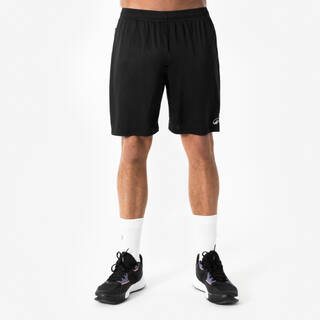

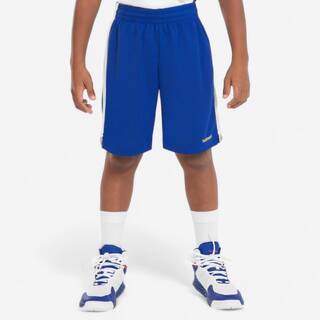
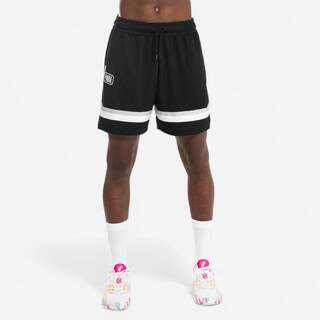
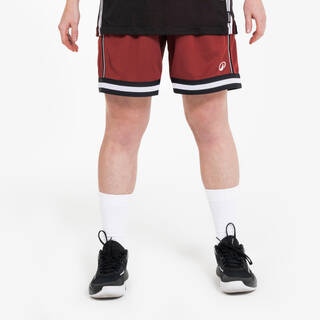
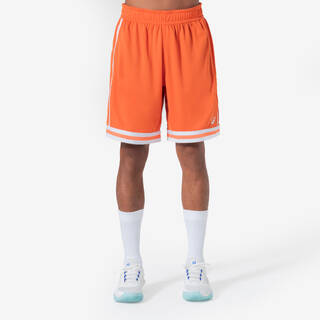
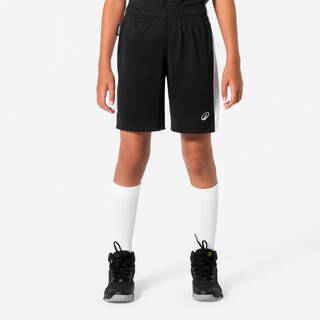
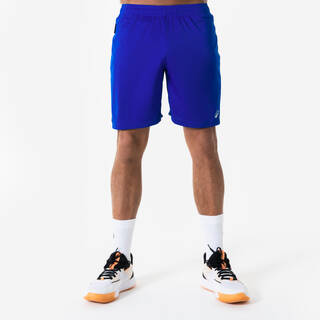
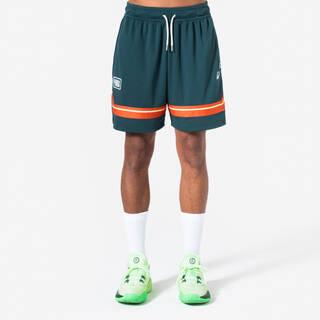

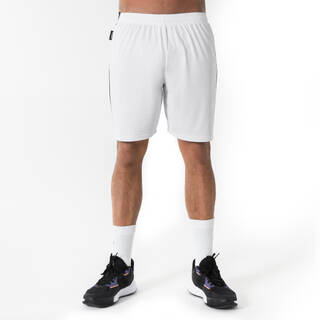

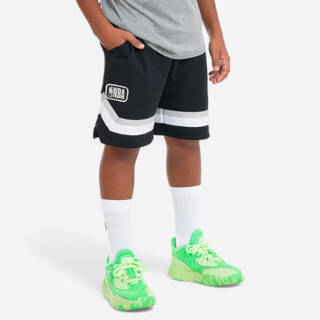
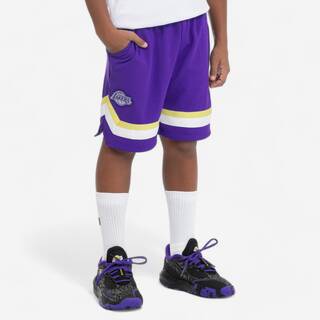
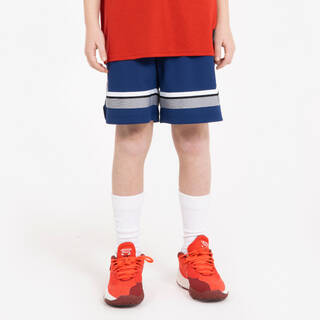
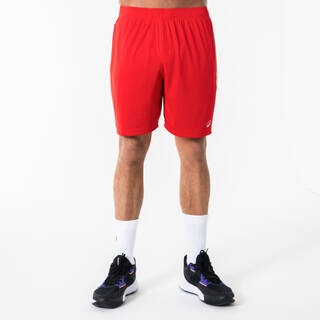
Engineered Fabric Architecture for High-Intensity Court Movement
Basketball shorts demand fabric systems that handle explosive lateral cuts, vertical jump landings, and continuous sprint cycles across indoor hardwood and outdoor concrete courts. Decathlon basketball shorts use 100% polyester interlock knits in 140 to 160 GSM weights, balancing durability against rapid moisture evacuation. Heavier 180 GSM blends incorporate 10 to 15 percent elastane for four-way stretch, critical when executing deep defensive stances or driving through contact in the paint. Lightweight 120 GSM meshes appear in side panels, accelerating sweat vapor transmission during humid monsoon gym sessions where indoor temperatures exceed 32 degrees Celsius.
Flatlock stitching runs along inseams and waistbands, eliminating pressure points during repetitive jump mechanics. Gusset inserts at the crotch provide anatomical freedom for wide stance positioning and quick pivots. Indian court surfaces, particularly outdoor tar and concrete, generate higher ground reaction forces compared to sprung hardwood floors. Shorts must withstand abrasion from frequent floor dives and contact with rough surfaces. Ripstop polyester weaves resist tearing when fabric snags on court edges or outdoor chain-link fencing. Double-needle hemming at leg openings prevents fraying after 50-plus wash cycles in hard municipal water conditions common across tier-two and tier-three Indian cities.
Inseam Length Profiles and Biomechanical Range of Motion
Inseam length directly impacts stride freedom and ventilation efficiency. Decathlon offers three core inseam profiles: 7-inch (18 cm) above-knee cuts for maximum leg exposure and cooling, 9-inch (23 cm) mid-thigh lengths balancing coverage with mobility, and 11-inch (28 cm) extended fits preferred by players seeking additional thigh protection during contact play. Shorter 7-inch inseams suit guards executing rapid crossovers and perimeter shooting, where unrestricted hip flexion and knee extension cycles matter most. Longer 11-inch inseams appeal to forwards and centers operating in high-contact post zones, providing extra fabric surface area to reduce skin abrasion during physical rebounding battles.
Waistband construction uses 3 to 4 cm elastic bands with internal drawcords featuring aglet-tipped laces. This dual-retention system prevents waistband slippage during vertical jump sequences, where peak forces reach 3 to 4 times body weight upon landing. Elastic must maintain tension across temperature swings from air-conditioned indoor arenas to 40-degree outdoor courts under direct UV exposure. Silicone grip strips along interior waistbands, found in premium Tarmak models, anchor shorts during aggressive defensive slides. Leg openings measure 50 to 56 cm in circumference for size L, allowing full quadriceps expansion without fabric binding during deep squat positions or explosive first-step accelerations.
Moisture Management Systems for Indian Climate Extremes
Indian basketball environments span air-conditioned indoor stadiums, open-air concrete courts under 38-degree heat, and high-humidity coastal gyms where relative humidity exceeds 80 percent during monsoon months. Decathlon basketball shorts integrate hydrophobic polyester fibers that repel liquid water while wicking sweat vapor through capillary action. Fabric surface treatments reduce water absorption rates to under 5 percent by weight, preventing shorts from becoming saturated and heavy during extended play. Mesh ventilation zones along outer thighs and rear yoke panels create convective airflow channels, accelerating evaporative cooling when body temperatures rise above 38 degrees during intense scrimmages.
Quick-dry performance becomes critical for players training multiple sessions daily. Shorts must transition from soaked to dry within 90 to 120 minutes in ambient conditions, allowing same-day reuse without bacterial odor buildup. Anti-microbial silver ion treatments or zinc pyrithione finishes inhibit odor-causing bacteria growth in high-sweat zones like the crotch gusset and waistband interior. These treatments remain effective through 30 to 40 wash cycles before requiring reapplication. For outdoor courts exposed to dust and pollution particulates, tightly woven polyester constructions resist particle penetration, maintaining fabric breathability even in Delhi or Mumbai air quality conditions where PM2.5 levels spike during winter months.
Tarmak Sub-Brand Technical Specifications and Court-Tested Durability
Tarmak represents Decathlon's dedicated basketball line, engineering shorts through player feedback loops and on-court wear testing. Tarmak shorts use reinforced triple-stitch construction at stress zones: side seams, crotch gussets, and pocket openings. Pocket designs vary from zippered side pockets with water-resistant linings to simple open slash pockets. Zippered variants suit players storing locker keys or small valuables during play, with YKK zippers featuring locking sliders that prevent accidental opening during lateral movements. Open pockets reduce weight by 15 to 20 grams per pair but require deeper pocket bags (12 to 14 cm depth) to prevent items from falling out during jump sequences.
Colorfast dyeing processes ensure graphics and team color panels resist fading under chlorinated gym cleaning agents and high-UV outdoor exposure. Sublimation printing embeds designs directly into polyester fibers rather than surface screen printing, eliminating cracking or peeling after repeated wash cycles. Reflective logos on rear waistbands or side panels enhance visibility for players training on dimly lit outdoor courts during early morning or evening sessions. Tarmak sizing follows European athletic cuts: size M fits 76 to 81 cm waist measurements with a relaxed hip circumference of 102 to 107 cm, accommodating muscular thigh development common among competitive players. Elastane content in 10 to 15 percent ratios allows fabric to stretch an additional 20 to 25 percent beyond resting dimensions without permanent deformation.
Reversible Designs and Multi-Session Training Utility
Reversible basketball shorts feature contrasting color schemes on interior and exterior faces, allowing teams to designate light and dark sides during scrimmages without requiring separate jersey sets. This dual-layer construction uses two independent fabric panels bonded at seams rather than single-layer reversible knits. Each side maintains full moisture-wicking properties and identical stretch characteristics. Waistband elastic runs continuously through both layers, with drawcord exits positioned to function regardless of which side faces outward. Reversible models add 30 to 40 grams compared to single-layer equivalents but eliminate the need for multiple short purchases during training camps or tournament schedules.
Decathlon's reversible Tarmak shorts use 150 GSM polyester on each layer, creating a combined 300 GSM structure that resists transparency even when saturated with sweat. This opacity matters for players wearing compression underlayers or those concerned about fabric see-through under bright gymnasium lighting. Flatlock seams remain exposed on both sides, requiring precise stitch alignment to prevent irritation regardless of orientation. Care instructions mandate cold water washing (below 30 degrees Celsius) to prevent delamination of bonded seam interfaces. Tumble drying on low heat (below 60 degrees) preserves elastic integrity across both fabric layers. Properly maintained reversible shorts endure 60 to 80 wear cycles before elastic fatigue or seam separation occurs, matching the lifespan of premium single-layer designs.
Sizing Precision for Indian Athlete Body Compositions and Fit Adjustments
Decathlon basketball shorts follow standardized European sizing charts adapted for Indian athlete proportions. Size S accommodates 71 to 76 cm waist circumferences with 22 to 23 cm inseam lengths in standard cuts. Size M spans 76 to 81 cm waists, size L covers 81 to 86 cm, and size XL fits 86 to 91 cm measurements. Hip circumference allowances increase proportionally: size M provides 102 to 107 cm hip room, critical for players with developed gluteal and quadriceps musculature from plyometric training regimens. Thigh opening diameters measure 28 to 32 cm for size M, allowing clearance for muscular leg mass without constricting blood flow during extended play.
Fit preferences vary by position and playing style. Guards often select true-to-size or slightly loose fits, prioritizing airflow and unrestricted movement over compression. Forwards and centers may size down for a snugger fit that reduces fabric flapping during physical post play, though this requires confirming adequate thigh and hip clearance. Drawcord adjustments provide 5 to 7 cm of waist tightening range, accommodating weight fluctuations during competitive seasons. Players between sizes should prioritize hip and thigh fit over waist measurement, as elastic waistbands offer more adjustment tolerance than fixed leg openings. For youth players aged 12 to 16, junior sizing runs from 10Y (140 cm height) through 16Y (170 cm height), with proportionally shorter inseams and narrower leg openings matching adolescent body development stages.
FAQ (Frequently Asked Questions)
Q1. What GSM fabric weight works best for outdoor concrete courts versus indoor air-conditioned gyms?
Outdoor concrete courts require 160 to 180 GSM polyester blends with higher abrasion resistance to withstand rough surface contact and direct sun exposure. Indoor air-conditioned gyms allow lighter 120 to 140 GSM fabrics that prioritize rapid moisture evacuation over durability. Heavier fabrics resist tearing during floor dives on abrasive concrete, while lighter constructions prevent overheating in climate-controlled environments where sweat evaporation rates decrease.
Q2. How do I prevent waistband elastic from losing tension after repeated washing in hard water?
Wash basketball shorts in cold water below 30 degrees Celsius and avoid fabric softeners, which coat elastic fibers and reduce stretch recovery. Hard water minerals accumulate in elastic threads, so add 50 ml white vinegar to rinse cycles every fifth wash to dissolve mineral deposits. Air dry shorts flat rather than hanging by the waistband, which stretches elastic under the garment's wet weight. Properly maintained elastic retains 80 percent of original tension through 50 wash cycles.
Q3. What inseam length suits players under 170 cm height for proper proportional fit?
Players under 170 cm should select 7-inch (18 cm) or 9-inch (23 cm) inseams to maintain proportional leg coverage without excess fabric bunching at knees. Inseams longer than 9 inches on shorter athletes create visual imbalance and may interfere with knee mechanics during deep squats or jump landings. Check that hem edges fall 5 to 8 cm above the kneecap center when standing upright, allowing full patella exposure during flexion cycles.
Q4. Can basketball shorts withstand daily training sessions plus weekend tournament play?
Quality polyester basketball shorts endure 60 to 80 wear cycles before significant elastic degradation or seam failure occurs. Daily training (5 sessions weekly) plus weekend tournaments generates approximately 7 to 8 wears per week, providing 8 to 10 weeks of intensive use per pair. Rotating between two or three pairs extends individual garment lifespan by reducing cumulative stress, allowing each pair to fully dry and recover elastic memory between sessions.
Q5. Do reversible basketball shorts maintain the same moisture-wicking performance on both sides?
Yes, reversible shorts use two independent polyester layers each treated with hydrophobic finishes, ensuring identical wicking rates regardless of which side faces outward. Both layers feature the same 140 to 150 GSM fabric weight and capillary channel structures. The bonded seam construction does not impede moisture transmission, as sweat vapor passes through both fabric faces and exits via mesh ventilation panels present on each layer.
Q6. How does elastane percentage affect stretch recovery during explosive lateral movements?
Elastane content between 10 and 15 percent allows fabric to stretch 20 to 25 percent beyond resting dimensions and return to original shape within 2 to 3 seconds after release. This rapid recovery prevents fabric sagging during repeated defensive slides or cutting maneuvers. Lower elastane percentages (under 8 percent) reduce stretch capacity, while higher ratios (above 18 percent) increase compression but may restrict blood flow during extended wear in hot conditions.
Q7. What care routine prevents color fading on dark navy or black basketball shorts?
Wash dark-colored shorts inside out in cold water with color-safe detergents free of optical brighteners or bleach alternatives. Separate darks from lighter colors to prevent dye transfer. Air dry in shaded areas rather than direct sunlight, as UV radiation breaks down dye molecules and causes fading. Avoid chlorine-based cleaning products common in gym environments. Following this routine preserves 85 to 90 percent of original color intensity through 40 wash cycles.
Q8. Are zippered pockets secure enough for locker keys during full-court scrimmages?
YKK zippered pockets with locking sliders remain closed during high-intensity play, provided zippers are fully engaged before activity starts. Pocket depth should exceed 12 cm to prevent items from pressing against the zipper and forcing it open during contact. Water-resistant zipper tape linings protect contents from sweat saturation. For maximum security during aggressive play, use zippered pockets with interior key clips or elastic loops that provide secondary retention.
Q9. How do Tarmak basketball shorts compare to generic polyester athletic shorts in durability?
Tarmak shorts use triple-stitch reinforcement at stress zones (side seams, crotch gussets) and higher-grade polyester with 15 to 20 percent greater tear resistance compared to standard athletic shorts. Flatlock seam construction reduces chafing and prevents seam separation under load. Generic shorts often use single-needle stitching and lower-denier polyester (below 100D) that fails prematurely under basketball-specific stresses like floor dives and lateral cutting forces. Tarmak models typically last 20 to 30 wash cycles longer.
Q10. What waist-to-hip ratio indicates I should size up for better thigh clearance?
If your hip circumference exceeds your waist measurement by more than 28 to 30 cm, size up to ensure adequate thigh and glute clearance. For example, a 76 cm waist with 107 cm hips (31 cm difference) requires moving from size S to size M to prevent fabric binding during deep squats or jump landings. Drawcord adjustments compensate for the looser waistband, while larger leg openings accommodate muscular thigh development without restricting blood flow or range of motion.