Brakes and Brake Pads


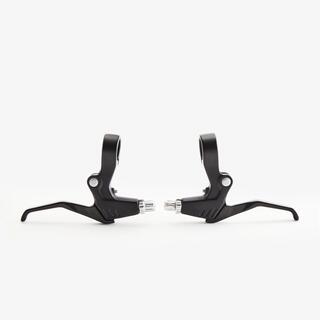


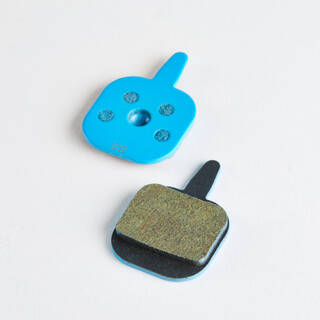


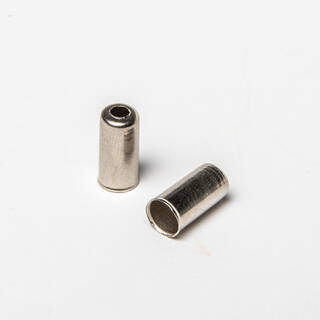


Brakes and Brake Pads: Essentials for Safe Riding
Whether you're an avid cyclist, a mountain biker, or simply enjoy leisurely rides around the neighborhood, having reliable brakes and brake pads is crucial for your safety and control on the road or trail. At Decathlon, we understand the importance of these components, which is why we offer a wide range of high-quality brakes and brake pads designed to meet the diverse needs of riders.
Our selection includes options for various cycling disciplines, from road bikes to mountain bikes, hybrids, and everything in between. We work closely with leading manufacturers to bring you products that combine superior performance, durability, and affordability, ensuring you get the best value for your money.
Types of Brakes and Brake Pads
Brakes and brake pads come in different types, each designed to cater to specific riding styles and conditions. At Decathlon, you'll find a comprehensive range, including:
- Rim Brakes: These traditional brakes use rubber pads that clamp onto the wheel's rim to slow down or stop the bike. They are reliable, easy to maintain, and suitable for various cycling disciplines.
- Disc Brakes: Offering superior stopping power, disc brakes use calipers and pads that grip a rotor attached to the wheel hub. They are particularly beneficial for mountain biking, cyclocross, and riding in wet or muddy conditions.
- Hydraulic Disc Brakes: These brakes use hydraulic fluid to transfer braking force from the lever to the caliper, providing consistent and powerful braking performance with minimal effort.
- Mechanical Disc Brakes: As an alternative to hydraulic systems, mechanical disc brakes use cables to actuate the calipers, offering a more affordable option while still delivering reliable braking power.
Choosing the Right Brakes and Brake Pads
With so many options available, selecting the right brakes and brake pads can be a daunting task. Here are some factors to consider:
- Riding Style: Are you primarily a road cyclist, mountain biker, or commuter? Different disciplines require different braking systems to match the terrain and conditions you'll encounter.
- Bike Type: Make sure the brakes and pads you choose are compatible with your bike's frame, fork, and wheel specifications.
- Weather Conditions: If you frequently ride in wet or muddy conditions, disc brakes may be a better choice as they offer superior performance in these environments.
- Weight and Power: Heavier riders or those who ride at higher speeds may benefit from more powerful braking systems, such as hydraulic disc brakes.
Expert Tips: Brake and Pad Maintenance
Proper maintenance is key to ensuring your brakes and brake pads perform optimally and last longer. Here are some expert tips:
- Inspect your brakes and pads regularly for wear and tear. Replace pads when they reach the minimum recommended thickness.
- Keep your brakes and pads clean by removing dirt, mud, or debris that can cause premature wear or reduce braking performance.
- Lubricate pivot points and cables (for mechanical systems) according to the manufacturer's recommendations to ensure smooth operation.
- Adjust your brakes periodically to compensate for pad wear and maintain optimal braking performance.
- Consider replacing brake cables and housing periodically, as they can become frayed or sticky over time, affecting braking performance.
Decathlon: Your Trusted Partner for Brakes and Brake Pads
At Decathlon, we pride ourselves on offering a wide selection of high-quality brakes and brake pads from trusted brands, all at affordable prices. Our knowledgeable staff can guide you through the various options and help you choose the perfect brakes and pads for your riding needs and budget.
We understand that safety is paramount when it comes to cycling, which is why we rigorously test and evaluate the products we carry to ensure they meet our stringent quality standards. Whether you're a seasoned cyclist or just starting out, you can shop with confidence knowing that our brakes and brake pads are designed to provide reliable stopping power and peace of mind on every ride.
Explore Our Collection and Shop with Confidence
With our extensive range of brakes and brake pads, you're sure to find the perfect fit for your bike and riding style. Browse our collection today and experience the Decathlon difference – a commitment to quality, affordability, and exceptional customer service.
Don't hesitate to reach out to our knowledgeable staff if you have any questions or need assistance in selecting the right brakes and pads for your needs. We're here to help you make an informed decision and ensure you have a safe and enjoyable riding experience.
FAQ (Frequently Asked Questions)
Q1. How often should I replace my brake pads?
The lifespan of brake pads can vary depending on factors such as riding conditions, braking habits, and the type of pads. As a general guideline, it's recommended to replace brake pads when they reach the minimum thickness specified by the manufacturer or when you notice a significant decrease in braking performance.
Q2. Can I use disc brakes on my road bike?
Yes, many modern road bikes are designed to accommodate disc brakes. However, you'll need to ensure that your bike's frame, fork, and wheels are compatible with disc brake systems. If your current road bike doesn't support disc brakes, you may need to upgrade to a newer model or consider alternative braking options.
Q3. What's the difference between hydraulic and mechanical disc brakes?
Hydraulic disc brakes use hydraulic fluid to transfer braking force from the lever to the caliper, providing consistent and powerful braking performance with minimal effort. Mechanical disc brakes, on the other hand, use cables to actuate the calipers, offering a more affordable option while still delivering reliable braking power.
Q4. Can I mix and match brake pads from different brands?
While it's generally recommended to use brake pads from the same manufacturer as your brakes for optimal performance and compatibility, some brands may offer compatible aftermarket pads. However, it's essential to ensure that the replacement pads are designed specifically for your brake system to avoid any compatibility issues or safety concerns.
Q5. How do I know if my brakes need adjustment?
Signs that your brakes may need adjustment include a spongy or inconsistent braking feel, excessive lever travel before braking engagement, or rubbing noises when the brakes are not engaged. It's a good practice to have your brakes inspected and adjusted periodically by a professional mechanic or follow the manufacturer's guidelines for proper adjustment.
Q6. Can I use the same brake pads for road and mountain biking?
While some brake pads may be compatible with both road and mountain bikes, it's generally recommended to use pads specifically designed for the intended riding discipline. Mountain bike pads are often more durable and better suited for off-road conditions, while road bike pads may prioritize low noise and optimal performance on paved surfaces.
Q7. How do I properly bed in new brake pads?
Bedding in new brake pads is a process that helps create an optimal transfer layer between the pad and rotor or rim surface. This typically involves performing a series of controlled braking maneuvers to gradually build up the transfer layer and ensure optimal braking performance. Refer to the manufacturer's instructions for the recommended bedding-in procedure for your specific brakes and pads.
Q8. Can I use rim brakes on a disc brake-equipped bike?
No, rim brakes and disc brakes are not interchangeable. Disc brake-equipped bikes are designed specifically for disc brake systems and do not have the necessary mounting points or clearance for rim brakes. Attempting to install rim brakes on a disc brake-equipped bike could compromise safety and performance.
Q9. How do I know if my brake rotors need replacement?
Brake rotors can wear down over time, especially if they become heavily scored or develop grooves. Check the rotor thickness against the manufacturer's minimum thickness specification, and inspect for any cracks or excessive wear. If the rotors are below the minimum thickness or show significant damage, it's recommended to replace them for optimal braking performance and safety.