Caps, Cold Wear & Storage



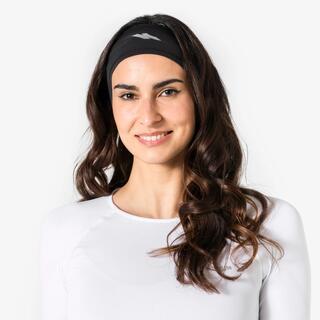
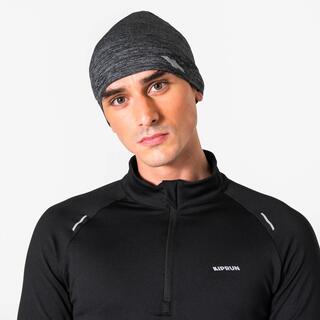


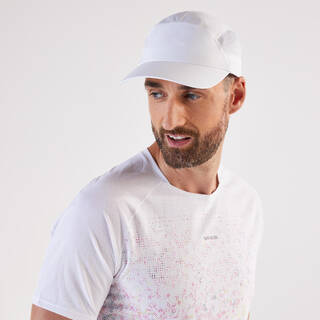


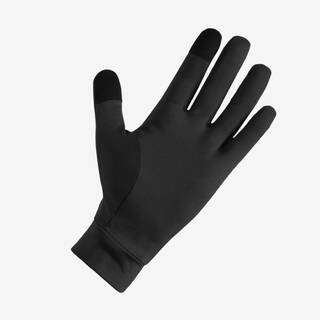


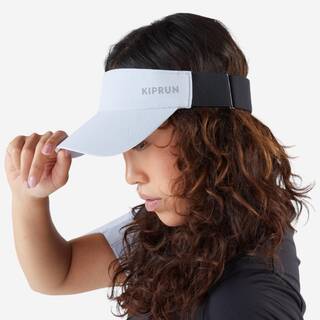


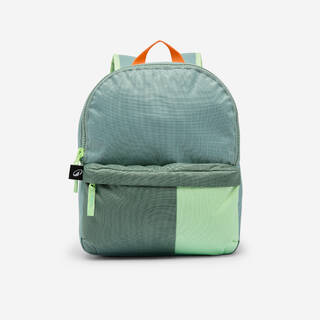
Technical Cold Weather Headwear: Thermal Insulation, Moisture Management, and Wind Resistance Engineering
Cold weather caps for Indian high-altitude trekking, winter cycling, and Himalayan expeditions demand precise thermal engineering. Decathlon's Quechua and Forclaz ranges deploy multi-layer construction: an outer windproof polyester shell rated for 30+ km/h wind tunnel stability, a mid-layer fleece lining with 200-300 GSM thermal retention, and an inner moisture-wicking polyester blend that evacuates perspiration during high-output ascents. Caps designed for sub-zero conditions integrate ear flaps with adjustable chin straps, preventing heat loss through the temporal and auricular regions where blood vessels sit close to the skin surface.
Material selection focuses on synthetic insulation rather than cotton, which loses thermal efficiency when saturated. Microfleece linings with brushed inner surfaces trap air pockets, creating a barrier against conductive heat loss. For high-altitude use above 3,500 meters (Ladakh, Spiti Valley, Rohtang Pass), caps incorporate extended neck gaiters and reflective trims for low-visibility conditions. Windproof membranes block convective cooling while maintaining breathability through strategically placed mesh panels at the crown, preventing sweat accumulation during steep climbs or winter trail running.
Storage Solutions for Technical Apparel: Compression-Resistant Materials and Moisture-Control Systems
Proper storage of cold weather gear extends functional lifespan and preserves insulation integrity. Decathlon's storage bags utilize ripstop polyester with 210D to 420D denier ratings, resisting punctures from zippers, buckles, and sharp outdoor equipment. Compression-resistant construction prevents permanent flattening of fleece pile heights and synthetic insulation lofts. Bags feature dual-zipper systems with storm flaps, sealing out monsoon humidity that degrades thermal fabrics and promotes mildew growth in Indian coastal and high-rainfall regions.
Ventilated mesh panels integrated into storage compartments allow residual moisture to evaporate after treks through snow, sleet, or high-humidity mountain fog. This prevents bacterial colonization and odor retention in technical fabrics. Internal organization pockets separate clean gear from used items, while reinforced grab handles withstand repeated loading into vehicle trunks or overhead compartments during multi-day expeditions. For apartment storage in urban India, compact folding designs reduce footprint while maintaining structural rigidity that prevents crushing of expensive insulated caps and beanies.
Quechua Mountain Caps: Altitude-Specific Design for Himalayan Trekking and Winter Expeditions
Quechua caps address the specific demands of Indian Himalayan routes: Markha Valley, Kedarkantha, Hampta Pass, and Chadar Trek. These environments present rapid temperature fluctuations (from 15°C midday sun exposure to minus 10°C nocturnal lows), intense UV radiation at altitude (30-50% higher than sea level), and unpredictable wind gusts exceeding 40 km/h. Quechua deploys stretch-knit polyester blends with 10-15% elastane for secure fit retention during scrambling and ridge traverses, eliminating the need for constant readjustment.
Balaclava-style caps extend coverage to the neck and lower face, protecting against frostbite on exposed skin during early morning starts or summit pushes. Flat-seam construction eliminates pressure points under helmet straps or backpack shoulder harnesses. Reflective logos and trim strips enhance visibility during whiteout conditions or when crossing glacial moraines in low light. For technical mountaineering above 5,000 meters, insulated caps integrate with helmet liners, providing continuous thermal protection without compromising safety equipment fit.
Urban Winter Cycling and Commuter Caps: Aerodynamic Fit and High-Visibility Safety Features
Winter cycling in North Indian cities (Delhi, Chandigarh, Jaipur) during December through February requires caps that fit under helmets while blocking cold morning winds. Decathlon's Btwin and Van Rysel cycling caps use aerodynamic profiles with minimal bulk: single-layer windproof polyester at the front panel (blocking 25+ km/h headwinds), breathable mesh at the rear crown (evacuating heat buildup during sustained efforts), and short visors that prevent rain drip into eyes without obstructing helmet retention systems.
High-visibility colorways (fluorescent yellow, orange, reflective silver) address India's low-light commuting conditions and mixed traffic environments. Caps deploy 360-degree reflective piping that catches vehicle headlights from all angles, critical for pre-dawn training rides or evening commutes. Under-helmet fit profiles maintain low aerodynamic drag while providing thermal protection during 15-25 km/h average speeds. Moisture-wicking inner bands prevent sweat migration into eyes during climbs or interval training, maintaining clear vision without requiring mid-ride adjustments.
Maintenance Protocols for Technical Cold Weather Caps: Washing, Drying, and Long-Term Storage Best Practices
Technical caps require specific care to maintain thermal efficiency and fabric integrity. Machine washing at 30°C with mild detergent preserves elastane stretch and prevents fleece pilling. Avoid fabric softeners, which coat synthetic fibers and reduce moisture-wicking performance. Air drying flat (never wringing or tumble drying) prevents distortion of shaped panels and elastic bands. For caps with waterproof membranes, periodic reactivation of DWR (Durable Water Repellent) coatings through low-heat tumble drying (if manufacturer-approved) or spray-on treatments restores bead-up performance after 15-20 wash cycles.
Long-term storage between seasons demands clean, completely dry gear. Residual body oils and salts attract moisture and promote bacterial growth during monsoon months. Store caps in breathable cotton or mesh bags (never sealed plastic) in cool, dry locations away from direct sunlight, which degrades synthetic fibers and fades high-visibility colors. Inspect elastic bands and seams annually for wear, replacing gear when stretch retention drops below 80% or seam tape begins delaminating, as compromised fit leads to heat loss and reduced protection during critical mountain weather exposure.
Selecting Cold Weather Caps by Activity Intensity: Matching Insulation Levels to Metabolic Heat Output
Activity intensity dictates insulation requirements. High-output activities (trail running, ski touring, winter cycling at racing pace) generate significant metabolic heat, requiring lightweight caps with maximum breathability: single-layer stretch fleece (100-150 GSM) or windproof softshell with ventilation zones. These prevent overheating and sweat saturation that leads to rapid cooling during rest stops. Moderate-intensity activities (trekking, snowshoeing, casual winter hiking) suit mid-weight insulated caps (200-250 GSM fleece) with ear coverage and adjustable fit systems.
Low-intensity or static activities (belaying, winter camping, photography stops, summit waits) demand maximum insulation: double-layer balaclava designs with 300+ GSM fleece or synthetic fill, extended neck gaiters, and windproof outer shells. For mixed-intensity days (approach hikes followed by technical climbing), layering systems work best: a lightweight base cap under a packable insulated beanie, allowing quick thermal adjustment without carrying excessive gear. Understanding your sweat rate and cold tolerance (which varies significantly between individuals) guides optimal cap selection for Indian winter conditions ranging from 5°C coastal mornings to minus 15°C high-altitude nights.
FAQ (Frequently Asked Questions)
Q1. What materials are Decathlon's caps made from?
Our caps are made from a variety of high-quality materials, including wool, acrylic, and fleece, depending on the style and intended use. We carefully select materials that are warm, breathable, and durable to ensure your comfort and satisfaction.
Q2. Can I machine wash my cap?
Many of our caps are machine washable, but it's important to follow the care instructions on the label. Some caps may require hand washing or spot cleaning to maintain their shape and quality.
Q3. How do I choose the right size cap?
To choose the right size cap, measure the circumference of your head just above your eyebrows and refer to our size chart. Many of our caps are adjustable, allowing for a customized fit.
Q4. What are Decathlon's cold weather storage solutions made of?
Our cold weather storage solutions are made from a variety of materials, including insulated fabrics, waterproof materials, and durable plastics. The specific materials used will depend on the product and its intended use.
Q5. Can I store my skis or snowboard in Decathlon's cold weather storage solutions?
Yes, many of our cold weather storage solutions are designed to accommodate skis, snowboards, and other winter sports equipment. Look for products specifically designed for this purpose to ensure proper protection and organization.
Q6. How do I clean my cold weather storage solutions?
The cleaning instructions will vary depending on the material and product. Some solutions may be machine washable, while others may require spot cleaning or wiping down with a damp cloth. Always refer to the care instructions for specific guidance.
Q7. Do Decathlon's caps and cold weather storage solutions come with a warranty?
Yes, many of our products come with a warranty against manufacturing defects. The length and terms of the warranty may vary by product, so be sure to check the details when making your purchase.
Q8. Can I return or exchange my Decathlon cap or cold weather storage solution if it doesn't fit or meet my needs?
Absolutely! At Decathlon, we stand behind the quality of our products and want you to be completely satisfied with your purchase. If you need to return or exchange an item, simply follow our easy return process.
Q9. Does Decathlon offer any discounts or promotions on caps and cold weather storage solutions?
Yes, we frequently offer discounts and promotions on our products, including caps and cold weather storage solutions. Be sure to check our website or sign up for our newsletter to stay informed about the latest deals and special offers.
Q10. Can I purchase Decathlon's caps and cold weather storage solutions online?
Yes, our entire collection of caps and cold weather storage solutions is available for purchase online at decathlon.in. Shopping online is convenient and allows you to browse our full range of products from the comfort of your home.
Q11. Which Decathlon cap works best for Himalayan treks in January and February when temperatures drop below freezing?
Select Quechua insulated balaclava-style caps with 250-300 GSM fleece lining and windproof outer shells. These provide full ear and neck coverage essential for sub-zero conditions at altitudes above 3,500 meters. Look for models with adjustable chin straps and flat-seam construction that fits comfortably under trekking helmets during technical sections.
Q12. How do I choose between a beanie and a cap with a visor for winter cycling in North India?
Visored caps (Btwin, Van Rysel) work better for cycling as they block low-angle winter sun and light rain while fitting under helmets without adding bulk. Beanies suit casual rides but can bunch up under helmet retention systems. Choose caps with windproof front panels and breathable rear mesh to balance thermal protection with sweat evacuation during sustained efforts.
Q13. Can I machine wash technical cold weather caps without damaging the insulation or waterproof coatings?
Yes, machine wash at 30°C using mild detergent and avoid fabric softeners that reduce moisture-wicking performance. Air dry flat to prevent distortion of shaped panels. For caps with DWR coatings, reactivate water repellency after 15-20 washes through low-heat tumble drying (if manufacturer-approved) or apply spray-on treatments to restore bead-up performance.
Q14. What GSM weight should I look for in a cap for early morning winter runs in Delhi when temperatures are around 8-12°C?
Choose lightweight caps with 100-150 GSM fleece or single-layer windproof polyester. This weight blocks cold morning winds without causing overheating as your metabolic rate increases during running. Look for models with rear ventilation zones or breathable mesh panels that evacuate heat buildup while protecting ears and forehead from wind chill.
Q15. How should I store multiple winter caps and cold weather gear during the off-season to prevent damage from monsoon humidity?
Use breathable storage bags (ripstop polyester with mesh ventilation panels) rather than sealed plastic containers. Ensure all gear is completely clean and dry before storage, as residual sweat and body oils attract moisture. Store in cool, dry locations away from direct sunlight, and inspect elastic bands and seams before the next season for any degradation that compromises fit or thermal protection.
Q16. Do Quechua caps provide enough UV protection for high-altitude treks where sun exposure is more intense?
Quechua caps with extended visors and tightly woven polyester fabrics (210D or higher) provide good UV blocking for the face and ears. However, at altitudes above 4,000 meters where UV radiation increases by 30-50%, pair caps with broad-spectrum sunscreen on exposed skin and consider models with integrated neck gaiters for comprehensive protection during long summit days.
Q17. What's the difference between Forclaz and Quechua caps for mountain trekking in Indian conditions?
Forclaz targets multi-day technical trekking with advanced features like helmet-compatible designs, extended neck coverage, and higher denier ripstop fabrics (420D) for durability during scrambling. Quechua serves broader mountain hiking with versatile insulation levels and more accessible designs. Both handle Indian Himalayan conditions well, but Forclaz suits technical routes (Stok Kangri, Pin Parvati) while Quechua excels on standard trekking circuits (Valley of Flowers, Roopkund).
Q18. Will a winter cycling cap fit properly under my helmet without causing pressure points or compromising safety?
Decathlon cycling caps (Btwin, Van Rysel) use low-profile aerodynamic designs specifically engineered for under-helmet wear. Single-layer construction and flat-seam stitching prevent pressure points, while stretch-knit fabrics conform to head shape without adding bulk. Always recheck helmet fit after adding a cap, ensuring retention systems still secure properly and the helmet sits level, not tilted back.
Q19. How do I know when my cold weather cap needs replacement based on wear and performance degradation?
Replace caps when elastic bands lose 20% or more of their stretch retention (cap slides during activity), seams show visible separation or thread wear, fleece lining becomes matted and loses loft, or waterproof membranes delaminate. Faded high-visibility colors on cycling caps also indicate UV degradation that compromises fabric strength. Typical lifespan ranges from 80-120 wear days depending on activity intensity and care practices.
Q20. Are there specific cap designs for people who wear glasses during winter trekking or cycling?
Look for caps with shorter visors or adjustable brims that don't interfere with glasses frames. Models with moisture-wicking headbands prevent sweat drip that fogs lenses during climbs. For cycling, caps with rear ventilation reduce heat buildup that causes fogging. Some Quechua balaclavas feature nose wire adjustments that create a better seal, directing exhaled breath away from glasses during cold weather exertion.