Running Accessories












Running Accessories Engineered for Indian Road Surfaces and Monsoon Conditions
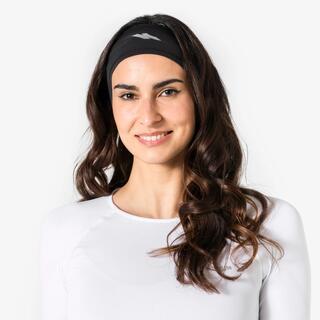
Running accessories form the critical support infrastructure that determines whether your training remains consistent across India's diverse climatic zones. Concrete pavements in Mumbai absorb and radiate heat differently than the red laterite trails in Bangalore or the high-altitude gravel paths in Shimla. Accessories like hydration belts, reflective armbands, and anti-chafe gels address the specific biomechanical stressors and environmental challenges that Indian runners face daily. A hydration vest with silicone tube insulation prevents water from heating beyond 28 degrees Celsius during afternoon runs, while moisture-wicking headbands with terry cloth inner linings manage the 80 to 90 percent humidity levels common during June through September monsoons.
Kalenji and Kiprun accessories integrate material science with practical field testing across Indian terrain. Running belts use ripstop nylon with 210 denier thread counts to resist abrasion from repeated hip flexion cycles. Reflective vests incorporate 3M Scotchlite retroreflective strips with luminance values exceeding 500 candelas per lux per square meter, ensuring visibility under low-lumen street lighting conditions. Compression sleeves employ graduated pressure profiles ranging from 20 to 30 mmHg at the ankle, tapering to 15 mmHg at the calf, supporting venous return during long-distance efforts. These accessories are not afterthoughts but engineered components that address sweat salt crystallization, UV exposure above 10 on the index, and the repetitive impact loading that generates ground reaction forces up to 2.5 times body weight on hard tar roads.
Hydration Systems and Fluid Delivery for Extended Training Blocks
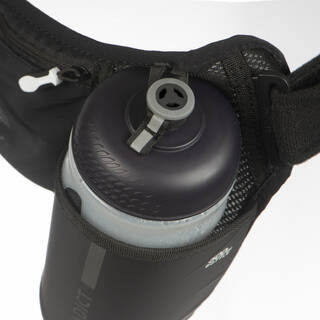
Hydration belts and vests solve the thermal regulation challenge during runs exceeding 60 minutes in ambient temperatures above 32 degrees Celsius. Soft flask systems with 500 ml capacity use BPA-free thermoplastic polyurethane that remains pliable even when compressed to 30 percent of original volume. Bite valve mechanisms incorporate silicone membranes with shore hardness ratings between 40A and 50A, providing leak-proof seals while requiring minimal bite force to activate fluid flow. Vest-mounted reservoirs distribute weight across the torso, maintaining a center of gravity close to the body's natural balance point and reducing parasitic vertical oscillation during stride cycles.
Waist-mounted belt systems position flasks at hip level, allowing arm swing mechanics to remain unobstructed. Elastic webbing with 40 percent spandex content stretches to accommodate breathing expansion during aerobic exertion while maintaining a snug fit that prevents bounce frequencies above 2 Hz. Reflective piping along seams uses high-visibility neon polyester threads that remain visible under vehicle headlamps at distances exceeding 150 meters. Zippered pockets with water-resistant YKK Aquaguard closures protect smartphones and energy gels from monsoon spray and perspiration ingress, maintaining electronics functionality even during sustained downpours delivering 50 mm of rainfall per hour.
Visibility Gear and Reflective Technology for Low-Light Urban Running
Early morning and evening training sessions in Indian cities require visibility solutions that address the specific lighting infrastructure and traffic density patterns. LED armbands with lithium coin cell batteries provide 360-degree illumination with luminous intensity ratings between 15 and 25 lumens, visible from 500 meters in clear atmospheric conditions. Reflective vests use microprismatic retroreflective sheeting that returns light directly to its source, creating a bright silhouette effect when illuminated by vehicle headlights operating on low beam settings. Clip-on LED lights with steady, slow-flash, and rapid-flash modes allow runners to adjust visibility profiles based on ambient light pollution levels in different neighborhoods.
Ankle bands and wrist straps incorporate laser-etched reflective logos that maintain retroreflectivity even after 50 wash cycles in hard water conditions common across North Indian cities. Reflective strips on hydration vests and running belts use glass bead technology with refractive indices between 1.9 and 2.2, maximizing light return efficiency. High-visibility neon yellow and safety orange colorways provide daytime conspicuity under the full solar spectrum, while maintaining color fastness ratings of 4 to 5 on the ISO 105 scale even under prolonged UV exposure at altitudes above 2000 meters where ultraviolet radiation intensity increases by 10 to 12 percent per kilometer of elevation gain.
Anti-Chafe Protection and Skin Barrier Solutions for High-Humidity Training
Friction management becomes critical during monsoon season training when sustained humidity levels above 85 percent prevent evaporative cooling and increase skin-on-fabric shear forces. Anti-chafe balms use petrolatum and dimethicone bases that create hydrophobic barrier films, reducing coefficient of friction values from 0.4 (unprotected skin) to below 0.15 on treated surfaces. Nipple guards employ medical-grade silicone adhesives with tack strength sufficient to maintain adhesion through 90 minutes of continuous perspiration while remaining hypoallergenic for sensitive skin types. Thigh bands use soft-edge silicone gripper strips with 15 mm contact widths that prevent migration without creating pressure points or restricting femoral blood flow.
Blister prevention tape incorporates zinc oxide adhesive layers over breathable rayon backings, conforming to high-friction zones like heel counters and forefoot flex points. The tape's tensile strength exceeds 20 Newtons per centimeter width, providing structural support that reduces shear displacement during the 180 to 200 foot strikes per minute typical of recreational running cadences. Toe socks with individual digit compartments eliminate inter-toe friction entirely, using moisture-wicking polyester blends with 15 to 20 percent elastane content for anatomical fit. Seamless construction employs circular knitting techniques that eliminate raised seam lines, reducing hotspot formation during ultra-distance efforts exceeding 21 kilometers on consecutive training days.
Performance Monitoring and Data Capture Accessories
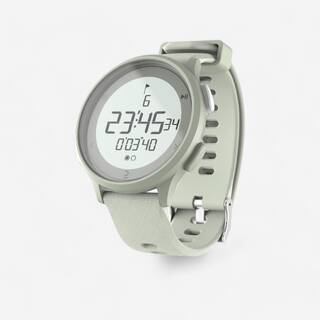
Armband phone holders and running watch straps enable continuous biometric monitoring without compromising natural arm swing mechanics. Neoprene armbands with 3 mm thickness provide shock absorption that protects smartphones from the repetitive impact vibrations transmitted through arm tissues during ground contact phases. Touch-sensitive transparent TPU windows maintain full capacitive touchscreen functionality while providing IPX4 water resistance against sweat ingress and light rain exposure. Adjustable velcro straps with 50 mm overlap zones accommodate arm circumferences from 24 to 38 centimeters, maintaining secure positioning on both bicep and forearm mounting locations.
Heart rate monitor chest straps use conductive elastomer sensor pads that maintain electrical contact even when skin surface moisture creates an insulating salt layer. Transmission protocols operating at 5.3 kHz frequency bands provide interference-free connectivity to GPS watches and smartphone applications within 3-meter range limits. Adjustable elastic bands with silicone gripper dots prevent strap migration during thoracic expansion, maintaining sensor alignment over the heart's electrical axis. Replaceable CR2032 batteries provide 12 to 18 months of continuous operation based on average training volumes of 40 to 50 kilometers per week, with low-battery indicators alerting users 2 weeks before power depletion affects signal quality.
Storage Solutions and Nutrition Carry Systems for Training Runs
Running belts and flip belts provide secure storage for keys, energy gels, and identification documents without creating pressure points or restricting breathing mechanics. Tubular belt designs use four-way stretch Lycra blends that expand to accommodate smartphones up to 6.5 inches in diagonal screen measurement while compressing to a 2 cm profile when empty. Internal zippered pockets with reversed zipper orientation prevent accidental opening during hip flexion cycles, while external loops allow gel flask attachment using carabiner clips rated for 5 kg static loads. Waist positioning below the iliac crest avoids interference with diaphragmatic breathing patterns during threshold pace efforts.
Vest-style storage systems distribute load across shoulder and back panels, suitable for trail runs requiring 1.5 to 2 liters of fluid capacity plus mandatory safety equipment. Mesh back panels with 3D spacer fabric construction create 5 to 8 mm air gaps that facilitate convective cooling and reduce back surface temperatures by 3 to 5 degrees Celsius compared to solid fabric contact. Elastic chest straps with side-pull adjustment buckles allow on-the-move tightening without breaking stride rhythm. Front-mounted pockets position energy gels and electrolyte tablets within easy reach, eliminating the need to break arm swing cadence or reduce pace during nutrition intake windows occurring every 30 to 45 minutes during endurance efforts exceeding 90 minutes duration.
FAQ (Frequently Asked Questions)
Q1. How often should I replace my running shoes?
It's generally recommended to replace your running shoes every 300-500 miles, or sooner if you notice signs of excessive wear or discomfort. Regularly replacing your shoes can help prevent injuries and ensure optimal performance.
Q2. What is the difference between road running shoes and trail running shoes?
Road running shoes are designed for running on paved surfaces like roads, sidewalks, and tracks. They typically have a lighter weight and a more flexible sole. Trail running shoes, on the other hand, are designed for running on unpaved surfaces like trails, with more aggressive tread patterns for better traction and added protection for your feet.
Q3. How do I choose the right running apparel?
When choosing running apparel, look for breathable and moisture-wicking fabrics that will keep you cool and dry during your runs. Consider the weather conditions and choose apparel that provides the appropriate level of insulation or ventilation. Additionally, opt for reflective or high-visibility apparel for enhanced safety during low-light conditions.
Q4. Do I need a hydration pack or handheld bottle for my runs?
The need for hydration depends on the duration and intensity of your runs, as well as the weather conditions. For runs lasting longer than an hour or in hot and humid conditions, it's recommended to carry a hydration pack or handheld bottle to stay properly hydrated. Shorter runs may not require additional hydration.
Q5. What are the benefits of compression socks or sleeves?
Compression socks or sleeves can provide several benefits for runners. They help improve blood circulation, reduce muscle fatigue, and aid in recovery by minimizing swelling and inflammation. Many runners also find that compression gear helps improve their overall performance and endurance.
Q6. How do I choose the right running watch or fitness tracker?
When selecting a running watch or fitness tracker, consider the features that are most important to you, such as GPS tracking, heart rate monitoring, pace and distance tracking, and compatibility with running apps or platforms. Additionally, look for a device with a long battery life and a user-friendly interface.
Q7. Can I use regular headphones or earbuds while running?
While regular headphones or earbuds can be used while running, they may not provide a secure and comfortable fit, especially during high-impact activities. It's recommended to invest in specialized sports headphones or earbuds designed for running, which are sweat-resistant, secure, and offer a comfortable fit.
Q8. How do I properly maintain and care for my running accessories?
Proper maintenance and care can extend the lifespan of your running accessories. Always follow the manufacturer's instructions for cleaning and storing your gear. For running shoes, avoid exposing them to excessive heat or moisture, and replace them when they show signs of wear. For apparel, wash them according to the care instructions and avoid using fabric softeners or bleach.
Q9. Can I return or exchange running accessories at Decathlon if they don't fit or meet my needs?
Yes, at Decathlon, we have a customer-friendly return and exchange policy. If the running accessories you purchased do not meet your needs or do not fit properly, you can return or exchange them within a specified time frame, subject to our policy terms and conditions.
Q10. Do you offer any discounts or loyalty programs for frequent runners?
At Decathlon, we value our loyal customers and offer various discounts and loyalty programs. Be sure to inquire about any current promotions or sign up for our loyalty program to enjoy exclusive benefits and rewards for your purchases.
Q11. Which running accessories are essential for beginners starting their training in Indian cities?
Start with a basic hydration solution (handheld flask or minimal belt for runs over 45 minutes), reflective gear for visibility during early morning or evening sessions, and anti-chafe balm for high-friction zones. These three categories address the immediate challenges of thermal regulation, traffic safety, and skin protection that new runners encounter on concrete roads and humid conditions. Add a smartphone armband if you track runs digitally, ensuring it provides sweat resistance and secure fit during arm swing motion.
Q12. How do I choose between a hydration belt and a hydration vest for long runs?
Hydration belts work best for road runs under 15 kilometers where you need 500 ml capacity and prefer minimal upper body contact, positioning weight at hip level without affecting shoulder mobility. Hydration vests suit trail runs or distances exceeding 18 kilometers where you require 1.5 to 2 liters of fluid plus storage for nutrition, jackets, or mandatory safety gear. Vests distribute weight across torso and shoulders, reducing lower back strain but adding upper body contact surface area that increases heat retention in temperatures above 28 degrees Celsius.
Q13. What reflective gear specifications ensure visibility during early morning runs on poorly lit roads?
Look for retroreflective materials using 3M Scotchlite or equivalent microprismatic technology with luminance values exceeding 500 candelas per lux per square meter, ensuring visibility from 150 meters under vehicle low-beam headlights. Combine passive reflective vests or armbands with active LED lights providing 15 to 25 lumens output for 360-degree conspicuity. Position reflective elements on moving body parts (ankles, wrists) to create motion contrast that catches driver attention more effectively than static torso placement alone.
Q14. How do anti-chafe products work in high-humidity monsoon conditions when sweat does not evaporate?
Anti-chafe balms create hydrophobic barrier films using petrolatum or dimethicone bases that reduce skin-on-fabric friction coefficients from 0.4 to below 0.15, remaining effective even when skin surface is saturated with moisture. Apply generously to high-friction zones (inner thighs, underarms, nipples) 10 to 15 minutes before running to allow the product to bond with skin oils. Reapply every 90 minutes during ultra-distance efforts, as sustained perspiration and fabric abrasion gradually degrade the protective layer despite the product's water-resistant formulation.
Q15. Can I use a regular waist pouch instead of a running-specific belt for carrying my phone and keys?
Regular pouches lack the bounce-control engineering and body-contour fit that running belts provide through elastic materials with 40 percent spandex content and ergonomic shaping. During running, vertical oscillation creates bounce frequencies around 2 Hz that cause unsecured pouches to shift and chafe, while running belts maintain stable positioning through graduated compression and silicone gripper strips. Running belts also use moisture-wicking fabrics and water-resistant zippers that protect contents from sweat saturation, features absent in casual waist pouches designed for walking or stationary use.
Q16. What capacity hydration system do I need for half marathon training runs in hot weather?
For half marathon training distances (18 to 21 kilometers) in temperatures above 30 degrees Celsius, plan for 600 to 800 ml fluid intake based on sweat rates of 800 to 1200 ml per hour during moderate-intensity running. A 500 ml handheld flask requires one mid-run refill at public taps or carry two flasks in a dual-bottle belt system. Alternatively, use a vest with 1.5 liter reservoir capacity that eliminates refill logistics and allows sipping every 15 minutes to match fluid loss rates, particularly important during April through June when ambient temperatures peak and humidity compounds thermal stress.
Q17. How do I prevent my smartphone armband from sliding down during runs?
Position the armband on the upper bicep (not forearm) where muscle circumference remains relatively constant during arm swing, and tighten the velcro strap until you achieve firm contact without restricting blood flow or causing numbness. Choose armbands with silicone gripper strips on the inner surface that increase friction against skin, and ensure the strap width is at least 40 mm to distribute pressure and prevent rolling. Clean the armband's inner surface weekly to remove salt and oil buildup that reduces gripper effectiveness, and replace units when elastic loses 20 percent of original tension after 12 to 18 months of regular use.
Q18. What is the difference between Kalenji and Kiprun running accessories?
Kalenji accessories target recreational runners and beginners with durable, value-focused designs suitable for fitness jogging and casual training up to 10K distances, using proven materials like 210 denier ripstop nylon and basic reflective trims. Kiprun accessories serve competitive and advanced runners requiring performance-optimized features like race-weight construction (20 to 30 percent lighter materials), enhanced reflectivity using microprismatic technology, and ergonomic designs tested at marathon and ultra-distance intensities. Both lines address Indian climate challenges, but Kiprun specifications prioritize weight savings and aerodynamic profiling for athletes targeting specific race times or podium placements.
Q19. Do I need compression sleeves for regular training runs or only for recovery?
Compression sleeves serve dual purposes depending on timing and pressure profiles. Calf sleeves with 20 to 30 mmHg graduated compression worn during runs may help support venous return and reduce muscle oscillation vibrations, though benefits vary individually and are most noticeable during runs exceeding 15 kilometers. Post-run recovery compression at 15 to 20 mmHg aids waste product clearance and reduces delayed-onset muscle soreness when worn for 2 to 4 hours after hard efforts. Indian runners training on concrete roads may find compression helpful for managing the cumulative impact loading from surfaces that return 80 to 90 percent of ground reaction forces compared to softer trail substrates.
Q20. How often should I replace running accessories like belts, armbands, and hydration flasks?
Replace elastic-based accessories (belts, armbands, chest straps) when stretch retention drops below 80 percent of original tension, typically after 18 to 24 months of regular use or 300 to 400 wear cycles, whichever comes first. Hydration flasks and reservoirs require replacement when silicone bite valves harden or crack (12 to 18 months), plastic develops cloudiness indicating material degradation, or you detect persistent odors despite thorough cleaning. Reflective vests and bands maintain effectiveness for 3 to 5 years if retroreflective materials pass the 150-meter visibility test under headlamp illumination, though fabric wear and seam separation may necessitate earlier replacement based on weekly training volume and wash frequency.