Cycle Lights


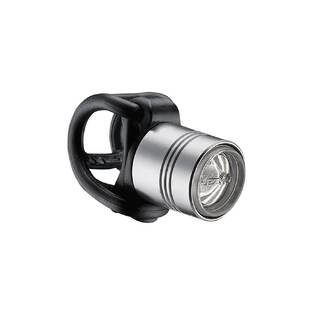
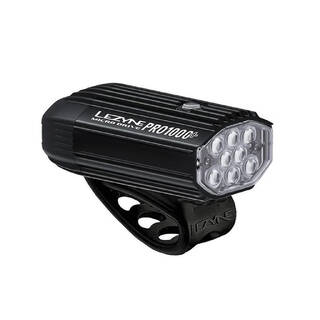
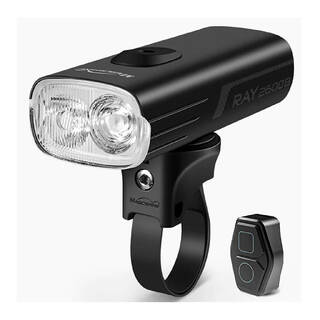
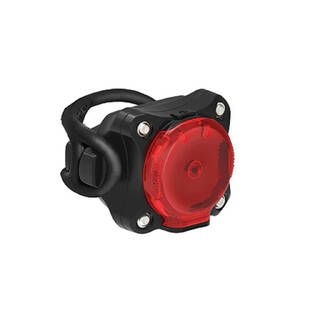
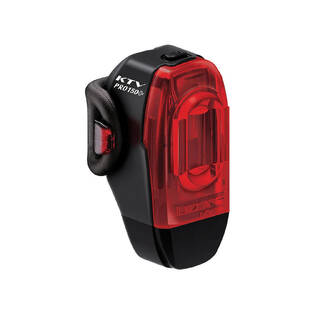
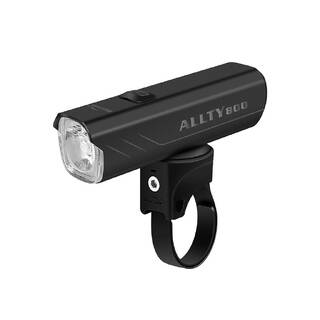
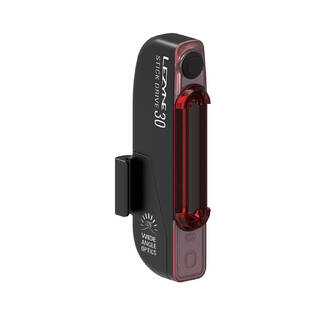
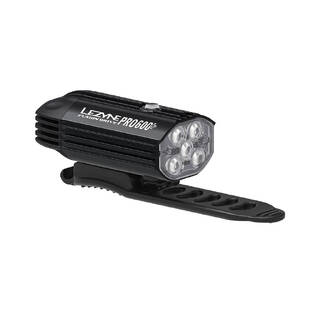
Lumen Output and Beam Patterns for Urban Commuting vs Rural Night Riding
Cycle lights are rated in lumens (lm), which measure total visible light emitted. Urban commuting on lit roads typically requires 100 to 300 lumens for visibility to motorists and pedestrians. Rural or unlit highway riding demands 500 to 1000+ lumens to illuminate potholes, stray animals, and unpaved sections. Beam pattern geometry matters equally. Flood beams spread light wide (120° to 150° horizontal dispersion) for peripheral awareness in dense traffic. Spot beams concentrate light into a narrow cone (30° to 60°) for long-range road scanning at speeds above 25 km/h. Dual-mode lights toggle between flood and spot, adapting to shifting terrain from Bangalore's Outer Ring Road to Goa's coastal highways.
Indian road conditions impose unique demands. Monsoon fog and dust haze scatter light, reducing effective beam distance by 30 to 40 percent compared to clear nights. High-CRI (Color Rendering Index) LEDs above 80 CRI render potholes and debris in truer contrast against wet asphalt. Decathlon's Btwin and Elops sub-brands engineer lights with IP54 to IPX6 ingress protection, sealing against 12.5 liters per minute spray from all angles. This guards circuitry during July to September downpours when visibility drops below 50 meters and reflective road markings fade under standing water.
Battery Chemistry and Runtime Calculations for Long-Distance Touring
Lithium-ion cells dominate modern cycle lights due to energy density (150 to 250 Wh/kg) and low self-discharge rates (2 to 3 percent per month). A 2600 mAh 18650 cell powering a 500-lumen front light delivers 2.5 to 3.5 hours on high mode, extending to 8 to 12 hours on eco mode (50 to 100 lumens). Touring cyclists covering 80 to 120 km daily between Leh and Manali or Pune to Goa require dual-battery systems or USB-C fast charging (1.5 to 2 hours to full capacity). Removable battery packs allow swapping mid-ride without dismounting, critical when temperatures drop below 5°C in Himalayan passes where lithium-ion efficiency decreases by 20 percent.
Battery management systems (BMS) prevent over-discharge below 2.5V per cell, which permanently damages capacity. Smart lights display real-time remaining runtime on OLED screens, calculating drain based on selected mode. Ambient light sensors auto-dim output during twilight, conserving charge for full darkness. Solar-charged power banks paired with lights extend autonomy on multi-week expeditions across Ladakh or Spiti Valley, where grid access vanishes for 200+ km stretches. Always carry backup AAA-powered tail lights as fail-safe redundancy when primary systems deplete unexpectedly.
Mounting Systems and Vibration Dampening for Rough Terrain Stability
Handlebar mounts must grip 22.2 mm, 25.4 mm, and 31.8 mm diameters without slippage during sustained vibration on broken concrete or gravel. Silicone O-ring mounts absorb high-frequency shocks from potholes and speed breakers, preventing beam jitter that disorients oncoming traffic. Tool-free quick-release clamps enable theft-deterrent removal during chai stops or temple visits in rural Tamil Nadu and Rajasthan. Helmet mounts position lights at eye level, directing beams exactly where the rider looks during technical singletrack descents or navigating unlit village roads after sunset.
Aero road bars and drop handlebars limit mounting real estate. Integrated stem mounts or fork crown bosses relocate lights below the handlebar centerline, clearing GPS computers and smartphone holders. For mountain biking on Western Ghats trails or Aravalli ridge lines, bar-end mounts angle lights outward, illuminating trail edges and root networks in peripheral vision. Seat post clamps for rear lights must cant upward 5 to 10 degrees to project red visibility cones toward drivers 100 meters behind, accounting for typical Indian sedan and truck hood heights of 1.2 to 1.8 meters.
Daytime Running Light Modes and Conspicuity Science for High-Traffic Routes
Daytime running lights (DRL) pulse at 40 to 80 flashes per minute, exploiting human peripheral motion detection thresholds. Studies show flashing lights increase driver reaction time by 1.2 to 1.8 seconds at 50 km/h approach speeds, translating to 17 to 25 meters additional stopping distance. This margin proves critical on National Highway 44 between Delhi and Chandigarh or Mumbai's Eastern Express Highway, where trucks and buses share lanes with cyclists. Amber side-marker LEDs add 180-degree lateral visibility, alerting overtaking vehicles during lane changes.
Lumen output for DRL must exceed 200 lumens front and 50 lumens rear to compete with midday sun glare (100,000+ lux). Focused optics concentrate light into narrow vertical slices (5° to 10° beam height), preventing diffusion into ambient brightness. Decathlon's Btwin Vioo series integrates photocells that auto-activate DRL when ambient light exceeds 10,000 lux, then switch to steady beam below 500 lux at dusk. This conserves battery during 6 AM to 7 PM rides while maintaining legal compliance in states mandating daytime visibility aids for two-wheelers on highways.
Regulatory Compliance and Reflector Standards for Indian Road Safety Norms
Indian Motor Vehicles Act mandates white front lights and red rear lights for bicycles operating on public roads after sunset. Front lights must emit between 150 to 300 lumens minimum, visible from 100 meters. Rear lights require 50 lumens minimum, visible from 150 meters. Reflectors are legally required: white front, red rear, and amber pedal reflectors meeting IS 14272 standards for retroreflective photometry. Non-compliance invites fines between 500 and 1000 rupees under amended traffic rules, enforced strictly in metro zones like Bangalore, Pune, and Chennai.
Integrated light and reflector combos satisfy dual requirements without cluttering frame real estate. Spoke-mounted reflectors create 360-degree radial visibility, critical when crossing unlit intersections in tier-2 cities where street lighting coverage drops below 40 percent. Ankle bands with retroreflective strips add biological motion cues, which drivers process 0.5 seconds faster than static lights. For group rides or cycling clubs navigating Gurgaon's Aravalli Biodiversity Park or Hyderabad's Outer Ring Road, synchronized flashing patterns (all riders pulsing in unison) enhance pack visibility, reducing side-swipe collisions during overtaking maneuvers.
Thermal Management and LED Longevity Under Tropical Heat Loads
High-power LEDs generate 2 to 4 watts of heat per emitter. Without adequate thermal dissipation, junction temperatures exceed 85°C, accelerating lumen depreciation to 70 percent output (L70 lifespan) within 10,000 hours instead of rated 50,000 hours. Aluminum heatsink housings with radial fins increase surface area by 300 to 500 percent, conducting heat away from LED dies. Thermal paste (3 to 5 W/mK conductivity) bonds emitters to heatsinks, eliminating air gaps that insulate heat. In Rajasthan summer rides where ambient temperatures hit 45°C, passive cooling alone proves insufficient. Active cooling via miniature 20 mm fans (5V, 0.1A draw) maintains junction temps below 65°C, preserving color temperature (5000K to 6500K cool white) and preventing thermal droop that dims output by 15 to 25 percent.
Enclosure materials matter. Polycarbonate lenses yellow under prolonged UV exposure (Himalayan high-altitude rides above 3000 meters receive 30 percent more UV than plains). Borosilicate glass lenses resist UV degradation and scratch damage from airborne grit on dusty Kutch or Thar desert routes. IP67-rated lights submerge to 1 meter depth for 30 minutes, surviving monsoon stream crossings in Kerala's cardamom plantations or Meghalaya's living root bridge trails. Conformal coatings on PCBs (printed circuit boards) prevent corrosion from salt spray during coastal rides along Konkan or Odisha shorelines, where humidity exceeds 80 percent year-round.
FAQ (Frequently Asked Questions)
Q1. How many lumens do I need for night cycling on unlit rural highways in India?
Rural highways without street lighting require 500 to 800 lumens minimum to illuminate potholes, animals, and road edges 30 to 50 meters ahead at 20 to 25 km/h speeds. For faster descents or gravel sections, 1000+ lumens provide safer reaction margins. Urban commuting on lit roads needs only 150 to 300 lumens for visibility to traffic.
Q2. Will cycle lights withstand monsoon rain and humidity in coastal regions?
Look for IPX6 or IP67 ingress protection ratings, which seal against heavy rain spray and temporary submersion. Conformal-coated circuit boards resist salt air corrosion in coastal zones. Silicone gaskets around battery compartments prevent moisture ingress during July to September monsoons when rainfall exceeds 200 mm per day in Kerala and Konkan regions.
Q3. Can I charge cycle lights using portable power banks during long touring rides?
Yes, USB-C or micro-USB rechargeable lights pair with 10,000 to 20,000 mAh power banks for extended autonomy. A 2600 mAh light recharges fully in 1.5 to 2 hours. Solar-charged banks work well on Ladakh or Spiti expeditions where grid access vanishes for 200+ km stretches.
Q4. What is the difference between flood beam and spot beam patterns?
Flood beams spread light 120° to 150° wide for peripheral awareness in dense traffic and tight turns. Spot beams concentrate into 30° to 60° cones for long-range road scanning at higher speeds. Dual-mode lights toggle between patterns, adapting from urban streets to open highways.
Q5. Do daytime running lights actually improve safety on busy Indian roads?
Pulsing daytime running lights (200+ lumens front, 50+ lumens rear) increase driver reaction time by 1.2 to 1.8 seconds, adding 17 to 25 meters stopping distance at 50 km/h. This margin proves critical on high-traffic routes like NH44 or Mumbai's Eastern Express Highway where trucks and buses share lanes with cyclists.
Q6. How do I prevent cycle lights from slipping on rough potholed roads?
Silicone O-ring mounts absorb high-frequency shocks and grip 22.2 mm to 31.8 mm handlebars without tools. Double-strap systems or integrated bar plugs eliminate rotation during sustained vibration on broken concrete. Helmet mounts bypass handlebar movement entirely, directing beams exactly where you look.
Q7. Are there legal requirements for bicycle lights in India?
Indian Motor Vehicles Act mandates white front lights (150 to 300 lumens minimum) and red rear lights (50 lumens minimum) after sunset. Reflectors must meet IS 14272 standards: white front, red rear, amber pedals. Non-compliance risks fines between 500 and 1000 rupees in metro enforcement zones.
Q8. How long do LED cycle lights last before needing replacement?
Quality LEDs with proper thermal management reach L70 lifespan (70 percent original output) at 50,000 hours, equivalent to 13 years of 3-hour daily rides. Poor heatsinking or tropical heat above 45°C accelerates depreciation to 10,000 hours. Aluminum heatsink housings and thermal paste bonding preserve longevity in Indian summer conditions.
Q9. Can I use the same lights for mountain biking and road cycling?
Multi-mode lights with 100 to 1000+ lumen range adapt to both disciplines. Mountain biking on Western Ghats trails needs flood beams (120° spread) for peripheral root and rock visibility. Road cycling on highways prefers spot beams (30° to 60°) for long-range pothole scanning. Quick-release mounts enable swapping between handlebar and helmet positions.
Q10. What backup lighting should I carry on multi-day touring expeditions?
Always pack AAA-powered tail lights as fail-safe redundancy when primary lithium-ion systems deplete. Carry spare batteries and a secondary front light (200 to 300 lumens minimum). In remote Himalayan or Spiti routes, solar-charged power banks extend autonomy where grid access vanishes for 200+ km stretches.