Fleeces & Pullovers



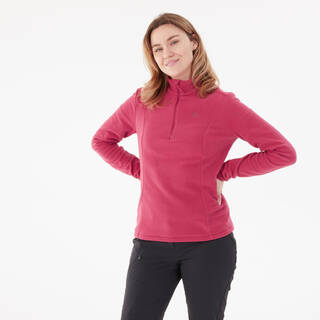
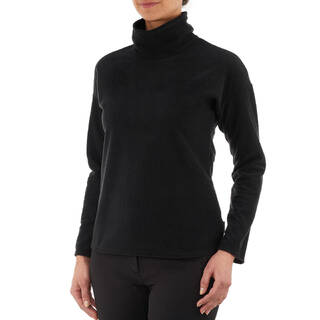
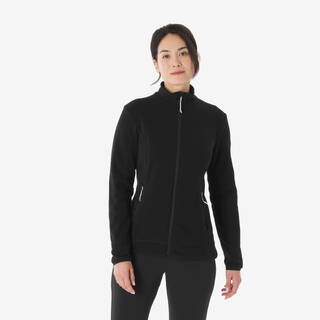

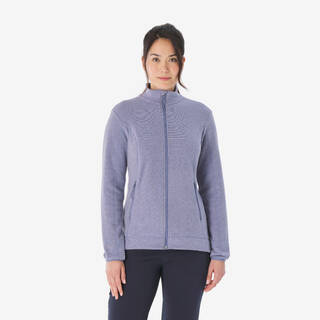
Polar Fleece Construction and Insulation Technology for Indian Mountain and Urban Cold
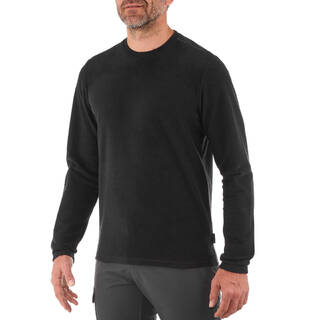
Fleece pullovers use brushed polyester knit structures that trap air pockets between synthetic fibers, creating thermal insulation without the bulk of traditional wool. Decathlon fleeces deploy 200 GSM to 300 GSM polar fleece weights, with higher GSM ratings delivering greater warmth retention for Himalayan treks, Ladakh high-altitude camps, and early morning Bangalore winter runs. The brushed inner surface increases loft height, maximizing dead air space that slows convective heat loss from your core. This matters during static belays on Shivling approaches or stationary wildlife observation in Ranthambore winter mornings, where metabolic heat generation drops and you rely purely on insulation layers.
Quechua fleeces integrate grid-back fleece technology in select models, using raised geometric patterns on the inner fabric face to reduce skin contact area and accelerate moisture vapor transport. This prevents clamminess during high-output trekking on Roopkund trails or Markha Valley ascents, where you generate sweat even in sub-zero ambient temperatures. The outer face uses anti-pilling polyester treatments that resist abrasion from backpack straps and rock contact, maintaining fabric integrity across 100-plus wash cycles. For urban commuters in Delhi NCR or Pune winter mornings, 200 GSM fleeces balance warmth with breathability, preventing overheating inside heated metro cabins or office spaces while still cutting through 8 to 12 degree Celsius morning wind chill.
Half-Zip vs Full-Zip Pullover Designs: Ventilation Control and Layering Compatibility
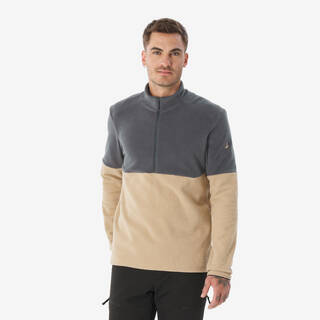
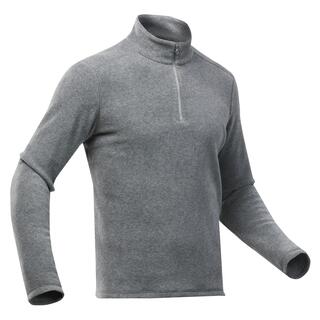
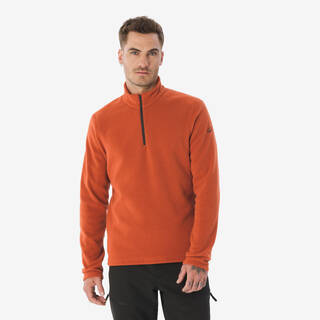
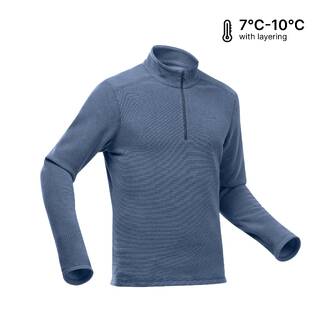
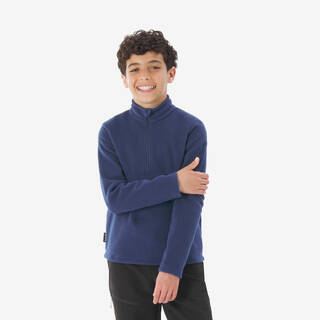
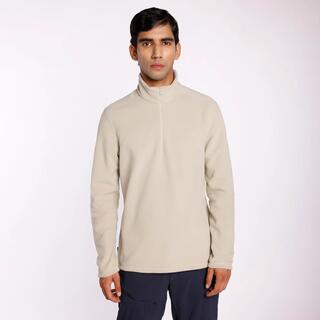
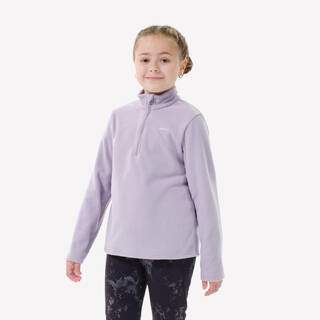
Half-zip pullovers feature short zippers extending 20 to 25 centimeters from the collar, allowing rapid core ventilation without full garment removal. This design excels during variable-intensity activities like alpine scrambles on Kedarkantha or interval training on Nandi Hills, where you cycle between high exertion climbs and rest breaks. The fixed lower torso section maintains continuous insulation over your kidneys and lower back, critical zones for core temperature regulation. Elastic cuffs and hem bands create positive pressure seals that prevent cold air infiltration during windy ridge traverses or open plateau crossings in Spiti Valley.
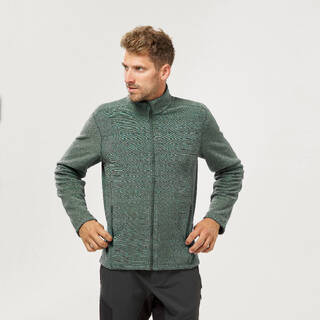
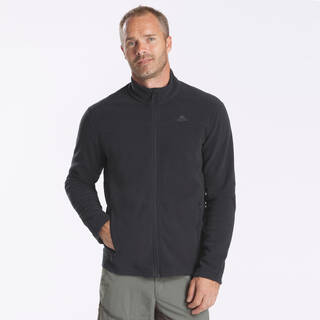
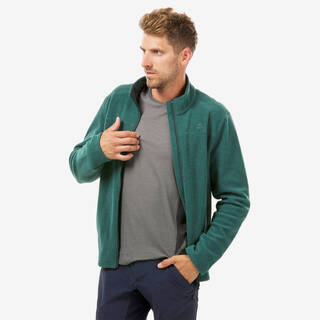
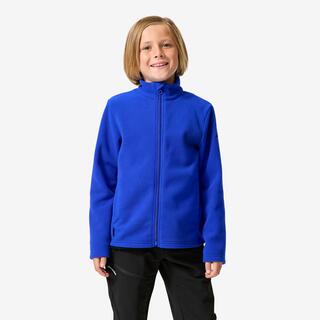
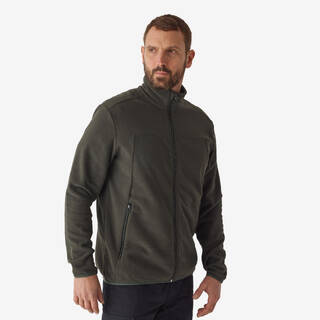
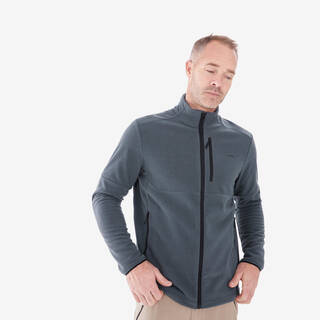
Full-zip fleeces offer complete front opening for maximum ventilation and simplified layering over base shirts or under hardshell jackets. Decathlon integrates chin guards with soft tricot fabric backing to prevent zipper abrasion against your jaw during full closure. Two-way zippers on premium Forclaz models allow bottom-up opening for increased hip mobility during steep ascents or while wearing climbing harnesses, without exposing your chest to wind. Zippered hand pockets use reverse coil zippers that resist snagging on glove fabric and provide secure storage for GPS devices, energy gels, or mobile phones during Hampta Pass crossings or Chadar Trek camps. The full-zip architecture also simplifies temperature regulation inside tents, where you can partially open the fleece without standing up in confined spaces.
Quechua and Forclaz Sub-Brand Differentiation: Casual Trekking vs Technical Alpine Specifications
Quechua fleeces target day hikers, casual trekkers, and urban cold-weather users with balanced warmth, durability, and value engineering. These pullovers use 220 to 260 GSM polar fleece with standard anti-pilling treatments, suitable for Triund day hikes, Coorg plantation walks, or Shimla weekend getaways. Raglan sleeve construction reduces underarm seam bulk, improving comfort under daypack straps during 8 to 12 kilometer treks. Quechua integrates elasticated cuffs with thumb loops on select models, allowing you to extend coverage over your wrists and prevent cold air entry when gloves shift during trekking pole use or scrambling over boulder fields.
Forclaz fleeces serve technical mountaineers, multi-day trekkers, and alpine climbers requiring advanced fabric performance and durability. These use 280 to 300 GSM high-loft fleece with reinforced shoulder and elbow panels using ripstop polyester overlays, resisting abrasion from rope contact, ice axe carry, and extended backpack wear. Forclaz models feature helmet-compatible hoods with elastic binding and single-pull rear adjusters, maintaining coverage during windy Stok Kangri summit pushes or Friendship Peak acclimatization rotations. Chest pockets sit high enough to remain accessible under harness chest straps and hipbelts, with internal mesh dividers separating avalanche transceivers from navigation tools. The cut uses articulated elbows and gusseted underarms, accommodating layering over 150 GSM merino base layers and under Gore-Tex Pro hardshells without restriction during ice climbing or mixed alpine routes.
Moisture Management and Drying Speed for Multi-Day Himalayan Treks and Monsoon Transition Seasons
Polyester fleece fibers absorb less than 1 percent of their weight in water, compared to cotton's 7 percent absorption rate. This hydrophobic property allows Decathlon fleeces to expel perspiration vapor through the fabric matrix while resisting external moisture saturation from light drizzle or snowfall. During monsoon shoulder seasons in September or October, when Manali to Leh highway passes experience unpredictable weather, fleeces dry 60 to 70 percent faster than wool equivalents when hung inside tents or guesthouses. The synthetic construction maintains 80 percent of its insulation value even when damp, critical during Zanskar Valley crossings where river fords or unexpected sleet can wet your mid-layers.
Grid-back fleece architectures in Quechua MH520 and Forclaz Trek 500 models use raised square or hexagonal patterns on the inner face, creating air channels that accelerate moisture vapor transport away from your skin. This prevents the clammy microclimate that develops during sustained uphill grinds on Har Ki Dun approaches or Kuari Pass ascents, where you generate 0.5 to 1.0 liters of sweat per hour despite cold ambient temperatures. The reduced fabric contact area also speeds convective drying when you stop for breaks, as air circulates freely between the fleece and your base layer. For alpine starts departing at 2 AM or 3 AM, this rapid moisture clearance prevents the dangerous cooling effect that occurs when wet fabrics freeze against your skin above 4,500 meters elevation.
Fit Profiles and Sizing for Base Layer Compatibility and Hardshell Layering Systems
Decathlon fleeces use regular fit cuts with 8 to 12 centimeters of ease across the chest and shoulders, allowing unrestricted layering over 100 to 150 GSM merino or synthetic base shirts. This fit accommodates the bulk of two underlayers during extreme cold camps at Pangong Tso or Nubra Valley winter visits, where you stack a lightweight base, midweight thermal, and fleece before adding your outer shell. Sleeve lengths extend 2 to 3 centimeters past your wrist bones when arms are relaxed, providing coverage when reaching overhead for handholds or adjusting backpack top lids, while elastic cuffs prevent ride-up during repetitive arm movements.
Raglan or set-in sleeve constructions affect mobility and layering stack thickness. Raglan sleeves eliminate shoulder seams, reducing pressure points under backpack shoulder straps during 15 to 20 kilogram load carries on Pin Parvati Pass or Rupin Pass treks. Set-in sleeves on Forclaz technical models use flatlock stitching with offset seam placement, preventing chafing during 8 to 10 hour trekking days while maintaining a slimmer profile that fits easily under trim-cut hardshells. Hem lengths drop 5 to 8 centimeters below your waist, ensuring full coverage when bending forward to tie boots or retrieve gear from lower backpack compartments. Elastic hem drawcords with cord locks allow you to cinch the lower opening, sealing out spindrift during Himalayan storms or preventing updrafts when riding open jeeps on Leh to Khardung La drives.
Care and Maintenance Protocols for Extending Fleece Lifespan Across Indian Washing Conditions
Polyester fleece maintains structural integrity through 150 to 200 wash cycles when laundered correctly, but Indian hard water with high mineral content can deposit calcium and magnesium salts that stiffen fibers and reduce loft. Use liquid detergents instead of powders, as undissolved granules lodge in the brushed nap and abrade fibers during tumble action. Wash fleeces in cold water (below 30 degrees Celsius) on gentle cycles, as hot water degrades elastane in cuffs and hems, causing them to lose elastic recovery after 20 to 30 washes. Avoid fabric softeners entirely, as they coat polyester fibers with hydrophilic compounds that increase water retention and slow drying, negating the synthetic fabric's inherent quick-dry advantage.
Air drying preserves fleece loft better than machine drying, which can melt polyester fibers if temperatures exceed 60 degrees Celsius. Hang fleeces on wide-shoulder hangers or lay flat on drying racks in shaded, well-ventilated areas, avoiding direct sunlight that degrades dye fastness and causes color fading after prolonged UV exposure. For expedition use where washing facilities are unavailable, spot-clean high-wear zones like cuffs, collars, and underarms using diluted soap and a damp cloth, then air the garment overnight. Store fleeces loosely folded or hung in dry conditions, never compressed in stuff sacks for extended periods, as prolonged compression crushes the brushed nap and permanently reduces insulation thickness. Before monsoon storage, ensure fleeces are completely dry to prevent mildew growth in humid Mumbai, Kolkata, or Chennai climates, where relative humidity exceeds 80 percent for months.
FAQ (Frequently Asked Questions)
Q1. What GSM weight fleece do I need for Ladakh or Spiti Valley winter treks versus Shimla or Manali casual visits?
Ladakh and Spiti Valley winter conditions (negative 10 to negative 25 degrees Celsius) require 280 to 300 GSM high-loft fleeces like Forclaz Trek 900 models, providing sufficient insulation for static belays and camp wear. Shimla or Manali casual tourism (5 to 15 degrees Celsius) works well with 200 to 240 GSM Quechua MH100 or MH500 fleeces, offering adequate warmth without overheating during active sightseeing or short nature walks.
Q2. Can I wear fleece pullovers as outer layers in Bangalore or Pune winter, or do I need a jacket over them?
Bangalore and Pune winter temperatures (12 to 18 degrees Celsius) allow fleeces to function as standalone outer layers during morning and evening hours, especially 220 to 260 GSM models that block light wind. For extended outdoor exposure or two-wheeler commutes, layer a windproof shell over the fleece, as polar fleece offers zero wind resistance and convective heat loss increases significantly above 15 kilometers per hour wind speed.
Q3. How do I choose between half-zip and full-zip fleece designs for Himalayan trekking?
Half-zip fleeces excel for continuous trekking with moderate intensity changes, providing quick ventilation without removing your backpack or exposing your core to wind. Full-zip models suit alpine climbing, technical scrambles, or multi-day treks where you frequently add or remove layers, wear climbing harnesses that require bottom-up zipper opening, or need maximum ventilation during steep ascents generating high sweat rates.
Q4. Do Decathlon fleeces maintain warmth when wet during monsoon treks or river crossings?
Polyester fleece retains approximately 80 percent of its insulation capacity when damp, far superior to cotton or down which lose nearly all warmth when wet. However, wet fleece still conducts heat away from your body faster than dry fleece, so carry a waterproof shell for rain protection and prioritize drying your fleece during breaks to maintain optimal thermal performance during extended monsoon treks.
Q5. What is the difference between Quechua and Forclaz fleece pullovers in terms of durability and features?
Quechua fleeces use 220 to 260 GSM polar fleece with standard anti-pilling treatments, suitable for day hikes and casual cold-weather use with expected lifespans of 100 to 150 wears. Forclaz fleeces deploy 280 to 300 GSM high-loft fabrics with reinforced shoulder and elbow panels, helmet-compatible hoods, and harness-accessible chest pockets, engineered for technical alpine use and multi-day expeditions with durability exceeding 200 wears under abrasive conditions.
Q6. How should I size fleece pullovers if I plan to layer them over thermal base layers and under hardshell jackets?
Select your normal size for layering over a single base layer, as Decathlon fleeces include 8 to 12 centimeters of chest ease to accommodate underlayers. If you plan to wear two base layers (lightweight plus midweight thermal) underneath, or if you prefer a looser fit for maximum arm mobility during climbing, size up one increment to prevent restriction across shoulders and underarms when reaching overhead or carrying heavy backpacks.
Q7. Can I machine wash Decathlon fleeces in Indian hard water without damaging the fabric or reducing insulation?
Yes, but use liquid detergents in cold water (below 30 degrees Celsius) on gentle cycles to prevent mineral deposits from hard water stiffening the fibers. Avoid fabric softeners which coat polyester and reduce moisture-wicking performance. Air dry instead of machine drying to preserve loft, and wash every 8 to 10 wears unless heavily soiled, as over-washing gradually compresses the brushed nap and reduces insulation thickness over time.
Q8. Do fleece pullovers provide wind protection during high-altitude Himalayan passes or ridge walks?
No, polar fleece offers minimal wind resistance due to its open-knit structure, and wind speeds above 10 to 15 kilometers per hour rapidly strip away the warm air layer trapped in the fabric. Always layer a windproof or waterproof hardshell over your fleece during exposed ridge traverses, summit pushes, or high-altitude passes like Thorong La or Stok La where wind chill can drop effective temperatures by 10 to 15 degrees Celsius.
Q9. Are thumb loops necessary on fleece cuffs, or can I skip this feature to reduce bulk?
Thumb loops prevent cuff ride-up during repetitive arm movements like trekking pole use, scrambling, or adjusting backpack straps, maintaining continuous wrist coverage that seals out cold air. They also anchor sleeves in place when layering under hardshells, preventing the fleece from bunching inside jacket sleeves. Skip this feature only if you always wear gloves that overlap cuffs or prefer maximum freedom for fine motor tasks requiring exposed hands.
Q10. How long do Decathlon fleece pullovers last under regular trekking use in abrasive Himalayan terrain?
Quechua fleeces withstand 100 to 150 trekking days with proper care, showing pilling and thinning at high-wear zones like elbows and shoulders after this point. Forclaz technical fleeces with reinforced panels last 200-plus trekking days under abrasive conditions including rock contact, backpack friction, and rope abrasion. Lifespan extends significantly with proper washing (cold water, gentle cycle, air drying) and avoiding prolonged compression storage that crushes the insulating loft permanently.