Gym Shoes


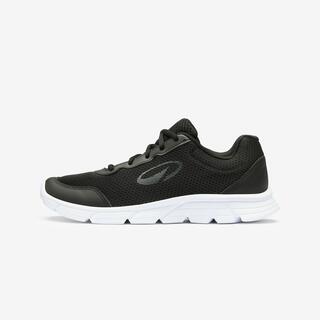
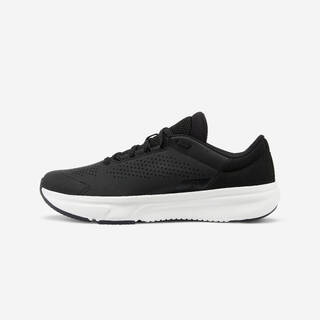


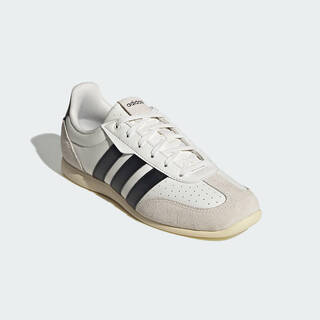
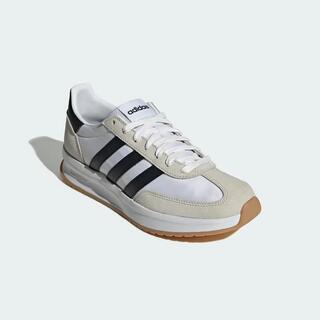
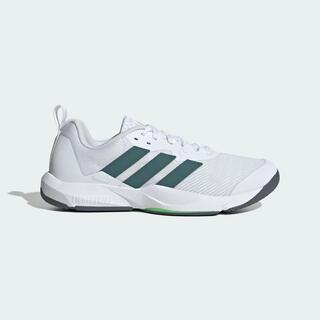
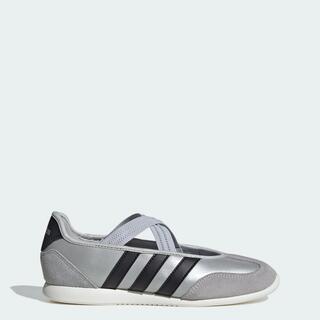
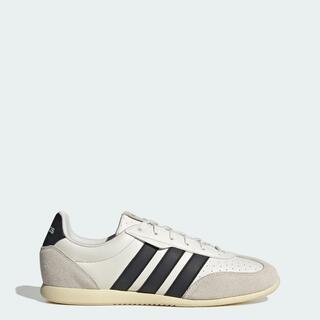
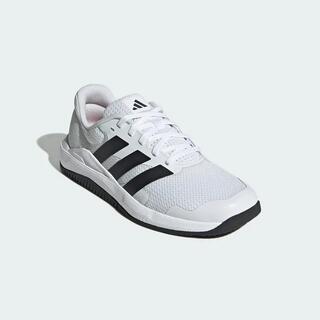
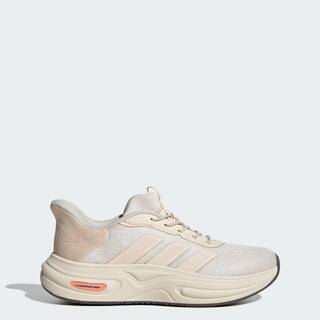
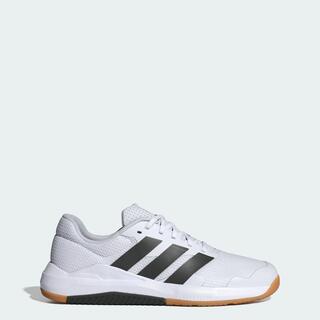
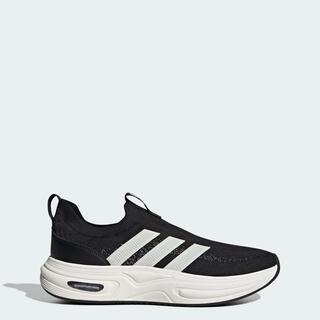
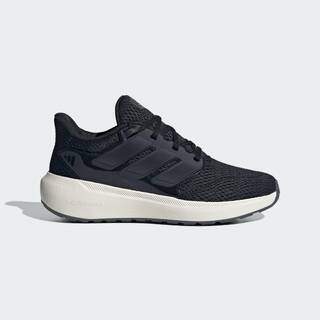
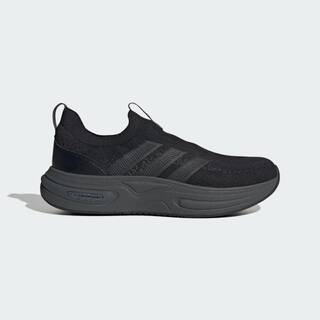
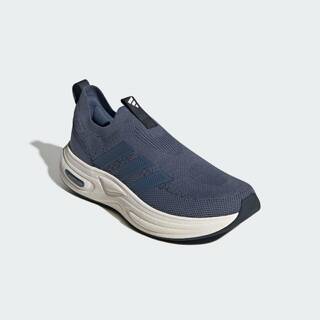
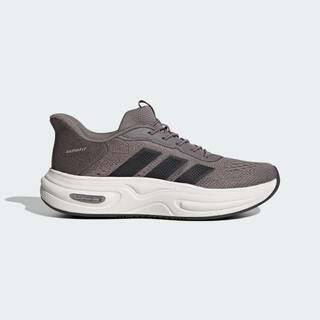
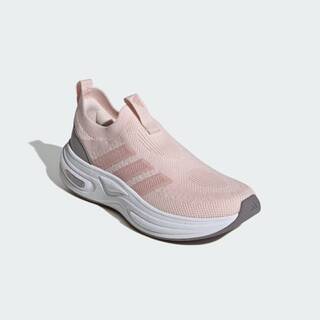
Flat Sole Stability Platforms for Compound Lifting and Barbell Work
Gym shoes engineered for weightlifting and strength training demand fundamentally different biomechanics than running footwear. The Domyos range prioritizes zero-drop or minimal-drop (0 to 4mm heel-to-toe offset) platforms that maximize ground contact surface area and eliminate foam compression during heavy squats, deadlifts, and overhead presses. A flat, non-compressible midsole constructed from high-density EVA or TPU ensures force transmission travels directly through the foot into the floor without energy loss through cushioning layers. This rigid base allows lifters to maintain tripod foot stability (heel, first metatarsal, fifth metatarsal contact points) and recruit posterior chain musculature more effectively during compound movements.
Indian gym environments frequently feature polished granite, vitrified tile, or rubberized flooring. Outsole tread patterns on Domyos training shoes incorporate multidirectional hexagonal or circular lugs with 2 to 3mm depth, balancing static grip during lifts with lateral pivot capability for agility drills and box jumps. Rubber compounds blend natural and synthetic polymers to resist abrasion from rope climbs and sled pushes while maintaining coefficient of friction above 0.6 on dry surfaces. Wide forefoot toe boxes (anatomical fit profiles) accommodate natural toe splay under load, preventing lateral compression that can destabilize the kinetic chain during single-leg Romanian deadlifts or Bulgarian split squats.
Breathable Engineered Mesh Uppers for High-Humidity Indoor Training Sessions
Air-conditioned gyms in metro cities still experience localized humidity spikes from concentrated human exertion, particularly during peak evening hours. Domyos training shoes integrate open-weave engineered mesh panels with 1 to 1.5mm perforation diameters across the vamp and quarter sections, creating continuous airflow channels that evacuate moisture vapor from the foot microclimate. These mesh zones combine polyester warp yarns (high tensile strength) with nylon weft threads (abrasion resistance), achieving 120 to 140 GSM fabric weights that balance structural integrity with ventilation efficiency. Internal moisture-wicking liners use hydrophobic polyester blends that transport sweat away from skin contact surfaces toward exterior evaporation zones.
Monsoon season training in coastal cities like Mumbai, Chennai, and Kolkata introduces additional sweat saturation challenges. Shoes designed for Indian conditions incorporate antimicrobial treatments (silver ion or zinc pyrithione coatings) on insole topsheets and collar foam padding to inhibit bacterial colonization that causes odor during multi-hour training blocks. Heel counters use thermoplastic polyurethane (TPU) exoskeletons rather than closed foam constructions, creating ventilation gaps while maintaining rearfoot lockdown during lateral lunges and medicine ball rotational throws. This design prevents the swamp-foot effect common in fully synthetic leather gym shoes after 90-minute HIIT circuits.
Midfoot Strap Systems and Lacing Configurations for Multi-Plane Stability
Functional training protocols demand rapid directional changes across sagittal, frontal, and transverse planes. Domyos cross-training shoes employ asymmetric lacing patterns with offset eyelets that reduce pressure hotspots over the extensor tendons during burpees and mountain climbers. Reinforced midfoot saddles constructed from welded TPU overlays or internal TPU cages wrap the arch region, preventing medial collapse during lateral shuffles and cutting movements common in circuit training formats. These saddle systems work independently of lace tension, providing consistent support even as laces loosen during high-rep kettlebell swings or battle rope intervals.
Upper heel collars feature dual-density foam padding: softer 40-durometer EVA against the Achilles tendon insertion point, transitioning to firmer 60-durometer foam at the lateral and medial malleoli contact zones. This graduated cushioning prevents pressure ulcers during box step-ups while maintaining ankle position awareness (proprioception) critical for single-leg balance exercises. Tongue gussets connect directly to the medial and lateral quarter panels, creating a bootie construction that blocks chalk dust, gym floor debris, and perspiration from infiltrating the interior footbed during floor-based core work and stretching sequences.
Domyos Sub-Brand Specialization Across Training Intensity Levels
Decathlon's Domyos line segments gym footwear by training modality and intensity thresholds. Entry-level models target beginners establishing workout consistency three times per week, featuring 8 to 10mm heel drops that accommodate limited ankle dorsiflexion mobility during goblet squats and front rack positions. These shoes use single-density compression-molded EVA midsoles (45 to 50 Shore A hardness) that provide moderate shock attenuation during treadmill warm-ups and cooldown jogs without the dead-lift instability of maximum cushioning systems. Outsole rubber coverage extends across high-wear zones (heel strike, forefoot push-off) while exposing midsole foam at midfoot sections to reduce overall shoe weight below 280 grams per size UK 9.
Advanced cross-training models serve athletes performing Olympic lifting variations, plyometric depth jumps, and metabolic conditioning workouts five to six days weekly. These shoes drop heel offset to 4mm or less, incorporate TPU shank plates between midsole and outsole layers for torsional rigidity, and use dual-compound outsoles (harder 70-durometer rubber under the heel, softer 60-durometer under forefoot) optimized for both static lifting stability and dynamic box jump landings. Upper constructions shift toward seamless welded overlays rather than stitched panels, eliminating potential failure points during rope climbs and eliminating interior seam friction during high-volume training blocks exceeding 90 minutes per session.
Outsole Geometry for Rope Climbs, Sled Pushes, and Functional Movement Patterns
Specialized gym training introduces equipment interactions absent from traditional cardio or strength work. Domyos shoes designed for CrossFit-style workouts and functional fitness incorporate reinforced toe rand sections using abrasion-resistant rubber compounds (minimum 65 Shore A hardness) that withstand repeated rope grip friction during legless climbs and L-sit progressions. Lateral sidewall wraps extend rubber coverage 8 to 12mm up the medial edge, protecting midsole foam during sled pushes where foot positioning angles inward against resistance plates. These design features prevent premature upper separation from midsole units, a common failure mode in standard running shoes repurposed for gym use.
Metcon-style training shoes feature segmented outsole flex grooves oriented perpendicular to the longitudinal axis at 5 to 7mm spacing intervals. This pattern allows natural forefoot articulation during walking lunges and step-ups while maintaining platform rigidity during static lifts. Heel sections incorporate raised perimeter ridges (2mm height) that create suction-cup effects on rubberized gym flooring, preventing posterior slide-out during heavy back squat eccentrics. Indian gym chains increasingly install high-density rubber tiles (10 to 15mm thickness) that demand specific tread geometries: too aggressive and shoes catch during pivots, too smooth and they hydroplane on sweat-contaminated surfaces during peak traffic hours.
Sizing Precision, Toe Box Volume, and Indian Foot Morphology Considerations
Gym shoe fit tolerances differ significantly from running shoe parameters due to load-bearing requirements under external resistance. Domyos training shoes should fit with 8 to 10mm space (approximately thumbnail width) between longest toe and shoe end when standing in athletic stance with knees slightly bent. This closer fit than running shoes (which require 12 to 15mm) prevents forward slide during decline movements and box step-downs while allowing toe splay during ground-based exercises. Width sizing becomes critical for lifters with wider forefeet: D-width standard fits accommodate average foot breadth, while 2E-width options (available in select Domyos models) prevent lateral compression that can cause metatarsal stress fractures during high-frequency training cycles.
Indian foot morphology studies indicate higher prevalence of broader forefeet relative to heel width compared to European averages. Decathlon India stocks gym shoes with modified last shapes featuring 6 to 8% wider toe box volumes in the same tagged length size. Try-on protocols should include bodyweight squats and single-leg balance holds: heel should remain locked in the counter without vertical lift, midfoot should feel snug without pressure points, and toes should move freely inside the toe box. Insole thickness ranges from 4mm (minimal cushioning for lifting focus) to 6mm (moderate cushioning for mixed training), with removable construction allowing custom orthotic insertion for athletes with diagnosed pronation patterns or leg length discrepancies exceeding 6mm.
FAQ (Frequently Asked Questions)
Q1. What heel drop measurement works best for both weightlifting and cardio circuits in the same gym session?
A 4 to 6mm heel-to-toe drop provides the best compromise for mixed training sessions. This offset offers enough platform stability for squats and deadlifts while allowing natural foot roll during treadmill intervals or rowing machine warm-ups. Pure weightlifting specialists benefit from 0 to 4mm drops, while those prioritizing cardio with occasional strength work can extend to 8mm drops.
Q2. How do Domyos gym shoes handle the polished granite and tile flooring common in Indian gym chains?
Domyos training shoes use multidirectional tread patterns with 2 to 3mm lug depth and rubber compounds engineered for coefficient of friction above 0.6 on smooth surfaces. The outsole geometry balances static grip during lifts with pivot capability for agility drills. Avoid shoes with aggressive trail-running lugs that catch on smooth floors during lateral movements.
Q3. Can I use the same gym shoes for outdoor park workouts on concrete and indoor gym training?
Yes, but prioritize models with full-coverage rubber outsoles rather than exposed foam midsections. Concrete and tar surfaces accelerate midsole abrasion, so shoes with 70-durometer rubber across the entire footprint last significantly longer. Domyos cross-training shoes with reinforced toe rands and lateral sidewall wraps handle both environments without premature wear at high-friction zones.
Q4. What causes the medial arch collapse I experience during heavy barbell squats, and how do gym shoes address this?
Medial arch collapse typically results from insufficient midfoot support or excessive midsole cushioning that compresses under load. Look for gym shoes with internal TPU midfoot cages or welded saddle overlays that stabilize the arch independently of lace tension. Flat, non-compressible midsoles (high-density EVA or TPU) prevent the energy loss and instability created by soft foam platforms during compound lifts.
Q5. How much toe box room should gym shoes have compared to my running shoes?
Gym shoes require 8 to 10mm of toe space (thumbnail width) versus the 12 to 15mm standard for running shoes. This closer fit prevents forward slide during box step-downs and decline movements while still allowing natural toe splay under load. Test fit by performing bodyweight squats: your heel should stay locked without lifting, and toes should move freely without hitting the front wall.
Q6. Do gym shoes need special care after high-humidity monsoon training sessions in coastal cities?
Remove insoles immediately after training and air-dry shoes in cross-ventilated spaces away from direct sunlight, which degrades midsole foam and upper mesh. Stuff shoes with newspaper to absorb interior moisture and maintain shape. Domyos shoes with antimicrobial insole treatments resist odor-causing bacteria, but weekly cleaning with mild soap and water prevents long-term buildup in high-sweat conditions.
Q7. What's the functional difference between Domyos entry-level and advanced cross-training shoe models?
Entry models feature 8 to 10mm heel drops and single-density EVA midsoles suited for three-times-weekly training with moderate lifting and cardio mix. Advanced models drop to 4mm or less, add TPU shank plates for torsional rigidity, use dual-compound outsoles, and incorporate seamless welded uppers for athletes training five to six days weekly with Olympic lift variations and high-volume plyometrics.
Q8. Can I use weightlifting shoes with elevated heels for general gym training and functional fitness circuits?
Dedicated weightlifting shoes with 15 to 20mm heel elevations and rigid wooden or TPU midsoles excel at squats and Olympic lifts but severely limit mobility for burpees, box jumps, and running intervals. Reserve these for pure strength sessions. Domyos cross-training shoes with 4 to 6mm drops and flexible forefoot sections handle the full spectrum of gym movements without requiring shoe changes mid-workout.
Q9. How do I prevent heel slippage during box step-ups and sled pushes in my current gym shoes?
Heel slippage indicates either incorrect size (too long) or insufficient heel counter structure. Domyos training shoes use thermoplastic polyurethane heel counters that lock the rearfoot without relying solely on lace tension. Also check lacing technique: skip the bottom eyelet and use a runner's loop at the top eyelet to create independent midfoot and ankle tension zones that eliminate lift during dynamic movements.
Q10. What outsole features help gym shoes grip rubberized flooring during heavy squat eccentrics without catching during pivots?
Look for raised perimeter ridges (2mm height) on heel sections that create suction effects on rubber tiles, preventing posterior slide during squat descent. Forefoot sections should feature segmented flex grooves (5 to 7mm spacing) with moderate lug depth (2 to 3mm) that grip without catching. Domyos shoes balance these geometries specifically for high-density rubber gym flooring common in Indian fitness centers.