Men Merino Wool Collection

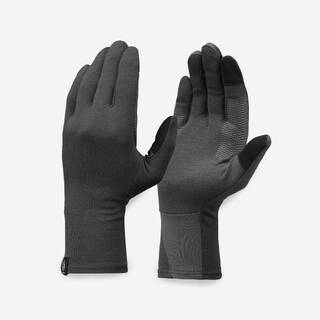

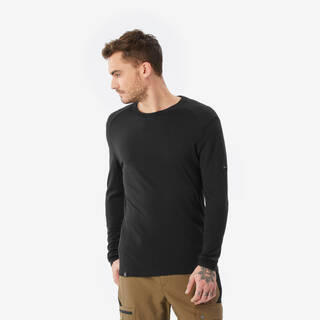
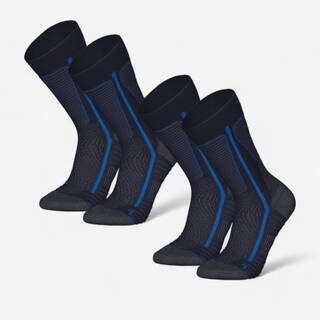
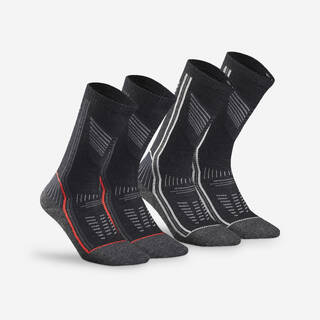
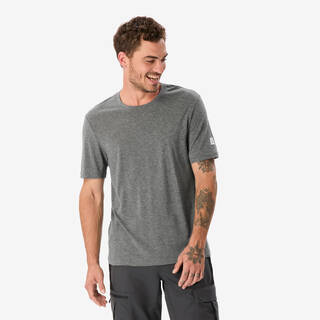
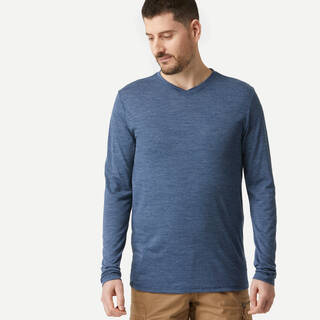
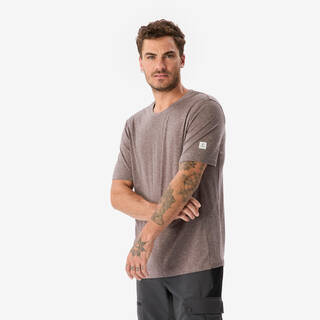
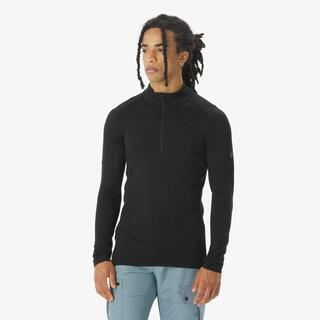

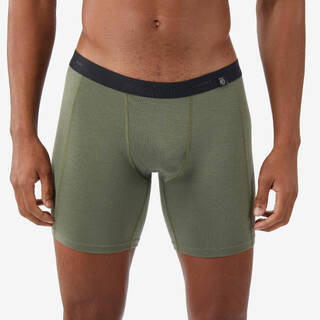
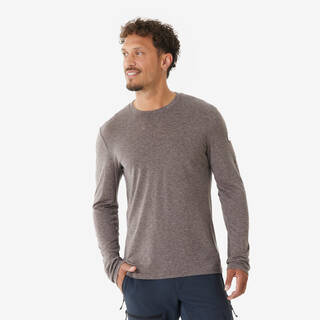
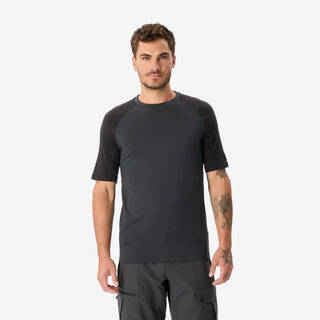
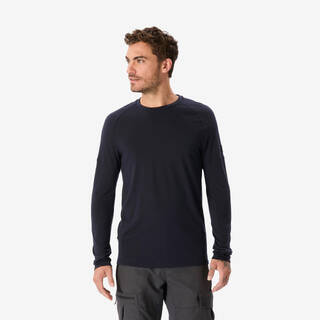
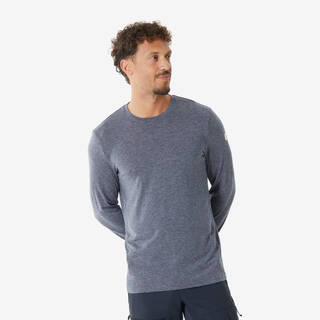
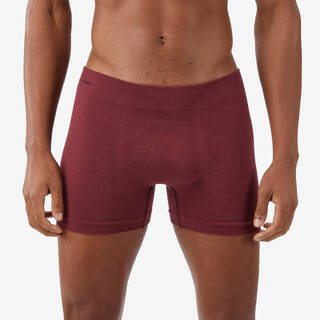
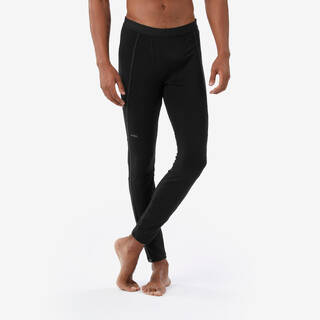
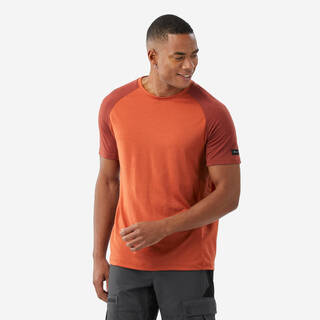
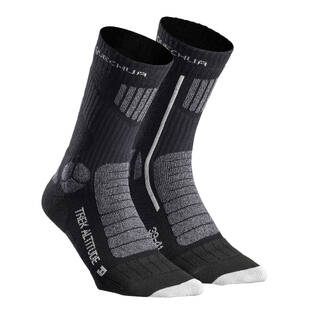
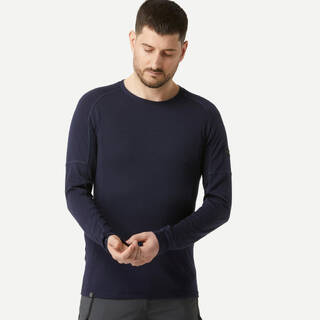
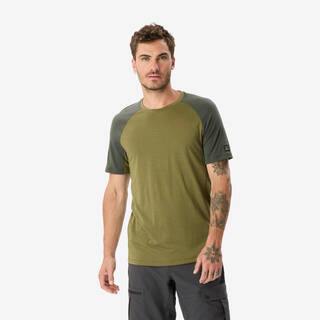
Merino Wool Fiber Architecture for Indian Multi-Climate Performance
Merino wool operates through a unique crimped fiber structure with natural hydrophobic lanolin coating and internal hydrophilic core. Each fiber measures 17.5 to 19.5 microns in diameter, significantly finer than standard 25-micron wool, eliminating the coarse itch sensation while maintaining thermal regulation. The crimp creates millions of air pockets that trap body-warmed air during Himalayan treks at 3,000+ meters, yet the same structure allows moisture vapor transmission rates exceeding 10,000 g/m²/24hr during humid Western Ghats trails or Bangalore summer runs.
Decathlon's Quechua and Forclaz merino collections use 18.5-micron Australian and New Zealand sourced fibers blended with 10 to 20 percent nylon for abrasion resistance at high-friction zones (underarms, lower back, inner thighs). Pure 100 percent merino options deliver maximum odor control through natural antimicrobial lanolin that inhibits bacterial growth for 3 to 5 consecutive wear cycles without washing. This matters critically during multi-day Ladakh bike-packing routes or Kedarkantha winter ascents where laundry access is zero. The fiber's natural crimp also provides 30 to 40 percent stretch recovery, conforming to body movement during dynamic trekking or trail running without bagging out at knees or elbows.
Base Layer Weight Categories and Thermal Output Ratings
Merino base layers are engineered in three distinct weight classes matched to specific altitude and activity intensity profiles. Lightweight merino (130 to 150 GSM) functions as active insulation during high-output activities like trail running in Sikkim or mountain biking through Manali's lower valleys. The thinner knit accelerates sweat evaporation while maintaining core temperature regulation between 15°C and 25°C ambient conditions. Mid-weight options (180 to 200 GSM) balance insulation and breathability for moderate-intensity trekking, camping setups, or early morning Nandi Hills cycling where temperatures fluctuate between 5°C and 15°C.
Heavyweight merino (220 to 260 GSM) delivers maximum thermal retention for static belaying at Miyar Valley ice climbing walls, high-altitude camping above 4,500 meters, or winter Spiti Valley expeditions where nighttime temperatures plunge to negative 15°C. Quechua's merino base layers use body-mapped knit densities, placing 200 GSM panels across the chest and back for core warmth while reducing weight to 150 GSM under arms for ventilation. Forclaz trekking merino incorporates offset shoulder seams that eliminate pack strap chafing during 60-liter backpack carries on Hampta Pass or Valley of Flowers routes.
Moisture Management Through Hygroscopic Fiber Mechanics
Merino wool absorbs up to 35 percent of its dry weight in moisture vapor before feeling wet against skin, a critical advantage during monsoon treks through Coorg or Kodaikanal where humidity exceeds 85 percent. The fiber's internal structure pulls liquid sweat away from skin through capillary action, then releases it as vapor through the outer fabric surface. This hygroscopic property maintains a dry microclimate against skin even when the outer garment layer appears damp. Synthetic polyester base layers, by contrast, absorb less than 1 percent moisture and rely purely on wicking speed, often leaving skin clammy during low-intensity activities or rest stops.
Decathlon's merino blends use core-spun construction where nylon forms the structural core while merino fibers wrap the exterior. This engineering maintains the wool's moisture absorption capacity while boosting tear strength by 40 percent at stress points. During high-sweat activities like summer trekking in Rajasthan's Aravalli hills or humid coastal cycling in Goa, the merino surface continues evaporative cooling while the nylon core prevents fabric breakdown from repeated wet-dry cycles. Flatlock stitching with 6-thread construction eliminates ridge seams that trap moisture or cause friction burns during 8 to 12-hour trekking days.
Odor Resistance Through Natural Antimicrobial Lanolin Chemistry
Merino wool contains natural lanolin wax coating each fiber with fatty acids that create a pH environment hostile to odor-causing bacteria (Corynebacterium and Staphylococcus species). Laboratory testing shows merino retains less than 5 percent bacterial colony growth after 72 hours of wear compared to polyester's 600 percent growth under identical sweat exposure. This translates to 4 to 6 consecutive wear days during Spiti Valley road trips, Zanskar treks, or Meghalaya caving expeditions without the sour ammonia smell that plagues synthetic base layers after 8 to 10 hours.
Quechua merino base layers maintain this antimicrobial performance through 100+ wash cycles because lanolin is structurally integrated into the fiber, not a topical treatment that degrades. For Indian trekkers doing circuit routes like Goechala or Roopkund where pack weight limits spare clothing, a single 180 GSM merino base layer replaces three synthetic shirts. The fabric also resists campfire smoke absorption, a common issue during Himalayan camping where wood smoke permeates gear. Cold-water hand washing with pH-neutral soap every 5 to 7 days maintains fiber integrity without felting or shrinkage beyond 2 to 3 percent.
Thermal Regulation Across Extreme Indian Temperature Gradients
Merino wool's crimped structure creates dynamic insulation that responds to external temperature shifts and internal metabolic heat output. During pre-dawn Triund trek starts at 2°C, the trapped air pockets provide R-value insulation equivalent to 1.5 clo units (comparable to a light fleece). As body temperature rises during the ascent and ambient temperature climbs to 18°C by midday, the same fiber structure opens to release excess heat through convective airflow. This thermoregulation occurs passively without venting zippers or manual adjustments, maintaining skin temperature within the optimal 31°C to 33°C range.
Forclaz merino trekking tops use zoned knit architecture with tighter 1x1 rib knits across the lower back and kidneys for wind protection, transitioning to open mesh knits under arms and across upper back for heat dump zones. This matters during technical scrambles on Stok Kangri or Friendship Peak where exertion spikes rapidly but stopping to remove layers wastes time and exposes you to wind chill. The merino's natural elasticity also prevents the fabric from ballooning away from skin during high winds, maintaining the insulating air layer. Cuffs with 15 percent elastane provide secure wrist seals that prevent cold air infiltration when reaching overhead during boulder problems or ice axe placements.
Durability Engineering for Abrasion and Pack Strap Friction Zones
Pure merino wool rates 25,000 to 30,000 cycles on Martindale abrasion testing, adequate for casual wear but insufficient for trekking pack straps that generate 15 to 20 kg of localized pressure over 6 to 8-hour carry durations. Decathlon addresses this through strategic nylon reinforcement at shoulder yokes, increasing abrasion resistance to 50,000+ cycles without compromising the merino's core thermal and odor properties. The nylon content also boosts tear strength from 40N to 65N, critical when bushwhacking through Dzukou Valley rhododendron thickets or scrambling over Hampta Pass boulder fields.
Quechua merino base layers incorporate double-layer construction at elbow patches and lower back panels where hip belts contact fabric during heavy pack carries. These zones use 220 GSM merino-nylon blend while the main body remains 180 GSM for weight savings. Seam construction uses 6-thread flatlock stitching with 12 to 14 stitches per inch, distributing stress loads across a wider area than standard 4-thread overlock seams. This prevents seam blowouts during dynamic movements like high-stepping over Roopkund's moraine ridges or stretching for handholds on Skandagiri's rock faces. Hem lengths extend 8 to 10 cm below the waist to prevent ride-up when wearing climbing harnesses or hip belts, maintaining core coverage during overhead reaches.
FAQ (Frequently Asked Questions)
Q1. Is Merino wool suitable for warm weather?
Yes, Merino wool is an excellent choice for warm weather due to its breathable and moisture-wicking properties. Lightweight Merino wool garments can help regulate body temperature and keep you cool and dry during hot or humid conditions.
Q2. How does Merino wool compare to synthetic fabrics?
Merino wool offers several advantages over synthetic fabrics. It is a natural, renewable, and biodegradable fiber that is highly breathable, moisture-wicking, and odor-resistant. Merino wool also provides excellent insulation and temperature regulation, making it a versatile choice for various weather conditions.
Q3. Is Merino wool itchy or scratchy?
No, high-quality Merino wool is known for its softness and comfort against the skin. The fibers are much finer and smoother than traditional wool, making Merino wool garments non-itchy and suitable for sensitive skin.
Q4. How should I care for Merino wool garments?
Merino wool garments are machine-washable, but it's best to follow the care instructions on the label. Avoid using fabric softeners or bleach, and hang or lay flat to dry. Proper storage in a cool, dry place away from direct sunlight or heat sources will also help maintain the quality of your Merino wool apparel.
Q5. Can Merino wool be worn for multiple days without washing?
Yes, one of the benefits of Merino wool is its natural resistance to odor. The fiber's structure and composition make it difficult for bacteria to thrive, allowing you to wear Merino wool garments for extended periods without unpleasant smells.
Q6. Is Merino wool suitable for outdoor activities?
Absolutely! Merino wool is an excellent choice for outdoor activities due to its breathability, moisture-wicking properties, and insulation capabilities. It can help regulate body temperature and keep you comfortable in various weather conditions, making it ideal for hiking, camping, and other outdoor pursuits.
Q7. How does Decathlon ensure the ethical sourcing of Merino wool?
At Decathlon, we are committed to sustainable and ethical practices throughout our supply chain. Our Merino wool is sourced from responsible and traceable sources that adhere to the highest standards of animal welfare and environmental stewardship.
Q8. Can Merino wool be worn for casual or everyday use?
Yes, Merino wool is versatile and can be worn for both active pursuits and casual, everyday wear. Its natural softness, breathability, and odor-resistance make it a comfortable and practical choice for a wide range of activities and occasions.
Q9. What types of Merino wool garments are available in Decathlon's collection?
Decathlon's Merino wool collection offers a wide range of apparel and accessories, including base layers, mid-layers, socks, and headwear. You'll find a variety of styles, colors, and fits to suit different activities and personal preferences.
Q10. How does the price of Merino wool products at Decathlon compare to other brands?
At Decathlon, we strive to offer high-quality, innovative products at affordable prices. Our Merino wool collection provides exceptional value for money without compromising on performance or durability, making it an accessible choice for everyone.
Q11. What GSM weight merino base layer works best for Himachal Pradesh winter treks between 2,500 and 4,000 meters?
Use 180 to 200 GSM mid-weight merino for active trekking between December and February when daytime temperatures range from 5°C to 15°C. This weight balances thermal insulation during rest stops with moisture management during uphill sections. For static activities like camping or photography at those altitudes, layer a 220 to 260 GSM heavyweight merino as your base with a fleece mid-layer.
Q12. How many days can I wear merino wool continuously during multi-day treks before washing?
Merino's natural lanolin allows 4 to 6 consecutive wear days during moderate-intensity trekking without odor buildup. Hang the garment overnight in ventilated areas to allow moisture evaporation and lanolin reactivation. For high-sweat activities or humid monsoon conditions, reduce to 2 to 3 days between washes. Cold-water hand washing with pH-neutral soap maintains fiber integrity.
Q13. Does merino wool work for hot and humid trail running in Western Ghats or Sahyadri ranges during monsoon?
Yes, but choose lightweight 130 to 150 GSM merino specifically engineered for high-output activities. The fiber's moisture absorption capacity (up to 35 percent by weight) prevents the clammy feeling common with synthetics in 80+ percent humidity. The open knit structure accelerates evaporative cooling while maintaining odor control during 2 to 3-hour runs. Avoid heavyweight merino above 180 GSM for these conditions.
Q14. Will merino wool shrink or felt after washing in Indian hard water conditions?
Merino felting occurs when fibers are agitated in hot water (above 40°C) with alkaline detergents. Use cold water (below 30°C) with pH-neutral soap and gentle hand agitation to prevent shrinkage beyond 2 to 3 percent. Hard water minerals do not damage merino fibers but may leave calcium deposits; add a capful of white vinegar to the rinse water to neutralize mineral buildup and maintain fabric softness.
Q15. How does Quechua merino compare to Forclaz merino for technical Himalayan expeditions?
Forclaz merino targets technical alpine use with body-mapped zoned knits, reinforced shoulder yokes for pack straps, and extended hem lengths for harness compatibility. Quechua merino focuses on general trekking and camping with simpler construction and broader temperature range versatility. For expeditions above 4,500 meters with heavy pack loads, choose Forclaz. For circuit treks and moderate-altitude camping, Quechua delivers equivalent performance.
Q16. Can I use merino wool base layers for gym workouts and indoor fitness training?
Merino functions well for moderate-intensity gym work (weight training, yoga, stretching) where its odor control and thermal regulation excel. For high-intensity interval training, spinning, or CrossFit in poorly ventilated Indian gym spaces, synthetic moisture-wicking fabrics dry faster. Merino's slower drying time (6 to 8 hours) compared to polyester (2 to 3 hours) becomes a limitation when doing multiple daily training sessions.
Q17. What is the lifespan of merino wool base layers with regular trekking use in Indian mountain conditions?
Expect 150 to 200 wear cycles (approximately 2 to 3 trekking seasons) with proper care before thinning occurs at high-friction zones. Merino-nylon blends extend this to 250+ cycles due to nylon's abrasion resistance. Pilling appears after 30 to 50 wears but does not affect thermal or moisture performance. Use a fabric shaver to remove pills without damaging the base knit. Replace garments when fabric thickness reduces noticeably at elbows or lower back.
Q18. How should I layer merino wool for winter camping in Spiti Valley or Ladakh where temperatures drop to negative 10°C to negative 20°C?
Start with a 200 to 220 GSM mid-weight merino base layer against skin, add a 260 GSM heavyweight merino or synthetic grid-fleece mid-layer, then finish with a down or synthetic insulated jacket rated to negative 15°C comfort. The dual merino layers create a moisture gradient where the inner layer absorbs body vapor and the outer layer facilitates evaporation into the fleece. Avoid cotton entirely as it retains moisture and loses all insulating capacity when damp.
Q19. Does merino wool provide UV protection for high-altitude Himalayan trekking above 4,000 meters?
Merino wool naturally provides UPF 20 to 30 protection depending on fabric weight and knit density. A 200 GSM merino base layer blocks approximately 95 to 97 percent of UV radiation, adequate for most high-altitude trekking when combined with a wide-brim hat and sunscreen on exposed skin. Lightweight 130 to 150 GSM merino offers lower UPF (15 to 20) due to more open knit structure. For extended glacier travel or snow-reflected UV exposure, layer a UPF 50+ sun hoody over your merino base.
Q20. Can I tumble dry merino wool base layers or must I air dry only?
Always air dry merino wool to prevent heat-induced shrinkage and fiber damage. Tumble dryer heat (60°C+) causes irreversible felting and can shrink garments by 15 to 25 percent. Lay flat on a drying rack or hang in shaded, ventilated areas away from direct sunlight which can degrade lanolin. In humid monsoon conditions, use a fan to accelerate drying. Properly air-dried merino takes 6 to 10 hours depending on ambient humidity and GSM weight.