Men Rain Jackets & Pants

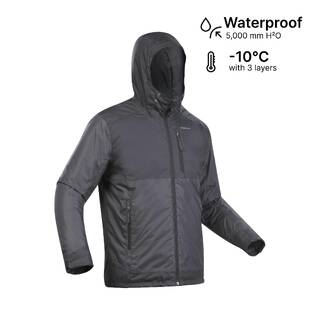
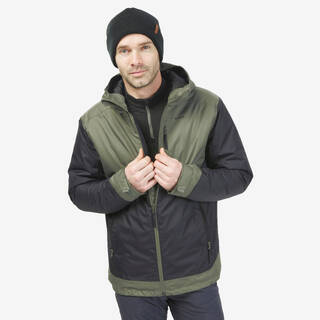


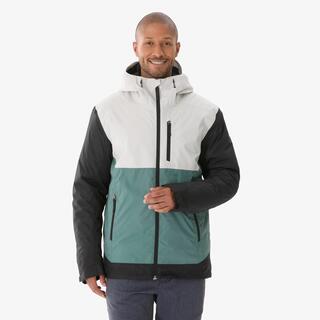


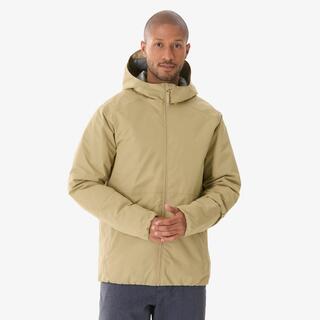


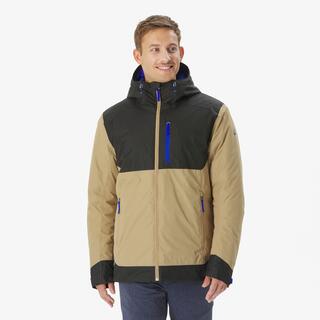


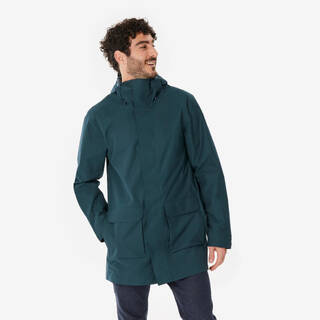


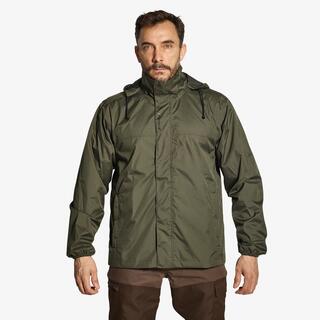
Waterproof Membrane Engineering for Indian Monsoon Downpours
Men's rain jackets and pants must withstand India's intense monsoon systems, where sustained rainfall exceeds 200mm in 24 hours across Western Ghats, Northeast regions, and coastal belts. Quechua rain gear deploys coated polyester fabrics with hydrostatic head ratings between 5,000mm and 10,000mm, creating a barrier that blocks water molecule penetration while permitting internal moisture vapor escape. The 2,000mm threshold represents light drizzle protection, adequate for brief urban commutes. True monsoon durability begins at 5,000mm, where taped seams and welded construction eliminate needle-hole leakage points that compromise cheaper stitched alternatives.
Polyurethane (PU) coatings bond directly to ripstop polyester base fabrics, forming a continuous hydrophobic layer. Higher denier counts (75D to 210D) increase abrasion resistance against backpack straps, motorcycle tank contact, and thorny trail vegetation. Quechua applies factory-sealed seam tape along all stitch lines, shoulder yokes, and pocket flaps, preventing capillary wicking where thread punctures fabric. This construction standard maintains waterproof integrity through 50-plus wash cycles, critical for year-round commuters facing daily monsoon exposure from June through September across Mumbai, Kolkata, Guwahati, and Mangalore corridors.
Breathable Ventilation Systems for High-Humidity Tropical Climates
India's monsoon humidity regularly exceeds 85 percent relative humidity, creating internal condensation buildup inside non-breathable rain shells. Sweat vapor accumulates faster than external evaporation rates, leaving riders and trekkers soaked from interior perspiration despite external waterproofing. Quechua integrates underarm mesh gussets, back ventilation panels, and pit zips that create cross-flow air channels. These openings accelerate moisture vapor transmission without compromising rain protection, using overlapping storm flaps and hydrophobic mesh that blocks droplet entry while permitting airflow.
Breathability ratings measure moisture vapor transmission in grams per square meter over 24 hours (g/m²/24h). Basic coated fabrics transmit 3,000 to 5,000 g/m²/24h, suitable for low-exertion urban walking. Active trekking and cycling demand 8,000 to 15,000 g/m²/24h ratings, achieved through microporous membranes or hydrophilic coatings. Forclaz trekking rain jackets combine 10,000mm waterproofing with 10,000 g/m²/24h breathability, balancing external rain defense with internal vapor evacuation. This equilibrium prevents the clammy microclimate that triggers hypothermia risk during Himalayan monsoon treks, where ambient temperatures drop to 8-12°C while rainfall persists for hours.
Packable Portability and Integrated Storage for Multi-Activity Commuting
Urban cyclists, motorcycle commuters, and office professionals require rain gear that compresses into backpacks, panniers, or messenger bags without adding bulk. Quechua ultralight rain jackets weigh 180 to 280 grams, folding into integrated stuff sacks smaller than a 500ml water bottle. This packability ratio (compressed volume to coverage area) determines real-world utility for unpredictable monsoon bursts. Ripstop polyester construction prevents tear propagation from compression stress, maintaining fabric integrity through repeated pack-and-deploy cycles.
Rain pants feature elastic ankle cuffs and side zippers that enable quick deployment over office trousers, jeans, or cycling shorts without removing footwear. Full-length side zips with storm flaps allow donning pants while wearing shoes, critical for roadside monsoon response. Adjustable waist drawcords and elasticated waistbands accommodate layering over multiple clothing thicknesses, from lightweight summer wear to insulated winter base layers. Quechua designs include reinforced knee panels and seat areas using 210D polyester, resisting abrasion from motorcycle seats, bicycle saddles, and trekking pole contact during steep Himalayan descents.
Visibility and Reflective Safety for Low-Light Monsoon Conditions
Monsoon cloud cover reduces ambient light by 60 to 80 percent during daytime hours, creating dusk-like visibility at noon across major Indian cities. Heavy rainfall further degrades driver sight lines, increasing collision risk for pedestrians, cyclists, and two-wheeler riders. Quechua rain jackets integrate 360-degree reflective piping along sleeves, chest panels, and back yokes, using retroreflective materials that bounce vehicle headlight beams back to drivers from 150 meters distance. These strips meet EN 13356 visibility standards, providing critical detection time for emergency braking.
High-visibility colorways in fluorescent yellow, orange, and lime green increase daytime conspicuity against grey monsoon skies and wet asphalt. Dark navy and black options suit office commuters prioritizing professional appearance, while retaining reflective accent placement for after-hours safety. Hood designs feature reinforced brims that channel rain away from eyewear lenses and maintain forward peripheral vision. Adjustable hood drawcords and rear volume adjusters prevent wind-blown hood rotation, keeping face protection aligned during high-speed cycling or motorcycle riding through monsoon squalls.
Durability Testing Against Indian Road Abrasion and UV Degradation
Indian road conditions impose unique wear patterns on rain gear. Concrete sidewalk friction, motorcycle tank contact, and backpack strap pressure create high-stress zones requiring reinforced fabric panels. Quechua applies 210D polyester overlays at shoulders, elbows, and lower back contact points, doubling abrasion resistance compared to standard 75D shell fabrics. These reinforcements extend garment lifespan beyond 200 wear cycles, critical for daily commuters investing in multi-season protection.
Tropical UV exposure degrades polyurethane coatings and weakens polyester fibers through photochemical breakdown. India's solar UV index reaches 11-plus (extreme category) across Deccan Plateau, Rajasthan, and southern peninsular regions during pre-monsoon months. Quechua incorporates UV-stabilized polyester and lightfast dyes that resist color fading and coating delamination through three years of regular outdoor use. Factory heat-sealing processes create permanent seam bonds that outlast traditional stitched-and-taped construction, eliminating the most common failure point where needle holes compromise waterproof barriers. This engineering focus delivers reliable monsoon protection for Bangalore tech commuters, Mumbai local train riders, and Northeast hill station trekkers facing 120-plus annual rainfall days.
Sizing and Fit Profiles for Layering Over Indian Body Types and Work Attire
Rain jacket sizing must accommodate layering over business shirts, fleece mid-layers, and insulated jackets without restricting arm mobility or creating pressure points. Quechua employs athletic fit profiles with articulated sleeves, gusseted underarms, and extended back hem drops that maintain coverage during forward-leaning cycling postures or trekking pole use. Chest circumference measurements account for 10 to 15 cm layering allowance beyond base garment dimensions, preventing fabric tension that compromises breathability and accelerates seam stress.
Indian male body proportions often feature broader shoulders relative to waist measurements compared to European athletic fits. Quechua adjusts shoulder width ratios and torso taper angles to match subcontinental anthropometric data, reducing excess fabric bunching at the waist while maintaining full shoulder rotation. Sleeve lengths extend 2 to 3 cm beyond standard measurements, covering wrist gaps that appear during handlebar gripping or trekking pole planting. Velcro wrist closures and elastic cuff inserts create secure seals that prevent rain channeling into gloves or bare hands during extended monsoon rides. Rain pant inseam lengths range from 30 to 34 inches across size runs, accommodating height variations from 165 cm to 190 cm while maintaining proper ankle coverage over hiking boots or athletic shoes.
FAQ (Frequently Asked Questions)
Q1. What makes Decathlon's rain jackets and pants different from other brands?
At Decathlon, we prioritize quality, affordability, and performance in all our products. Our rain jackets and pants are designed using advanced waterproof and breathable fabrics, ensuring you stay dry and comfortable. Additionally, our commitment to accessible pricing means you can enjoy high-quality rain gear without breaking the bank.
Q2. How do I choose the right size for a rain jacket or pants?
We recommend consulting our detailed size charts and measuring yourself carefully to ensure the best fit. It's also a good idea to try on different sizes, if possible, to account for layering and freedom of movement. Our knowledgeable staff can assist you in finding the perfect fit.
Q3. Are Decathlon's rain jackets and pants suitable for extreme weather conditions?
Yes, we offer a range of heavy-duty, rugged rain gear designed to withstand even the harshest weather conditions. Look for jackets and pants with advanced waterproofing technologies, reinforced construction, and features like adjustable hoods and pit zips for optimal protection and ventilation.
Q4. Can I wear my rain jacket or pants for activities other than hiking or camping?
Absolutely! Our rain gear is versatile and suitable for a wide range of activities, from urban commuting and travel to outdoor sports like cycling or fishing. The breathable fabrics and adjustable features make them comfortable and practical for everyday wear.
Q5. How should I care for my rain jacket and pants to ensure longevity?
Proper care and maintenance are key to extending the life of your rain gear. Follow the manufacturer's instructions for cleaning and drying, and avoid using harsh detergents or bleach. Store your gear in a cool, dry place when not in use, and consider reapplying a durable water repellent treatment periodically.
Q6. Can I return or exchange my rain jacket or pants if they don't fit or meet my expectations?
At Decathlon, we stand behind the quality of our products. If you're not completely satisfied with your purchase, you can return or exchange it within a reasonable timeframe, subject to our return policy. Our friendly staff will be happy to assist you with the process.
Q7. Do Decathlon's rain jackets and pants come with any warranties or guarantees?
Yes, many of our rain jackets and pants come with manufacturer warranties or guarantees against defects in materials or workmanship. The specific details may vary by product, so be sure to check the individual product descriptions or consult with our staff for more information.
Q8. Can I layer my rain jacket over other insulating layers for added warmth?
Absolutely! Our rain jackets are designed to accommodate layering, allowing you to adjust your insulation levels based on the weather conditions and your activity level. Look for jackets with ample room in the torso and sleeves to accommodate additional layers.
Q9. Are Decathlon's rain jackets and pants suitable for travel?
Yes, many of our rain jackets and pants are designed with travel in mind. Look for lightweight, packable options that can easily be stowed in a backpack or suitcase. These pieces are perfect for staying dry and comfortable while exploring new destinations.
Q10. Do you offer any eco-friendly or sustainable options in your rain gear collection?
Yes, we're committed to offering sustainable and eco-friendly options whenever possible. Look for rain jackets and pants made from recycled or renewable materials, as well as products that prioritize responsible manufacturing practices and minimize environmental impact.
Q11. What hydrostatic head rating do I need for Mumbai or Kolkata monsoon commuting?
Target minimum 5,000mm hydrostatic head for reliable monsoon protection during sustained heavy rainfall. Mumbai and Kolkata experience 200mm-plus daily downpours where lower ratings (2,000mm to 3,000mm) allow water penetration after 30 to 45 minutes of exposure. Quechua rain jackets rated 8,000mm to 10,000mm maintain waterproof integrity through multi-hour commutes and provide durability for 50-plus wash cycles without coating degradation.
Q12. Can I wear rain jackets over formal office shirts without wrinkling or overheating?
Yes, when selecting one size larger than your shirt size to allow 10 cm layering clearance. Quechua rain jackets with underarm mesh panels and back ventilation prevent overheating during 20 to 30 minute commutes in 28°C-plus humid conditions. Packable designs fold into briefcase compartments, and smooth polyester linings reduce friction against dress shirts, minimizing wrinkle transfer during wear.
Q13. How do I prevent rain pants from tearing when pulling over motorcycle boots or trekking shoes?
Choose rain pants with full-length side zippers that open completely from waist to ankle, eliminating the need to stretch fabric over footwear. Quechua designs feature reinforced zipper tracks with storm flaps that maintain waterproofing while allowing easy on-off deployment. Elastic ankle cuffs with snap closures provide secondary adjustment after zipping, creating secure seals around boot tops without fabric stress.
Q14. What denier polyester withstands daily backpack abrasion for Bangalore tech commuters?
Minimum 150D ripstop polyester at shoulder contact zones, with 210D reinforcements providing optimal durability for daily backpack wear. Quechua applies these heavier denier overlays at high-stress points where 15 kg laptop bags create friction during 60 to 90 minute commutes. Standard 75D shell fabrics work for occasional use but show wear patterns after 40 to 50 cycles under loaded backpack straps.
Q15. Do Quechua rain jackets maintain waterproofing after machine washing with regular detergent?
Factory-sealed seams and PU coatings tolerate 50-plus wash cycles using liquid detergent on gentle cycles below 30°C. Avoid powder detergents and fabric softeners that clog breathable membrane pores and degrade hydrophobic coatings. Tumble dry on low heat or air dry to reactivate durable water repellent (DWR) finish. Quechua recommends reapplying spray-on DWR treatment after 25 washes to restore surface beading on high-wear areas.
Q16. How much visibility do reflective strips provide during night riding in monsoon rain?
Retroreflective piping meeting EN 13356 standards reflects vehicle headlights from 150 meters distance, providing 4 to 5 seconds of driver reaction time at 40 km/h urban speeds. Quechua positions 360-degree reflective strips along sleeves, chest, and back panels for multi-angle visibility. Combine with front/rear bicycle lights for optimal detection, as reflective materials require direct light source activation and do not emit light independently.
Q17. What breathability rating prevents internal condensation during 10 km cycling commutes in 85 percent humidity?
Target 8,000 g/m²/24h minimum moisture vapor transmission for moderate-intensity cycling in tropical humidity. Lower ratings (3,000 to 5,000 g/m²/24h) trap sweat vapor faster than fabric evacuates moisture, creating wet interior conditions within 15 to 20 minutes. Quechua jackets rated 10,000 g/m²/24h balance waterproof protection with vapor permeability, suitable for 45 to 60 minute rides generating moderate perspiration loads.
Q18. Can I pack Quechua rain jackets small enough to fit inside a 20-liter cycling backpack?
Ultralight models weighing 180 to 250 grams compress into integrated stuff sacks measuring 15 cm x 10 cm x 8 cm, occupying less than 1.2 liters of pack volume. This packability suits 20-liter commuter bags, leaving space for laptops, lunch containers, and clothing changes. Ripstop construction prevents tear damage from repeated compression, maintaining fabric integrity through 100-plus pack cycles without permanent creasing or coating delamination.
Q19. How do I size rain pants to wear over office trousers without restricting leg movement?
Select rain pants with waist measurements 8 to 10 cm larger than your trouser waist size, and inseam lengths matching your regular pant inseam plus 3 cm for boot coverage. Quechua designs feature elastic waistbands and adjustable drawcords that accommodate layering over formal wear while maintaining secure fit. Side zippers with 60 cm-plus openings allow donning pants over dress shoes, eliminating the mobility restrictions of pull-on styles.
Q20. What jacket length provides best coverage for tall riders above 185 cm height during motorcycle commuting?
Extended-length models with 75 to 80 cm back hem measurements (size XL/XXL) prevent rain channeling into lower back gaps during forward-leaning riding postures. Quechua designs include dropped rear hems that extend 5 to 8 cm below standard cuts, maintaining coverage over belt lines when arms reach forward to handlebars. Adjustable waist drawcords cinch excess fabric to prevent wind-blown flapping at highway speeds above 60 km/h.