Men Trekking Shoes

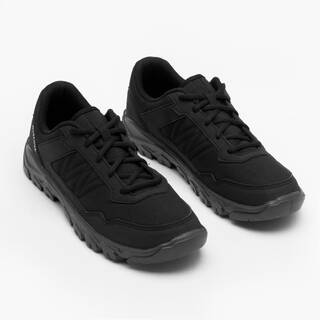

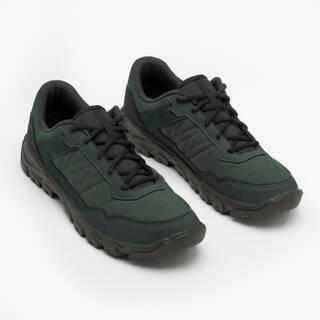
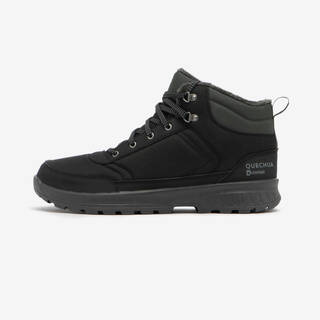
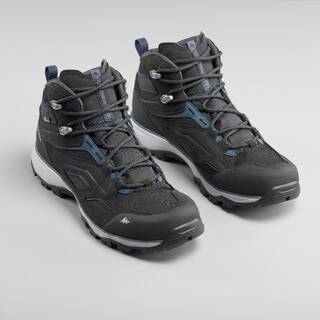
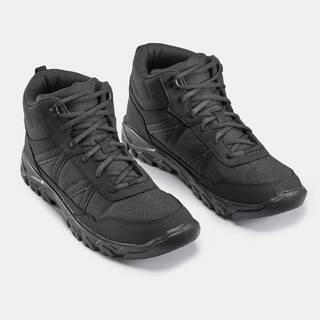
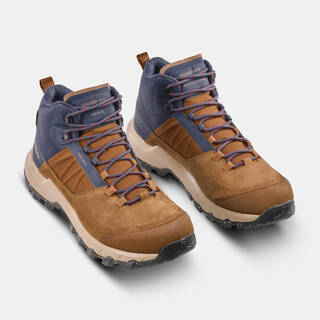
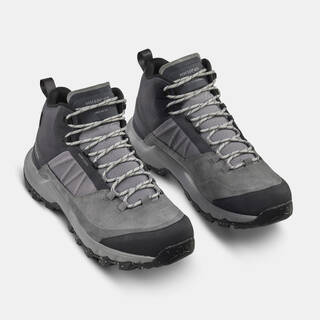
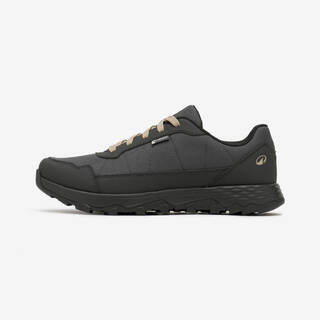
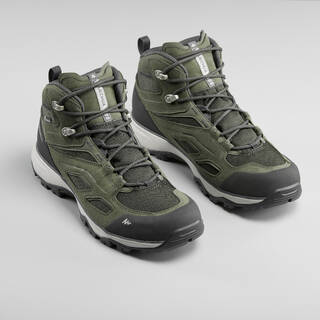
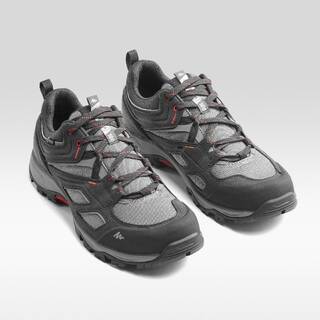
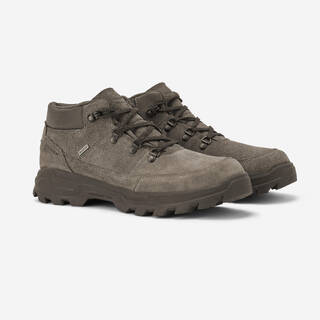
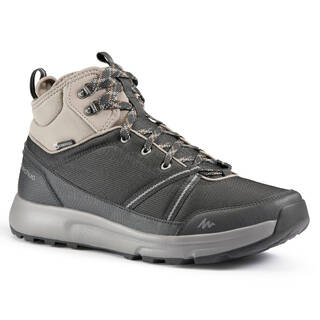
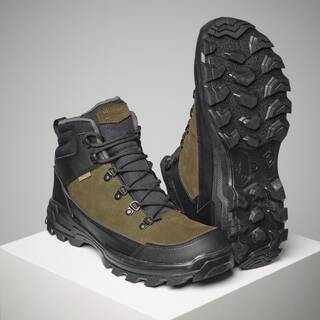
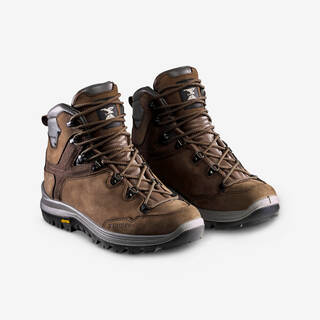
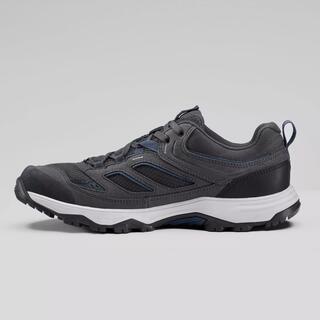
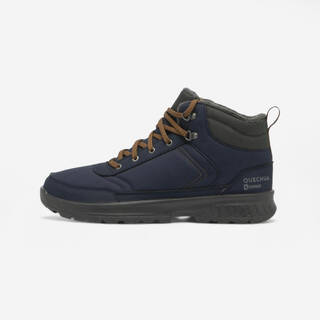
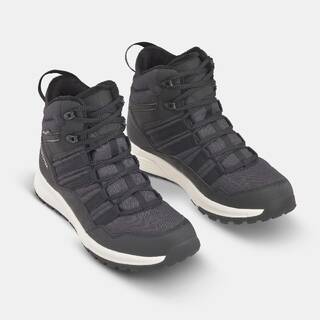
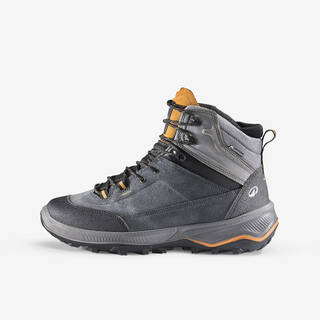
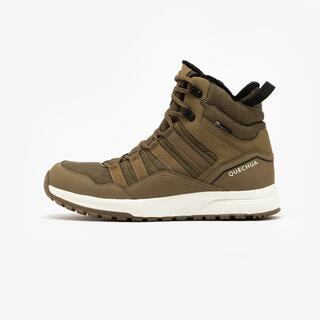
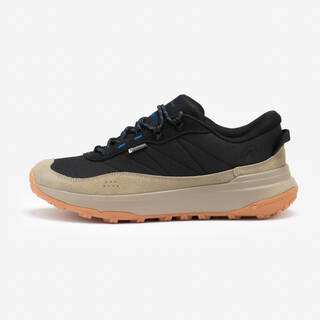
Embark on Your Trekking Adventures with Confidence
Trekking is an exhilarating way to explore the great outdoors, but having the right footwear can make all the difference. At Decathlon, we understand the importance of comfortable and durable trekking shoes that can withstand the demands of rugged terrain. Our extensive collection of men's trekking shoes is designed to provide you with the support, traction, and protection you need for your adventures.
Whether you're a seasoned trekker or just starting out, our shoes are crafted with the latest technologies and materials to ensure optimal performance. From lightweight and breathable options for warm-weather treks to waterproof and insulated models for colder climates, we have something to suit every preference and condition.
Trusted Brands, Uncompromising Quality
At Decathlon, we collaborate with renowned brands in the outdoor industry to bring you the best trekking shoes on the market. Our selection includes trusted names like Quechua, Forclaz, and Kalenji, each known for their expertise in crafting high-quality and reliable footwear.
With our commitment to quality and affordability, you can rest assured that every pair of trekking shoes we offer has undergone rigorous testing and meets the highest standards for durability, comfort, and performance.
Tailored for Every Terrain
Whether you're tackling rocky mountain trails, navigating through dense forests, or exploring sandy deserts, our trekking shoes are designed to conquer any terrain. With features like rugged outsoles, sturdy uppers, and specialized traction systems, you can confidently traverse even the most challenging landscapes.
From lightweight trail runners for day hikes to heavy-duty boots for multi-day treks, our collection caters to a wide range of trekking styles and preferences. With options for different levels of ankle support, waterproofing, and breathability, you can find the perfect pair to suit your specific needs.
Expert Tips: Choosing the Right Trekking Shoes
To ensure you make the most informed decision, here are some expert tips for choosing the perfect trekking shoes:
- Consider the terrain and climate: Different shoes are designed for different conditions, so think about where and when you'll be trekking.
- Prioritize comfort and fit: Properly fitted shoes can prevent blisters, chafing, and other discomforts. Try on shoes with the socks you'll be wearing and ensure a snug but not too tight fit.
- Look for supportive features: Trekking shoes should provide ample ankle support, cushioning, and stability to prevent injuries on uneven ground.
- Check for waterproofing and breathability: Depending on the conditions, you may need waterproof or highly breathable shoes to keep your feet dry and comfortable.
Expert Tips: Maintaining Your Trekking Shoes
Proper care and maintenance can extend the life of your trekking shoes and ensure they perform at their best. Here are some expert tips:
- Clean your shoes after each use: Remove dirt, mud, and debris to prevent premature wear and tear.
- Allow them to dry completely: Stuff them with newspaper or use a boot dryer to remove moisture and prevent odors.
- Apply waterproofing treatment: Regularly treat leather or fabric uppers with a waterproofing spray or cream to maintain water resistance.
- Replace worn components: If the outsoles, insoles, or laces show significant wear, replace them to maintain traction and support.
Versatile Styles for Every Adventure
At Decathlon, we understand that trekking is not a one-size-fits-all activity. That's why our collection offers a diverse range of styles to suit various preferences and needs. From low-cut trail runners for agility and breathability to mid-cut and high-cut boots for enhanced ankle support, you'll find the perfect pair for your next adventure.
Whether you prefer the lightweight and minimalist design of our trail runners or the rugged and protective construction of our hiking boots, each pair is meticulously crafted to provide the perfect balance of comfort, support, and performance.
Affordable Quality, Unbeatable Value
At Decathlon, we believe that quality outdoor gear shouldn't come with a premium price tag. Our commitment to affordability means that you can enjoy the latest technologies and materials without breaking the bank.
By cutting out the middleman and working directly with manufacturers, we can offer you exceptional value for your money. So, whether you're a budget-conscious trekker or simply looking for the best bang for your buck, our trekking shoes deliver unbeatable performance at an affordable price.
Expert Advice and Personalized Support
At Decathlon, we pride ourselves on being more than just a retailer – we're a community of outdoor enthusiasts dedicated to helping you find the perfect gear for your adventures. Our knowledgeable staff is always on hand to provide expert advice and personalized recommendations to ensure you make the right choice.
Whether you have questions about sizing, features, or specific trekking conditions, our team is ready to assist you every step of the way. We believe that by combining our expertise with your unique needs, we can help you find the ideal trekking shoes to elevate your outdoor experiences.
FAQ (Frequently Asked Questions)
Q1. What is the difference between trekking shoes and hiking boots?
Trekking shoes are typically lighter and more flexible than hiking boots, making them better suited for day hikes or shorter treks on well-maintained trails. Hiking boots, on the other hand, offer more ankle support and protection, making them ideal for longer, more demanding treks on rugged terrain.
Q2. How do I determine the right size for trekking shoes?
Proper fit is crucial for trekking shoes. We recommend trying them on with the socks you'll be wearing and ensuring there's enough room for your toes to wiggle without being too loose. Your heel should also be locked in place without slipping. If you're between sizes, it's generally better to size up.
Q3. Are waterproof trekking shoes necessary?
Waterproof trekking shoes can be beneficial if you'll be hiking in wet or muddy conditions, or if you'll be crossing streams or rivers. However, they tend to be less breathable, which can lead to sweaty feet in warmer weather. Consider the climate and conditions you'll be trekking in to determine if waterproofing is necessary.
Q4. How long do trekking shoes typically last?
The lifespan of trekking shoes depends on various factors, such as the frequency of use, the terrain you hike on, and how well you maintain them. On average, a well-cared-for pair of trekking shoes can last between 300 and 500 miles before needing replacement.
Q5. Can I use trekking shoes for running or other activities?
While trekking shoes are designed specifically for hiking and trekking, some lightweight and flexible models can be suitable for light trail running or other outdoor activities. However, for dedicated running or sports, it's best to use shoes designed specifically for those activities to ensure proper support and performance.
Q6. How do I break in new trekking shoes?
It's important to break in new trekking shoes gradually to prevent blisters and discomfort. Start by wearing them around the house or on short walks, and gradually increase the distance and duration over a few weeks. This will allow the shoes to mold to your feet and prevent hotspots or rubbing.
Q7. What features should I look for in trekking shoes for different terrains?
For rocky or uneven terrain, look for shoes with sturdy soles, good traction, and ample cushioning. For muddy or wet conditions, waterproof or water-resistant uppers and outsoles with deep lugs are beneficial. For sandy or loose terrain, shoes with good grip and breathability are ideal.
Q8. Can I use the same trekking shoes for different seasons?
While some trekking shoes are designed for versatility across seasons, it's generally better to have dedicated shoes for different conditions. For example, lightweight and breathable shoes for summer treks, and insulated and waterproof options for colder, wetter conditions.
Q9. How often should I replace the insoles in my trekking shoes?
The insoles in trekking shoes tend to compress and lose their cushioning over time. As a general guideline, it's recommended to replace the insoles every 300-500 miles or when you notice a significant decrease in cushioning and support.
Q10. Can I use trekking shoes for everyday wear?
While trekking shoes are designed for outdoor adventures, some lightweight and comfortable models can be suitable for everyday wear or light activities. However, it's important to note that the rugged outsoles and aggressive tread patterns may wear down faster on paved surfaces.