Pumps



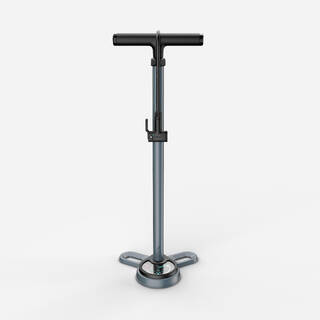


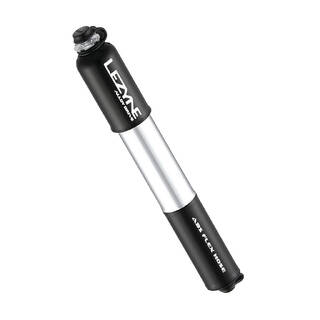
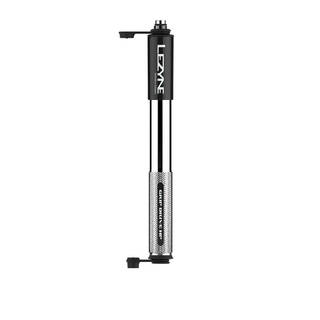
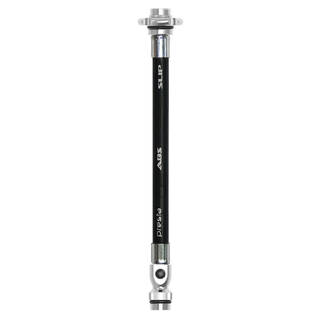
High-Pressure Floor Pumps Engineered for Fast Tire Inflation and Pressure Accuracy
Floor pumps deliver high-volume air displacement per stroke, critical for inflating road bike tires to 90-120 PSI or MTB tires to 25-40 PSI in under 60 seconds. Decathlon floor pumps feature oversized barrels (typically 30-35mm diameter) that push 200-250cc of air per compression stroke, reducing pump cycles by 40 percent compared to compact hand pumps. Integrated analog gauges display pressure in both PSI and BAR, with accuracy tolerances within plus or minus 2 PSI across the operating range. Steel piston rods resist lateral flex during high-pressure inflation, maintaining seal integrity and preventing air backflow.
Dual-head valve compatibility (Presta and Schrader) eliminates adapter fumbling during pre-ride checks. Threaded Presta connections lock onto valve stems, preventing air loss during high-pressure pumping above 80 PSI. Rubber-coated steel bases (300x150mm footprints) anchor pumps to apartment tile floors and outdoor concrete surfaces, preventing tip-over during aggressive pumping. Ergonomic T-handles distribute palm pressure across 120mm grip spans, reducing wrist strain during extended inflation sessions. Btwin and Rockrider floor pumps integrate hose lengths between 600-900mm, allowing riders to inflate tires without moving the pump base or straining valve stems.
Compact Hand Pumps Built for Trail-Side Repairs and Emergency Tire Pressure Recovery
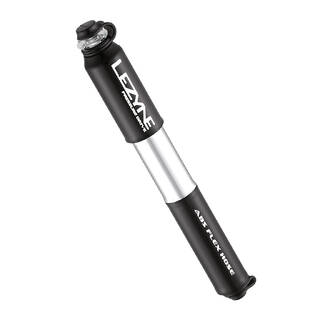
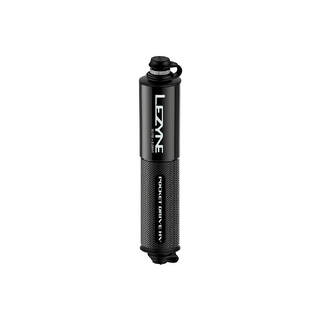
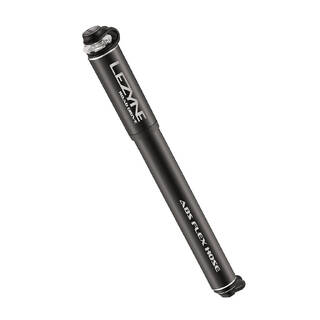
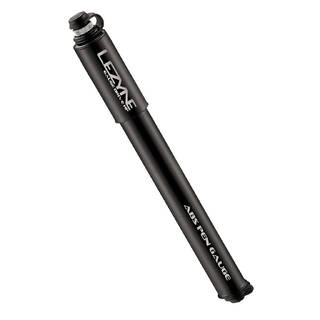
Hand pumps pack into jersey pockets or frame mounts, delivering 40-60cc air volume per stroke for emergency tire inflation after puncture repairs. Aluminum barrel construction (typically 200-250mm collapsed length) withstands trail vibration and accidental drops onto rocky terrain. Mini pumps achieve maximum pressures between 80-100 PSI, sufficient for road tire emergency inflation to rideable pressures (60-70 PSI) within 150-200 strokes. Telescoping designs extend barrel length to 350-400mm during use, increasing air displacement per stroke by 30 percent compared to fixed-length models.
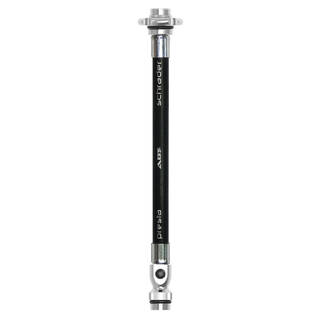
Flexible hose attachments (100-150mm length) reduce valve stem stress during pumping, preventing Presta valve core damage or Schrader valve bending. Frame mounts use rubberized clamps or Velcro straps that secure pumps to seat tubes or top tubes without scratching paint finishes. Btwin mini pumps integrate reversible Presta/Schrader heads that flip orientation without requiring separate adapters. Pocket-sized models (under 180mm collapsed) fit into hydration pack side pockets or saddle bags, adding under 120 grams to total ride weight. Indian trail conditions (rocky Himalayan singletracks, muddy Western Ghats descents) demand reliable backup inflation tools that function after dust ingress or monsoon moisture exposure.
Electric and CO2 Inflators for Rapid Pressure Restoration and Race-Day Speed
Electric pumps automate inflation through rechargeable lithium-ion batteries (typically 2000-2500mAh capacity), delivering preset pressures via digital controls. Auto-shutoff functions halt inflation at target PSI values (user-selectable between 20-120 PSI), preventing over-inflation that risks tire blowouts or rim damage. USB-C charging ports enable power restoration from laptop adapters or power banks during multi-day bikepacking trips. Compact electric models (under 500 grams) fit into frame bags or pannier side pockets, eliminating manual pumping fatigue during long-distance touring across Ladakh or Spiti Valley routes.
CO2 inflators use threaded 16-gram or 25-gram cartridges that release compressed gas directly into tire chambers, achieving full inflation in under 10 seconds. Threaded control heads regulate gas flow, preventing rapid pressure surges that can burst lightweight road tubes or damage tubeless tire beads. Insulated sleeves protect fingers from cartridge freeze during rapid gas expansion (CO2 temperature drops to minus 40 degrees Celsius during discharge). Single 16-gram cartridges inflate 700x25c road tires to 90 PSI or 29x2.20 MTB tires to 30 PSI, sufficient for race-day wheel changes or criterium flat repairs. Decathlon CO2 systems include reusable heads compatible with both threaded and non-threaded cartridge standards, reducing waste and simplifying cartridge sourcing across Indian bike shops.
Ball and Sports Equipment Pumps Designed for Multi-Sport Inflation Needs
Ball pumps feature tapered needle adapters (typically 40-50mm length) that insert into standard inflation valves on footballs, basketballs, volleyballs, and rugby balls. Compact barrel designs (150-200mm length) generate sufficient pressure (8-12 PSI for footballs, 7-9 PSI for basketballs) within 20-30 strokes. Dual-action pumping (air displacement on both push and pull strokes) reduces inflation time by 50 percent compared to single-action models. Kipsta ball pumps integrate needle storage compartments in handle caps, preventing needle loss during transport to training grounds or tournament venues.
Pressure guidelines printed on pump barrels guide proper inflation: footballs require 8.5-15.6 PSI (0.6-1.1 BAR), basketballs need 7.5-8.5 PSI (0.52-0.59 BAR), and volleyballs perform optimally at 4.3-4.6 PSI (0.3-0.32 BAR). Over-inflation reduces ball grip and increases injury risk from excessive rebound speeds, while under-inflation causes erratic flight paths and poor surface contact. Portable models with carabiner clips attach to gym bags or backpack straps, ensuring inflation tools remain accessible during school sports sessions or weekend pickup games. Indian concrete courts and synthetic turf fields demand consistent ball pressure for predictable bounce characteristics and accurate passing dynamics.
Inflatable Camping and Water Sports Pumps for High-Volume Air Mattress and SUP Inflation
High-volume foot pumps and double-action hand pumps inflate camping mattresses, stand-up paddleboards, and inflatable kayaks through large-diameter hoses (25-30mm) that move 1500-2000cc of air per stroke. Bellows-style foot pumps allow hands-free operation, enabling simultaneous gear organization during campsite setup. Dual-chamber designs separate high-volume (low-pressure) and high-pressure chambers: initial inflation uses the large chamber for rapid volume filling, then switches to the small chamber for final pressure topping (10-15 PSI for SUPs, 3-5 PSI for air mattresses).
Quechua camping pumps include multiple nozzle adapters (Boston valves, Halkey-Roberts valves, pinch valves) that fit Decathlon tents, sleeping pads, and Itiwit paddleboards without requiring separate adapter kits. Pressure relief valves prevent accidental over-inflation that can stress seam welds or burst internal baffles in air mattresses. Compact pack sizes (under 300mm length when collapsed) fit into tent stuff sacks or kayak dry bags. Electric pumps with 12V car adapter plugs enable rapid SUP inflation at lakeside launch points or riverside put-ins, reducing manual pumping effort during multi-day paddling expeditions across Kerala backwaters or Goa coastlines. Monsoon humidity and high ambient temperatures (35-42 degrees Celsius) affect inflation volumes, requiring 5-10 percent additional pumping to compensate for thermal air expansion.
Pump Maintenance and Pressure Calibration for Long-Term Inflation Accuracy
Piston seals (typically synthetic rubber or polyurethane) require periodic lubrication with silicone-based oils to maintain airtight compression. Dry seals create friction that reduces pumping efficiency by 20-30 percent and causes premature seal cracking. Annual seal inspection identifies wear patterns: longitudinal scoring indicates barrel contamination from dust ingress, while circumferential cracking signals UV degradation from outdoor storage. Replacement seals (available through Decathlon service centers) restore original pumping performance and pressure accuracy.
Gauge calibration drift occurs after 12-18 months of regular use, particularly in analog Bourdon tube gauges exposed to high-pressure cycling (above 100 PSI). Digital gauges maintain accuracy within plus or minus 1 PSI through internal pressure transducers, but require battery replacement every 200-300 inflation cycles. Hose connections develop air leaks at crimp points or threaded junctions after repeated flexing. Teflon tape (2-3 wraps) on threaded connections eliminates micro-leaks that cause pressure loss during high-PSI inflation. Store pumps indoors away from direct sunlight and monsoon moisture to prevent barrel corrosion and gauge face fogging. Clean valve heads after beach or trail use to remove sand particles and mud that compromise seal integrity during subsequent inflation sessions.
FAQ (Frequently Asked Questions)
Q1. What is the difference between hand pumps and electric pumps?
Hand pumps are manually operated and rely on physical effort to inflate items, making them portable and convenient for smaller tasks. Electric pumps, on the other hand, are powered by motors and can inflate larger items more quickly and with less effort, but they require access to a power source.
Q2. Can I use the same pump for different types of inflatables?
Yes, most pumps are designed to be versatile and can be used with various types of inflatables, such as balls, mattresses, boats, and tents. However, it's important to check the pump's compatibility and use the appropriate nozzle adapters for each item.
Q3. How do I know if a pump has enough power for my needs?
The power and capacity of a pump are typically determined by factors such as the motor size (for electric pumps), airflow rate, and maximum pressure. Check the product specifications and match them with the size and volume of the items you need to inflate. Our knowledgeable staff can also assist you in selecting the right pump for your specific needs.
Q4. Can I use a pump for both inflating and deflating?
Some pumps are designed with a reversible airflow feature, allowing you to use them for both inflating and deflating. However, not all pumps have this capability, so it's important to check the product details before making a purchase.
Q5. How long do pumps typically last?
The lifespan of a pump depends on various factors, such as the quality of the materials, frequency of use, and proper maintenance. High-quality pumps from reputable brands like Decathlon can last for several years with proper care and usage.
Q6. Are pumps suitable for outdoor use?
Yes, many of our pumps are designed for outdoor use and are built to withstand various weather conditions and rough environments. However, it's still important to follow the manufacturer's instructions and take proper precautions to ensure the longevity of your pump.
Q7. Can I use a pump to inflate items with different valve types?
Most pumps come with a variety of nozzle adapters to accommodate different valve types, such as Boston valves, pinch valves, and schrader valves. It's important to use the correct adapter to ensure a proper seal and efficient inflation.
Q8. How do I troubleshoot a pump that isn't working properly?
If your pump isn't working as expected, start by checking for any blockages or obstructions in the nozzle or hose. Ensure that the pump is properly connected to a power source (for electric pumps) and that all connections are secure. If the issue persists, consult the user manual or contact our customer support for further assistance.
Q9. Can I purchase replacement parts for my pump?
Yes, Decathlon offers a range of replacement parts and accessories for our pumps, such as nozzle adapters, hoses, and repair kits. Our knowledgeable staff can assist you in finding the right replacement parts for your specific pump model.
Q10. Do you offer any warranties or guarantees on your pumps?
At Decathlon, we stand behind the quality of our products. Most of our pumps come with a manufacturer's warranty that covers defects in materials and workmanship. The warranty period may vary depending on the specific product, so please check the details at the time of purchase.
Q11. What is the difference between Presta and Schrader valve pumps, and which valve type do Indian road bikes and MTBs use?
Presta valves (6mm diameter) appear on most road bikes and higher-end MTBs, featuring threaded tips that require unscrewing before inflation and lock nuts that secure to rim holes. Schrader valves (8mm diameter, identical to car tire valves) equip entry-level bikes and many hybrid models, using spring-loaded cores that open under pump pressure. Dual-head pumps accommodate both valve types without adapters, critical for Indian households with multiple bike types. Presta valves handle higher pressures (up to 120 PSI) with less air leakage, while Schrader valves offer simpler operation and easier roadside air access at petrol stations.
Q12. How many strokes does it take to inflate a 700c road bike tire from flat to 90 PSI using a standard floor pump?
A quality floor pump with a 30-35mm barrel diameter requires approximately 40-60 strokes to inflate a 700x25c road tire from completely flat to 90 PSI. Larger-volume tires (700x32c or wider) need 60-80 strokes due to increased air chamber volume. Mini hand pumps with smaller barrels (15-20mm diameter) require 150-250 strokes to reach the same pressure, making them suitable only for emergency inflation to rideable pressures (60-70 PSI). Pumping efficiency drops above 80 PSI as back-pressure increases, requiring more force per stroke during the final pressure range.
Q13. Can I use a bicycle floor pump to inflate football or basketball, and will it damage the ball valve?
Bicycle floor pumps can inflate sports balls if equipped with a tapered needle adapter (typically sold separately or included with Kipsta ball pumps). Standard bike pump heads cannot directly connect to ball valves without the needle attachment. Insert the lubricated needle fully into the ball valve, then inflate slowly to the recommended pressure printed on the ball surface. Rapid high-pressure inflation can damage internal bladders or dislodge valve cores, so monitor pressure closely and stop at the specified PSI range.
Q14. How accurate are the pressure gauges on Decathlon floor pumps, and do they need calibration over time?
Decathlon floor pump gauges maintain accuracy within plus or minus 2-3 PSI when new, sufficient for recreational cycling and most training applications. Analog gauges can drift after 12-18 months of regular use, particularly if exposed to high-pressure cycling above 100 PSI or temperature extremes during outdoor storage. Digital gauges offer better long-term accuracy (plus or minus 1 PSI) but require battery replacement. Verify gauge accuracy annually by comparing readings against a known-accurate digital pressure gauge or bike shop calibration tool.
Q15. What is the maximum pressure a mini hand pump can achieve, and is it enough for road bike tires?
Quality mini hand pumps achieve maximum pressures between 80-100 PSI, sufficient for emergency road tire inflation to rideable pressures (60-75 PSI) after puncture repairs. Reaching full recommended road tire pressure (90-110 PSI) requires 150-250 strokes and significant arm fatigue. Mini pumps work best for MTB tires (25-40 PSI range) where full pressure restoration takes 80-120 strokes. Carry a mini pump for trail-side emergencies, but rely on floor pumps for pre-ride inflation to optimal pressures that reduce rolling resistance and pinch flat risk.
Q16. How do I prevent air leaks when using a pump on Presta valves, especially at high pressures above 80 PSI?
Unscrew the Presta valve lock nut completely and press the valve tip briefly to confirm it moves freely before attaching the pump head. Threaded pump heads (found on quality floor pumps) screw directly onto Presta valve threads, creating a mechanical seal that prevents air loss during high-pressure inflation. Push-on heads require firm seating and locking lever engagement before pumping. If air hisses during pumping above 80 PSI, the pump head seal may be worn or the valve core may be loose (tighten with a valve core tool). Hold the pump head steady during the final high-pressure strokes to prevent lateral movement that breaks the seal.
Q17. Can electric bike pumps fully inflate MTB tires, and how long does the battery last per charge?
Electric pumps with 2000-2500mAh batteries fully inflate MTB tires (29x2.20 or 27.5x2.40) from flat to 30-35 PSI in 3-5 minutes per tire. A full charge typically inflates 4-6 MTB tires or 6-8 road tires before requiring recharging via USB-C. Battery performance degrades in high temperatures (above 40 degrees Celsius), common during Indian summer rides, reducing inflation capacity by 15-20 percent. Electric pumps work best for touring or bikepacking where manual pumping fatigue accumulates over multi-day trips, but floor pumps remain faster and more reliable for home workshop use.
Q18. What pressure should I inflate my stand-up paddleboard to, and which pump type works best for SUP inflation?
Itiwit inflatable SUPs require 12-15 PSI for optimal rigidity and performance, with exact pressure specifications printed on the board near the valve. Double-action hand pumps with high-volume chambers (2000cc per stroke) inflate SUPs in 8-12 minutes, switching to the high-pressure chamber for the final 10-15 PSI range. Electric pumps reduce inflation time to 5-7 minutes but add weight and require battery management. Under-inflation below 10 PSI causes board flex and poor tracking, while over-inflation above 16 PSI risks seam failure or valve damage. Indian coastal heat (35-40 degrees Celsius) expands internal air pressure by 1-2 PSI, so inflate slightly below maximum when paddling in afternoon sun.
Q19. How often should I replace the piston seal in my floor pump, and what are the signs of seal wear?
Floor pump piston seals typically last 2-3 years with regular recreational use (2-3 inflation sessions per week) before requiring replacement. Signs of seal wear include reduced pumping efficiency (requiring more strokes to reach target pressure), air hissing past the piston during compression, and visible cracking or flattening of the rubber seal surface. Lubricate seals every 6 months with silicone-based oil to extend lifespan and maintain smooth piston movement. Replacement seals are available through Decathlon service centers and restore original pumping performance within minutes using basic tools.
Q20. Why does my pump gauge show different pressure readings compared to my digital tire pressure gauge?
Analog pump gauges and digital tire gauges can vary by 2-5 PSI due to calibration differences, gauge quality, and temperature effects on pressure measurement. Analog Bourdon tube gauges (common on floor pumps) measure pressure through mechanical spring deflection and can drift over time or after exposure to high pressures above 100 PSI. Digital gauges use electronic pressure transducers that maintain tighter accuracy (plus or minus 1 PSI) but require battery power. For critical applications (racing, weight-weenie setups), use a standalone digital gauge as the reference standard and note the offset between it and your pump gauge for consistent inflation.