Running Shoes

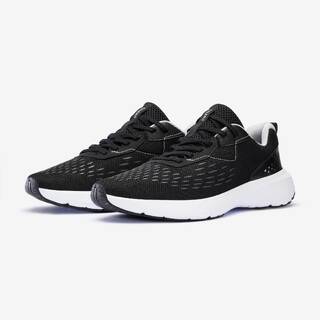
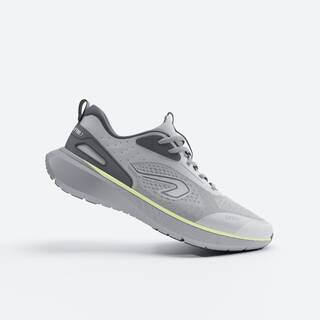
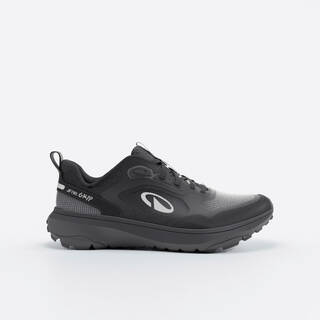

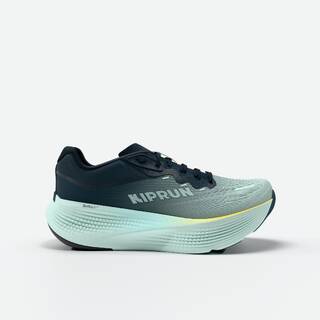
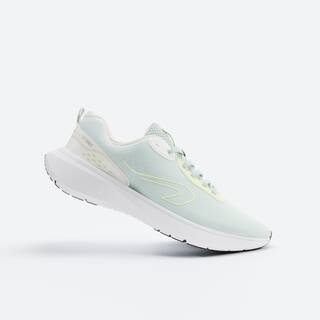
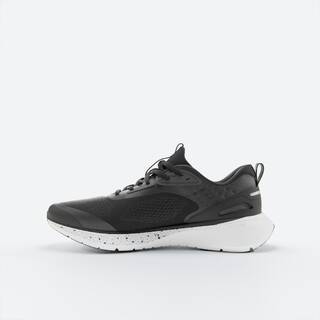
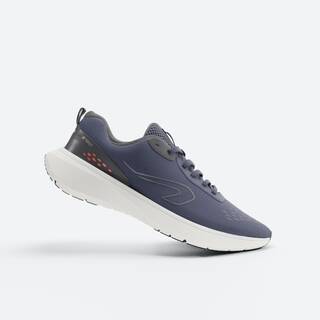
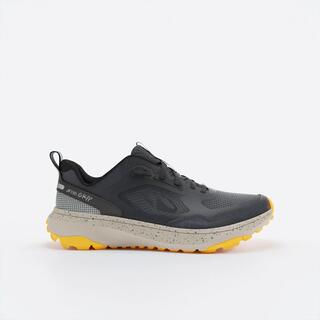
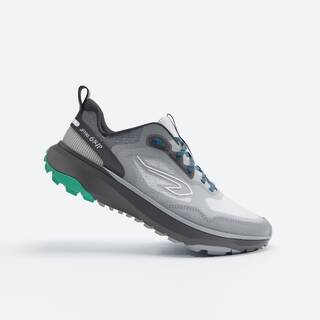
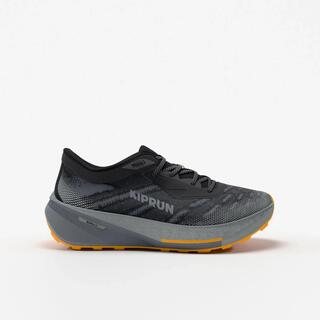
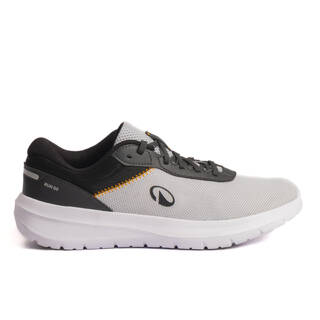
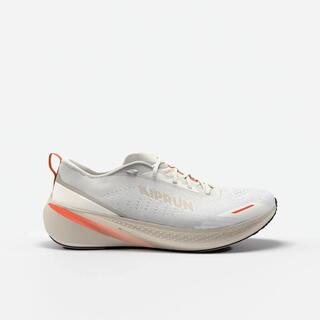
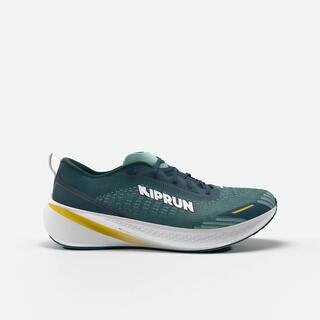
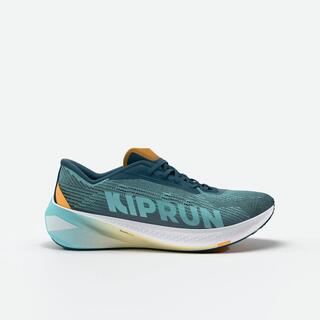
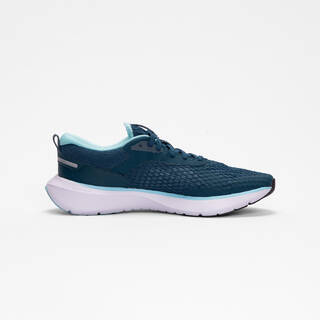
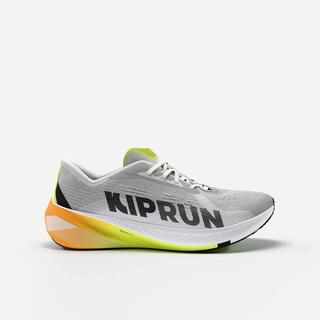
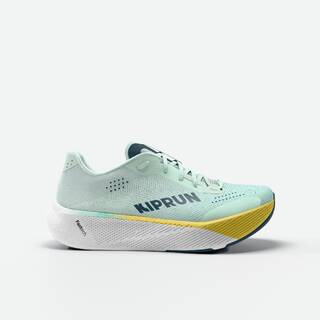
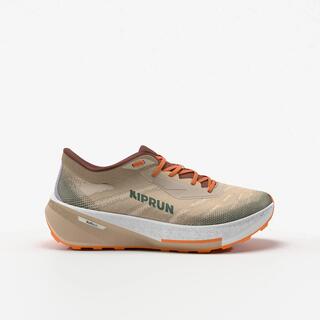
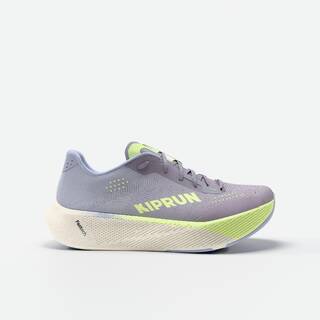


Engineered Cushioning Systems for Indian Road and Trail Running
Running on Indian concrete, asphalt, and hard-packed trails generates impact forces equivalent to 2 to 3 times your body weight with every footstrike. Decathlon running shoes deploy multiple cushioning technologies to help attenuate these repetitive shock loads. Kiprun models integrate dual-density EVA midsoles, layering softer foam in the heel strike zone and firmer foam in the forefoot for propulsion efficiency. This density gradient helps manage the transition from initial ground contact through toe-off, reducing the cumulative load transmitted to the ankle, knee, and hip joints during high-mileage training weeks.
For runners logging 40 to 60 kilometers per week on Mumbai's Marine Drive promenade or Bangalore's Cubbon Park loops, midsole durometer ratings matter. Softer foams (Shore A 45-50) compress more readily but may bottom out after 400 to 500 kilometers. Firmer compounds (Shore A 55-60) extend durability to 600-plus kilometers while sacrificing some initial plushness. Kalenji trail shoes feature 4mm outsole lug depths with multi-directional tread patterns, engineered for wet laterite soil grip during Kerala and Goa monsoon runs. The rubber compounds maintain coefficient of friction above 0.6 on rain-slicked surfaces, critical when navigating downhill sections on Lonavala or Nandi Hills trails.
Heel-to-Toe Drop Profiles and Biomechanical Gait Adaptation
Heel-to-toe drop, measured in millimeters, defines the height differential between your heel and forefoot when standing in the shoe. Traditional running shoes carry 10mm to 12mm drops, promoting heel-strike patterns common among recreational joggers. Kiprun racing flats reduce this to 4mm to 6mm, encouraging midfoot or forefoot landings that can reduce braking forces and improve cadence efficiency for experienced runners. Zero-drop models (0mm differential) demand significant calf and Achilles adaptation, requiring 8 to 12 weeks of gradual transition mileage to avoid strain.
Indian runners shifting from cushioned trainers (12mm drop) to race-day shoes (6mm drop) should limit initial outings to 3 to 5 kilometers, adding 10 percent weekly volume as the posterior chain adapts. The lower drop angle increases demand on the gastrocnemius and soleus muscles, which must absorb more eccentric loading during the stance phase. Kalenji stability shoes incorporate medial TPU posts and dual-density foam wedges to counter overpronation (excessive inward ankle roll), common among runners with flexible arches or those carrying higher body mass indexes. These features help maintain subtalar joint alignment without the rigid motion-control plates found in older orthopedic designs.
Breathable Engineered Mesh and Monsoon Moisture Management
Indian summer and monsoon conditions push footwear ventilation systems to their limits. Temperatures exceeding 38°C in Delhi, Chennai, and Hyderabad, combined with 70 to 90 percent relative humidity during June through September rains, create saturated internal shoe climates. Decathlon running shoes use engineered mesh uppers with 1mm to 2mm perforations across high-heat zones (forefoot, toe box, lateral sidewalls), facilitating convective airflow that helps evaporate perspiration before it pools inside the shoe cavity.
Kiprun road shoes integrate synthetic overlays only at structural stress points (heel counter, eyestay reinforcements, midfoot saddle), minimizing impermeable surface area. This construction reduces upper weight to 180 to 220 grams per shoe (size UK 9) while maintaining lockdown security. For monsoon trail runners, water-resistant treatments (DWR coatings) on mesh fibers repel initial rain exposure but allow internal moisture vapor to escape, preventing the clammy, blister-inducing microclimate that traps sweat. After heavy downpours, removing insoles and stuffing shoes with newspaper accelerates drying, restoring structural integrity within 12 to 18 hours at ambient room temperature.
Outsole Rubber Compounds and Indian Pavement Durability
Outsole abrasion resistance determines lifespan on India's coarse concrete sidewalks and chip-sealed asphalt roads. Carbon-infused rubber compounds in Kiprun and Kalenji shoes achieve durometer hardness ratings of Shore A 65-70, balancing grip with wear resistance. Softer rubbers (Shore A 55-60) provide superior wet traction but erode faster on rough surfaces, losing 1mm to 2mm of tread depth every 300 kilometers. Harder compounds extend this to 500-plus kilometers but sacrifice some initial tackiness on smooth marble or polished granite surfaces common in urban parks.
Strategic rubber placement reduces weight while protecting high-wear zones. Heel strike areas receive thicker 3mm to 4mm rubber coverage, absorbing the brunt of initial impact forces. Forefoot sections use thinner 2mm layers or exposed EVA foam windows, cutting 20 to 30 grams per pair without compromising push-off traction. Trail-specific models deploy 4mm to 5mm lug heights with chevron or multi-directional patterns, engineered to shed mud and maintain bite on loose gravel. Runners training on Pune's hilly terrain or Dehradun's forest paths benefit from these aggressive tread designs, which reduce slip risk on 15 to 20 percent gradient climbs during early morning dew conditions.
Fit Architecture, Heel Counters, and Lockdown Systems for Indian Foot Morphology
Indian runners exhibit diverse foot shapes, from narrow heels with wide forefeet (common in South Indian populations) to higher-volume midfoot structures. Decathlon running shoes offer multiple last shapes to accommodate this variability. Standard D-width lasts suit average-volume feet, while 2E-width options in select Kiprun models provide an additional 6mm to 8mm forefoot girth, preventing lateral compression and toenail trauma during long runs. Heel counters, the rigid cups encasing the rearfoot, use thermoplastic polyurethane (TPU) or reinforced synthetic leather to prevent excessive calcaneal motion (side-to-side heel slippage).
Internal heel counter heights range from 35mm in lightweight racers to 50mm in stability trainers, with taller structures offering greater Achilles tendon guidance. Asymmetric lacing systems, where eyelets follow the natural curve of the foot rather than straight vertical rows, distribute pressure more evenly across the instep, reducing hotspots during half-marathon and marathon distances. Kalenji shoes incorporate padded heel collars (8mm to 10mm foam thickness) that cushion the Achilles insertion point without restricting ankle dorsiflexion. Runners with prominent Achilles tendons or those recovering from tendinopathy benefit from these notched collar designs, which eliminate direct pressure on the tendon during the gait cycle's swing phase.
Kiprun and Kalenji Sub-Brand Technologies for Training vs Racing Applications
Kiprun represents Decathlon's performance-oriented running line, engineered for tempo runs, interval sessions, and race-day efforts. These shoes prioritize responsive cushioning (high energy return ratios above 60 percent) and lightweight construction (under 240 grams per shoe in men's UK 9). Kiprun racing flats use single-layer mesh uppers and minimal overlays, cutting unnecessary grams while maintaining structural integrity for 5K to half-marathon distances. The midsole geometries feature rockered toe springs (upward curvature at the forefoot), which facilitate faster roll-through transitions and reduce the muscular effort required to achieve 4:30 to 5:30 per kilometer paces.
Kalenji targets daily training volume and recreational joggers, emphasizing durability and comfort over outright speed. Thicker midsole stacks (28mm to 32mm heel heights) provide ample cushioning for runners logging easy 6:00 to 7:00 per kilometer paces on recovery days. Reinforced toe caps and abrasion-resistant overlays extend lifespan beyond 600 kilometers, making Kalenji models cost-effective choices for beginners building base mileage. Trail-specific Kalenji shoes integrate protective rock plates (TPU or EVA sheets embedded in the midsole) that shield the plantar surface from sharp stones and root impacts common on Himalayan foothill trails and Western Ghats forest paths. These plates add 15 to 20 grams per shoe but significantly reduce bruising risk during technical descents.
FAQ (Frequently Asked Questions)
Q1. What are the best Running shoes?
There are nothing as best running shoes, as it depends on person to person on which he/she is comfortable running. In Decathlon we have shoes based on the runner's need.
Q2. Are Running Shoes sports shoes?
Running shoes are ideal sports shoes that may be used for different athletic activities like walking, & running.
Q3. Can running shoes be used for Walking?
It is best to wear road shoes for casual walking on sidewalks and smooth surfaces but switch to trail shoes if walking off-road or on the muddy ground. That said, the stiffness of a walking shoe would provide better support and protection overall than a running trail shoe.
Q4. Are these shoes appropriate for people who have certain foot conditions, such as high arches or overpronation?
Yes, they are available in personalized support models and are designed to suit specific foot types and conditions.
Q5. What heel-to-toe drop should I choose for running on Indian concrete roads?
For beginners and recreational joggers running on concrete, a 10mm to 12mm drop provides comfortable heel cushioning and requires minimal gait adaptation. Experienced runners targeting faster paces can transition to 6mm to 8mm drops, which encourage midfoot striking and improved cadence. Allow 8 to 12 weeks of gradual mileage buildup when reducing drop height to let your calves and Achilles adapt to the increased loading demands.
Q6. How do I select the right shoe width for my foot shape?
Standard D-width fits average-volume feet. If you experience lateral toe pinching or toenail blackening after long runs, try 2E-width models that add 6mm to 8mm forefoot girth. Measure your foot width at the widest point (typically across the metatarsal heads) and compare against size charts. Indian runners with narrow heels and wide forefeet often benefit from lacing techniques that skip eyelets in the midfoot to customize fit.
Q7. Can I use road running shoes on monsoon trails and wet surfaces?
Road shoes with shallow tread patterns (1mm to 2mm lug depth) lose traction on wet mud and loose gravel. For monsoon trail running, choose shoes with 4mm to 5mm lugs and multi-directional tread patterns that maintain grip on rain-slicked laterite and rocky paths. Carbon-infused rubber compounds with Shore A hardness around 60-65 balance wet traction with durability on mixed terrain.
Q8. How many kilometers can I expect from Kiprun and Kalenji running shoes?
Kiprun racing models typically deliver 400 to 500 kilometers before midsole compression reduces cushioning effectiveness. Kalenji training shoes, built with denser EVA foams and reinforced outsoles, often reach 600 to 700 kilometers. Actual lifespan depends on runner weight, gait mechanics, and surface hardness. Replace shoes when you notice uneven outsole wear, visible midsole creasing, or increased joint discomfort during runs.
Q9. What cushioning technology works best for heavy runners above 85 kg?
Runners above 85 kg generate higher impact forces, requiring firmer midsole compounds (Shore A 55-60) that resist bottoming out. Look for dual-density EVA systems with firmer foam in high-load zones and thicker midsole stacks (30mm to 34mm heel heights). Stability features like medial TPU posts help control overpronation common in heavier runners. Avoid ultra-soft racing foams that compress excessively under higher body weights.
Q10. How should running shoes fit for Indian summer heat and swelling?
Feet swell 3 to 5 percent during runs in 35°C-plus heat. Leave 8mm to 12mm (roughly a thumb's width) between your longest toe and the shoe's front edge when standing. Try shoes in the evening when feet are naturally larger. Engineered mesh uppers with minimal overlays accommodate swelling better than heavily structured designs. Loosen laces slightly in the forefoot during summer runs to prevent circulation restriction.
Q11. Do I need different shoes for tempo runs versus easy recovery jogs?
Serious runners benefit from rotating shoes based on workout intensity. Use lighter Kiprun models (under 240 grams) with responsive cushioning for tempo sessions and interval workouts at 4:30 to 5:30 per kilometer paces. Reserve heavier Kalenji trainers (260 to 290 grams) with maximum cushioning for easy 6:00 to 7:00 per kilometer recovery runs. Rotation also extends shoe lifespan by allowing midsole foams to fully decompress between runs.
Q12. How do I break in new running shoes without getting blisters?
Wear new shoes for 20 to 30 minute walks before running to soften materials and identify pressure points. Start with 3 to 5 kilometer easy runs, gradually increasing distance by 10 percent weekly. Apply anti-chafe balm or petroleum jelly to known hotspot areas (heel, forefoot, arch). If blisters develop, address fit issues immediately rather than pushing through discomfort. Properly fitted shoes require minimal break-in beyond initial material flexing.
Q13. What maintenance extends the life of running shoes in humid Indian climates?
Remove insoles after each run and air-dry shoes in shaded, ventilated areas. Never machine-wash or expose to direct sunlight, which degrades midsole foams and adhesives. Stuff wet shoes with newspaper to absorb moisture and maintain shape. Rotate between two pairs to allow 24 to 48 hours drying time between runs. Clean outsoles with a soft brush to remove embedded stones and debris that accelerate rubber wear.
Q14. Are stability shoes necessary if I overpronate during running?
Mild overpronation (5 to 10 degrees inward ankle roll) is normal and often requires no correction. Moderate to severe overpronation, visible as excessive arch collapse and inward knee tracking, may benefit from medial TPU posts or dual-density foam wedges that guide the foot through a more neutral motion path. Get a gait analysis at a Decathlon store to assess your pronation pattern. Many runners overestimate their need for stability features.