Sports Sunglasses


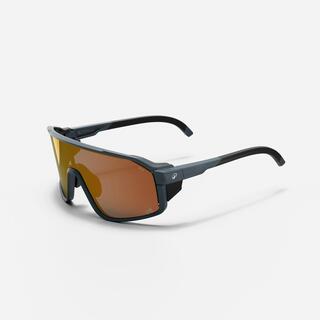


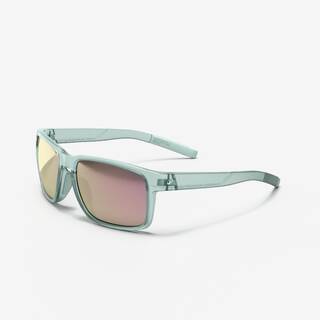


Polycarbonate Lens Impact Resistance and UV400 Filtration for Indian High-Altitude and Coastal Glare
Sports sunglasses engineered for Indian athletic conditions must deliver dual-layer protection: shatterproof polycarbonate lens construction rated to withstand high-velocity impacts (meeting ANSI Z87.1 or EN ISO 12312-1 standards), and complete UV400 filtration blocking 100% of UVA and UVB radiation below 400 nanometers. Polycarbonate offers 10 times the impact resistance of standard CR-39 resin lenses, critical for trail running through rocky Himalayan switchbacks, MTB descents on loose gravel, or beach volleyball under direct coastal sun. UV400 certification ensures retinal protection during prolonged exposure at altitudes above 2,500 meters where UV intensity increases by approximately 10% per 1,000-meter elevation gain, or during open-water swimming and cycling across reflective asphalt surfaces that amplify glare by 15 to 25%.
Decathlon's Quechua MH500 and MH580 hiking sunglasses integrate polycarbonate lenses with hydrophobic coatings that repel monsoon rain droplets and sweat mist, maintaining optical clarity during high-humidity treks through Western Ghats cloud forests or Meghalaya trails. Category 3 lenses (transmitting 8 to 18% visible light) suit general outdoor sports under bright Indian sun, while Category 4 lenses (transmitting 3 to 8% visible light) are reserved for high-altitude mountaineering above 4,000 meters or glacier crossings where snow reflection can double ambient light intensity. Lens thickness ranges from 1.8mm to 2.2mm across sport-specific models, balancing optical distortion control with weight reduction for extended wear comfort during ultra-distance events or multi-pitch climbing sessions.
Grilamid TR90 Frame Flexibility and Rubber Nose Pad Grip Under Sweat Saturation
Frame material selection directly impacts stability during high-cadence running, explosive lateral movements in badminton, or sustained vibration on rough gravel roads. Grilamid TR90 thermoplastic frames offer superior elasticity compared to acetate or standard nylon, flexing under stress without permanent deformation and returning to original geometry after impact. This memory retention prevents temple arm loosening during repeated on-off cycles across training weeks. TR90's tensile strength (approximately 120 MPa) withstands the torsional forces generated when frames are stuffed into jersey pockets or backpack side pockets without cracking, a common failure point for budget acetate models after 50 to 100 compression cycles.
Nose pad design becomes critical under Indian summer heat and monsoon humidity. Adjustable silicone or thermoplastic rubber (TPR) nose pads with textured surface patterns increase friction coefficient even when saturated with sweat, preventing downward slide during hill repeats or tempo runs. Decathlon's Kiprun and Kalenji running sunglasses feature dual-position nose pads allowing 2mm to 3mm height adjustment to accommodate varied nasal bridge profiles across Indian facial anthropometry. Temple tips use co-molded rubber inserts extending 40mm to 60mm along the arm length, distributing pressure across a larger contact area behind the ears to eliminate hotspots during 90-minute trail runs or 4-hour century rides. Frame weight between 22 grams and 28 grams maintains the balance between durability and all-day wearability without causing temporal pressure headaches common with heavier 35-gram-plus models.
Photochromic and Polarized Lens Technologies for Variable Light Conditions and Water Glare Reduction
Photochromic lenses adapt to changing light intensity through embedded silver halide or organic photochromic molecules that darken when exposed to UV radiation, transitioning from Category 1 (43 to 80% light transmission) in shaded forest trails to Category 3 (8 to 18% transmission) under open sun within 30 to 60 seconds. This automatic adjustment eliminates the need to swap lenses during dawn-to-midday long runs or alpine starts that begin in pre-dawn darkness and climb into full sun exposure above the tree line. Photochromic reaction speed depends on ambient temperature, with optimal performance between 15°C and 25°C. In hot Indian plains exceeding 38°C, photochromic darkening may reach only 70% of maximum tint depth, a consideration for summer training blocks in Rajasthan or Deccan Plateau regions.
Polarized lenses integrate a vertical-orientation filter layer that blocks horizontally oscillating light waves reflected off water surfaces, wet roads, or car windshields, reducing glare intensity by 90% or more. For open-water swimmers, triathletes, and coastal cyclists, polarization cuts through surface glare on Arabian Sea or Bay of Bengal waters, improving depth perception and hazard identification. Polarized optics are essential for fishing, kayaking, and SUP paddling where subsurface visibility determines navigation and catch success. However, polarization can interfere with LCD screen readability on cycling computers or smartphone displays, requiring a tilt adjustment of 30 to 45 degrees to restore contrast. Decathlon's Quechua MH590 photochromic polarized sunglasses combine both technologies, offering adaptive tint with glare reduction for mixed-terrain trekking across snow patches, river crossings, and exposed ridgelines where light conditions shift every 15 to 20 minutes.
Interchangeable Lens Systems and Ventilation Architecture for Fog Prevention in Humid Climates
Multi-lens systems allow athletes to optimize optical performance across diverse conditions without purchasing separate eyewear. Quick-release mechanisms using snap-fit tabs or magnetic coupling enable lens swaps in under 10 seconds, practical for stage races or adventure events transitioning from forest canopy to open desert. A typical three-lens kit includes: clear lenses (85 to 90% transmission) for night rides or overcast monsoon runs, amber or rose-tinted lenses (40 to 60% transmission) that enhance contrast on flat-light days or fog-shrouded trails, and dark smoke or mirror-coated lenses (10 to 15% transmission) for high-intensity sun exposure. Lens retention systems must maintain secure lockdown under vibration, tested through 30-minute sessions on corrugated dirt roads or technical singletrack descents.
Fog formation occurs when warm, moist air from respiration or skin evaporation contacts cooler lens surfaces, condensing into micro-droplets that scatter light and obscure vision. Sports sunglasses combat fogging through three engineering approaches: anti-fog hydrophilic coatings that spread moisture into an invisible film rather than discrete droplets, direct airflow ventilation through frame perforations or brow vents that channel ambient air across the inner lens surface, and dual-pane lens construction creating an insulating air gap similar to double-glazed windows. Decathlon's Rockrider XC and Van Rysel cycling sunglasses incorporate 6mm to 8mm ventilation slots along the upper frame edge, generating passive airflow at speeds above 15 km/h that prevents condensation during climbs in humid Western Ghats or Aravalli hill stations. For low-speed activities like hiking or yoga, hydrophilic coatings provide the primary fog defense, maintaining clarity during rest stops or transition zones where airflow drops to zero.
Wraparound Geometry and Peripheral Coverage for Wind Protection and Lateral Light Blocking
Wraparound lens curvature extends peripheral coverage beyond the standard 120-degree frontal field, blocking lateral wind currents and oblique sunlight that cause eye fatigue and tearing during high-speed descents or headwind cycling. Base curve measurement (the arc radius of the lens) ranges from 6-base (relatively flat, 50mm radius) to 9-base (aggressive wrap, 70mm radius). Higher base curves provide superior wind sealing but introduce optical distortion at the peripheral edges due to increased lens angle relative to the eye's line of sight. For road cycling and running where forward vision dominates, 8-base curvature balances protection with minimal prismatic distortion. For MTB, trail running, and multi-directional court sports, 7-base designs reduce peripheral blur during rapid head turns to track opponents or scan technical terrain.
Decathlon's Kipsta football and Artengo tennis sunglasses use semi-wraparound profiles with 130-degree horizontal coverage, sufficient to block sideline glare without the claustrophobic tunnel vision of extreme 9-base racing models. Lens height (vertical dimension) between 42mm and 48mm ensures lower-rim clearance above cheekbones, preventing frame contact during high-cadence breathing or when looking down at technical footing. For ultra-endurance athletes facing 12-hour-plus exposure, full-perimeter foam gaskets (removable for ventilation) seal gaps between frame and face, blocking dust infiltration on Ladakh gravel roads or Rann of Kutch salt flats where airborne particulates cause corneal irritation. Gasket material uses open-cell foam that wicks moisture away from skin contact zones, preventing the soggy buildup common with closed-cell EVA foams after 3 hours of continuous sweating.
Sport-Specific Lens Tints and Mirror Coatings for Contrast Enhancement Across Terrain Types
Lens tint selection influences contrast perception, depth judgment, and visual fatigue across different surface textures and lighting conditions. Gray or smoke tints provide neutral color rendering, preserving true color perception critical for road cycling where traffic signal recognition and pavement hazard identification depend on accurate hue discrimination. Brown and amber tints enhance contrast in variable light, boosting definition of trail ruts, root networks, and rock edges by filtering blue light wavelengths that scatter more readily in atmosphere. This makes amber lenses ideal for forest trail running, MTB singletrack, and overcast-day hiking where subtle terrain features determine foot placement and line choice.
Rose and copper tints excel in flat-light conditions (heavy overcast, fog, dawn/dusk) by amplifying red and orange wavelengths, sharpening the contrast between shadows and highlights on monochromatic surfaces like wet concrete or gray granite slabs. Yellow lenses maximize light transmission (65 to 85%) while enhancing contrast, suitable for night trail running with headlamps or early-morning commutes in low-lux conditions. Mirror coatings (available in silver, blue, red, or gold) reflect 10 to 60% of incident light before it reaches the base tint layer, reducing total light transmission by an additional 5 to 15% compared to non-mirrored lenses of the same base color. Decathlon's Quechua and Forclaz trekking sunglasses offer mirror-coated Category 3 lenses combining glare reduction with contrast enhancement for alpine environments where snow, rock, and sky create extreme brightness differentials exceeding 10,000-lux intensity swings within a single sight line.
FAQ (Frequently Asked Questions)
Q1. What is the difference between Category 3 and Category 4 lenses, and which should I choose for Himalayan trekking?
Category 3 lenses transmit 8 to 18% of visible light and suit general mountain trekking, trail running, and cycling under bright sun between 2,000 and 4,500 meters elevation. Category 4 lenses transmit only 3 to 8% of light, designed exclusively for high-altitude mountaineering above 4,500 meters, glacier travel, or snow climbing where reflected UV and visible light intensity can exceed 100,000 lux. Category 4 lenses are too dark for safe road use or forest trails and should be reserved for extreme alpine environments with continuous snow or ice reflection.
Q2. How do I prevent sports sunglasses from sliding down my nose during monsoon runs in high humidity?
Choose models with adjustable silicone or TPR nose pads featuring textured grip patterns that maintain friction when saturated with sweat. Grilamid TR90 frames with co-molded rubber temple tips provide additional stability by distributing pressure behind the ears. For extreme humidity conditions, apply a thin layer of anti-slip eyewear wax or sports-specific grip gel to nose pad contact zones before runs, reapplying every 60 to 90 minutes during ultra-distance events.
Q3. Can I use polarized sunglasses for road cycling, or will they interfere with my bike computer screen?
Polarized lenses can reduce LCD screen contrast on some cycling computers and smartphones due to interference between the polarizing filter and the screen's liquid crystal orientation. Most modern bike computers use transflective or high-brightness displays that remain readable, but you may need to tilt your head 30 to 45 degrees to restore full contrast. Test your specific device with polarized lenses before committing to long rides, or choose non-polarized photochromic lenses if screen readability is critical for navigation or power-based training.
Q4. What lens tint works best for trail running in Western Ghats forests with variable canopy cover?
Amber or rose-tinted lenses with 40 to 60% light transmission enhance contrast in mixed shade and sunlight by filtering blue wavelengths that scatter under tree canopy. Photochromic lenses that transition from Category 1 to Category 3 provide optimal adaptability for trails alternating between dense forest sections and open ridgeline exposure. Avoid dark smoke or Category 4 lenses that reduce visibility to unsafe levels in shaded forest segments where root networks and rock steps require precise depth perception.
Q5. How do I clean anti-fog and hydrophobic coatings without damaging the lens surface?
Rinse lenses under lukewarm tap water to remove dust and grit particles before wiping. Use a microfiber cleaning cloth (not cotton t-shirts or paper towels) with a pH-neutral lens cleaning solution, applying gentle circular motions without pressing hard. Avoid alcohol-based cleaners, acetone, or ammonia products that degrade anti-fog and hydrophobic coatings over 20 to 30 cleaning cycles. Store sunglasses in a hard-shell case when not in use to prevent scratches from contact with keys, zippers, or other gear in backpacks.
Q6. Are Grilamid TR90 frames more durable than standard plastic frames for rough trail use?
Yes, Grilamid TR90 offers approximately 120 MPa tensile strength and superior elastic memory compared to standard nylon or acetate, flexing under impact without permanent deformation. TR90 frames withstand repeated compression cycles when stored in jersey pockets or stuffed into backpack side pockets, maintaining temple arm alignment after 100-plus on-off cycles. This makes TR90 ideal for MTB, trail running, and trekking where frames endure vibration, branch strikes, and rough handling across multi-day expeditions.
Q7. Do I need different sunglasses for cycling versus running, or can one pair work for both sports?
A single pair with 8-base wraparound geometry, adjustable nose pads, and interchangeable lenses can serve both activities if you prioritize versatility. However, dedicated cycling sunglasses often feature more aggressive 9-base wrap for high-speed wind protection and larger lens height for better peripheral coverage in the riding position, while running-specific models use lighter frames (22 to 25 grams) and less wrap to reduce bounce and pressure during foot-strike impacts. If you train seriously in both disciplines, sport-specific models optimize performance for each biomechanical demand.
Q8. What frame weight should I target for ultra-distance trail running events lasting 8 hours or more?
Frame weight between 22 and 26 grams minimizes temporal pressure and bounce during sustained running, reducing cumulative fatigue over 50-plus kilometers. Heavier frames above 30 grams can cause pressure headaches and nose bridge soreness after 4 to 5 hours of continuous wear. Prioritize Grilamid TR90 construction with minimalist temple arms and frameless lower-rim designs that shed weight without sacrificing structural integrity or lens retention security during high-impact descents.
Q9. How does lens base curve affect optical clarity and peripheral vision for trail running?
Higher base curves (8-base to 9-base) provide superior wraparound coverage and wind protection but introduce prismatic distortion at the peripheral lens edges due to increased angle between the lens surface and your line of sight. For trail running requiring frequent head turns and rapid terrain scanning, 7-base to 8-base curvature balances peripheral coverage with minimal optical distortion. Flat 6-base lenses offer the clearest optics but sacrifice wind sealing and lateral light blocking, making them better suited for casual wear than high-intensity trail sports.
Q10. Can I wear sports sunglasses over prescription glasses, or should I invest in prescription sports sunglasses?
Over-the-glasses (OTG) sports sunglasses with extended temple clearance and deeper lens cavities can accommodate most prescription frames, but they add bulk, weight, and potential pressure points during long activities. For serious training and racing, prescription sports sunglasses with direct Rx lens integration (available through Decathlon's optical services) provide better fit, reduced weight, and elimination of the dual-frame pressure zones that cause discomfort after 90 minutes of wear. OTG models work well for occasional use or backup eyewear during multi-day expeditions.