Table Tennis Rackets

Pongori Table Tennis Rackets: Blade Construction, Rubber Composition, and ITTF Compliance for Indian Players
Pongori table tennis rackets are engineered with precision-milled plywood blade cores, typically constructed from 5-ply or 7-ply composite wood layers (basswood, limba, or ayous) that deliver specific flex characteristics and ball dwell time. The blade thickness ranges from 5.5mm to 6.5mm, directly influencing the speed rating (measured on a 1 to 100 scale) and control coefficient. Entry-level blades use softer wood combinations for extended contact time, allowing beginners to develop stroke mechanics and spin generation without excessive rebound velocity. Advanced blades integrate carbon fiber or arylate composite layers positioned between wood plies, increasing stiffness and accelerating ball exit speed for aggressive topspin loops and counter-attacks.
Rubber composition on Pongori rackets follows ITTF regulations, with pimpled topsheets bonded to sponge underlays ranging from 1.5mm to 2.2mm thickness. Sponge density (measured in degrees on the Shore hardness scale, typically 35 to 50 degrees) determines energy return and spin potential. Softer sponges (35-40 degrees) compress more deeply, generating higher spin rates through increased contact deformation, while harder sponges (45-50 degrees) produce faster linear speed with reduced spin sensitivity. Pre-assembled Pongori rackets use factory-glued rubbers with water-based adhesives, eliminating the need for speed glue banned under ITTF volatile organic compound restrictions. Indian players training in high-humidity coastal regions (Mumbai, Chennai) benefit from rubbers with hydrophobic topsheet treatments that resist moisture absorption, maintaining consistent grip and friction coefficients even during extended rally exchanges in non-air-conditioned halls.
Blade handle shapes on Pongori rackets include flared (FL), straight (ST), and anatomic (AN) profiles, each affecting grip stability and wrist rotation freedom. Flared handles widen at the base, preventing slippage during fast forehand drives and backhand blocks. Straight handles offer uniform diameter, facilitating rapid grip adjustments for penhold players or shakehand players executing quick serve variations. Anatomic handles feature contoured thumb and finger recesses, locking the hand position for consistent stroke plane alignment. Handle wood is typically sanded to 400-grit smoothness and finished with matte lacquer, providing tactile feedback without palm slippage during sweat accumulation in India's tropical indoor conditions.
Star Rating System: Matching Blade Speed, Rubber Tackiness, and Control Ratings to Skill Progression
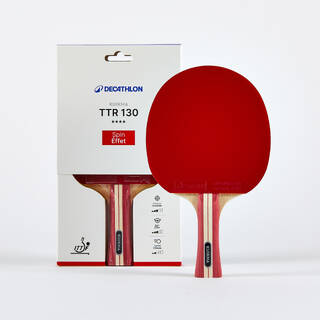
Pongori employs a 1-star to 5-star rating system that correlates blade speed, rubber tackiness, and control balance to player skill levels. 1-star and 2-star rackets use all-wood blades (typically 5-ply basswood) with 1.5mm to 1.8mm sponge rubbers, producing speed ratings between 40 and 60 on the manufacturer scale. These rackets prioritize control over speed, with longer ball contact duration (measured in milliseconds) that allows beginners to develop proper stroke mechanics, footwork timing, and basic topspin brushing technique. The rubber topsheet on entry-level models uses non-tacky or low-tackiness compounds, reducing unintended spin pickup from opponent shots and simplifying return consistency for players learning fundamental push, drive, and block strokes.
3-star rackets introduce composite blade construction with carbon or fiberglass reinforcement layers, elevating speed ratings to 65-75 range while maintaining moderate control coefficients. Sponge thickness increases to 1.8mm to 2.0mm, and rubber topsheets transition to medium-tackiness compounds that generate enhanced spin on service and loop strokes. These rackets suit intermediate players developing advanced techniques like sidespin serves, fast topspin rallies, and counter-looping exchanges. The blade's increased stiffness reduces energy loss during high-speed impacts, translating more kinetic energy into ball velocity without requiring excessive swing force.
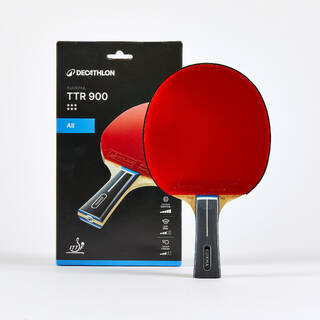
4-star and 5-star Pongori rackets utilize 7-ply composite blades with dual carbon layers or arylate-carbon hybrid construction, achieving speed ratings above 80 with maximum sponge thickness (2.0mm to 2.2mm). Rubber topsheets employ high-tackiness compounds with micro-textured pimple patterns that grip the ball surface, generating spin rates exceeding 50 revolutions per second on professional-level loop strokes. These rackets demand precise stroke mechanics and accelerated swing speeds, as the reduced dwell time (shorter contact duration) leaves minimal margin for timing errors. Advanced players in Indian state-level and national tournaments use these specifications to execute fast third-ball attacks, powerful forehand loops from mid-distance, and quick backhand flicks against short serves.
Rubber Maintenance in High-Humidity Indian Climates: Cleaning Protocols, Storage, and Tackiness Preservation
Table tennis rubber performance degrades rapidly in India's high-humidity environments (relative humidity often exceeding 70% in monsoon months) due to dust adhesion, oxidation, and tackiness loss. Pongori rubbers require post-session cleaning with dedicated rubber cleaners (water-based surfactant solutions) applied via microfiber sponges. The cleaning process removes dust particles, sweat salts, and atmospheric pollutants that embed in the pimpled topsheet, restoring friction coefficients critical for spin generation. After cleaning, rubbers must air-dry completely (typically 2-3 minutes) before applying protective plastic films that prevent oxidation and dust re-accumulation during storage.
Storage protocols significantly impact rubber longevity in Indian conditions. Rackets should never be stored in direct sunlight or vehicle interiors, where temperatures can exceed 50°C, causing sponge compression set (permanent deformation) and topsheet hardening. Optimal storage involves climate-controlled environments (20-25°C, 40-60% relative humidity) with rackets stored horizontally in protective cases. Players training in non-air-conditioned halls should transport rackets in insulated cases with silica gel packets to buffer humidity fluctuations. Rubber tackiness naturally decreases over 6-12 months of regular use (3-4 sessions per week) as topsheet compounds oxidize and pimple structures wear down from repeated ball impacts.
Rubber replacement becomes necessary when topsheet tackiness diminishes noticeably, pimple tips flatten, or sponge develops visible compression marks. Pre-assembled Pongori rackets allow full rubber replacement by carefully peeling off old rubbers and applying new sheets with water-based glues. Players upgrading to custom rubber combinations should match sponge hardness and thickness to their stroke style: defensive choppers use softer, thicker sponges (1.8-2.0mm, 35-38 degrees hardness) for maximum spin reversal, while aggressive attackers prefer harder, thinner sponges (1.5-1.8mm, 42-48 degrees hardness) for faster linear speed and reduced spin sensitivity during counter-attacks.
Blade Grip Styles: Shakehand vs Penhold Ergonomics, Wrist Biomechanics, and Stroke Versatility
Shakehand grip dominates modern table tennis, with the blade handle positioned in the palm like a handshake, thumb resting on the forehand rubber, and index finger curled on the backhand rubber. This grip enables symmetrical forehand and backhand strokes with equal power potential and spin generation. Pongori shakehand rackets feature handles 100-105mm in length with flared or anatomic profiles that lock the hand position, preventing rotation during fast exchanges. The grip allows full wrist flexion and extension (approximately 70-80 degrees range of motion), critical for executing modern topspin loops that require rapid wrist snap at ball contact to maximize spin rates.
Penhold grip, prevalent among Asian players and gaining adoption in Indian junior development programs, involves gripping the handle like a pen, with thumb and index finger pinching the blade face while remaining three fingers curl behind the blade. Traditional Chinese penhold uses all three fingers flat against the backhand rubber, limiting backhand stroke power but enabling explosive forehand attacks with extreme wrist pronation. Japanese/Korean penhold curls the three fingers into a fist, allowing reverse penhold backhand (RPB) strokes that generate topspin using the backhand rubber face. Pongori offers penhold-specific handles (shorter length, 90-95mm, with straight or conical profiles) that accommodate the compressed grip and facilitate rapid wrist rotation during forehand pivot footwork.
Grip selection impacts stroke biomechanics and tactical versatility. Shakehand players develop balanced all-court games with strong backhands from the table and mid-distance forehand loops. Penhold players typically favor forehand-dominant tactics, using aggressive footwork to run around backhands and execute powerful forehand attacks from wide angles. Indian players transitioning from recreational to competitive play should test both grips during trial sessions, evaluating comfort during multi-ball drills, serve variations, and rapid exchange simulations. Grip changes after initial skill development prove difficult due to ingrained muscle memory patterns, making early grip selection critical for long-term technical progression.
ITTF Regulations, Rubber Color Compliance, and Tournament-Legal Specifications for Competitive Play
International Table Tennis Federation (ITTF) regulations mandate specific racket construction standards for sanctioned competition. Blade thickness cannot exceed 85% wood composition (allowing maximum 15% carbon, fiberglass, or aramid fiber reinforcement), ensuring the sport maintains its traditional wood-based character and ball control requirements. Rubber thickness (sponge plus topsheet) cannot exceed 4.0mm per side, with topsheet pimples facing outward (pips-out) or inward (pips-in/inverted). Pongori competition-grade rackets comply with these specifications, using ITTF-approved rubber compounds listed on the federation's official equipment registry.
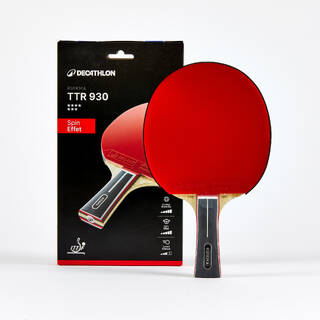
Rubber color regulations require one side red and the opposite side black, allowing opponents and umpires to identify which rubber contacts the ball during play. This rule prevents deceptive tactics using identical-colored rubbers with vastly different playing characteristics (one highly spinny, one non-spinny). Pongori rackets feature clearly contrasting red and black rubbers, with some models offering reversed color configurations (red on backhand, black on forehand) to match player preferences. Blade edges must display visible wood grain or approved edge tape, and no surface treatments (wax, polish, volatile solvents) are permitted that alter friction characteristics.
Tournament players must present rackets for umpire inspection before matches, verifying rubber color contrast, ITTF logo presence on rubber topsheets, and absence of physical damage (torn rubbers, delaminated sponge, cracked blades). Indian players competing in state-level tournaments under Table Tennis Federation of India (TTFI) jurisdiction follow identical ITTF equipment standards. Racket specifications remain consistent from district-level competitions through national championships and international events, ensuring skill development on legal equipment transfers directly to competitive performance without equipment-related disqualifications or adjustments.
Training Racket Selection for Indian School Programs, Coaching Academies, and Recreational Club Players
School physical education programs and beginner coaching academies in India require durable, cost-effective rackets that withstand heavy use across multiple students while maintaining consistent playing characteristics. Pongori 1-star and 2-star rackets serve this purpose with reinforced blade construction (extra wood plies or fiberglass backing layers) and thicker topsheet rubbers (0.8-1.0mm topsheet thickness) that resist tearing during mishits and edge contacts. These training rackets use non-tacky rubber compounds that simplify cleaning (requiring only damp cloth wiping rather than specialized cleaners) and extend usable lifespan to 12-18 months under daily institutional use.
Coaching academies developing competitive junior players (under-12 through under-19 age groups) should provide progression pathways matching racket specifications to skill milestones. Beginners (0-6 months training) use 1-star rackets focusing on stroke fundamentals and footwork patterns. Intermediate players (6-18 months training) transition to 3-star rackets as they develop consistent topspin loops and service variations. Advanced juniors (18+ months training, competing in district/state tournaments) require 4-star or custom-assembled rackets with player-specific rubber combinations matching their tactical styles (aggressive loopers, defensive choppers, all-round blockers).
Recreational club players training 2-3 times weekly for fitness and social engagement benefit from 2-star to 3-star Pongori rackets that balance performance and durability. These players typically lack the stroke speed and spin generation to fully utilize 5-star racket capabilities, and the increased control characteristics of mid-range rackets improve rally consistency and playing enjoyment. Club environments in Indian metros (Bangalore, Delhi, Pune) often feature concrete floors and basic lighting, making racket durability and visible ball tracking more critical than maximum speed ratings. Rackets with slightly thicker handles (flared profiles with 34-36mm base diameter) suit recreational players with larger hand sizes common in adult populations, reducing grip fatigue during extended playing sessions.
FAQ (Frequently Asked Questions)
Q1. What is the difference between 3-star and 5-star table tennis rackets for intermediate players in India?
3-star rackets use 5-ply or composite blades with 1.8-2.0mm sponge rubbers, producing moderate speed (65-75 rating) and higher control for developing topspin and service techniques. 5-star rackets feature 7-ply carbon-reinforced blades with 2.0-2.2mm maximum sponge thickness, generating speed ratings above 80 with reduced control margins that demand precise stroke mechanics. Intermediate players should use 3-star rackets until they consistently execute fast topspin loops and third-ball attacks in practice rallies.
Q2. How often should I replace table tennis rubbers in Mumbai's humid climate?
Rubbers degrade faster in high-humidity coastal environments, typically requiring replacement every 6-9 months with regular use (3-4 sessions weekly). Clean rubbers after each session with water-based cleaners and store with protective films in climate-controlled spaces. Replace rubbers when tackiness diminishes noticeably, pimple tips flatten, or you observe reduced spin generation on loop strokes compared to fresh rubbers.
Q3. Can beginners use 5-star rackets, or should they start with 1-star models?
Beginners must start with 1-star or 2-star rackets that offer extended ball contact time and lower rebound speed, allowing proper stroke development without excessive ball velocity. 5-star rackets produce such high speed and reduced dwell time that beginners cannot control ball placement or develop correct technique. Progress to 3-star after mastering basic drives and pushes, then to 4-star or 5-star only after consistent topspin loop execution in competitive rallies.
Q4. What blade thickness and sponge hardness should defensive players use in India?
Defensive choppers require softer blades (5-ply all-wood, 5.5-6.0mm thickness) with thicker, softer sponges (1.8-2.0mm, 35-38 degrees Shore hardness) that maximize spin reversal and control during backspin chops. Softer sponges compress deeply on ball contact, increasing dwell time and allowing precise spin manipulation. Pair with medium-tackiness rubbers that grip incoming topspin and reverse it effectively during defensive strokes from mid-distance or far-from-table positions.
Q5. Are Pongori rackets ITTF approved for state-level tournaments under TTFI rules?
Yes, Pongori competition-grade rackets (3-star and above) use ITTF-approved rubbers listed on the federation's official registry and comply with blade composition rules (minimum 85% wood). Rackets feature required red and black rubber color contrast and meet thickness regulations (maximum 4.0mm rubber per side). Verify rubber ITTF logos are visible before tournament registration and ensure no physical damage that could cause disqualification during pre-match inspections.
Q6. How do I choose between flared, straight, and anatomic handle shapes?
Flared handles widen at the base, preventing slippage during powerful forehand drives and suiting players with aggressive topspin styles. Straight handles offer uniform diameter for rapid grip adjustments, ideal for penhold players or those frequently changing grip pressure during serves. Anatomic handles feature contoured recesses that lock hand position, providing maximum consistency for shakehand players executing repetitive stroke patterns. Test each shape during multi-ball drills to assess comfort and grip security.
Q7. What is the correct way to clean table tennis rubbers after playing in dusty Indian sports halls?
Apply water-based rubber cleaner (surfactant solution) to a damp microfiber sponge and wipe rubbers in circular motions, removing dust and sweat residue embedded in pimples. Allow rubbers to air-dry completely (2-3 minutes) before applying protective plastic films. Never use alcohol-based cleaners or abrasive cloths that damage topsheet compounds. Clean after every session to maintain tackiness and friction coefficients critical for spin generation.
Q8. Can I use the same racket for both practice and tournaments, or do I need separate rackets?
Competitive players should maintain separate practice and match rackets to preserve tournament racket rubber freshness and tackiness. Practice rackets endure higher wear from multi-ball drills and repetitive stroke training, while match rackets see limited use only during competitive play. Store match rackets in climate-controlled cases with protective films and reserve them exclusively for tournament days to ensure optimal rubber performance during critical points.
Q9. What speed rating should junior players (under-15) use when starting competitive training?
Junior players beginning competitive training (6-12 months experience) should use rackets with speed ratings between 60-70, typically found in 2-star to 3-star models. This range provides sufficient speed for developing fast topspin loops while maintaining control margins that allow consistent ball placement during rallies. Progress to speed ratings above 75 only after demonstrating consistent stroke mechanics and footwork patterns in practice match simulations against similarly skilled opponents.
Q10. Do carbon fiber blades really make a significant difference compared to all-wood blades?
Carbon fiber layers positioned between wood plies increase blade stiffness by 30-40%, reducing energy loss during ball impact and accelerating ball exit speed. This produces faster linear velocity with shorter contact duration, benefiting aggressive players executing quick counter-attacks and fast topspin loops. All-wood blades offer longer dwell time and enhanced feel, suiting players developing spin variation and placement control. Carbon blades demand faster swing speeds and precise timing, making them suitable only for intermediate to advanced players.