Trackpants & Joggers

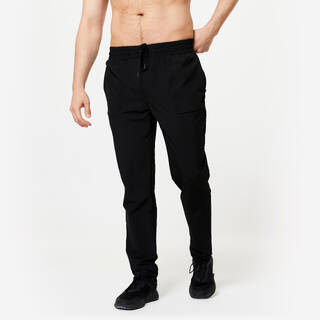
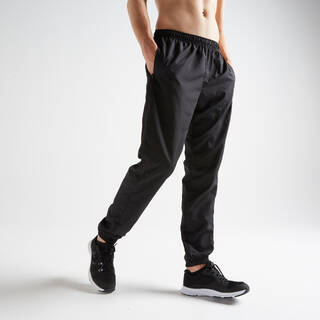

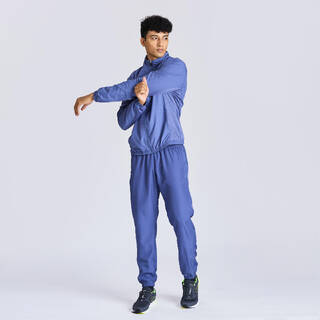
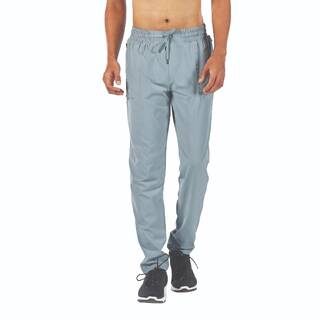
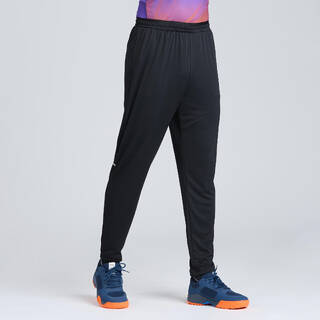
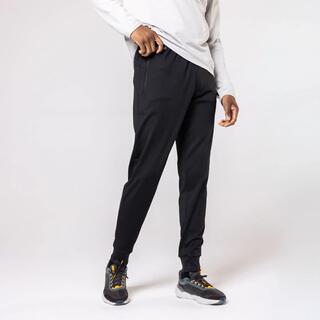
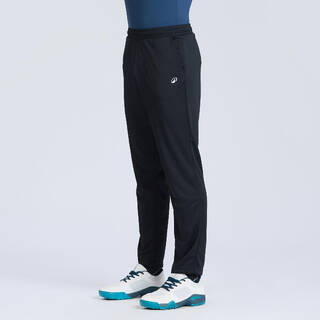
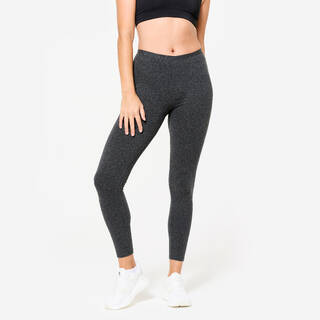
Fabric Engineering and GSM Weight Selection for Indian Training Conditions
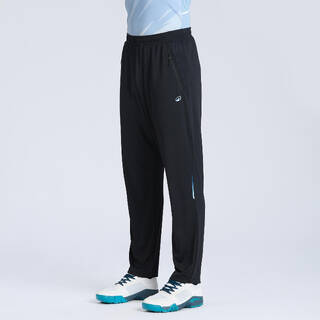
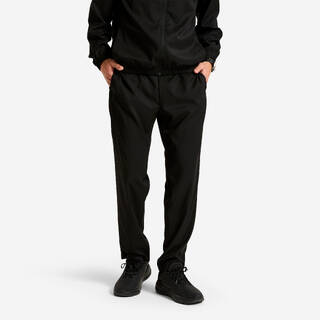
Trackpants and joggers for Indian athletic contexts demand precise fabric weight calibration. Lightweight training joggers typically sit at 180 to 220 GSM (grams per square meter), delivering breathability for high-humidity coastal cities like Mumbai and Chennai. Heavier winter joggers range from 260 to 320 GSM, incorporating brushed fleece interiors for early morning runs in Delhi or Bangalore cold snaps. Cotton-polyester blends at 200 GSM strike a balance between moisture evacuation and thermal retention, suitable for year-round gym sessions and outdoor circuits.
Domyos and Kalenji joggers utilize engineered knit structures with elastane percentages between 5% and 10%, ensuring four-way stretch without fabric bagging at the knees. Flatlock offset stitching eliminates chafing during high-rep squats, lunges, and sprint intervals. French terry constructions (looped interior, smooth exterior) wick sweat away from skin while maintaining a soft hand feel. For monsoon training, synthetic blends with polyester content above 70% dry 40% faster than pure cotton equivalents, critical for back-to-back workout days in humid conditions.
Waistband Construction, Drawcord Retention, and Pocket Functionality for Multi-Sport Use
Elastic waistband widths between 35mm and 50mm distribute pressure evenly across the lower abdomen, preventing roll-down during burpees or box jumps. Covered elastic waistbands (fabric-wrapped rather than exposed rubber) resist degradation from sweat salts and repeated washing cycles. Adjustable flat drawcords with metal or reinforced plastic aglets lock waist fit securely, crucial for outdoor runs where joggers must stay in place without constant adjustment.
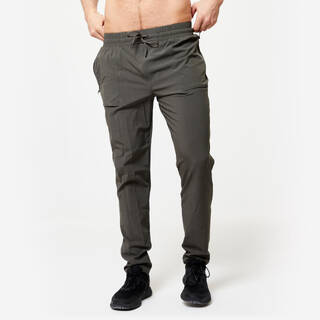
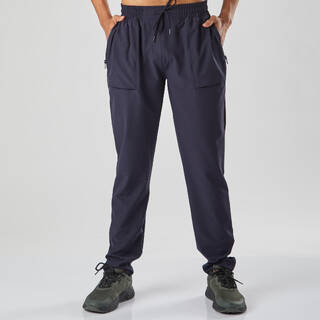
Zippered side pockets with internal mesh linings secure smartphones, keys, and wallets during treadmill intervals or park workouts. Rear zippered pockets on Domyos fitness joggers add storage for gym locker tokens or resistance bands. Pocket depth of 18 to 22 cm accommodates modern smartphone dimensions (6.5-inch screens) without items bouncing out during dynamic movements. Reinforced bartack stitching at pocket stress points extends durability beyond 200 wash cycles, matching the lifespan of the garment itself.
Ankle Taper, Cuff Design, and Leg Mobility for Strength Training and Running Biomechanics
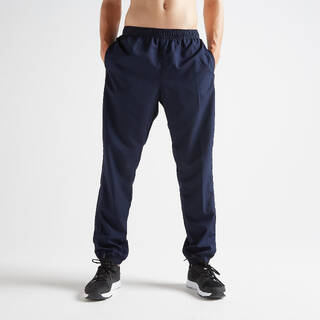
Tapered joggers narrow from a 28 to 32 cm thigh circumference down to a 14 to 16 cm ankle opening, reducing fabric drag during sprints and preventing snagging on gym equipment. Ribbed ankle cuffs with 2x2 rib knit structures maintain elasticity over 500+ wear cycles, staying snug without cutting circulation. Straight-leg joggers with wider 18 to 20 cm ankle openings suit athletes who prefer unrestricted calf movement or wear high-top training shoes.
Gusseted crotch panels (diamond-shaped fabric inserts) add 4 to 6 cm of extra material at the inseam junction, eliminating binding during deep squats, lunges, or yoga flows. This construction detail is standard in Nyamba and Domyos yoga joggers, where hip flexion exceeds 120 degrees. Articulated knee panels with curved seam lines follow natural leg contours, reducing fabric tension during running strides. For outdoor trail running, reinforced knee zones with double-layer fabric resist abrasion from trail vegetation and accidental falls on rocky terrain.
Thermal Regulation and Moisture Management Across Seasonal Training Cycles
Summer joggers in 160 to 180 GSM weights feature open-knit mesh panels along the outer thigh seams, increasing airflow by 30% compared to solid constructions. These ventilation zones align with major sweat glands, accelerating evaporative cooling during high-intensity interval training in 35 to 40 degree Celsius heat. Polyester microfiber blends with hydrophobic treatments push moisture to the fabric surface, where it spreads across a larger area for faster drying. Kalenji running joggers incorporate this technology in side panels and behind the knee, where sweat accumulation peaks during long runs.
Winter joggers with brushed fleece interiors trap a thin air layer against skin, providing insulation without bulk. Fleece weights between 240 and 280 GSM suit North Indian winters (5 to 15 degrees Celsius) while remaining breathable enough for warm-up jogs. Zippered ankle openings on cold-weather joggers allow athletes to pull them on over training shoes, saving time during outdoor sessions. For Himalayan trekking or high-altitude training camps, heavyweight 300+ GSM joggers with windproof outer shells block cold gusts while maintaining internal warmth during rest intervals.
Durability Benchmarks, Wash Cycle Resistance, and Colorfast Technology for Long-Term Value
High-quality trackpants maintain structural integrity beyond 300 wash cycles at 40 degrees Celsius, with elastic waistbands retaining 85% of original tension. Reinforced stress points (crotch seams, pocket corners, drawcord eyelets) use triple-needle stitching or bartack reinforcements, preventing seam failure during explosive movements. Polyester-dominant blends (65% polyester, 35% cotton) resist pilling and fabric thinning better than cotton-heavy alternatives, critical for athletes training five to six days per week.
Reactive dye processes bond color molecules directly to fabric fibers, reducing color fade by 60% compared to surface-applied pigment dyes. This technology ensures black, navy, and charcoal joggers retain deep saturation after months of use and washing. Pre-shrunk fabrics undergo controlled heat and moisture treatments during manufacturing, limiting post-purchase shrinkage to under 3%. Decathlon joggers list exact shrinkage percentages on care labels, allowing athletes to size accurately for long-term fit. Anti-microbial treatments on synthetic blends reduce odor buildup during multi-day training camps or travel, though these treatments diminish after 50 to 80 washes and require reapplication via specialized detergents.
Fit Profiles Across Domyos Fitness, Kalenji Running, and Nyamba Yoga Sub-Brands
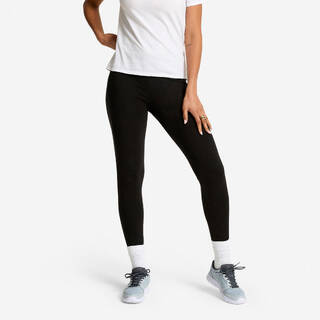
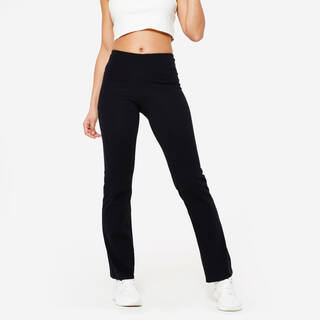
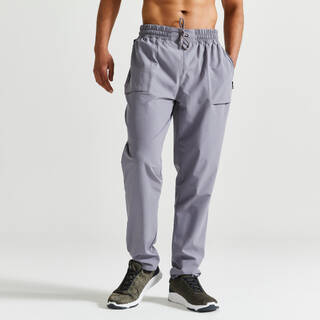
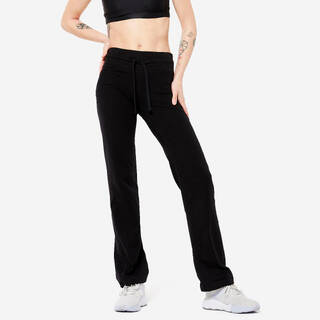
Domyos fitness joggers prioritize a relaxed fit through the thigh (2 to 3 cm ease) with a tapered ankle, accommodating heavy squats and leg presses without fabric restriction. Inseam lengths range from 76 cm (size S) to 84 cm (size XL), calibrated for Indian male height distributions. Women's Domyos joggers feature a mid-rise waistband (sits 2 cm below navel) and a slightly higher hip-to-waist ratio cut, matching female pelvic anatomy. Side seam lengths adjust proportionally, preventing excess fabric bunching at the ankles.
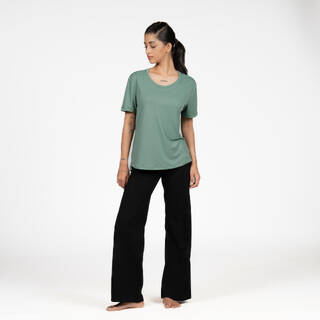
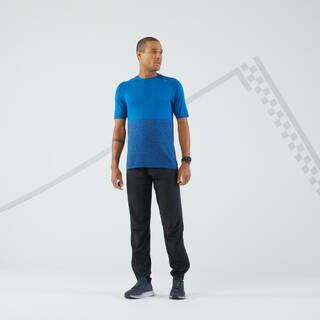
Kalenji running joggers adopt a slimmer silhouette with 1 to 2 cm thigh ease, reducing wind resistance during outdoor runs. Reflective logos and side stripes enhance visibility during early morning or evening road runs, critical for safety on Indian highways with mixed vehicle traffic. Lightweight 160 GSM constructions pack into small gym bags, ideal for athletes commuting to parks or tracks. Nyamba yoga joggers use softer, more drapey fabrics (modal-cotton blends) with a looser, straight-leg cut, allowing full range of motion during floor-based poses. These joggers avoid tight ankle cuffs, instead using gentle elastic hems that don't restrict blood flow during inverted postures or meditation sessions.
FAQ (Frequently Asked Questions)
Q1. What's the difference between trackpants and joggers?
Trackpants are typically designed for athletic activities and feature a more tailored, streamlined fit. Joggers, on the other hand, have a more relaxed, casual silhouette and are often made from softer, cozier fabrics like cotton or fleece.
Q2. Can I wear trackpants or joggers for workouts?
Absolutely! Many of our trackpants and joggers are designed with moisture-wicking and breathable fabrics, making them suitable for various workout activities. However, for high-intensity exercises, you may want to opt for more technical, athletic-focused styles.
Q3. Are trackpants and joggers suitable for outdoor activities?
Yes, trackpants and joggers can be great for outdoor activities like hiking, camping, or running errands. Look for styles with features like adjustable waistbands, pockets, and moisture-wicking fabrics for added comfort and functionality.
Q4. How should I care for my trackpants and joggers?
Always check the care label for specific instructions. In general, wash in cold water, avoid fabric softeners, and air dry or tumble dry on low heat to preserve the fabric's integrity and moisture-wicking properties.
Q5. Can I wear trackpants or joggers to work?
While trackpants and joggers are primarily designed for casual or athletic wear, some styles can be dressed up for a more polished, office-appropriate look. Consider pairing them with a blazer or collared shirt for a smart-casual vibe.
Q6. What sizes do Decathlon's trackpants and joggers come in?
Our collection offers a wide range of sizes to accommodate various body types. From XS to XXL, you're sure to find the perfect fit. Additionally, many styles feature adjustable waistbands for a customized fit.
Q7. Are Decathlon's trackpants and joggers affordable?
Yes, at Decathlon, we pride ourselves on offering high-quality activewear at affordable prices. Our trackpants and joggers are designed to provide exceptional value without compromising on comfort, durability, or performance.
Q8. Can I return or exchange trackpants or joggers if they don't fit?
Absolutely! We understand the importance of finding the perfect fit. If your trackpants or joggers don't meet your expectations, you can easily return or exchange them according to our hassle-free return policy.
Q9. Do Decathlon's trackpants and joggers come in different colors and patterns?
Yes, our collection features a wide variety of colors and patterns to suit different personal styles and preferences. From classic solid hues to trendy prints and designs, you'll find plenty of options to choose from.
Q10. Can I find trackpants or joggers with specific features like pockets or reflective details?
Definitely! Our collection includes styles with various features like pockets, adjustable waistbands, reflective details, and more. These added functionalities cater to different needs and activities, ensuring you find the perfect pair for your lifestyle.
Q11. What GSM weight should I choose for year-round gym training in hot and humid cities?
Select joggers in the 180 to 220 GSM range with polyester content above 60% for optimal moisture evacuation. This weight provides enough coverage for air-conditioned gyms while drying quickly between sessions. Avoid heavy fleece-lined options (260+ GSM) unless training in early morning cold snaps, as they retain excess heat in humid conditions.
Q12. How do I prevent joggers from losing elastic waistband tension after repeated washing?
Wash joggers in cold water (below 30 degrees Celsius) and air dry instead of using high-heat dryers, which degrade elastic fibers. Look for covered elastic waistbands (fabric-wrapped) rather than exposed rubber bands, as they resist breakdown from sweat salts. Quality joggers retain 85% of waistband tension beyond 200 wash cycles when cared for properly.
Q13. What is the difference between tapered joggers and straight-leg trackpants for running?
Tapered joggers narrow from thigh to ankle (14 to 16 cm ankle opening), reducing fabric drag and preventing snagging during sprints or trail runs. Straight-leg trackpants maintain a consistent width (18 to 20 cm ankle opening), offering more airflow and accommodating high-top shoes. Runners prioritizing speed prefer tapered cuts, while those seeking ventilation or wearing bulky footwear choose straight-leg designs.
Q14. Do zippered pockets on joggers hold smartphones securely during treadmill runs?
Yes, zippered side pockets with depths of 18 to 22 cm secure modern smartphones (up to 6.5-inch screens) without bouncing. Look for internal mesh linings that grip devices and reinforced bartack stitching at pocket corners to prevent tearing. Rear zippered pockets work well for smaller items like keys or cards but are less accessible during active movement.
Q15. Can I wear the same joggers for both gym workouts and outdoor running in monsoon season?
Choose joggers with polyester content above 70% and a GSM weight between 180 and 200 for dual-purpose use. These dry 40% faster than cotton blends, critical during monsoon humidity. Ensure they have reinforced knee panels and gusseted crotch construction to handle both squat depth and running stride mechanics without fabric stress.
Q16. How much shrinkage should I expect after the first wash of new joggers?
Pre-shrunk joggers from Decathlon limit shrinkage to under 3%, typically 1 to 2 cm in length. Check care labels for exact shrinkage percentages. Wash new joggers in cold water and air dry for the first cycle to minimize any residual shrinkage. Polyester-dominant blends shrink less than high-cotton blends.
Q17. What ankle cuff design works best for wearing joggers over training shoes?
Look for joggers with zippered ankle openings (8 to 12 cm zippers) that allow you to pull them over shoes without removing footwear. Alternatively, choose straight-leg joggers with 18 to 20 cm ankle openings and minimal elastic, which slide over shoes easily. Ribbed cuffs work well for wearing joggers inside shoes but require removal before putting on footwear.
Q18. Are Domyos joggers suitable for heavy strength training like squats and deadlifts?
Yes, Domyos fitness joggers feature gusseted crotch panels and articulated knee construction that accommodate deep squat positions and hip hinge movements. Look for models with 5% to 10% elastane content for four-way stretch and reinforced seams at stress points. The relaxed thigh fit (2 to 3 cm ease) prevents fabric restriction during compound lifts.
Q19. How do I maintain color vibrancy in black and navy joggers after months of use?
Wash joggers inside out in cold water with color-safe detergents to preserve reactive dyes. Avoid chlorine bleach and high-heat drying, which accelerate color fade. Joggers using reactive dye processes retain 60% more color saturation than pigment-dyed alternatives. Air drying in shade further protects fabric color from UV degradation.
Q20. What is the ideal inseam length for joggers if I am 5 feet 8 inches tall?
For a height of 5 feet 8 inches (173 cm), select joggers with an inseam length of 78 to 80 cm (size M or L depending on brand). This length allows the ankle cuff to sit just above the ankle bone without excess fabric pooling. Try joggers on with your typical training shoes, as footwear height affects how the cuff sits.