Waterproof Shoes

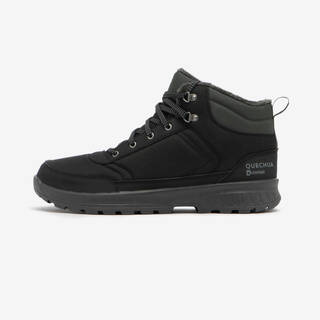
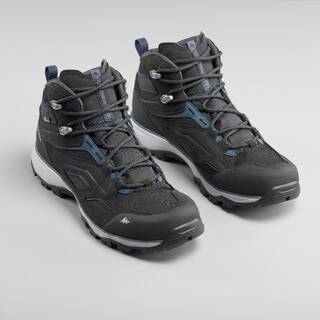
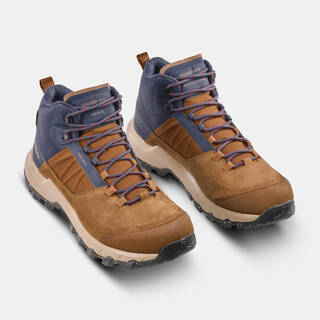
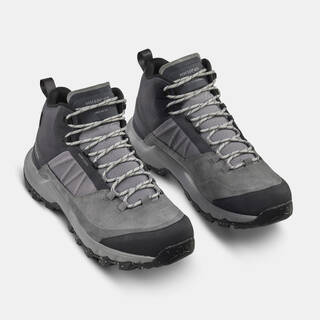
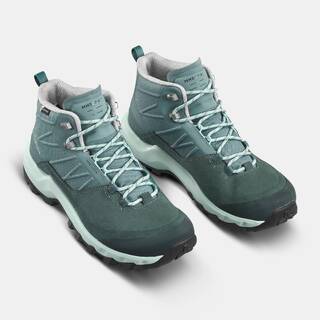
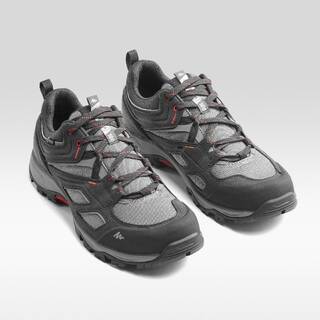
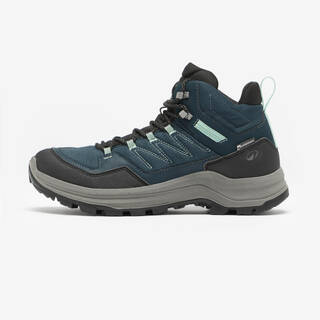
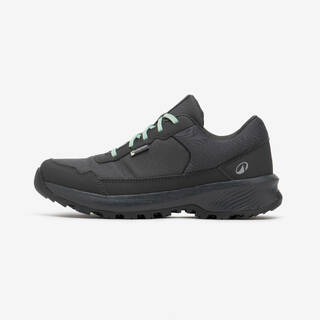
Membrane Technology and Waterproof Construction for Indian Monsoon Conditions
Waterproof shoes deploy multi-layer membrane systems that block external water penetration while maintaining internal vapor permeability. The core barrier typically consists of a microporous polyurethane or ePTFE (expanded polytetrafluoroethylene) film laminated between the outer textile and inner lining. These membranes contain billions of microscopic pores per square centimeter, each measuring approximately 0.2 microns in diameter. This pore size blocks liquid water droplets (minimum 100 microns) but permits water vapor molecules (0.0004 microns) to escape, creating a one-way moisture management system. During Kerala or Mumbai monsoons where rainfall intensity reaches 80-120mm per hour, this construction prevents saturation while your feet generate approximately 250ml of perspiration across an eight-hour trekking day.
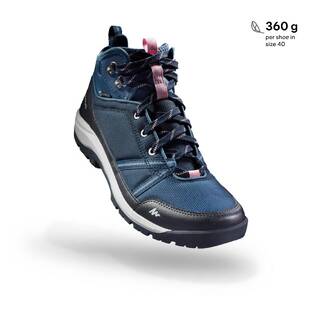
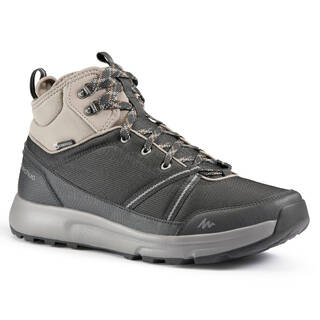
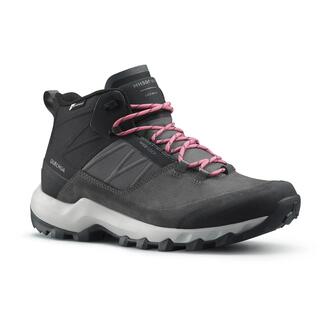
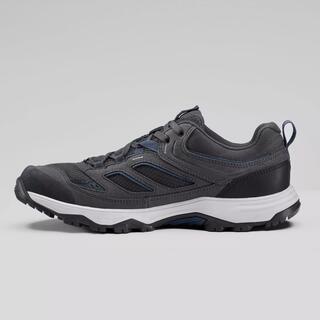
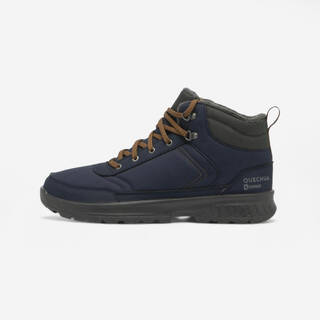
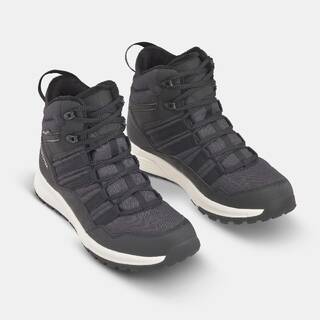
Decathlon's Quechua waterproof hiking shoes integrate hydrostatic head ratings between 10,000mm and 20,000mm, measured by placing a water column atop the fabric until three droplets penetrate. A 10,000mm rating withstands pressure equivalent to standing in 10 meters of water depth. Seam-sealed construction applies thermoplastic polyurethane tape across every stitched junction, eliminating needle-hole leakage points. The collar height matters critically in stream crossings or puddle navigation. Mid-cut designs rising 12-15cm above the ankle bone provide submersion protection up to that threshold, while low-cut trail runners with waterproof membranes handle surface moisture and light rain but fail in deeper water contact. Gusseted tongue construction prevents side-entry water infiltration during lateral foot flexion or when walking through wet grasslands across Western Ghats trails.
Outsole Traction Systems for Wet Concrete, Slick Marble, and Muddy Trail Surfaces
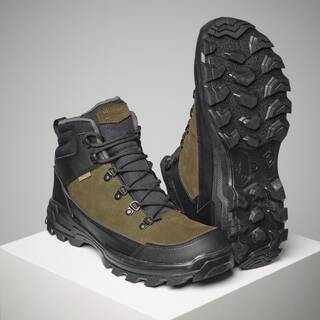
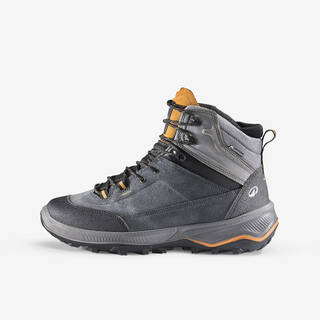
Wet-surface grip depends on three engineering variables: rubber compound Shore A hardness, lug geometry, and contact patch surface area. Softer rubber compounds (Shore A 50-60) deform microscopically to interlock with surface irregularities, generating mechanical friction on wet concrete sidewalks and polished granite temple floors common across Indian urban and pilgrimage environments. Harder compounds (Shore A 70-80) resist abrasion on dry asphalt but hydroplane on wet surfaces because they cannot penetrate the thin water film. Quechua and Forclaz waterproof hiking boots employ dual-density outsoles: softer rubber on forefoot and heel strike zones for wet grip, harder rubber on midfoot shank areas for durability against rocky Himalayan scree.
Lug depth and spacing determine mud-shedding capacity and multi-directional traction. Deep 5-7mm lugs with 8-10mm spacing between each cleat allow wet clay and silt to evacuate rather than pack into the outsole channels. Conical or pyramidal lug shapes release mud more effectively than flat-topped blocks. Decathlon's mountain hiking waterproof boots feature aggressive 6mm lugs arranged in a directional pattern: rearward-angled heel lugs for braking on descents, forward-angled forefoot lugs for uphill propulsion, and perpendicular lateral lugs for side-hill traversing. Urban waterproof walking shoes use shallower 3-4mm lugs with tighter spacing, optimized for wet tile, marble lobby floors, and rain-soaked asphalt rather than trail mud. The contact patch area (total rubber touching ground) must balance between maximum surface contact for friction and minimal area to concentrate ground pressure for penetrating surface water films.
Breathability Trade-Offs and Internal Climate Management in High-Humidity Environments
Every waterproof membrane creates a breathability compromise. While ePTFE membranes achieve moisture vapor transmission rates (MVTR) between 10,000 and 25,000 g/m²/24hr under laboratory conditions (measured at 23°C, 65% relative humidity gradient), real-world performance degrades significantly in Indian coastal humidity. When external relative humidity reaches 85-95% during monsoon months, the vapor pressure gradient between your foot's microclimate (approaching 100% RH at 32-35°C) and the outside air collapses. This reduced differential slows evaporative transport, causing internal condensation that users often mistake for membrane leakage. The sensation of wet socks after four hours of monsoon trekking typically results from trapped perspiration, not external water ingress.
Decathlon addresses this through strategic perforation zones and moisture-wicking lining systems. Quechua waterproof shoes incorporate mesh panels on the upper quarter (above the waterline, typically 8-10cm from sole) to accelerate vapor escape in areas less prone to direct water contact. The internal bootie construction uses hydrophobic polyester knits that transport liquid sweat away from skin toward the membrane interface. Some Forclaz models deploy activated carbon or zeolite mineral inserts in the insole that absorb up to 40% of their weight in moisture before saturation. For maximum breathability in warm, humid conditions where waterproofing is needed only for brief rain showers or shallow puddles, consider water-resistant treatments (DWR coatings on 600-800 denier nylon) rather than full membrane construction. These shed light rain for 30-45 minutes while maintaining 3-4 times higher breathability than sealed membranes.
Fit Geometry and Sizing Adjustments for Swollen Feet in Wet Conditions
Feet expand volumetrically during prolonged waterproof shoe use due to heat accumulation and reduced evaporative cooling. This thermal edema can increase foot volume by 8-12% across a six-hour trek, equivalent to half a size increase in length and a full width grade in girth. Waterproof hiking boots must accommodate this expansion without causing pressure points that lead to blisters or subungual hematomas (blackened toenails from repeated toe-box contact). Decathlon's Quechua waterproof boots typically run with a 12-15mm toe box allowance beyond your longest toe when standing. This space prevents forward foot slide during descents on steep Uttarakhand or Himachal trails where gravitational forces push your foot forward with each downhill step.
The heel counter and midfoot saddle require contradictory tight lockdown to prevent internal slippage that causes friction blisters. A properly fitted waterproof boot allows zero heel lift during the gait cycle's toe-off phase. Lacing systems matter critically here. Speed-lacing hooks on the upper eyelets (above the ankle) enable quick tension adjustment when your feet swell, while traditional eyelets on the forefoot maintain consistent pressure distribution. Width options (D standard, 2E wide, 4E extra-wide) address the Indian foot morphology spectrum, particularly for those with broader forefeet common in certain regional populations. Always size waterproof boots in the afternoon when feet are naturally expanded, wearing the same sock thickness (typically 2-3mm cushioned hiking socks) you will use during actual treks. The break-in period for leather waterproof boots spans 30-50 kilometers of walking to allow the upper to conform to your unique foot shape without the membrane delaminating from excessive flexion stress.
Maintenance Protocols and Membrane Longevity Across Indian Dust and UV Exposure
Waterproof membrane degradation accelerates under three Indian environmental stressors: fine particulate dust infiltration, high UV radiation at altitude, and salt contamination in coastal regions. Dust particles smaller than 10 microns can embed in membrane pores, progressively blocking vapor transmission pathways while the waterproof barrier remains intact. This creates the paradox of shoes that still block external water but trap internal perspiration. After every trek through Rajasthan desert trails or Deccan plateau red soil, brush dried mud from the upper before it dries completely. Use a soft nylon brush and lukewarm water (below 30°C) to flush dust from seams and textile weave. Never machine-wash waterproof shoes, as the agitation can delaminate bonded membrane layers.
The external Durable Water Repellent (DWR) coating degrades faster than the internal membrane. This fluoropolymer treatment causes water to bead and roll off rather than saturating the outer textile. When the face fabric begins wetting out (appearing dark and saturated), the waterproof membrane still functions but breathability drops by 60-70% because the saturated outer layer blocks vapor escape. Restore DWR performance every 80-120 hours of use by applying spray-on or wash-in fluorocarbon treatments after cleaning. UV degradation affects synthetic uppers at high altitude. Above 3,000 meters, UV intensity increases by approximately 10% per 1,000-meter elevation gain. Forclaz boots designed for Himalayan use incorporate UV-stabilized polyamide fibers and polyurethane coatings that resist photodegradation. Store waterproof shoes in a cool, dark space away from direct sunlight. The membrane's functional lifespan typically spans 800-1,200 kilometers of use before microscopic tears and pore enlargement compromise waterproof integrity, though proper care can extend this to 1,500 kilometers.
Selecting Waterproof Footwear Across Hiking, Urban Commuting, and Trail Running Applications
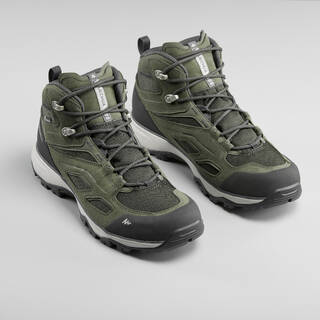
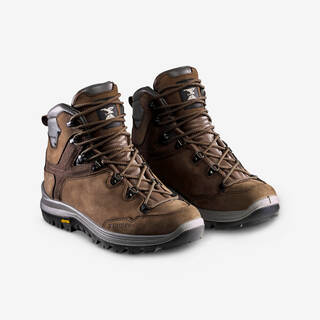
Application-specific design dictates construction priorities. Waterproof hiking boots prioritize ankle support, abrasion resistance, and multi-day comfort over weight savings. Quechua MH500 and MH900 models feature full-grain leather uppers (1.6-1.8mm thickness) that resist rock scrapes and thornbush punctures across Sahyadri or Aravalli ranges. The higher 15-18cm collar height provides lateral ankle stability on uneven terrain, reducing inversion sprain risk when carrying 8-12kg backpack loads. Midsole stiffness (measured on a flex scale of 1-5, with 5 being rigid) reaches 3.5-4.0 in these boots, incorporating nylon or TPU shanks that prevent midfoot collapse when stepping on protruding rocks. Total boot weight ranges from 450-650 grams per shoe in men's size 42, acceptable for the protection and durability provided.
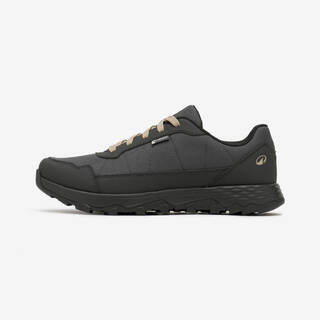
Urban waterproof walking shoes sacrifice some protection for reduced weight and improved ground feel. These designs use synthetic textile uppers (polyester or nylon) with waterproof membranes, achieving 280-380 grams per shoe. The lower 8-10cm collar allows unrestricted ankle flexion for stair climbing and rapid directional changes on city sidewalks. Softer midsole compounds (Shore A 45-50 EVA) provide better cushioning on concrete and asphalt, where impact forces reach 2.5 times body weight with each heel strike. Waterproof trail running shoes represent the extreme lightweight end, weighing 240-320 grams per shoe with aggressive 4-5mm lugs for wet trail traction. These employ minimal waterproofing (often just a bootie construction) because runners generate high internal heat and prioritize breathability. The 4-6mm heel-to-toe drop promotes midfoot striking that reduces impact loads. Choose based on primary use: multi-day mountain treks demand robust hiking boots, daily monsoon commutes suit urban walking shoes, and fast-paced trail running in wet conditions requires specialized lightweight waterproof runners.
FAQ (Frequently Asked Questions)
Q1. How do I know if waterproof shoes will work in heavy monsoon rain, or will my feet still get wet from sweat?
Waterproof membranes block external water completely but can trap internal perspiration when humidity exceeds 85-90%, common during monsoons. This internal moisture comes from your feet producing up to 250ml of sweat daily, not from leakage. Look for shoes with mesh ventilation panels above the waterline and moisture-wicking linings. In extreme humidity, even the best membranes struggle with vapor transport, so expect some dampness during all-day wear in coastal monsoon conditions.
Q2. What is the difference between water-resistant and waterproof shoes, and which do I need for Bangalore or Pune rains?
Water-resistant shoes use DWR coatings that shed light rain for 30-45 minutes before saturating, while waterproof shoes have sealed membranes that block water indefinitely when submerged below the collar height. For Bangalore or Pune monsoons with moderate rainfall and short exposure during commutes, water-resistant shoes offer better breathability. Choose fully waterproof construction only if you walk through deep puddles, cross streams, or spend multiple hours in continuous rain.
Q3. How long do waterproof membranes last before they stop working, and can I repair them?
Waterproof membranes typically maintain integrity for 800-1,200 kilometers of use, extending to 1,500 kilometers with proper maintenance. Degradation occurs from microscopic tears, pore clogging by dust, and UV exposure at high altitudes. Membranes cannot be repaired once compromised. You can extend lifespan by cleaning shoes after every trek, reapplying DWR coatings every 80-120 hours of use, and storing away from direct sunlight. When water penetrates despite intact seams, membrane replacement is not cost-effective compared to new shoes.
Q4. Do waterproof shoes work on wet marble temple floors and monsoon-slick city tiles without slipping?
Wet-surface grip depends on rubber compound softness (Shore A 50-60) and lug pattern, not waterproofing. Many waterproof hiking boots use softer rubber that deforms to grip wet marble and polished granite. Urban waterproof walking shoes with shallow 3-4mm lugs and softer compounds perform better on tiles than aggressive trail boots. Check if the outsole specifically mentions wet-surface traction or softer rubber zones on heel and forefoot contact areas.
Q5. Should I buy waterproof shoes half a size larger because my feet swell during long treks?
Feet expand 8-12% in volume during prolonged waterproof shoe use due to heat and reduced cooling. Size shoes in the afternoon when feet are naturally swollen, allowing 12-15mm space beyond your longest toe. This accommodates expansion without needing to upsize. Half-size increases can cause heel slippage and blisters. Instead, use adjustable lacing systems to loosen the upper eyelets when swelling occurs while keeping the midfoot and heel locked down.
Q6. Can I use the same waterproof shoes for Himalayan treks and daily office commutes in Mumbai rains?
Himalayan trekking boots feature stiff midsoles (flex rating 3.5-4.0), aggressive 6mm lugs, and high ankle collars for mountain terrain, making them heavy and uncomfortable for urban walking. Mumbai commutes need lighter urban waterproof shoes (280-380 grams) with flexible midsoles and shallow lugs for pavement. Using trekking boots daily accelerates wear on soft urban surfaces and feels overly rigid. Invest in category-specific footwear if you regularly do both activities.
Q7. How do I clean waterproof shoes without damaging the membrane, especially after trekking through red Deccan soil?
Brush dried mud off immediately using a soft nylon brush before soil embeds in the fabric weave. Rinse with lukewarm water (below 30°C) and mild soap, avoiding high-pressure hoses that can force water through seams. Never machine-wash, as agitation delaminates bonded membrane layers. Air-dry at room temperature away from direct heat or sunlight. Reapply DWR spray coating after cleaning to restore water-beading on the outer fabric, which maintains breathability.
Q8. What is the difference between Quechua and Forclaz waterproof shoes, and which is better for weekend treks near Lonavala or Coorg?
Quechua waterproof shoes target day hikes and moderate trails with balanced comfort and durability, suitable for Lonavala or Coorg weekend treks on established paths. Forclaz designs focus on multi-day mountain expeditions with enhanced ankle support, stiffer midsoles, and more aggressive outsoles for technical terrain. For 4-8 hour day hikes on maintained trails, Quechua provides sufficient protection at lower weight. Choose Forclaz only if you carry heavy packs or tackle steep, rocky Himalayan routes.
Q9. Will waterproof shoes cause more blisters than regular shoes because my feet cannot breathe properly?
Blisters form from friction and moisture accumulation, which waterproof membranes can worsen in high humidity by trapping perspiration. Prevent this by wearing moisture-wicking synthetic or merino wool socks (never cotton), ensuring proper fit with zero heel lift, and breaking in boots for 30-50 kilometers before long treks. Use anti-chafing balm on blister-prone areas. In extremely humid conditions, consider water-resistant shoes instead, which breathe better while still shedding light rain.
Q10. At what temperature and humidity should I avoid wearing waterproof shoes because they will be too hot?
When ambient temperature exceeds 32°C with relative humidity above 80%, waterproof membranes significantly reduce cooling efficiency because the vapor pressure gradient collapses. Your feet can reach 38-40°C internally, causing discomfort and excessive sweating. In these conditions, switch to highly breathable mesh trail shoes and accept wet feet during rain rather than continuous heat buildup. Reserve waterproof shoes for temperatures below 28°C or low-humidity environments where evaporative cooling still functions effectively.