Women Gym Leggings & Trackpants
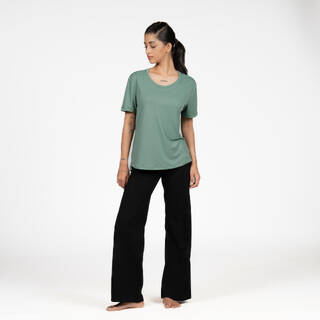


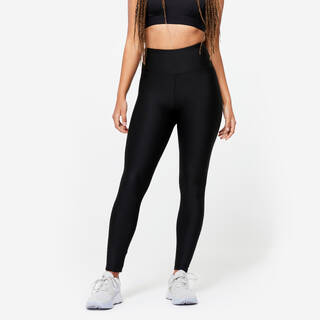


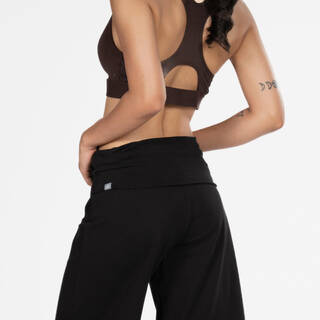


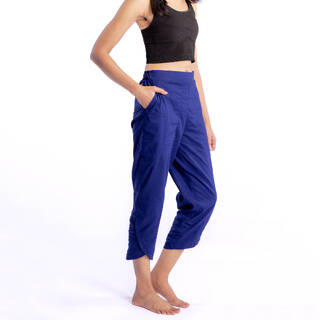
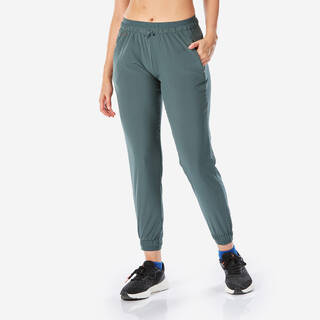
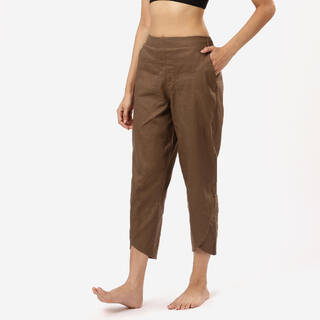


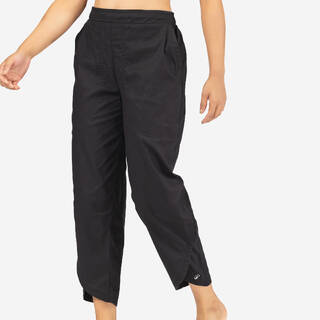
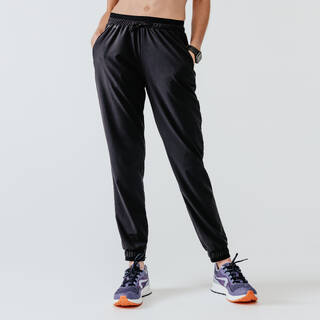

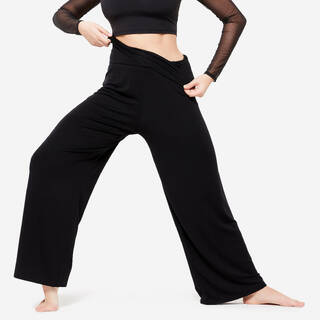
High-Stretch Polyamide and Elastane Blends for Multi-Directional Mobility
Women's gym leggings and trackpants at Decathlon India are engineered with high-performance polyamide and elastane blend fabrics, typically ranging from 78% to 88% polyamide with 12% to 22% elastane content. This composition delivers four-way stretch properties that accommodate deep squats, lateral lunges, and overhead presses without fabric restriction or transparency at peak extension. The elastane fibers maintain their recovery tension through repeated wash cycles, preventing sagging at the knees or seat after extended wear sessions.
Domyos leggings utilize circular knit construction that eliminates vertical seams along the inner thigh, reducing friction hotspots during treadmill runs or cycling intervals. Fabric weights vary by intended use: lightweight 180 GSM blends for cardio-intensive sessions prioritize moisture evacuation, while 220 to 240 GSM mid-weight constructions offer enhanced opacity and compression support for strength training. High-stretch zones at the hip flexors and behind the knees use mesh-reinforced panels that increase airflow during high-rep leg circuits without compromising structural integrity.
Moisture Management and Anti-Microbial Treatment for High-Humidity Gym Environments
Indian gym environments, particularly during monsoon months, present high ambient humidity levels that challenge fabric breathability. Decathlon's women's gym leggings incorporate hydrophobic polyester yarn treatments that wick sweat laterally across the fabric surface, increasing evaporative surface area by distributing moisture through capillary channels. This lateral wicking prevents the fabric from clinging to skin during high-intensity interval training or spin classes, maintaining a dry hand feel even under sustained perspiration.
Anti-microbial silver ion treatments embedded in the yarn structure inhibit bacterial colonization that causes odor buildup after repeated wear cycles. These treatments remain effective through 50 to 80 wash cycles, maintaining freshness for users who train multiple times per week. The fabric's quick-dry properties allow leggings to air-dry within 3 to 4 hours at room temperature, essential for athletes training in compact apartment spaces with limited ventilation. Flatlock offset stitching along major seam lines prevents chafing during extended cardio sessions, with thread tension calibrated to stretch in tandem with the fabric without creating pressure ridges.
Wide Elastic Waistband Engineering and Pocket Integration for Functional Storage
Waistband construction directly impacts comfort during floor exercises and inverted movements. Decathlon's gym leggings feature wide elastic waistbands ranging from 6 to 8 cm in height, distributing compression forces evenly across the lower abdomen and lumbar region. This width prevents the rolling or folding that occurs with narrow elastic bands during sit-ups or plank holds. The internal elastic uses multi-strand braided construction with controlled stretch ratios, maintaining consistent tension without digging into the skin during prolonged wear.
Integrated side pockets and rear zip pockets accommodate smartphones up to 6.5 inches in diagonal screen size, secured with internal silicone grippers that prevent device migration during burpees or box jumps. Pocket placement follows biomechanical load distribution patterns, positioning storage on the lateral thigh where hip flexion creates minimal fabric distortion. Some Domyos models incorporate concealed waistband pockets with key loops, allowing users to secure locker keys or access cards without external bulk. Drawstring closures on select trackpants use flat braided cords that lie flush against the waistband, eliminating pressure points during ab wheel rollouts or leg raises.
Compression Gradient Technology and Muscle Support Mapping
Compression leggings apply graduated pressure that decreases from ankle to thigh, supporting venous return during static holds and recovery periods. Decathlon's compression models deliver 15 to 20 mmHg pressure at the calf, tapering to 8 to 12 mmHg at the mid-thigh. This gradient assists blood circulation without restricting arterial flow, beneficial during long training sessions that combine strength work with cardio intervals. The compression fabric uses dense knit structures with higher stitch counts per square centimeter, creating consistent surface pressure that stabilizes muscle oscillation during plyometric movements.
Muscle support mapping places reinforced panels along the quadriceps, hamstrings, and glutes, aligning with major muscle groups that generate force during squats and deadlifts. These panels use doubled fabric layers or integrated compression zones that provide proprioceptive feedback, enhancing body awareness during complex movement patterns. The compression remains effective through the fabric's elastic recovery range, maintaining support integrity even after the material stretches to accommodate full range of motion. Non-compression trackpants offer looser fits with tapered ankle cuffs, suitable for warm-ups, cooldowns, or low-intensity yoga sessions where unrestricted airflow takes priority over muscle stabilization.
Thermal Regulation Fabrics for Air-Conditioned Studios and Outdoor Training
Temperature regulation varies significantly between air-conditioned gym studios and outdoor training spaces exposed to direct sunlight. Lightweight 180 to 200 GSM leggings use open-knit mesh inserts along the calves and behind the knees, creating ventilation channels that expel trapped heat during high-output cardio sessions. These mesh zones use abrasion-resistant polyamide that withstands repeated contact with gym equipment without snagging or tearing. For early morning outdoor runs or winter training, mid-weight 220 to 240 GSM constructions provide thermal insulation while maintaining breathability, using brushed interior surfaces that trap a thin air layer against the skin.
Reflective detailing on select models increases visibility during dawn or dusk outdoor training, with heat-transfer prints or woven reflective threads positioned along the calves and thighs. These elements maintain reflectivity through washing without peeling or cracking, essential for runners training on poorly lit roads. UV protection ratings of UPF 30 to 50 shield skin from harmful radiation during outdoor HIIT sessions or park workouts, particularly relevant for training in high-altitude regions or coastal areas with intense solar exposure. The fabric's thermal properties balance insulation with moisture transport, preventing overheating while protecting against wind chill during outdoor strength circuits.
Domyos Range Differentiation and Activity-Specific Design Features
Domyos, Decathlon's dedicated fitness brand, segments leggings and trackpants across cardio, strength, yoga, and dance disciplines. Cardio-focused models prioritize lightweight fabrics under 200 GSM with maximum breathability, using laser-cut ventilation perforations that eliminate the need for traditional seam construction. Strength training leggings employ heavier 220 to 240 GSM fabrics with reinforced gussets at high-stress zones, preventing seam failure during deep squats or sumo deadlifts. Yoga-specific designs incorporate softer hand feels with reduced compression, allowing unrestricted movement through complex asanas while maintaining opacity during forward folds.
Dance and Zumba leggings feature vibrant sublimation prints that resist fading through repeated wash cycles, using dye-sublimation processes that bond pigments at the molecular level within polyester fibers. These prints maintain color saturation without adding fabric weight or stiffness. Trackpants with full-length zippers along the outer seam allow quick removal over training shoes, practical for athletes transitioning between warm-up and workout phases. Ankle zippers on select models accommodate different calf circumferences, ensuring a tailored fit without bunching at the lower leg. The Domyos range addresses varying body types through size-inclusive cuts, with petite, regular, and tall inseam lengths ensuring proper ankle placement and waistband positioning across different heights.
FAQ (Frequently Asked Questions)
Q1. What fabric weight should I choose for intense cardio workouts versus strength training in Indian gyms?
For cardio-intensive sessions like HIIT, treadmill runs, or spin classes, select lightweight 180 to 200 GSM leggings that prioritize breathability and quick moisture evacuation. Strength training benefits from heavier 220 to 240 GSM fabrics that offer enhanced opacity during deep squats and reinforced seams at high-stress zones. Mid-weight options around 210 GSM provide versatility for mixed training sessions combining both cardio and resistance work.
Q2. How do I determine the right compression level for gym leggings?
Compression leggings delivering 15 to 20 mmHg at the calf provide muscle stabilization during plyometric movements and support venous return during recovery periods. Non-compression or light-compression models suit yoga, stretching, or low-intensity activities where unrestricted movement takes priority. The fabric should feel snug without restricting blood flow or causing numbness, maintaining consistent pressure through full range of motion during squats and lunges.
Q3. Will high-stretch leggings become transparent during squats or bending movements?
Quality gym leggings use fabric weights of 220 GSM or higher with dense knit constructions that maintain opacity at peak stretch. Perform a squat test in natural lighting before purchase, checking that the fabric does not thin visibly over the glutes and thighs. Darker colors like black, navy, or charcoal provide additional coverage security, while lighter shades require heavier fabric weights to prevent transparency.
Q4. How should gym leggings fit around the waist to prevent rolling during floor exercises?
The waistband should sit flat against your lower abdomen without gaps, using a width of 6 to 8 cm to distribute pressure evenly. Elastic tension should allow you to insert two fingers comfortably between the band and your skin while maintaining a secure hold during inverted movements. Wide waistbands with internal silicone grippers prevent downward migration during planks, while avoiding excessive tightness that creates discomfort during breathing or abdominal compression.
Q5. Can I wear gym leggings for outdoor running on concrete roads during monsoon season?
Yes, provided the leggings use quick-dry polyamide blends that evacuate moisture rapidly and feature reflective detailing for visibility in low-light conditions. Lightweight 180 to 200 GSM fabrics dry faster after exposure to rain, while anti-microbial treatments prevent odor buildup in humid conditions. Pair with moisture-wicking undergarments and ensure the fabric maintains opacity when wet to avoid transparency issues during outdoor training.
Q6. What is the difference between Domyos cardio leggings and yoga leggings?
Domyos cardio leggings prioritize breathability with lighter fabrics under 200 GSM, mesh ventilation panels, and moisture-wicking treatments for high-intensity interval training. Yoga leggings use softer, less compressive fabrics around 200 to 220 GSM with four-way stretch that accommodates deep hip openers and spinal twists without restriction. Yoga models often feature wider waistbands for comfort during floor poses, while cardio versions emphasize secure pocket placement for device storage during dynamic movements.
Q7. How do I care for elastane-blend leggings to maintain their stretch and shape?
Wash leggings in cold water using a gentle cycle to preserve elastane fiber integrity, avoiding hot water that degrades elastic recovery. Air-dry flat or hang-dry away from direct sunlight, as heat from dryers accelerates elastane breakdown and causes premature sagging. Avoid fabric softeners that coat fibers and reduce moisture-wicking performance, and wash inside-out to protect exterior finishes and prints from abrasion during the wash cycle.
Q8. Are high-waisted leggings better for core workouts and abdominal exercises?
High-waisted designs provide additional coverage and support during core-intensive movements like Russian twists, bicycle crunches, and leg raises. The extended waistband prevents gaps between the top and leggings during inverted positions, while distributing compression across a larger surface area of the lower torso. This design also offers a secure fit that stays in place during dynamic transitions between standing and floor exercises without requiring constant adjustment.
Q9. Do gym leggings with pockets affect the fit or create bulk during workouts?
Properly engineered side pockets positioned on the lateral thigh distribute weight evenly and use internal silicone grippers to prevent device bouncing during high-impact movements. Pocket placement follows biomechanical principles to minimize fabric distortion during hip flexion. Slim-profile pockets designed for smartphones up to 6.5 inches lie flat against the leg, while rear zip pockets offer secure storage without adding noticeable bulk during squats or lunges.
Q10. What inseam length should I choose based on my height for proper ankle placement?
Petite inseams (24 to 25 inches) suit heights under 5'3", regular inseams (26 to 27 inches) fit heights between 5'3" and 5'7", and tall inseams (28 to 29 inches) accommodate heights above 5'7". Proper inseam length ensures the ankle cuff sits at the natural ankle bone without bunching at the lower leg or riding up the calf. Try on leggings and perform a full squat to verify the waistband remains at your natural waist and the ankle cuff stays in position without pulling upward.