Women Rain Jackets & Pants

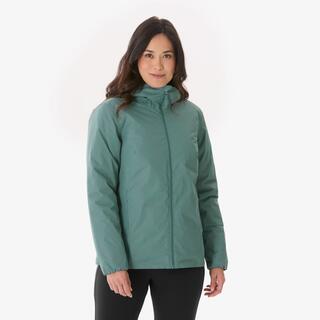


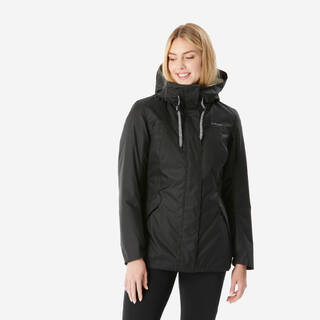


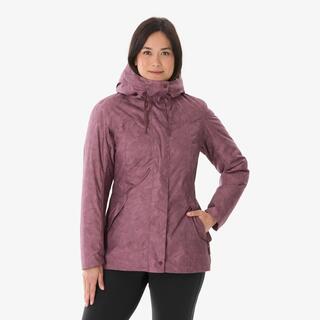


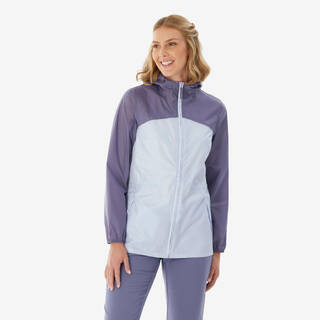

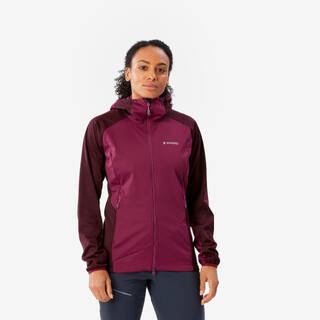


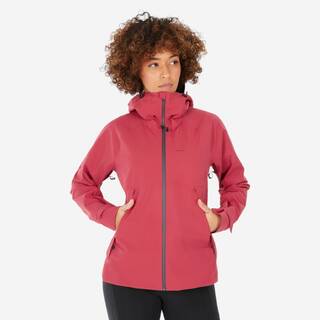
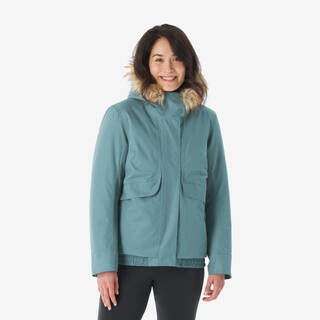

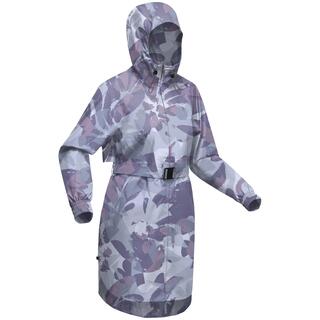
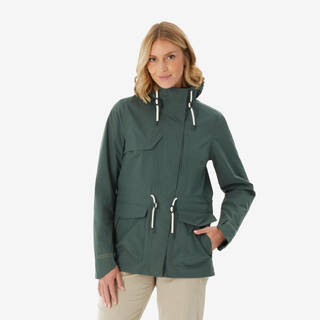
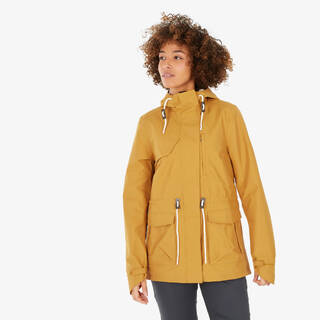
Waterproof Engineering for Monsoon Downpours and Himalayan Cloud Bursts
Indian monsoons deliver sustained rainfall intensities exceeding 100mm per hour in coastal Kerala, Mumbai, and Northeast hill stations. Women's rain jackets must withstand hydrostatic head pressures of at least 5,000mm PU coating to prevent water ingress during multi-hour treks or city commutes. Quechua rain jackets deploy 2.5-layer and 3-layer membrane constructions, bonding a microporous polyurethane film between outer ripstop polyester (ranging from 70D to 150D) and inner mesh or tricot linings. This architecture blocks liquid water molecules (5-10 microns diameter) while allowing water vapor molecules (0.0004 microns) to escape, maintaining breathability ratings of 5,000 to 15,000 g/m²/24hr RET scores.
Seam taping becomes critical at stress junctions. Fully taped seams use thermoplastic polyurethane tape heat-pressed over stitched seam lines, creating watertight barriers at shoulder yokes, underarm gussets, and hood attachment points. Critically taped seams prioritize high-exposure zones like shoulders and chest panels, reducing weight while maintaining core waterproofing. For Himalayan treks above 3,000 meters where sudden hailstorms and sleet occur, 3-layer hard-shell constructions with 10,000mm+ hydrostatic ratings and abrasion-resistant 150D face fabrics provide superior durability against rock scrambles and backpack friction. Urban commuters benefit from 2.5-layer packable designs weighing 180-250 grams, compressing into integrated stuff sacks smaller than a 500ml water bottle for easy handbag or backpack storage.
Durable Water Repellent (DWR) coatings applied to outer fabrics cause water droplets to bead and roll off rather than saturating the textile surface. Factory-applied C6 fluorocarbon-free DWR treatments maintain effectiveness through 30-50 wash cycles before requiring reactivation via tumble drying or spray-on reapplication. Without functional DWR, even high-rated membranes lose breathability as the saturated face fabric blocks vapor transmission, trapping body heat and sweat inside the jacket microclimate.
Articulated Fit Geometries for Active Movement and Layering Protocols
Women's rain jackets require anatomical patterning that accommodates shoulder abduction during trekking pole use, arm flexion when cycling, and torso rotation during trail running. Raglan sleeve constructions eliminate shoulder seams, shifting the armhole seam from the shoulder cap to a diagonal line running from underarm to collarbone. This design reduces chafing under backpack straps and increases overhead reach range by 15-20 degrees compared to set-in sleeves. Pre-shaped elbow articulation uses curved sleeve panels that mirror the natural 10-15 degree flexion angle of relaxed arms, preventing fabric bunching when gripping handlebars or trekking poles.
Hem lengths vary by intended activity. Hip-length cuts (ending 5-8cm below the natural waistline) suit cycling and running, preventing saddle interference and reducing lower body heat buildup. Thigh-length cuts (extending 15-20cm below hip bone) provide superior coverage for hiking and trekking, protecting upper thighs during sudden squats or stream crossings. Adjustable hem drawcords with cord locks allow real-time fit tuning, cinching the jacket perimeter to seal out updrafts during high-wind exposure or loosening for ventilation during high-output climbs.
Layering capacity determines versatility across temperature ranges. Base layer (moisture-wicking synthetic or merino wool), mid-layer (fleece or synthetic insulation), and outer shell (waterproof jacket) systems require adequate chest and shoulder room. Women's rain jackets sized for layering add 4-6cm to standard chest circumference measurements, ensuring a 200-weight fleece fits comfortably underneath without restricting diaphragm expansion during aerobic exertion. Pit zips (20-25cm underarm zippers) dump excess heat during steep ascents, creating chimney-effect ventilation that exhausts warm, humid air without removing the jacket entirely.
Hood Engineering for Peripheral Vision and Helmet Compatibility
Fixed hoods integrate permanently into jacket collars, offering minimal packed volume but limited adjustability. Adjustable hoods use three-point tuning systems: rear elastic drawcord for depth adjustment, side pull-tabs for facial opening diameter, and wire-reinforced or laminated brims that maintain forward projection. Properly adjusted hoods rotate with head movement, preserving peripheral vision critical for navigating technical trails, crossing traffic intersections, or scanning for trail markers during low-visibility conditions.
Roll-away hoods stow into zippered collar pockets, converting the jacket into a windbreaker for dry-weather use. This feature benefits multi-day treks where weather oscillates between clear mornings and afternoon thunderstorms. Helmet-compatible hoods expand to 62-65cm circumference, accommodating climbing helmets, cycling helmets, or insulated beanies without compressing the crown or blocking ear openings. Volume adjustment prevents the hood from ballooning in crosswinds, which creates sail effect and destabilizes balance on exposed ridgelines.
Laminated brims use bonded layers of foam or plastic sandwiched between fabric shells, maintaining a 6-8cm forward projection that channels rain away from eyeglasses and face. Soft, unstructured brims collapse during packing but lose shape retention after repeated compressions. For high-altitude mountaineering above 4,000 meters, insulated hoods with fleece linings or synthetic fill provide thermal protection during rest stops, though they add 40-60 grams to overall jacket weight.
Pocket Placement and Closure Systems for Secure Gear Access
Handwarmer pockets positioned 8-10cm below the natural waistline allow comfortable hand entry while wearing a hip belt on a 40-60 liter trekking backpack. Zippered closures prevent contents from spilling during stream crossings or scrambling over boulders. Mesh pocket linings enhance breathability and allow wet items (like rain-soaked gloves) to drain and dry. Chest pockets placed 12-15cm below the collarbone provide quick access to smartphones, trail maps, or energy gels without removing a backpack. Waterproof zippers use polyurethane-coated zipper tape that bonds directly to zipper teeth, eliminating the need for storm flaps and reducing weight by 15-20 grams per zipper.
Internal security pockets with zippered or hook-and-loop closures safeguard passports, cash, or RFID cards during urban travel or international treks. Napoleon chest pockets (vertical-entry pockets positioned high on the chest) remain accessible even when wearing a backpack chest strap. Stuff sack integration converts an internal pocket into a compression sack, allowing the entire jacket to pack into its own pocket and clip onto a carabiner loop for external backpack attachment.
Storm flaps are fabric panels that cover zipper teeth, preventing water from penetrating through the zipper coil gaps. Single-layer storm flaps add 30-40 grams but provide reliable protection during horizontal rain driven by 40+ km/h winds. Flap-free waterproof zippers reduce weight and bulk but cost more due to specialized manufacturing. For budget-conscious buyers, standard coil zippers with storm flaps deliver comparable weather protection at lower price points, though they require occasional cleaning to remove dirt and salt deposits that impede smooth operation.
Quechua and Forclaz Rain Pant Constructions for Lower Body Protection
Rain pants complement jacket systems by sealing the lower body against monsoon saturation and trail splash. Full-zip side seams running from hip to ankle allow donning and doffing over hiking boots or trail runners without removal, critical during sudden weather changes on exposed ridges. Elastic waistbands with drawcord adjustment accommodate layering over shorts, tights, or insulated pants. Ankle zippers (15-20cm length) tighten cuff diameters around boot uppers, preventing water from funneling into footwear during puddle crossings or stream fords.
Articulated knees use curved panel shaping that mirrors the natural 20-25 degree flexion angle during walking and climbing. This prevents fabric from pulling tight across the kneecap during high steps onto boulders or log crossings. Reinforced seat and knee panels deploy 150D or 210D ripstop fabrics with additional PU coatings, resisting abrasion during seated rest breaks on wet rocks or accidental knee-down scrambles. Gusseted crotches add a diamond-shaped fabric panel that increases stride length and reduces inseam stress during steep descents.
Packability varies by construction weight. Ultralight rain pants (80-120 grams) use 30D to 50D sil-nylon or sil-polyester fabrics with 3,000-5,000mm waterproof ratings, suitable for emergency backup during day hikes. Standard rain pants (180-250 grams) deploy 70D fabrics with 8,000-10,000mm ratings for multi-day treks. Breathability ratings of 8,000-12,000 g/m²/24hr prevent sweat accumulation during high-output approaches, though pit-zip equivalents (thigh vents) are rare due to construction complexity and cost. Elastic or Velcro cuff closures at ankles prevent pant legs from snagging on trail debris or bicycle chainrings during mixed-mode travel.
Care Protocols to Restore DWR Performance and Membrane Longevity
Waterproof membranes degrade when body oils, dirt, and detergent residues clog micropores, reducing breathability and causing internal condensation. Wash rain jackets and pants every 10-15 uses or when water no longer beads on the fabric surface. Use technical wash products (non-detergent, pH-neutral cleaners) that remove contaminants without leaving residues. Standard laundry detergents contain surfactants and fabric softeners that coat membrane pores, permanently reducing vapor transmission.
Machine wash in warm water (30-40°C) on gentle cycles with minimal spin speeds to prevent mechanical stress on seam tape adhesives. Rinse twice to eliminate all soap residues. Tumble dry on low heat (50-60°C) for 20-30 minutes to reactivate factory-applied DWR coatings. Heat causes DWR molecules to reorient and bond more tightly to fabric fibers, restoring water-repellent properties. If beading does not return after heat reactivation, apply spray-on or wash-in DWR treatments following manufacturer instructions, then tumble dry again to cure the new coating.
Store rain gear loosely hung or loosely folded in cool, dry locations away from direct sunlight. Prolonged UV exposure degrades polyurethane coatings and weakens fabric tensile strength. Avoid compressing jackets in stuff sacks for extended periods (more than 2-3 weeks), as constant pressure on seam tape can cause delamination. Inspect seam tape annually for peeling or separation. Repair kits containing seam sealer (liquid polyurethane adhesive) and repair tape patches allow field repairs of small punctures or seam failures, extending gear lifespan by multiple seasons.
FAQ (Frequently Asked Questions)
Q1. What makes Decathlon's rain jackets and pants waterproof?
Our rain jackets and pants are designed with advanced waterproof membranes and taped seams, creating an impenetrable barrier against rain and moisture. The breathable fabrics also allow excess heat and moisture to escape, keeping you dry and comfortable.
Q2. How do I choose the right size for a rain jacket or pants?
When selecting the right size, consider the activities you'll be engaging in and the layers you'll be wearing underneath. For a more athletic fit, size down, while for a relaxed fit, size up. Always refer to our size charts for accurate measurements.
Q3. Can I wear my rain jacket or pants for high-intensity activities?
Absolutely! Many of our rain jackets and pants are designed with breathable, moisture-wicking fabrics and articulated designs that allow for unrestricted movement, making them suitable for activities like hiking, trekking, and even running.
Q4. How do I care for my rain gear?
Follow the manufacturer's instructions for cleaning and drying, and avoid using fabric softeners or bleach. After extended use, apply a durable water repellent (DWR) treatment to revive the water-repellent properties of the fabric.
Q5. Are Decathlon's rain jackets and pants suitable for all weather conditions?
Our rain gear is designed to provide reliable protection against rain and moisture. However, for extreme cold or windy conditions, you may want to consider additional insulating layers or a more robust, weatherproof jacket.
Q6. Can I pack my rain jacket in my backpack or purse?
Absolutely! Many of our rain jackets are designed to be lightweight and packable, making them easy to stash in your backpack or purse, ensuring you're always prepared for unexpected showers.
Q7. Do Decathlon's rain jackets and pants come in different colors and styles?
Yes, our collection offers a wide range of colors, cuts, and styles to suit different personal preferences and activities. From sleek, minimalist designs to rugged, technical pieces, you'll find something to match your style.
Q8. Can I use my rain jacket or pants for outdoor activities other than hiking or trekking?
Definitely! Our rain gear is versatile and can be used for a variety of outdoor activities, such as camping, fishing, or even urban exploration. The waterproof and breathable fabrics make them suitable for any situation where you need protection from the rain.
Q9. How do I know if a rain jacket or pants is suitable for my activity level?
Consider the intensity of your activities and the level of protection you'll need. For high-intensity activities or extended exposure to rain, opt for more robust, fully waterproof pieces. Our product descriptions and in-store experts can help guide you to the right choice.
Q10. Can I return or exchange my rain gear if it doesn't fit or meet my expectations?
Absolutely! At Decathlon, we stand behind the quality of our products. If your rain jacket or pants doesn't meet your expectations, you can return or exchange it according to our hassle-free return policy.
Q11. What hydrostatic head rating do I need for Mumbai and Bangalore monsoons?
Mumbai's heavy monsoons require at least 5,000mm hydrostatic head ratings for sustained protection during 2-3 hour commutes or outdoor activities. Bangalore's lighter, intermittent rains can be managed with 3,000-5,000mm ratings. For Western Ghats treks during peak monsoon (June to September), prioritize 8,000-10,000mm ratings with fully taped seams to handle prolonged exposure and high humidity that saturates lighter fabrics.
Q12. How do I choose between 2.5-layer and 3-layer rain jacket constructions?
2.5-layer jackets bond a protective print or coating to the membrane's inner surface, reducing weight to 180-250 grams and packing smaller for urban commuting or day hikes. 3-layer jackets laminate a separate inner lining to the membrane, increasing durability and breathability for multi-day Himalayan treks or high-abrasion activities like rock scrambling. Choose 2.5-layer for packability and occasional use, 3-layer for frequent use and rugged terrain.
Q13. Will a rain jacket fit over a 200-weight fleece for Ladakh or Manali treks?
Quechua rain jackets designed for layering add 4-6cm to chest measurements compared to standard fits, accommodating mid-layers up to 300-weight fleece thickness. Check the product's layering specification or size up one increment if you regularly wear thick insulation. Raglan sleeve cuts and articulated elbows prevent restriction when layering, while pit zips allow ventilation control during high-output climbs without removing layers.
Q14. How often should I reapply DWR coating to maintain water repellency?
Factory DWR coatings last 30-50 wash cycles before requiring reactivation. First, tumble dry the clean jacket on low heat for 20 minutes to restore existing DWR. If water still absorbs rather than beading, apply spray-on or wash-in DWR treatment and heat-cure again. Reapply DWR every 15-20 uses in dusty or high-humidity conditions where contaminants accumulate faster, or annually for occasional-use jackets stored properly between seasons.
Q15. Can I wear rain pants over trail running shoes without full-length side zippers?
Rain pants without side zippers require ankle openings large enough to pull over footwear, which often compromises weather sealing. Full-length side zippers (hip to ankle) allow you to don pants over any footwear without removal, critical during sudden weather changes on exposed trails. Ankle zippers alone (15-20cm) work for low-cut trail runners but struggle with mid-height hiking boots, requiring you to partially unlace boots for pant removal.
Q16. What denier fabric weight balances durability and packability for weekend treks?
70D ripstop polyester with 5,000-8,000mm waterproof ratings offers the best balance for weekend Sahyadri or Nilgiri treks, weighing 200-280 grams while resisting abrasion from backpack straps and trail brush. Ultralight 30-50D fabrics (under 150 grams) pack smaller but tear more easily on rocky scrambles. Heavy-duty 150D fabrics exceed 350 grams and suit technical mountaineering above 4,000 meters where sharp rock and ice contact is frequent.
Q17. Do adjustable hoods work with cycling helmets and trekking hats?
Helmet-compatible hoods expand to 62-65cm circumference with rear drawcord and side adjustment tabs, fitting over most cycling and climbing helmets without blocking peripheral vision. Three-point adjustment systems allow you to cinch the hood opening around your face when wearing only a cap or beanie, preventing wind from catching the hood and pulling it backward. Wire-reinforced brims maintain forward projection to channel rain away from eyeglasses during cycling or trail running.
Q18. How do I prevent internal condensation during high-output Himalayan climbs?
Internal condensation occurs when sweat vapor production exceeds the membrane's breathability rating (measured in g/m²/24hr). Open pit zips fully during steep ascents to create chimney-effect ventilation, exhausting humid air before it condenses on the jacket's inner surface. Choose jackets with breathability ratings above 10,000 g/m²/24hr for sustained aerobic activity. Wear moisture-wicking base layers that transport sweat away from skin, and reduce layering thickness to lower overall heat production during high-output phases.
Q19. What is the difference between Quechua and Forclaz rain gear for women?
Quechua targets recreational hiking, camping, and casual outdoor activities with 2.5-layer constructions, moderate waterproof ratings (5,000-8,000mm), and packable designs under 300 grams. Forclaz focuses on technical trekking and mountaineering with 3-layer hard shells, higher waterproof ratings (10,000mm+), reinforced high-wear zones, and features like helmet-compatible hoods and harness-compatible pockets. Choose Quechua for weekend trails and monsoon commutes, Forclaz for multi-day Himalayan expeditions and alpine environments.
Q20. Can I machine wash rain jackets with regular detergent and fabric softener?
Never use regular detergent or fabric softener, as surfactants and conditioning agents clog membrane micropores and coat DWR treatments, permanently reducing breathability and water repellency. Use only technical wash products (pH-neutral, non-detergent cleaners like Nikwax Tech Wash or Grangers Performance Wash) that remove body oils and dirt without leaving residues. Rinse twice, tumble dry on low heat to reactivate DWR, and store loosely to maintain seam tape adhesion and membrane performance across multiple seasons.