Womens Swimming Costumes


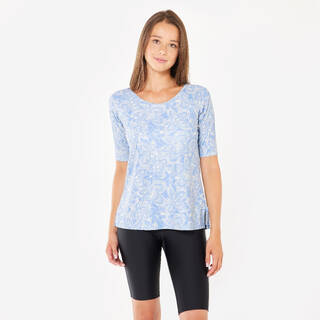


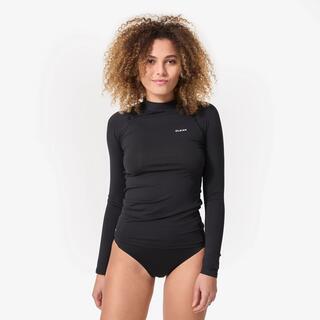


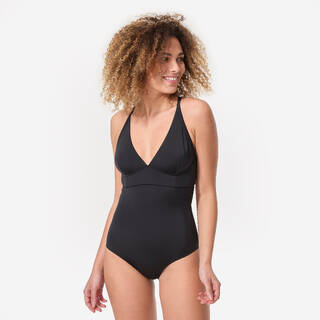

Chlorine-Resistant Polyester and Elastane Blends for Indian Pool Conditions
Indian municipal pools, apartment complex facilities, and private coaching centers maintain chlorine concentrations between 1.0 and 3.0 ppm to combat bacterial growth in tropical heat. Women's swimming costumes engineered for these environments require polyester-elastane blends with chlorine-resistant PBT (polybutylene terephthalate) fibers that retain shape memory and color fastness through 300-plus pool sessions. Nabaiji's core range utilizes 80% polyester and 20% elastane compositions with four-way stretch recovery, preventing fabric sag and transparency degradation common in standard polyamide blends exposed to high chlorine loads.
Fabric weight matters. Training swimsuits for lap swimmers and aqua aerobics participants typically feature 200 to 240 GSM chlorine-resistant knits, balancing durability with hydrodynamic drag reduction. Competitive racing suits step down to 160 to 180 GSM ultralight fabrics with bonded seams and compressive paneling that supports core muscle groups during flip turns and underwater dolphin kicks. Flatlock stitching with offset seam placement eliminates chafing across shoulder blades, under bust bands, and along hip flexors during extended training blocks. Salt-water resistance becomes critical for coastal swimmers in Goa, Kerala, and the Andaman Islands, where UV degradation accelerates fabric breakdown. Look for UPF 50+ ratings and rinsing protocols that neutralize salt crystal buildup in fabric weaves.
Bust Support Engineering: Shelf Bras, Removable Cups, and Compression Panels
Biomechanical load distribution during front crawl, breaststroke, and butterfly strokes generates vertical and lateral breast tissue displacement that standard swimwear cannot stabilize. Nabaiji's women's costumes integrate internal shelf bras with dual-layer power mesh that compresses tissue against the ribcage, reducing bounce amplitude by 40 to 50 percent compared to single-layer lycra constructions. Removable foam cups provide modesty and shaping without absorbing water weight. High-impact designs for aqua fitness classes incorporate wide underband elastic (25 to 35mm) with silicone gripper strips that anchor the garment during jumping jacks, high knees, and tuck jumps in chest-deep water.
Strap width and placement directly affect shoulder fatigue. Racerback designs distribute load across trapezius and rhomboid muscles, ideal for distance swimmers logging 2,000 to 4,000 meters per session. Cross-back straps with adjustable sliders allow personalized tension control, preventing strap migration during flip turns. For larger bust sizes (D cup and above), look for costumes with reinforced vertical seams that create a natural lift vector, paired with wider straps (20 to 25mm) that dissipate pressure across greater surface area. Avoid thin spaghetti straps on training suits, as they concentrate load and cause shoulder grooving during multi-hour pool sessions.
One-Piece vs Two-Piece Functionality: Coverage, Mobility, and Training Discipline
One-piece swimsuits dominate competitive swimming and structured training programs due to superior torso compression and reduced drag coefficients. Full-body coverage from shoulder to hip eliminates fabric flutter at high velocities (above 1.8 meters per second in sprints), while compressive paneling around the core activates proprioceptive feedback that improves body alignment during streamline phases. Nabaiji's one-piece range includes high-neck designs for Muslim swimmers seeking modest coverage, alongside low-back cuts that maximize shoulder mobility for butterfly specialists. Leg openings vary from high-cut racing styles that reduce thigh friction to moderate cuts preferred by recreational swimmers prioritizing comfort over marginal speed gains.
Two-piece tankini and bikini sets serve recreational swimming, beach outings, and aqua aerobics classes where ease of changing and bathroom access outweigh hydrodynamic considerations. Separate tops and bottoms allow mix-and-match sizing, critical for women with disproportionate torso-to-hip ratios. High-waisted bottoms with tummy control panels provide core compression without full-body suit restriction, suitable for post-pregnancy swimmers rebuilding fitness. However, two-piece designs introduce a fabric seam at the waistline that increases drag by 3 to 5 percent compared to seamless one-piece construction. Competitive swimmers and triathletes avoid two-piece costumes for timed training and racing scenarios where every hundredth of a second matters.
Sizing Precision: Indian Body Proportions and Compression Fit Protocols
Correct swimsuit sizing requires torso length measurement from shoulder to crotch, not just bust and hip circumference. Indian women's body proportions often feature shorter torso lengths relative to European sizing charts, making direct size translation unreliable. A size M in Nabaiji's India-specific range corresponds to 32 to 34 inch bust, 26 to 28 inch waist, and 36 to 38 inch hip measurements, with torso length optimized for 155 to 165 cm height brackets. Competitive suits intentionally size down for compression benefits, with fabric stretch accommodating body dimensions while providing 10 to 15 percent compression across core and glutes. Training suits allow more relaxed fits to prevent circulation restriction during 60 to 90 minute sessions.
Fabric stretch recovery determines longevity. Quality elastane blends return to original dimensions within 30 seconds after removal, indicating intact molecular cross-linking. Suits that remain stretched or show visible thinning after 50 pool sessions have degraded elastane chains, compromising both compression and coverage. Try on swimsuits and perform range-of-motion tests: squat deeply, raise arms overhead, and simulate breaststroke arm sweeps. Fabric should move with skin without binding or gaping. Straps should stay centered on shoulders without sliding toward the neck. Leg openings should lie flat against skin without cutting into thigh tissue or leaving gaps that expose undergarments. Indian swimmers training in non-air-conditioned pools during summer months (35 to 42°C ambient temperatures) should prioritize quick-dry fabrics that release moisture within 15 to 20 minutes post-swim, preventing bacterial growth and odor accumulation.
Nabaiji Sub-Brand Technology: Aquaresist Fabrics and Hydrodynamic Seam Placement
Nabaiji develops women's swimming costumes through iterative testing in Decathlon's Villeneuve d'Ascq aquatic research facility, using underwater motion capture and flow visualization to optimize fabric tension maps and seam routing. Aquaresist fabric technology combines polyester's chlorine resistance with elastane's four-way stretch, maintaining shape integrity through 100-plus pool sessions without color fading or elastic degradation. Bonded seams replace traditional stitching on racing models, eliminating raised thread lines that create turbulent boundary layers at speeds above 1.5 meters per second. Compressive paneling follows myofascial lines, supporting obliques during rotation and glutes during kick propulsion.
Indian swimmers benefit from Nabaiji's tiered product architecture. Entry-level Vega and Leony ranges offer 200 GSM polyester-elastane blends suitable for recreational swimming and learn-to-swim programs, with removable cups and adjustable straps accommodating fit variability. Mid-tier Kamiye and Riana collections introduce chlorine-resistant PBT fibers and reinforced underband construction for regular training (3 to 5 sessions per week). Advanced Jade and Loran racing suits feature 160 GSM compression fabrics with water-repellent coatings that reduce surface drag, paired with muscle-mapping paneling validated through biomechanical analysis. All Nabaiji costumes undergo colorfastness testing to ISO 105-E03 standards, ensuring prints and dyes withstand 300 hours of chlorinated water exposure without significant degradation.
Care Protocols: Extending Fabric Life in High-Chlorine and Hard-Water Environments
Post-swim rinsing removes 70 to 80 percent of residual chlorine trapped in fabric weaves, dramatically extending elastane lifespan. Rinse swimsuits in cool tap water (below 30°C) immediately after pool exit, squeezing gently to flush chlorine from fiber interstices. Avoid wringing or twisting, which stresses elastane fibers and distorts compression paneling. Indian municipal water supplies often contain high calcium and magnesium concentrations (hard water above 200 ppm), which bond with chlorine residues to form insoluble deposits. Use a specialized swimwear detergent every 5 to 7 wears to chelate mineral buildup and restore fabric breathability.
Air drying in shade preserves color and elasticity. Direct sunlight accelerates UV-induced polymer chain scission, reducing elastane stretch by 15 to 20 percent after 40 hours of cumulative exposure. Lay suits flat on absorbent towels or hang by the gusset (never by straps) in ventilated areas away from windows. Machine washing in mesh laundry bags on delicate cycles (below 30°C) is acceptable for training suits, but avoid fabric softeners and bleach, which coat fibers and degrade chlorine resistance. Store dry swimsuits loosely folded in breathable cotton bags, not compressed in gym bags where trapped moisture breeds mildew. Competitive swimmers rotate between two or three suits to allow 48-hour drying intervals between uses, preventing premature elastane fatigue from repeated wet-dry cycles.
FAQ (Frequently Asked Questions)
Q1. How do I choose the right size for a women's swimming costume if I'm between sizes on the chart?
Measure your torso length from shoulder to crotch and compare it to Nabaiji's size guide, as Indian body proportions often require shorter torso lengths than European charts suggest. For training suits, choose the larger size for comfort during long sessions. For competitive racing suits, size down for compression benefits, as the fabric stretch accommodates your dimensions while providing core support.
Q2. What fabric composition resists chlorine damage in Indian municipal pools with high chemical concentrations?
Look for polyester-elastane blends with chlorine-resistant PBT fibers in 80:20 ratios, which maintain shape and color through 300-plus pool sessions. Standard polyamide (nylon) blends degrade faster in pools maintaining 1.0 to 3.0 ppm chlorine levels. Nabaiji's Aquaresist fabrics specifically target high-chlorine environments common in Indian facilities.
Q3. Can I use the same swimsuit for both pool training and open water swimming in coastal areas?
Yes, but prioritize suits with UPF 50+ ratings and salt-water resistance for coastal use, as UV exposure and salt crystals accelerate fabric breakdown. Rinse thoroughly in fresh water after ocean swims to remove salt deposits. Competitive racing suits with ultra-light fabrics (160 to 180 GSM) wear faster in rough surf compared to training suits with 200 to 240 GSM constructions.
Q4. How much bust support do Nabaiji swimsuits provide for aqua aerobics and high-impact water workouts?
Nabaiji's aqua fitness range features internal shelf bras with dual-layer power mesh and wide underband elastic (25 to 35mm) with silicone grippers, reducing vertical bounce by 40 to 50 percent. For D cup and above, select suits with reinforced vertical seams and wider straps (20 to 25mm) that distribute load across shoulders. Removable foam cups add shaping without absorbing water weight.
Q5. What is the difference between one-piece and two-piece swimsuits for serious lap swimming?
One-piece suits provide superior torso compression and lower drag coefficients, critical for speeds above 1.8 meters per second in competitive swimming. Two-piece designs introduce a waistline seam that increases drag by 3 to 5 percent and lack full-body compression. Choose one-piece for structured training and racing, two-piece for recreational swimming and ease of changing.
Q6. How often should I replace my swimming costume if I train four times per week in a chlorinated pool?
Training suits with 200 to 240 GSM chlorine-resistant fabrics typically last 6 to 9 months (100 to 150 sessions) with proper care. Replace when elastane loses stretch recovery (fabric stays stretched 30 seconds after removal), colors fade significantly, or fabric shows thinning and transparency. Racing suits with lighter fabrics (160 to 180 GSM) require replacement every 3 to 4 months under intensive use.
Q7. Do Nabaiji swimsuits accommodate modest coverage requirements for Muslim women swimmers?
Yes, Nabaiji offers high-neck one-piece designs with extended torso coverage and full-length leg options that meet modesty requirements while maintaining hydrodynamic efficiency. These suits use the same chlorine-resistant fabrics and compression technology as standard models, ensuring performance is not compromised by additional coverage.
Q8. How do I prevent my swimsuit from fading after repeated use in outdoor pools with high UV exposure?
Choose suits with UPF 50+ ratings and rinse immediately after swimming to remove chlorine, which accelerates UV-induced color degradation. Air dry in shade, as direct sunlight causes 15 to 20 percent elastane degradation after 40 hours of exposure. Nabaiji fabrics undergo ISO 105-E03 colorfastness testing to withstand 300 hours of chlorinated water without significant fading.
Q9. What strap design works best for long-distance swimming to prevent shoulder fatigue?
Racerback designs distribute load across trapezius and rhomboid muscles, reducing shoulder fatigue during 2,000 to 4,000 meter sessions. Cross-back straps with adjustable sliders allow personalized tension control. Avoid thin spaghetti straps on training suits, as they concentrate pressure and cause shoulder grooving. Wider straps (20 to 25mm) work best for larger bust sizes.
Q10. Can I machine wash my Nabaiji swimming costume, or must I hand wash only?
Machine washing in mesh laundry bags on delicate cycles below 30°C is acceptable for training suits, but avoid fabric softeners and bleach. Hand rinsing in cool tap water immediately after swimming removes 70 to 80 percent of chlorine and extends fabric life more effectively than washing alone. Air dry flat in shade, never in direct sunlight or tumble dryers.