Yoga Mats and Accessories


Closed-Cell vs Open-Cell Foam Architecture: Selecting Mat Density for Indian Floor Surfaces
Yoga mat foam architecture determines grip stability, moisture absorption, and floor protection across marble, granite, and ceramic tile surfaces common in Indian homes. Closed-cell PVC and NBR (nitrile butadiene rubber) constructions prevent sweat penetration into the foam matrix, maintaining structural integrity during high-humidity monsoon sessions where ambient moisture exceeds 80 percent. Open-cell TPE (thermoplastic elastomer) and natural rubber mats absorb surface moisture for enhanced palm and foot traction during hot yoga or power vinyasa flows, but require immediate post-practice drying to prevent bacterial colonization in tropical climates.
Density specifications range from 0.9 to 1.2 grams per cubic centimeter. Higher-density closed-cell mats (1.1 to 1.2 g/cm³) deliver superior cushioning over hard marble and granite floors, compressing 3 to 5 millimeters under bodyweight to protect knees, elbows, and spine during floor sequences. Lower-density open-cell constructions (0.9 to 1.0 g/cm³) prioritize grip texture over impact dampening, suited for standing balance postures and inversions on carpeted studio floors. Decathlon's Domyos Grip+ and Comfort+ ranges apply these density gradients to match practice intensity and surface hardness.
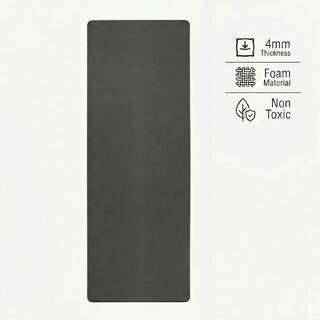
Thickness tolerances directly affect joint loading. Standard 4-millimeter mats suit experienced practitioners executing chaturanga transitions and arm balances on stable surfaces. Beginners and restorative practitioners benefit from 6 to 8-millimeter cushioning that distributes pressure across larger contact areas during supine and prone holds. Compact 2-millimeter travel mats sacrifice cushioning for portability, folding into carry bags under 1.5 kilograms for outdoor park sessions or studio commutes across congested urban transit.
Surface Texture Engineering: Embossed Patterns and Traction Coefficients for Sweat Management
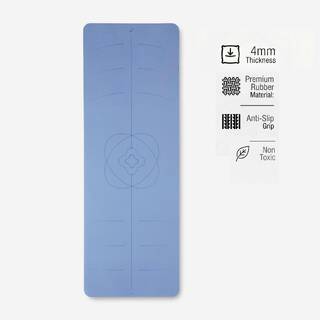
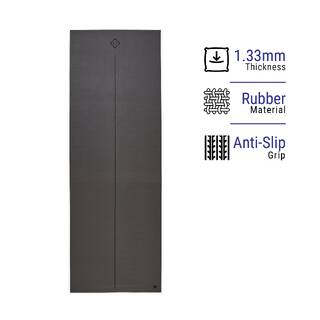
Traction performance depends on surface embossing depth and pattern geometry. Shallow embossed textures (0.3 to 0.5 millimeters) create micro-grip channels that wick moisture laterally across the mat surface, preventing pooling under palms during downward dog holds. Deeper embossing (0.8 to 1.2 millimeters) generates mechanical interlocking between skin ridges and mat valleys, maintaining grip even when sweat saturation exceeds the material's wicking capacity. Domyos applies laser-etched mandala and geometric patterns that balance aesthetic appeal with functional traction zones.
Coefficient of friction measurements separate performance tiers. Dry static friction coefficients above 0.7 ensure foot stability during warrior sequences and standing splits. Wet friction retention matters more in Indian conditions, where palm sweat during summer sessions (35 to 42 degrees Celsius ambient) can reduce grip by 40 to 60 percent on smooth PVC surfaces. Textured natural rubber and TPE blends maintain wet friction coefficients above 0.5, allowing controlled transitions between poses without hand or foot slippage.
Dual-layer constructions pair smooth bottom surfaces with textured top layers. The smooth base (often polyurethane or PVC) adheres to polished marble and granite through suction, eliminating mat migration during jump-throughs and jump-backs. The textured practice surface provides directional grip, with raised ridges oriented perpendicular to hand and foot placement zones. This layered approach prevents both mat-to-floor and body-to-mat slippage across the full practice sequence.
Material Composition: PVC, NBR, TPE, and Natural Rubber Performance Across Humidity Zones
PVC (polyvinyl chloride) mats dominate entry and mid-tier segments due to closed-cell impermeability and dimensional stability. PVC resists moisture absorption, maintaining consistent 4 to 6-millimeter thickness across 60 to 90 percent humidity ranges typical of coastal and monsoon regions. The material tolerates repeated compression cycles (5,000-plus downward dogs) without permanent indentation, recovering to original thickness within 30 seconds post-load. However, PVC requires textured embossing or fabric overlays to achieve adequate wet grip, as smooth PVC surfaces exhibit friction coefficients below 0.4 when saturated.
NBR foam blends offer superior cushioning at equivalent densities, compressing 20 to 30 percent more than PVC under identical loads. This increased compliance reduces peak pressure on bony prominences (knees, elbows, sacrum) during floor work, beneficial for practitioners with joint sensitivity or osteoarthritis considerations. NBR's closed-cell structure matches PVC's moisture resistance, but the material exhibits faster surface wear under high-friction transitions, showing visible abrasion after 200 to 300 hours of intensive practice.
TPE and natural rubber constructions prioritize grip and environmental profile over durability. Natural rubber mats sourced from Hevea brasiliensis trees deliver inherent tackiness, achieving dry friction coefficients above 0.8 without surface treatments. The open-cell structure wicks sweat into the foam matrix, maintaining surface dryness during extended holds. However, natural rubber degrades under direct UV exposure (common in terrace and balcony practice spaces), losing 15 to 25 percent tensile strength after 6 months of daily sun exposure. TPE blends balance rubber's grip with synthetic durability, offering 70 to 80 percent of natural rubber's traction while resisting UV breakdown and microbial growth in humid storage conditions.
Domyos Yoga Accessories: Blocks, Straps, and Bolsters for Alignment and Flexibility Progression
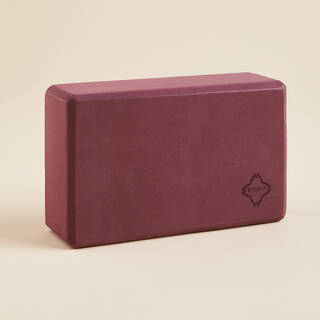
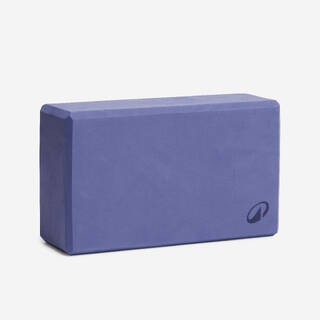
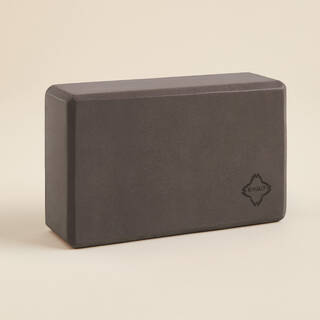
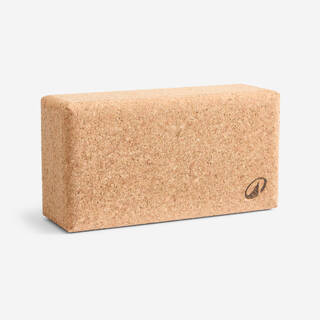
Yoga blocks constructed from EVA foam or cork provide stable elevation platforms for hamstring flexibility limitations and shoulder mobility restrictions. EVA blocks compress 2 to 4 millimeters under hand pressure, offering slight cushioning during supported triangle and half-moon poses. Standard dimensions (230 x 150 x 75 millimeters) allow three height options by rotating the block, accommodating progressive flexibility gains as practitioners reduce support height over training cycles. Cork blocks maintain rigid geometry under load, preferred for arm balance foundations where hand stability outweighs cushioning.
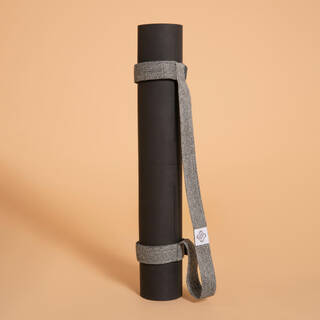
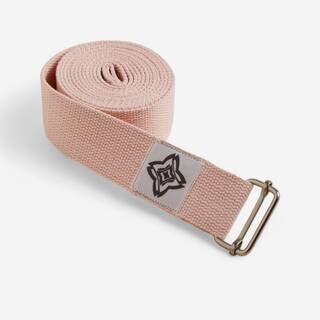
Cotton and polyester yoga straps extend effective limb reach by 150 to 240 centimeters, enabling proper alignment in seated forward folds and reclining hand-to-big-toe poses for practitioners with tight hamstrings or hip flexors. D-ring and cinch-buckle closures allow incremental length adjustment in 2-centimeter intervals, supporting gradual range-of-motion improvements without forcing end-range positions that risk muscle strain. Strap width (38 to 50 millimeters) distributes tension across broader contact areas, preventing localized pressure during assisted stretches.
Cylindrical bolsters filled with cotton batting or recycled fiber provide passive support for restorative and yin yoga sequences. Standard bolster dimensions (660 millimeters length, 230 millimeters diameter) elevate the spine, pelvis, or legs during supine twists, supported fish poses, and legs-up-the-wall variations. The firm yet compressible fill maintains shape under bodyweight while conforming to spinal curves, reducing muscular effort during 3 to 5-minute passive holds. Removable cotton covers allow machine washing to manage sweat and oil accumulation from repeated skin contact.
Portability and Storage: Roll vs Fold Designs, Carry Systems, and Compact Footprints for Urban Spaces
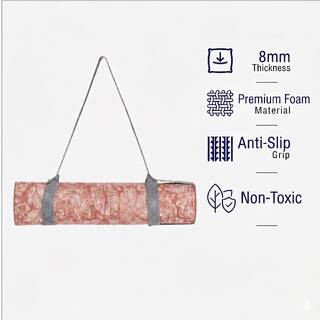
Standard roll mats (183 x 61 centimeters) compress to 15 to 20-centimeter diameter cylinders, fitting into nylon carry bags with adjustable shoulder straps for studio commutes and outdoor sessions. Roll tension affects storage compactness. Tighter rolls (achieved through elastic straps or Velcro closures) reduce diameter by 20 to 30 percent but create memory curl at mat edges that requires 24 to 48 hours to flatten post-unrolling. Looser rolls eliminate curl but increase storage volume, a tradeoff relevant for apartment dwellers with limited closet space.
Foldable travel mats collapse along scored fold lines into rectangular packets (30 x 20 x 8 centimeters), occupying minimal luggage volume for hotel room practice or weekend retreats. The fold-line creases create permanent thickness variations (plus or minus 0.5 millimeters) that some practitioners notice during prone and supine postures. However, the compact form factor allows carry-on compliance and drawer storage impossible with roll formats. Domyos travel mats weigh 800 to 1,200 grams, compared to 1,800 to 2,500 grams for full-thickness studio mats.
Wall-mounted and vertical storage racks accommodate multiple mat formats in compact footprints. Horizontal dowel racks hold 4 to 6 rolled mats in 60-centimeter wall spans, keeping practice surfaces off dusty floors common in Indian urban environments. Vertical cubby systems separate individual mats in 20 x 20-centimeter compartments, preventing cross-contamination in shared household or studio settings. Proper storage extends mat lifespan by 30 to 50 percent through reduced UV exposure, improved airflow for moisture evaporation, and protection from accidental punctures or tears.
Maintenance Protocols: Cleaning Frequency, Antimicrobial Treatments, and Lifespan Extension Across Material Types
Post-practice cleaning removes sweat salts, skin oils, and environmental dust that degrade mat surfaces and promote bacterial growth. Closed-cell PVC and NBR mats tolerate spray-and-wipe cleaning with diluted vinegar solutions (1 part vinegar to 4 parts water) or pH-neutral yoga mat cleaners applied via microfiber cloths. Surface cleaning after every practice session prevents salt crystal accumulation that abrases texture patterns and reduces grip. Deep cleaning every 2 to 4 weeks involves full submersion in bathtub or bucket, gentle scrubbing with soft brushes, and complete air drying (12 to 24 hours) before rolling for storage.
Open-cell TPE and natural rubber mats require gentler protocols due to moisture absorption. Spray cleaning with alcohol-free solutions prevents liquid penetration that encourages mold growth in humid storage. Air drying must occur in shaded, well-ventilated spaces, as direct sunlight accelerates rubber oxidation and causes surface tackiness loss. Practitioners in high-humidity coastal cities (Mumbai, Chennai, Kochi) benefit from weekly sun exposure (30 to 60 minutes in morning or evening low-UV periods) to inhibit fungal colonization without triggering material breakdown.
Antimicrobial additives embedded in mat compounds extend hygiene intervals. Silver ion treatments and tea tree oil infusions inhibit bacterial proliferation for 48 to 72 hours post-practice, reducing cleaning frequency for practitioners with daily routines. However, these treatments degrade with repeated washing, losing 50 percent efficacy after 100 to 150 cleaning cycles. Mat lifespan ranges from 1 to 2 years for daily intensive practice (300-plus hours annually) to 4 to 6 years for recreational use (50 to 100 hours annually), with visible wear indicators including permanent indentations, texture smoothing, and edge delamination signaling replacement necessity.
FAQ (Frequently Asked Questions)
Q1. How do I choose a yoga mat?
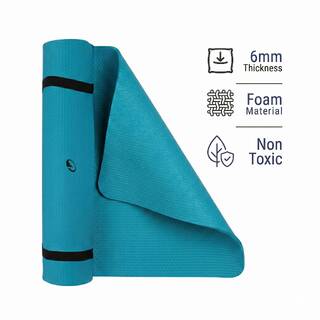
If you are a gentle yoga practitioner like Hatha, restorative, prenatal, Nidra, etc. transitions are slower and poses are less physically intense. A yoga mat between 5, 8 and 10mm thick will provide enough cushioning for your cervical spine and joints like our gentle yoga mat that is easier for you to carry around. But if you are a dynamic yoga practitioner like Ashtanga, vinyasa, Iyengar, hot yoga, Bikram, etc. transitions are fast and the intensity is high, A yoga mat up to 5 mm thick will give you better grip and stability for balance like our grip+ Yoga Mat.
Q2. Which is the best yoga mat for beginners?
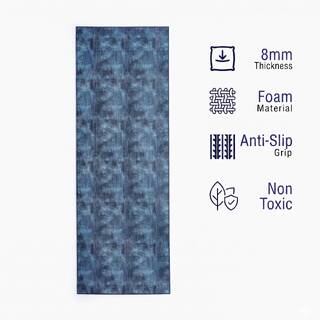
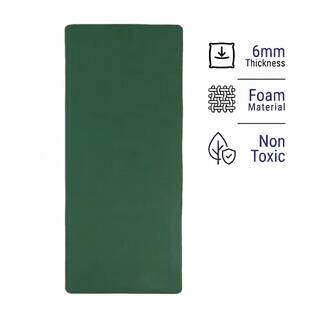
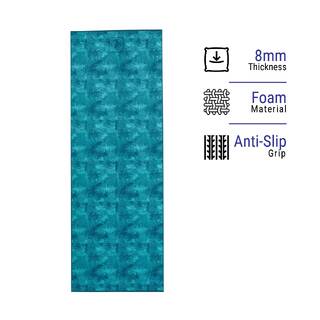
For a beginner, to explore the sport of Yoga, we suggest you start with the 4mm or the 6MM yoga mat like our Essential Beginner Yoga Mat 4mm and Gentle Yoga Mat 6 mm. If you have been practicing Yoga for a while, you could move on to the 8mm yoga mat like our Comfort Yoga Mat 8 mm Jungle Print along with our soft yoga and dynamic yoga apparel.
Q3. Which is the best yoga mat for hot yoga?
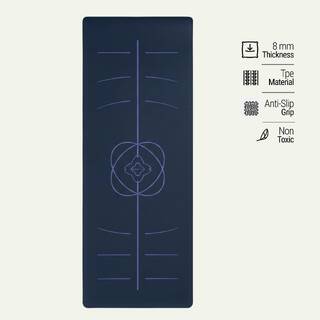
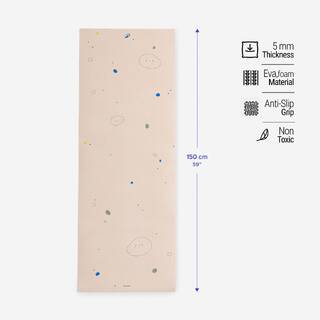
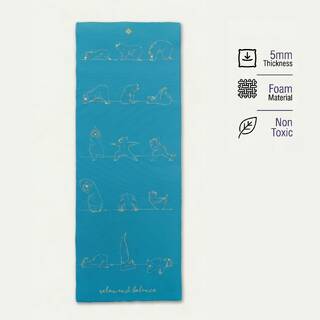
Hot Yoga is a type of highly intensive and dynamic yoga that leads to a high amount of sweating and will require the grippiest yoga mat for you to hold your poses perfectly on the yoga mat. The yoga mat made of rubber is considered best for your dynamic yoga also with lines on the surface for your to get alignment for your asanas like our Yoga Mat Grip+ 5 mm.
Q4. What mat thickness should beginners choose for practicing on marble or granite floors common in Indian homes?
Beginners benefit from 6 to 8-millimeter thickness mats that cushion knees, elbows, and spine during floor sequences on hard marble and granite surfaces. This cushioning distributes pressure across larger contact areas, reducing discomfort during learning phases when proper weight distribution techniques are still developing. Experienced practitioners can transition to 4-millimeter mats once joint awareness and muscular control improve.
Q5. How do I prevent my yoga mat from slipping on polished marble floors during downward dog and plank poses?
Choose mats with smooth, suction-generating bottom surfaces made from polyurethane or PVC that adhere to polished marble through surface tension. Alternatively, place a thin yoga towel or non-slip rug pad beneath the mat to create friction between mat and floor. Ensure the floor is clean and dry before practice, as dust and moisture films reduce suction effectiveness by 40 to 60 percent.
Q6. Which mat material works best for hot yoga or summer practice in high-humidity cities like Mumbai or Chennai?
Textured natural rubber or TPE mats maintain wet grip during high-sweat sessions, with friction coefficients above 0.5 even when saturated. These open-cell materials wick moisture into the foam matrix, keeping the practice surface relatively dry. However, they require immediate post-practice drying in well-ventilated spaces to prevent mold growth in humid coastal climates. Closed-cell PVC mats paired with absorbent yoga towels offer an alternative for practitioners prioritizing easy maintenance.
Q7. Can I use the same yoga mat for outdoor terrace practice and indoor studio sessions?
Natural rubber mats degrade rapidly under direct UV exposure common on terraces and balconies, losing 15 to 25 percent tensile strength after 6 months of daily sun exposure. For dual indoor and outdoor use, select UV-resistant TPE or PVC mats that tolerate sunlight without material breakdown. Alternatively, maintain separate mats for each environment, using a lightweight 2-millimeter travel mat for outdoor sessions and a thicker cushioned mat for indoor practice.
Q8. How often should I clean my yoga mat in monsoon season to prevent mold and odor buildup?
During monsoon months when humidity exceeds 80 percent, spray-clean your mat after every practice session with diluted vinegar or pH-neutral cleaner to remove sweat salts and moisture. Perform deep cleaning every 2 weeks, ensuring complete air drying (12 to 24 hours) in well-ventilated spaces before storage. For open-cell rubber and TPE mats, weekly sun exposure for 30 to 60 minutes during low-UV morning or evening periods inhibits fungal growth without accelerating material degradation.
Q9. What is the difference between Domyos Grip+ and Comfort+ yoga mats?
Domyos Grip+ mats prioritize surface traction through deeper embossing patterns (0.8 to 1.2 millimeters) and tackier material compounds, suited for dynamic vinyasa flows and arm balances where hand and foot stability is critical. Comfort+ mats emphasize cushioning with higher-density foam (1.1 to 1.2 g/cm³) and greater thickness (6 to 8 millimeters), designed for restorative practices and practitioners with joint sensitivity. Select Grip+ for standing and inverted sequences, Comfort+ for floor-based and gentle yoga styles.
Q10. Do I need yoga blocks and straps as a beginner, or can I practice without accessories?
Yoga blocks and straps are highly beneficial for beginners with limited flexibility, allowing proper alignment in poses that would otherwise require forcing end-range positions and risking muscle strain. Blocks provide stable elevation to bring the floor closer during standing forward folds and triangle poses, while straps extend effective reach in seated stretches and reclining leg poses. These accessories support safe progression and can be phased out as flexibility improves over 6 to 12 months of consistent practice.
Q11. Can I fold my yoga mat for storage instead of rolling it to save space in a small apartment?
Folding standard mats creates permanent crease lines and thickness variations that affect comfort during prone and supine postures. If space constraints require folding, purchase a dedicated foldable travel mat designed with scored fold lines that accommodate repeated folding without material damage. For standard roll mats, consider vertical wall-mounted racks that hold rolled mats in compact 60-centimeter wall spans, keeping practice surfaces accessible while minimizing floor footprint.
Q12. How long does a yoga mat typically last with regular practice, and what are signs it needs replacement?
Mat lifespan ranges from 1 to 2 years for daily intensive practice (300-plus hours annually) to 4 to 6 years for recreational use (50 to 100 hours annually). Replacement indicators include permanent indentations that do not recover after 30 seconds, smoothed texture patterns with reduced grip, visible cracks or tears, and edge delamination where layers separate. When these signs appear, the mat no longer provides adequate cushioning or traction, increasing injury risk during practice.
Q13. Are natural rubber yoga mats safe for practitioners with latex allergies?
Natural rubber mats contain latex proteins that can trigger allergic reactions in sensitive individuals, ranging from skin irritation to respiratory symptoms. Practitioners with known latex allergies should select latex-free alternatives including TPE, PVC, or NBR foam mats that deliver comparable grip and cushioning without allergenic proteins. Always verify product specifications and material safety data sheets before purchasing if latex sensitivity is a concern.