Kids Cycles




Frame Geometry and Load-Bearing Limits for Growing Riders
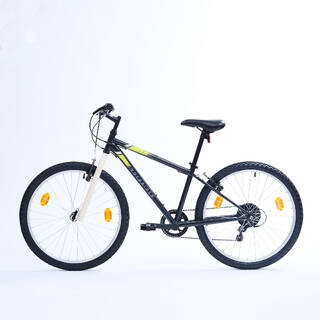
Kids cycles from Btwin deploy high-tensile steel frames engineered for maximum rider weights between 25 kg and 60 kg, depending on wheel diameter. The 14-inch and 16-inch models use single-tube top frames with reinforced seat tube junctions to handle impact loads from kerb drops and playground riding. Steel tubing offers superior crash resilience compared to aluminium at this price tier, absorbing shock without catastrophic failure when young riders misjudge braking distances on concrete surfaces.
Frame geometry follows age-specific biomechanics. The 12-inch and 14-inch Btwin models feature low standover heights (220 mm to 260 mm) that allow toddlers aged 3 to 5 years to plant both feet flat on the ground while seated, critical for confidence building during balance acquisition. As wheel sizes progress to 20-inch and 24-inch variants for riders aged 6 to 12 years, seat tube angles steepen from 68 degrees to 71 degrees, matching the developing leg extension ratios and hip flexion angles of pre-adolescent riders. Adjustable seatpost collars with quick-release levers enable parents to increment saddle height in 10 mm steps across a 100 mm to 150 mm range, extending usable lifespan across two to three years of rapid growth spurts.
Braking Systems and Wet-Surface Stopping Power for Indian Monsoon Conditions
Entry-level Btwin kids cycles for ages 3 to 6 use coaster brakes (pedal-backward actuation) combined with front caliper rim brakes. Coaster brakes eliminate hand-strength requirements for toddlers still developing fine motor control, delivering consistent stopping force through intuitive reverse pedaling. The rear hub coaster mechanism generates approximately 40 Nm of braking torque, sufficient to lock the rear wheel on dry tarmac within 1.5 to 2 meters at typical riding speeds of 8 to 12 km/h.
Models sized 20-inch and above transition to dual V-brake systems with child-specific brake levers featuring reduced reach (65 mm to 75 mm span from handlebar to lever pivot). These levers require 30 percent less grip force than adult equivalents, accommodating smaller hand sizes and lower finger strength. Brake pads use rubber compounds optimized for wet-weather friction, maintaining 70 percent of dry-surface bite coefficient during monsoon rides when water films coat steel or aluminium rims. Parents must inspect brake pad wear indicators monthly, as humid coastal environments accelerate rubber degradation, reducing effective pad life to 600 to 800 km compared to 1,200 km in arid climates.
Drivetrain Gearing Ratios and Pedaling Efficiency Across Flat and Inclined Terrain
Single-speed drivetrains dominate the 12-inch to 16-inch Btwin range, pairing 28-tooth front chainrings with 11-tooth rear cogs for a 2.54:1 gear ratio. This configuration delivers optimal cadence ranges of 60 to 80 RPM for young riders navigating flat apartment complexes and park pathways, preventing leg fatigue while maintaining forward momentum at 6 to 10 km/h cruising speeds. The absence of derailleurs eliminates mechanical complexity and reduces maintenance to periodic chain lubrication every 150 km.
Multi-speed variants appear in 20-inch and 24-inch models, introducing 6-speed or 7-speed Shimano Tourney indexed shifting. Gear ranges span 34-tooth to 14-tooth cassettes paired with 36-tooth front chainrings, yielding ratios from 2.57:1 (climbing) to 1.00:1 (flat sprints). Grip-shift rotary shifters require 90-degree wrist rotation per gear change, simpler for children than thumb-actuated trigger shifters. These gearing options prove essential for riders tackling gradual inclines in hilly neighborhoods or weekend rides on undulating rural roads, where single-speed setups force unsustainable high-cadence grinding or excessive standing pedaling that strains developing knee joints.
Tire Tread Patterns and Puncture Resistance for Mixed-Surface Riding
Btwin kids cycles mount semi-slick tires with shallow 1.5 mm to 2 mm tread blocks, balancing low rolling resistance on paved surfaces with adequate grip on packed dirt and gravel. Tire widths range from 1.75 inches on 12-inch wheels to 2.10 inches on 24-inch wheels, providing contact patch areas sufficient to distribute rider weight and prevent sinking into soft sand or loose soil common in Indian playgrounds and park trails. Recommended inflation pressures sit between 30 PSI and 40 PSI, a compromise that cushions impacts from potholes and speed bumps while maintaining directional stability.
Puncture protection layers vary by model tier. Base variants use single-ply nylon casings vulnerable to thorns and glass shards, requiring tube replacements every 400 to 600 km in urban environments with poor road cleanliness. Mid-range Btwin models integrate 1 mm to 1.5 mm puncture-resistant belts beneath the tread surface, extending tube life to 1,000 km by deflecting sharp objects before they penetrate the inner tube. Parents should carry portable hand pumps and spare tubes during extended rides, as tire failures remain the most frequent mechanical issue for kids cycles due to lower-quality rubber compounds and thinner sidewall construction compared to adult bikes.
Safety Features and Visibility Enhancements for Low-Light Riding
Btwin kids cycles incorporate mandatory safety elements including chainguards that enclose 270 degrees of the front chainring perimeter, preventing trouser legs and shoelaces from entangling in the drivetrain during pedaling. Enclosed spoke guards on rear wheels block fingers and sticks from inserting into rotating spokes, a critical safeguard when young passengers ride on rear-mounted child seats. Handlebar grips feature flared end caps that prevent handlebar ends from impaling riders during falls, while padded crossbar pads on smaller frames cushion impacts if children pitch forward during sudden stops.
Reflective elements include wheel-mounted spoke reflectors (amber or white) visible from lateral angles, plus rear fender-mounted red reflectors complying with Indian road safety standards. Front and rear LED light mounts accept battery-powered lamps for early morning or evening rides, essential during winter months when daylight hours shrink and children commute to school in dim conditions. Bright color schemes (neon yellow, electric blue, vivid pink) enhance daytime visibility in traffic-heavy areas. Parents should retrofit additional reflective tape along frame tubes and fork legs to maximize conspicuity from all approach angles, as children's lower riding positions make them less visible to motorists compared to adult cyclists.
Maintenance Intervals and Component Longevity in High-Humidity Environments
Humid coastal climates and monsoon exposure accelerate corrosion on steel frames and uncoated components. Owners should apply thin coats of automotive wax or frame protectant spray to exposed steel tubes every 90 days, creating hydrophobic barriers that repel moisture and delay rust formation. Chrome-plated handlebars and seatposts resist oxidation better than painted steel but still require monthly wipe-downs with dry cloths to remove salt deposits in marine environments.
Chain maintenance demands bi-weekly lubrication using wet-formula chain oils during monsoon months, as water rinses away lighter dry lubes within 50 km of riding. Excess oil attracts dust and grit, forming abrasive pastes that wear chainring teeth and cog profiles. The ideal approach involves wiping chains clean with rags, then applying single drops of oil to each roller link before back-pedaling to distribute lubricant evenly. Brake cable housings should receive annual replacement, as internal corrosion increases lever pull force and degrades braking precision. Bottom bracket bearings, typically loose-ball designs in kids cycles, require annual repacking with lithium grease to prevent grinding and play that destabilizes pedaling. Tire pressures drop 5 PSI per month through natural permeation, necessitating weekly pressure checks using analog or digital gauges to maintain optimal inflation and prevent pinch flats from under-inflated tubes bottoming out against rims during kerb strikes.
FAQ (Frequently Asked Questions)
Q1. What size should I choose for a kids cycle?
It is important to choose a kids bike with the appropriate frame size so that the child can touch the ground when sitting.
Q2. What age should a child be able to cycle?
We have bikes starting for 2 year olds where they can learn the art of balancing and turning before pedaling and riding.
Q3. What is the best bicycle for a 4 year old?
Robot 16 inch or any 16 inch bike could be the best bike for a 4 year old. Bikes for kids are measured in wheel sizes. each wheel size corresponds to an age group.
Q4. How do I choose a bike for my child?
Choice of a kids bike is mainly done by the height and age of the child. Use this link to find out more
Q5. What is the best bike for 7 year old?
Any 20 inch bike could be the best bike for a 4 year old. Bikes for kids are measured in wheel sizes. each wheel size corresponds to an age group.
Q6. What wheel size should I choose for my child's age and height?
Match wheel diameter to inseam length, not age alone. 12-inch wheels suit riders with 35 cm to 42 cm inseams (typically ages 2 to 4), while 16-inch fits 42 cm to 50 cm inseams (ages 4 to 6). Measure from floor to crotch with shoes on, then ensure 5 cm to 8 cm clearance between saddle and ground when seated. Children should plant both feet flat for stability during learning phases.
Q7. How do I know when to upgrade from training wheels to a two-wheeler?
Remove training wheels once your child maintains balance for 10 to 15 meters on a balance bike or while coasting downhill without pedaling. Training wheels prevent natural leaning into turns and delay balance development. Lower the saddle so feet touch ground easily, then practice gliding with feet up before introducing pedaling. Most children transition successfully between ages 4 and 6 with this method.
Q8. Are single-speed cycles sufficient for riding in hilly residential areas?
Single-speed drivetrains work on gradients up to 4 to 5 percent, typical of gentle apartment complex slopes. Steeper inclines above 6 percent force children to stand and grind, straining knees and causing early fatigue. If your neighborhood features sustained climbs, choose 6-speed or 7-speed models with low gearing ratios (2.5:1 or lower) that allow seated climbing at comfortable cadences.
Q9. How often should I replace brake pads on a kids cycle?
Inspect brake pads every 200 km or monthly, whichever comes first. Replace pads when wear indicator grooves disappear or pad thickness drops below 2 mm. Monsoon riding and hilly terrain accelerate wear, reducing pad life to 600 km versus 1,000 km in dry, flat conditions. Worn pads increase stopping distances and can score brake rims, requiring costly rim replacements.
Q10. What is the maximum rider weight limit for 20-inch Btwin cycles?
Most 20-inch Btwin models support maximum rider weights of 50 kg to 60 kg, including any cargo in handlebar baskets or rear racks. Exceeding weight limits stresses frame welds, bends wheels, and compresses tires beyond safe operating pressures. Check the frame decal or manual for exact load ratings, as limits vary between steel and aluminium frame variants.
Q11. Can I fit fatter tires on my child's cycle for better grip on loose surfaces?
Tire width is limited by frame and fork clearance, typically maxing out at 2.10 inches on 20-inch wheels and 2.20 inches on 24-inch wheels. Measure existing clearance between tire sidewalls and frame stays, ensuring at least 6 mm gap on each side to prevent mud buildup from locking wheels. Wider tires improve traction but increase rolling resistance, slowing speeds on paved roads.
Q12. How do I prevent rust on the steel frame during monsoon storage?
Store cycles indoors in dry areas, away from damp walls and floors. Wipe frames dry after wet rides, then apply thin coats of automotive wax or silicone spray to exposed steel tubes. Remove the chain, clean it with degreaser, dry thoroughly, then soak in oil before reinstalling. Cover the cycle with breathable fabric (not plastic tarps that trap moisture) if outdoor storage is unavoidable.
Q13. What tools do I need for basic home maintenance on a kids cycle?
A starter toolkit includes 8 mm, 10 mm, and 15 mm open-end wrenches for axle nuts and seat clamps, Phillips and flathead screwdrivers for brake and derailleur adjustments, a chain cleaning brush, wet-formula chain lube, and a floor pump with pressure gauge. Add a spoke wrench for wheel truing and a chain wear indicator tool if you plan to extend component life through proactive replacements.
Q14. Are coaster brakes safer than hand brakes for young children?
Coaster brakes suit ages 3 to 6 who lack hand strength to modulate rim brakes effectively. They deliver consistent stopping power through intuitive pedal-backward motion, eliminating the risk of over-squeezing front brakes and flipping forward. Transition to hand brakes by age 7 when grip strength develops and children begin riding faster speeds that require independent front and rear brake control for optimal stopping distances.
Q15. How do I adjust the saddle height as my child grows?
Loosen the seatpost quick-release lever or hex bolt, raise the saddle in 10 mm increments, then retighten firmly. Correct height allows a slight knee bend (25 to 30 degrees) when the pedal reaches bottom dead center. Avoid raising the seatpost beyond the minimum insertion line etched on the post, as insufficient clamping depth can cause the post to slip or break under load. Re-check saddle height every three months during growth spurts.