Kids Cycles


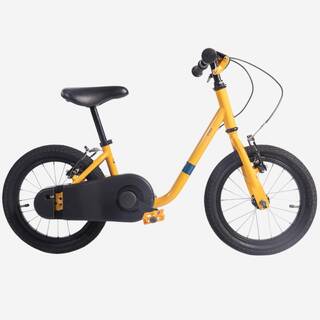

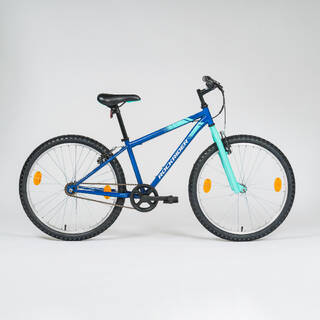

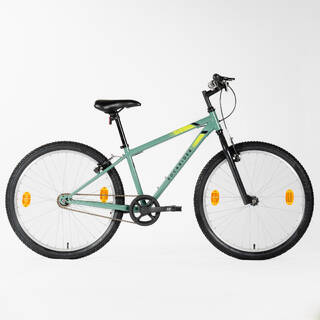
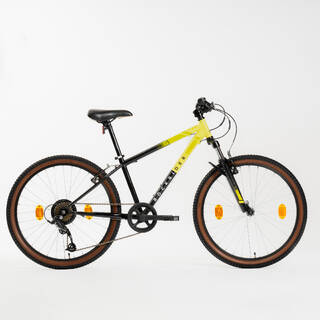
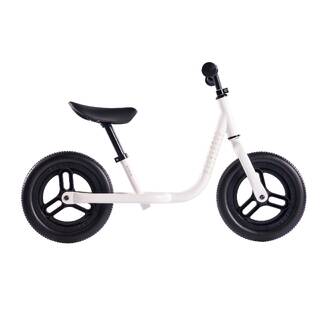
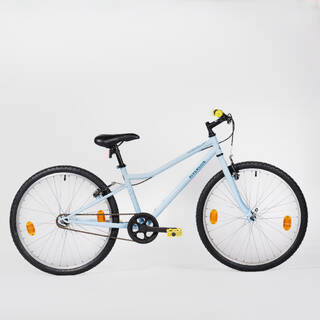
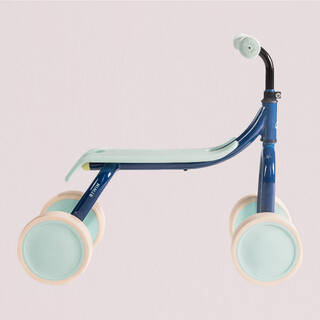
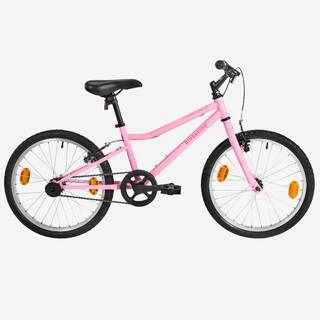
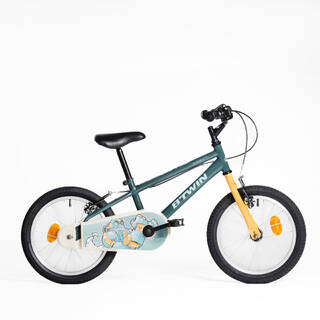
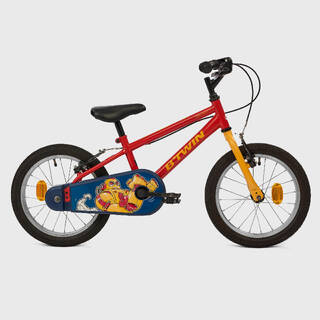
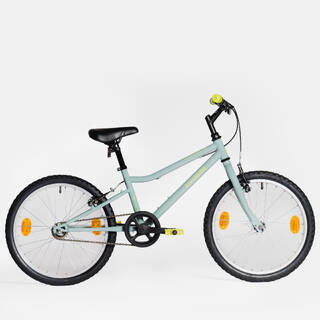

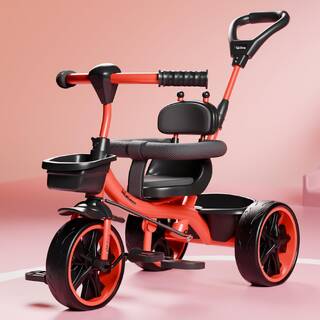
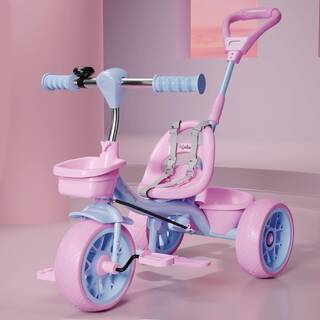
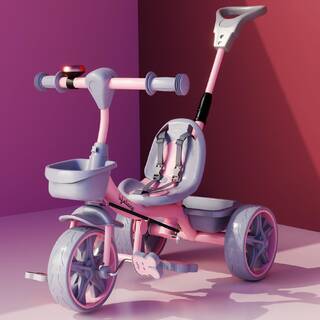
Buy Kids Cycles Online at Decathlon India | Cycles for Boys & Girls
Finding the right cycle for your child starts with understanding their age, height, and riding confidence. Decathlon India offers a complete range of kids cycles designed for Indian roads, parks, and neighbourhood streets. Our Btwin brand focuses on lightweight aluminium frames that make pedalling easier for young riders, stable geometry that builds confidence, and reliable braking systems that respond quickly to small hands. Every cycle is tested for durability on concrete surfaces, uneven pavements, and the occasional bump that comes with learning to ride.
Indian parents need cycles that handle dust, heat, and monsoon moisture without constant repairs. Our kids cycles feature rust-resistant components, puncture-resistant tyres with good grip on wet tar, and easy-to-clean frames that survive muddy puddles and playground adventures. We stock cycles for toddlers taking their first pedal strokes, school-going children riding to tuition classes, and confident young riders ready for longer weekend rides. Training wheels, adjustable seats, and protective chain guards come standard on beginner models. Bright colours, sturdy kickstands, and reliable bell systems make every ride safer and more enjoyable.
How to Choose the Right Kids Cycle by Age and Height
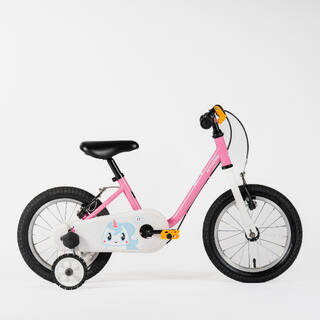
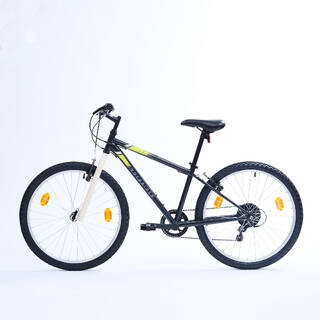
Wheel size determines comfort and control. Toddlers aged 2 to 4 years (height 85 to 100 cm) ride best on 12-inch wheels with training wheels for balance support. Children aged 4 to 6 years (height 100 to 115 cm) move comfortably to 14-inch or 16-inch wheels as coordination improves. Kids aged 6 to 9 years (height 115 to 135 cm) handle 20-inch wheels with confidence, while older children aged 9 to 12 years (height 135 to 150 cm) graduate to 24-inch wheels that prepare them for adult-sized cycles.
Frame height matters as much as wheel size. Your child should sit on the saddle with feet flat on the ground, knees slightly bent when pedalling, and hands reaching the handlebars without stretching forward. Adjustable seat posts extend the usable lifespan by 1 to 2 years as your child grows. Test the standover height by having your child straddle the frame with both feet flat. A gap of 2 to 5 cm between the frame and their body ensures safe dismounts. Lightweight aluminium frames reduce fatigue on longer rides and make it easier for children to manoeuvre around corners and obstacles.
Safety Features and Braking Systems for Young Riders
Reliable brakes build confidence and prevent accidents. Younger children (ages 2 to 6) benefit from coaster brakes that engage by pedalling backwards, a natural motion that requires less hand strength. Older children (ages 6 and up) transition to caliper or V-brakes operated by hand levers, developing the coordination needed for adult cycling. Brake levers should sit close to the handlebars so small hands can grip and squeeze firmly without straining.
Chain guards prevent clothing, shoelaces, and fingers from getting caught in moving parts. Reflectors on pedals, wheels, and rear frames improve visibility during early morning or evening rides. Sturdy kickstands keep cycles upright during stops, protecting paint and components from ground damage. Padded handlebar grips reduce hand fatigue and vibration on rough roads. Bell systems alert pedestrians and other cyclists, teaching road awareness from an early age. Our Btwin cycles include these safety features as standard, not optional extras.
Durability and Maintenance for Indian Weather Conditions
Indian summers, monsoons, and dusty conditions demand cycles built to last. Rust-resistant steel or lightweight aluminium frames withstand high humidity without corroding. Sealed bearings in hubs and pedals keep dust and water out, reducing maintenance frequency. Puncture-resistant tyres with thicker rubber compounds handle sharp stones, broken glass, and thorny debris common on Indian roads and park paths.
Regular maintenance extends cycle lifespan and ensures safe rides. Check tyre pressure weekly, keeping it within the range printed on the tyre sidewall for smooth rolling and good grip. Lubricate the chain every two weeks during dry months, and weekly during monsoons when moisture washes away protective oil. Inspect brake pads monthly for wear, replacing them when rubber thickness drops below 2 mm. Tighten handlebar and seat bolts every month to prevent loosening from vibrations. Store cycles indoors or under covered areas to protect paint and components from direct sun and rain. A simple wipe-down after muddy rides prevents dirt buildup in gears and brakes.
Training Wheels and Transitioning to Independent Riding
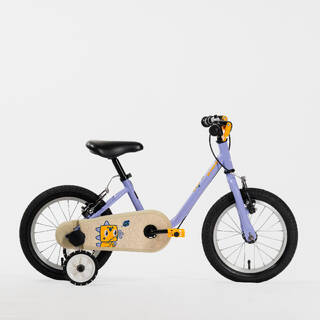
Training wheels provide stability while children develop pedalling rhythm and steering control. Btwin cycles for younger riders include adjustable training wheels that can be raised gradually as balance improves. Start with both wheels touching the ground equally, then raise them slightly (1 to 2 cm) after a few weeks so the cycle tilts gently during turns. This teaches weight shifting without the fear of falling.
Removing training wheels marks an exciting milestone. Choose a flat, grassy area for the first attempts, where soft ground cushions any tumbles. Lower the saddle so your child's feet reach the ground easily, allowing them to catch themselves if balance wavers. Hold the back of the seat (not the handlebars) while they pedal, providing stability without interfering with steering. Run alongside for 3 to 5 metres, then let go briefly and increase the distance as confidence grows. Most children master independent riding within 2 to 4 practice sessions. Celebrate progress and keep sessions short (15 to 20 minutes) to maintain enthusiasm.
Accessories and Upgrades for Comfort and Fun
A properly fitted helmet is non-negotiable. It should sit level on the head (not tilted back), with the front edge 2 cm above the eyebrows. Side straps form a V-shape under each ear, and the chin strap fastens snugly with space for one finger between strap and chin. Replace helmets after any crash, even if no visible damage appears, as internal foam may compress and lose protective ability.
Water bottle cages keep hydration within reach on longer rides. Front or rear baskets carry school bags, snacks, or toys, adding practical utility for daily errands. Handlebar streamers and spoke beads let children personalise their cycles, increasing attachment and care. Mudguards protect clothing from splashes during monsoon rides. A sturdy lock teaches responsibility and prevents theft when parked outside shops or friends' homes. LED front and rear lights improve visibility during early morning or evening rides, especially important near traffic or in low-light conditions.
FAQ (Frequently Asked Questions)
Q1. What size cycle should I buy for my 6-year-old child?
Most 6-year-olds (height 115 to 125 cm) ride comfortably on 20-inch wheel cycles. Have your child sit on the saddle with feet flat on the ground and knees slightly bent when pedalling. If they are between sizes, choose the larger wheel size with an adjustable seat post for 1 to 2 years of growth. Bring your child to a Decathlon store for a test ride to confirm proper fit and comfort.
Q2. Are Btwin kids cycles suitable for Indian roads and weather?
Yes, Btwin cycles are designed with rust-resistant frames, sealed bearings that keep out dust and moisture, and puncture-resistant tyres for rough Indian roads. They handle high humidity, monsoon rains, and summer heat without frequent repairs. Regular chain lubrication and indoor storage extend durability in all weather conditions.
Q3. How do I know when to remove training wheels?
Remove training wheels when your child can pedal smoothly, steer around gentle curves, and brake confidently without wobbling. Gradually raise training wheels over 2 to 3 weeks so the cycle tilts slightly during turns, teaching balance before full removal. Most children transition successfully between ages 4 and 6, though readiness varies by individual confidence and practice frequency.
Q4. How often should I service my child's cycle?
Check tyre pressure weekly and lubricate the chain every two weeks during dry months, or weekly during monsoons. Inspect brakes, tighten bolts, and clean the frame monthly. Take the cycle to a Decathlon workshop every 6 months for a full check of gears, bearings, and brake pads, or sooner if you notice unusual sounds or difficulty pedalling.
Q5. Can my child use the same cycle for 3 to 4 years?
Cycles with adjustable seat posts and handlebars typically fit for 2 to 3 years as your child grows. Beyond that, frame size and wheel diameter become too small for comfort and safe riding posture. Choosing the right size initially, rather than buying oversized for future growth, ensures better control and confidence during the learning phase.
Q6. What safety gear should my child wear while cycling?
A properly fitted helmet is essential for every ride, covering the forehead and fastened snugly under the chin. Knee and elbow pads provide extra protection for beginners still mastering balance. Closed-toe shoes with good grip prevent foot slips off pedals. Bright-coloured clothing and reflective strips improve visibility to motorists and other cyclists, especially during early morning or evening rides.