Trekking Shoes


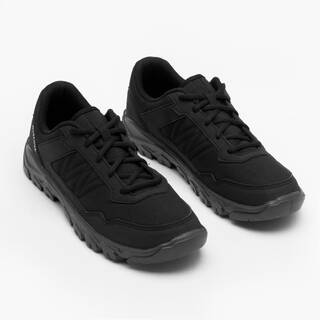

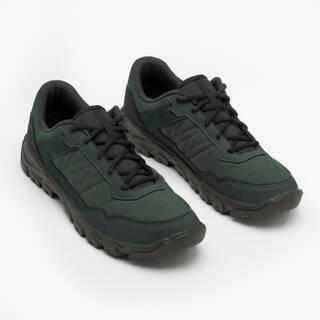
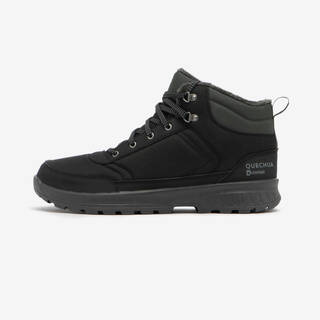
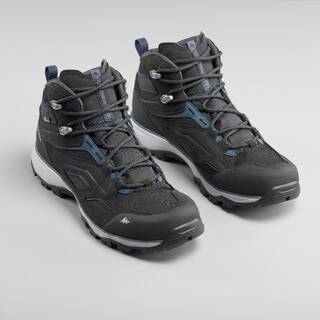
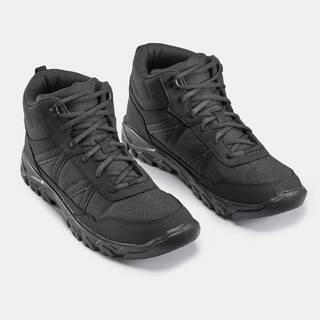
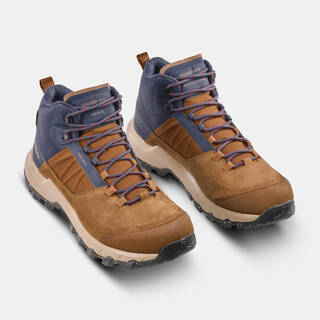
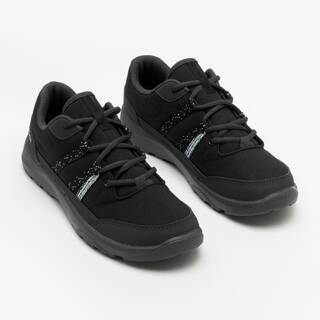
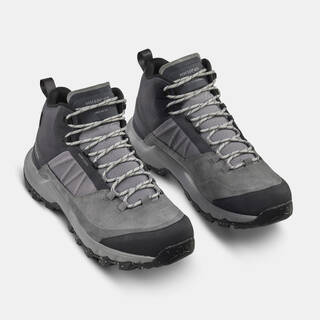
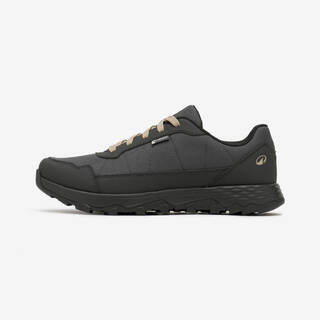
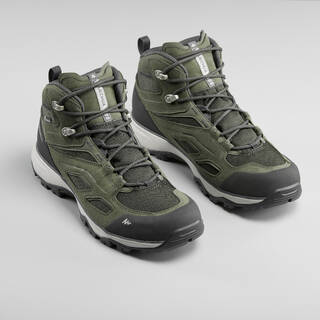
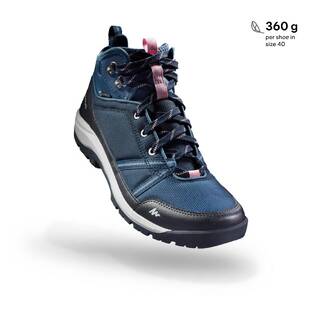
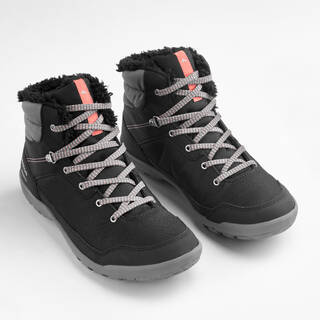
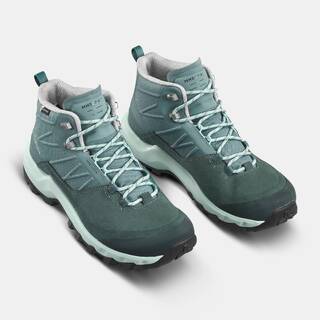
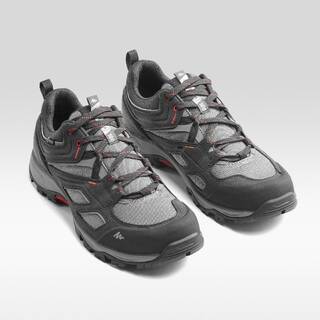
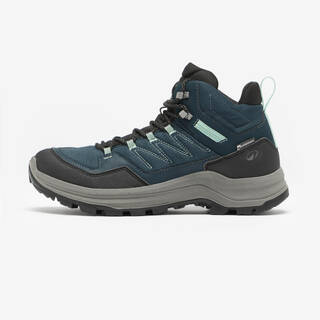
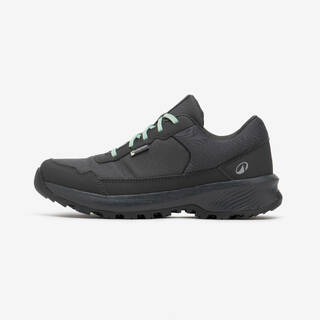
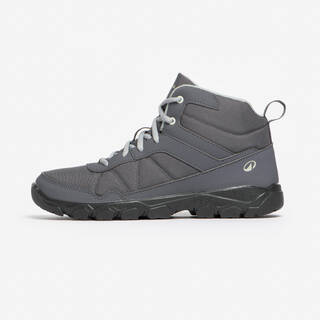
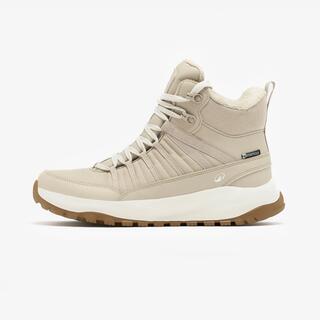
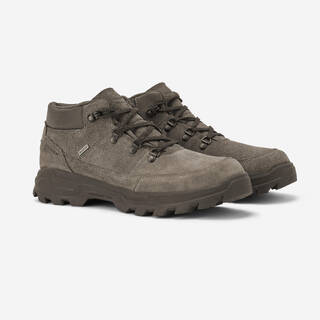
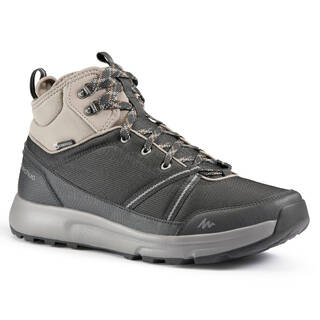
High-Traction Outsole Architecture for Wet Himalayan Trails and Monsoon Rock Surfaces
Trekking shoes engineered for Indian mountain terrain demand aggressive lug patterns with depth measurements between 4mm and 7mm. Shallow city walking treads fail on moss-covered boulders in Uttarakhand or rain-slicked laterite paths across the Western Ghats. Deep, multi-directional lugs bite into loose scree during descents and provide braking traction when navigating steep gradients. Rubber compounds must balance hardness for durability against softness for grip. Decathlon's Quechua trekking range integrates high-abrasion rubber with flex grooves that maintain ground contact across uneven surfaces.
Outsole design separates into three functional zones: heel strike absorption, midfoot stability, and forefoot propulsion. Heel lugs angle backward to resist slippage during downhill sections where gravitational pull increases rearward sliding forces. Forefoot lugs angle forward to grip during uphill climbs when toe-off requires maximum traction. Lateral sidewall lugs prevent ankle roll on off-camber trails common in Spiti Valley and Ladakh routes. Monsoon trekking introduces hydrophobic challenges where water films reduce friction coefficients. Siped lug edges (thin cuts within each lug block) channel water away from contact patches, restoring grip on wet granite and muddy forest floors.
Waterproof Membrane Technology and Breathability Trade-Offs in Humid Lowland Treks
Waterproof membranes in trekking footwear create vapor barriers that block external moisture while theoretically allowing internal sweat vapor to escape. Hydrostatic head ratings measure water column pressure resistance, with 10,000mm PU coatings providing adequate protection for stream crossings and sustained rain exposure. However, membrane breathability degrades in high-humidity environments (above 80% relative humidity) common during monsoon treks in Kerala, Sikkim, or Meghalaya. When external vapor pressure matches internal foot vapor pressure, moisture transfer halts. Sweat accumulates inside the shoe, leading to blister formation and macerated skin.
Non-waterproof trekking shoes with quick-dry mesh uppers offer superior ventilation for lowland humid treks and summer Himalayan approaches below snowline. Polyester mesh with 1.5mm to 2mm ventilation ports accelerates evaporative cooling. These designs accept that feet will get wet during water crossings but prioritize rapid drainage and drying. For high-altitude winter treks or extended monsoon expeditions, waterproof models become necessary despite reduced breathability. Quechua's MH500 and MH900 lines differentiate between these use cases, offering both membrane-equipped and fast-drying mesh constructions depending on trek duration, altitude, and seasonal weather patterns.
Ankle Support Mechanics: Mid-Cut Versus Low-Cut Collar Heights for Load-Bearing Stability
Ankle collar height directly influences lateral stability under load. Mid-cut designs (collars rising 8cm to 10cm above the sole) provide mechanical resistance against inversion and eversion ankle movements. When carrying backpack loads between 10kg and 20kg, the body's center of gravity shifts upward and rearward. This elevated mass increases torque forces at the ankle joint during uneven terrain navigation. Mid-cut collars act as physical backstops, limiting extreme ankle angles that could strain ligaments. Padded collar foam distributes pressure across the malleolus bones, preventing hotspots during multi-day treks.
Low-cut trekking shoes (collars at or below ankle bone height) maximize range of motion for fast-paced day hikes with minimal pack weight. Reduced material weight (typically 50g to 80g lighter per pair) decreases metabolic cost during long-distance approaches. Ankle proprioception (the body's spatial awareness of joint position) remains unobstructed, allowing natural stabilization reflexes to engage. Experienced trekkers with strong ankle musculature and ligament conditioning often prefer low-cut models for technical scrambles requiring precise foot placement. Beginners or those with previous ankle injuries benefit from mid-cut reinforcement. Quechua designs both profiles, with the Forclaz range emphasizing lightweight low-cut options for alpine fast-packing and the MH series offering mid-cut support for load-carrying expeditions.
Midsole Cushioning Systems: EVA Density Gradients and Rock Plate Protection for Sharp Terrain
Midsole foam absorbs impact forces generated during downhill descents, where ground reaction forces can reach 2.5 to 3 times body weight per footstrike. Single-density EVA foam (ethylene-vinyl acetate) compresses uniformly but lacks targeted support. Dual-density midsoles layer softer foam (shore hardness 45A to 50A) in the heel for cushioning with firmer foam (55A to 60A) in the midfoot for stability. This gradient prevents excessive pronation (inward ankle roll) while maintaining shock attenuation. Compression set resistance determines foam longevity. Low-quality EVA loses 30% to 40% of its cushioning after 300km to 400km of trekking. Higher-grade formulations retain performance beyond 800km.
Rock plates (thin thermoplastic or fiberglass sheets embedded between the midsole and outsole) shield feet from sharp stone edges and root protrusions. Trails across Rajasthan's Aravalli Range or Karnataka's rocky plateaus feature jagged surfaces that concentrate pressure into small contact points. Without rock plate distribution, these pressure spikes cause bruising on the plantar surface of the foot. Flexible rock plates bend with natural foot articulation while maintaining protective coverage. Rigid plates offer maximum protection but restrict forefoot flex, increasing calf fatigue. Quechua integrates semi-flexible plates in technical trekking models, balancing protection with biomechanical efficiency for multi-hour ascents and descents.
Sizing Precision and Toe Box Volume for Downhill Descent and Blister Prevention
Proper trekking shoe fit requires 10mm to 15mm of empty space (approximately one thumb width) between the longest toe and the shoe's interior front wall. During steep descents, gravitational momentum pushes the foot forward inside the shoe. Insufficient toe clearance causes repeated nail bed trauma (black toenails) and subungual hematomas. Excessive clearance allows the foot to slide, creating friction hotspots on the heel and midfoot. Width sizing matters equally. Narrow toe boxes compress the metatarsal heads, restricting blood flow and causing numbness during extended wear. Wide toe boxes allow natural toe splay, distributing pressure across the entire forefoot.
Indian foot morphology varies regionally, with northern populations often exhibiting narrower heels and wider forefeet compared to southern populations. European-lasted shoes may not accommodate these proportions. Trying shoes in the afternoon or evening accounts for foot swelling (volume increase of 4% to 8%) that occurs during prolonged activity. Wearing the same sock thickness intended for trekking during fitting ensures accurate volume assessment. Lacing techniques modify fit: skipping eyelets relieves pressure on high insteps, while heel-lock lacing (runner's loop) prevents heel slippage. Quechua designs incorporate asymmetric lacing patterns that follow the natural angle of the foot, reducing pressure points along the dorsal surface.
Maintenance Protocols for Extended Lifespan in Dust, Mud, and High-UV Exposure Conditions
Post-trek cleaning removes abrasive particles (sand, dust, dried mud) that degrade fabric mesh and accelerate sole delamination. Rinsing with cool water and a soft brush dislodges debris from lug channels and seam interfaces. Hot water damages adhesive bonds between sole units and upper materials. Air drying in shaded, ventilated areas prevents UV degradation of polyester fibers and rubber oxidation. Direct sunlight exposure causes polymer chain breakdown, reducing tensile strength by 15% to 25% over repeated exposure cycles. Stuffing shoes with newspaper accelerates internal moisture removal and maintains shape integrity.
Waterproof membrane care requires periodic reactivation of DWR (durable water repellent) coatings. After 80 to 100 hours of use, surface contamination (body oils, dirt) clogs fabric pores, causing water to saturate the outer layer rather than beading off. Washing with technical fabric cleaners restores DWR function. Avoid fabric softeners and detergents with residual oils that coat fibers. Midsole foam longevity extends through rotation: alternating between two pairs allows foam cells to fully decompress between uses, reducing permanent compression set. Storage in cool, dry environments (below 25°C, under 60% humidity) prevents mold growth and adhesive creep. Inspecting stitching and sole attachment points before each trek identifies early failure signs, allowing repair before catastrophic separation occurs mid-expedition.
FAQ (Frequently Asked Questions)
Q1. What is the difference between Quechua MH100, MH500, and MH900 trekking shoes?
MH100 models target day hikes on maintained trails with basic mesh uppers and standard EVA midsoles. MH500 introduces waterproof membranes, deeper lug patterns (5mm to 6mm), and dual-density midsoles for multi-day treks with moderate pack weight. MH900 represents technical alpine designs with rock plates, reinforced toe caps, and high-abrasion Contagrip outsoles for rugged Himalayan terrain and load-carrying expeditions.
Q2. Can I use trekking shoes for monsoon hikes in the Western Ghats or should I choose non-waterproof models?
Waterproof trekking shoes trap sweat in high-humidity monsoon conditions (above 80% relative humidity), often causing more internal moisture than they block externally. Non-waterproof quick-dry mesh models drain water rapidly after stream crossings and dry within 2 to 3 hours of walking. For multi-day monsoon treks where feet will remain wet regardless, prioritize drainage and fast-drying construction over waterproof membranes.
Q3. How much toe space should I have in trekking shoes to prevent black toenails on downhill sections?
Maintain 10mm to 15mm of clearance (one thumb width) between your longest toe and the shoe's front interior wall. During steep descents, momentum pushes your foot forward. Insufficient space causes repeated nail trauma and subungual bleeding. Try shoes in the evening when feet are naturally swollen, and wear the same sock thickness you'll use during treks.
Q4. Do mid-cut trekking shoes actually prevent ankle sprains or is low-cut sufficient?
Mid-cut collars provide mechanical resistance against extreme ankle inversion angles, particularly valuable when carrying 10kg to 20kg backpack loads that raise your center of gravity. They do not prevent sprains outright but limit range of motion into injury-prone positions. Low-cut shoes allow full proprioceptive feedback and natural stabilization reflexes. Choose mid-cut for heavy loads or unstable ankles, low-cut for fast-paced day hikes with minimal weight.
Q5. What lug depth do I need for wet rock surfaces in Himalayan treks versus dry Rajasthan trails?
Wet rock and moss-covered surfaces require aggressive lug depths between 5mm and 7mm with siped edges (thin cuts) that channel water away from contact patches. Dry desert trails function adequately with 3mm to 4mm lugs. Deeper lugs provide superior braking traction on steep descents and prevent slippage on loose scree common in Ladakh and Spiti Valley routes.
Q6. How long do EVA midsoles last in trekking shoes before losing cushioning performance?
Standard EVA foam loses 30% to 40% of shock absorption after 300km to 400km of trekking due to compression set (permanent cell collapse). Higher-grade dual-density EVA formulations retain performance beyond 800km. Rotating between two pairs allows foam cells to decompress fully between uses, extending total lifespan. Inspect midsoles for visible creasing or flattened sections indicating replacement need.
Q7. Should I buy trekking shoes one size larger to accommodate foot swelling during long treks?
No. Proper fit includes 10mm to 15mm toe clearance already accounting for forward foot slide during descents. Buying oversized shoes causes heel slippage and midfoot friction blisters. Instead, try shoes in the afternoon or evening when feet are naturally swollen (4% to 8% volume increase). This simulates the foot dimensions you'll experience after several hours of trekking.
Q8. Can I use the same trekking shoes for both summer Himalayan treks and winter snow conditions?
Summer mesh trekking shoes lack insulation and waterproofing necessary for snow and sub-zero temperatures. Winter alpine boots require insulated linings, gaiter attachments, and crampon-compatible toe welts. For three-season use (spring through autumn), waterproof mid-cut models with moderate insulation handle light snow and cold rain. Dedicated winter mountaineering demands specialized footwear with thermal ratings and rigid sole construction.
Q9. How do I restore water repellency on my trekking shoes after the outer fabric starts absorbing water?
Wash shoes with technical fabric cleaner to remove body oils and dirt clogging fabric pores. Avoid regular detergents and fabric softeners that leave residue. After air drying, apply DWR (durable water repellent) spray treatment to the outer fabric. Heat activation (using a hairdryer on low setting) bonds the coating to fibers. Reapply DWR every 80 to 100 hours of use to maintain water-beading performance.
Q10. What is the purpose of rock plates in trekking shoes and do I need them for all trails?
Rock plates are thin thermoplastic or fiberglass sheets that distribute sharp stone pressure across the entire foot sole, preventing bruising from concentrated impact points. They are essential for rocky terrain like Rajasthan's Aravalli Range or Karnataka's boulder fields. Maintained forest trails with soft soil do not require rock plate protection. Semi-flexible plates balance protection with natural foot articulation, reducing calf fatigue on technical ascents.