Skating


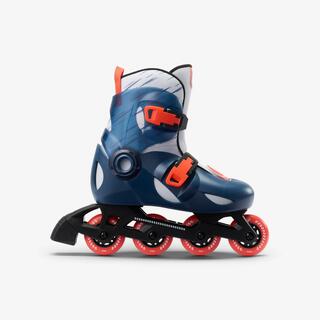

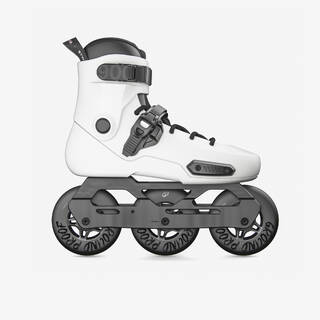

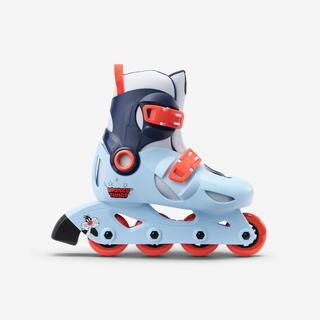
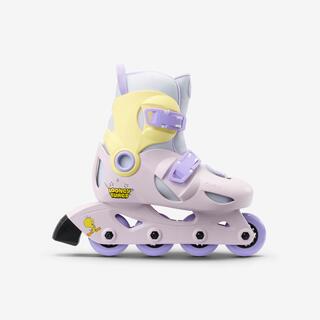


Inline Skates Built for Indian Concrete and Asphalt Surfaces
Indian skating demands equipment engineered to withstand high-impact concrete landings, uneven asphalt patches, and year-round thermal expansion of urban surfaces. Oxelo inline skates deploy high-rebound polyurethane wheels rated between 78A and 85A durometer hardness, calibrated to absorb shock loads from rough municipal pavements while maintaining roll speed. Wheel diameters span 76mm for agile urban slalom control to 90mm for sustained cruising velocity on long stretches. ABEC-rated bearings (ABEC-5 to ABEC-7) reduce friction coefficients, enabling smoother glide across gritty surfaces common in Indian parks and promenades.
Frame construction separates beginner stability from advanced performance. Composite polypropylene frames suit learners requiring torsional flex to forgive ankle wobble during initial balance drills. Aluminium extruded frames (6061 alloy) deliver rigid power transfer for intermediate skaters executing crossovers and tight turns at higher speeds. Boot cuff height directly influences ankle support: high-cuff designs (rising 12 to 15cm above the ankle bone) lock lateral movement for aggressive skating and ramp work, while low-cuff models prioritize forward flex for fitness skating and long-distance urban routes. Ventilated mesh panels combat monsoon humidity, preventing sweat pooling that degrades liner foam over repeated sessions.
Quad Skates and Roller Disco Setups for Controlled Maneuverability
Quad skate geometry positions four wheels in a rectangular layout, lowering the center of gravity and widening the stability base compared to inline configurations. This architecture suits dancers, artistic skaters, and beginners who prioritize balance over straight-line speed. Oxelo quad models feature 54mm to 62mm diameter wheels mounted on kingpin trucks with adjustable pivot angles. Tightening the kingpin nut increases truck stiffness for predictable tracking during spins and toe-stop pivots. Loosening the nut permits sharper edge transitions for rhythm skating and backward glides.
Toe-stop materials differentiate braking performance. Rubber toe-stops compress under load, offering gradual deceleration ideal for novice skaters learning controlled stops on sloped surfaces. Polyurethane toe-stops resist wear longer but demand precise weight transfer to engage braking friction. Boot construction mirrors inline standards: padded ankle collars distribute pressure across the Achilles tendon, while reinforced heel counters prevent medial collapse during lateral weight shifts. Indian rink surfaces (often polished concrete or synthetic tiles) require wheels with 88A to 92A hardness to minimize rolling resistance while maintaining grip during crossover steps and edge work.
Protective Gear Engineered for High-Impact Indian Skating Environments
Concrete and asphalt impose severe abrasion and impact forces during falls. Oxelo protective sets integrate multi-density foam padding: soft EVA layers absorb initial shock, while rigid polypropylene caps distribute impact energy across broader surface areas to reduce localized bruising. Knee pads extend 18 to 22cm vertically to shield the patella and surrounding soft tissue. Elastic straps with silicone grip bands prevent pad migration during repetitive knee bends and ground contact.
Wrist guards embed removable plastic splints along the palmar and dorsal sides, limiting hyperextension when hands instinctively break falls. Splint rigidity varies: flexible thermoplastic models permit partial wrist articulation for trick skating, while rigid fiberglass inserts lock the wrist joint completely for aggressive park skating. Elbow pads employ similar cap-and-foam construction but prioritize slimmer profiles to avoid restricting arm swing during skating strides. Helmet selection follows impact certification standards: look for EN 1078 or ASTM F1492 ratings confirming protection against multiple low-height impacts typical in recreational skating, rather than single high-energy collisions seen in cycling crashes.
Wheel Hardness and Bearing Precision for Variable Indian Terrain
Wheel durometer selection directly governs grip, speed, and vibration damping. Softer wheels (78A to 82A) compress against surface irregularities, smoothing out cracks and pebble debris common on Indian footpaths. This compliance sacrifices top speed but enhances control during learning phases and reduces fatigue from constant micro-vibrations transmitted through the boot. Harder wheels (84A to 88A) minimize rolling resistance on smooth surfaces like indoor rinks or freshly paved bike lanes, enabling higher cruising velocities but amplifying road chatter on rough asphalt.
Bearing precision follows the ABEC scale, though real-world performance depends equally on seal design and lubrication quality. ABEC-5 bearings suit recreational skating where dust ingress and moisture exposure demand sealed shields to protect internal ball races. ABEC-7 and ABEC-9 bearings reduce internal tolerances for competitive speed skating but require frequent cleaning and re-lubrication in dusty Indian conditions. Wheel rotation schedules extend lifespan: swapping inner and outer wheels every 20 to 30 skating hours equalizes wear patterns, preventing conical profiles that destabilize edge control. Bearing maintenance involves flushing with isopropyl alcohol to remove grit, then applying low-viscosity synthetic oil to minimize friction without attracting airborne particles.
Sizing, Boot Fit, and Liner Customization for Indian Foot Morphology
Proper skate fit eliminates heel lift and toe cramping, both of which degrade power transfer and cause blisters during extended sessions. Oxelo sizing charts account for shell length measured in millimeters, not subjective shoe sizes that vary across brands. Measure foot length from heel to longest toe while standing, then add 5mm to 8mm for liner compression and toe wiggle room. Indian feet often exhibit wider forefeet relative to heel width, requiring boots with generous toe-box volumes to prevent lateral pinching.
Liner materials influence comfort and break-in periods. Dual-density foam liners mold to foot contours after 3 to 5 sessions, conforming around ankle bones and arch profiles. Heat-moldable liners accelerate customization: baking the liner at controlled temperatures (typically 80 to 90 degrees Celsius for 5 minutes) softens foam, allowing immediate shaping around the foot before cooling locks the form. Lacing techniques adjust fit zones independently. Skip the second eyelet to relieve pressure over the instep if high arches cause discomfort. Tighten the top two eyelets firmly to lock the heel pocket, preventing forward slide during toe-off phases. Replace laces every 40 to 50 hours of skating as nylon fibers stretch and lose tension retention.
Maintenance Protocols for Monsoon Humidity and Dust Exposure
Indian monsoons introduce moisture that corrodes bearings and degrades boot materials. After wet-weather skating, remove wheels and bearings immediately. Spin each bearing to detect grit-induced roughness, then flush with degreaser if rotation feels uneven. Dry bearings completely using compressed air or lint-free cloths before re-lubricating. Store skates in ventilated areas away from direct sunlight, which hardens polyurethane wheels and cracks boot shells. Stuffing boots with newspaper absorbs residual moisture from liners, preventing mold growth in foam padding.
Dust accumulation between wheel hubs and frames creates abrasive paste that accelerates wear. Wipe frames weekly with damp microfiber cloths, paying attention to axle threads where dirt binds with bearing grease. Inspect wheel wear patterns monthly: uneven flat spots indicate misaligned frames or improper weight distribution. Rotate wheels in a cross pattern (front left to rear right, front right to rear left) to equalize contact surfaces. Replace wheels when diameter reduction exceeds 10mm from original spec, as smaller wheels lower ride height and alter skating biomechanics. Check brake pads (on inline skates with heel brakes) for remaining thickness; replace when pad depth falls below 3mm to maintain stopping power on downhill grades.
FAQ (Frequently Asked Questions)
Q1. What wheel hardness works best for rough Indian roads and park paths?
Choose wheels rated 78A to 82A durometer for rough surfaces with cracks and debris. Softer polyurethane compresses against irregularities, damping vibrations and improving grip on uneven asphalt. Harder 84A to 86A wheels suit smooth indoor rinks or well-maintained pavements where speed matters more than shock absorption.
Q2. How do I measure my foot correctly for inline skate sizing?
Stand barefoot on paper and mark heel and longest toe positions. Measure the distance in millimeters, then add 5mm to 8mm for liner thickness and toe clearance. Match this total to the shell length in Oxelo size charts, not standard shoe sizes. Indian feet often need wider toe boxes, so try boots on with intended socks to check lateral fit.
Q3. Can beginners start with inline skates or should they use quad skates first?
Quad skates offer wider stability bases and lower centers of gravity, making them easier for absolute beginners to balance. Inline skates require more ankle strength and core engagement but teach proper forward stride mechanics faster. If learning on rough outdoor surfaces, start with inline skates featuring 80mm wheels and high ankle cuffs for better support.
Q4. What protective gear is mandatory for skating on Indian concrete surfaces?
Wrist guards, knee pads, and elbow pads are essential minimums for concrete skating. Wrist guards with rigid splints prevent hyperextension during falls, the most common skating injury. Knee pads with hard plastic caps distribute impact forces across larger areas, reducing bruising. Add a certified helmet (EN 1078 or ASTM F1492) for aggressive skating or ramp work.
Q5. How often should I clean and lubricate skate bearings in dusty conditions?
Clean bearings every 15 to 20 skating hours in dusty environments or after any wet-weather session. Remove bearings, flush with isopropyl alcohol or bearing cleaner, then dry completely. Apply 2 to 3 drops of low-viscosity synthetic oil per bearing. Sealed ABEC-5 bearings resist dust better than open ABEC-7 models in Indian conditions.
Q6. What frame material suits intermediate skaters upgrading from beginner models?
Aluminium extruded frames (6061 alloy) deliver rigid power transfer for intermediate skaters executing crossovers and speed work. Composite frames flex under load, wasting energy during hard pushes. Aluminium frames add 150 to 200 grams per skate but improve responsiveness and durability on rough surfaces compared to plastic alternatives.
Q7. How do I stop heel lift inside inline skate boots during skating?
Tighten the top two eyelets firmly to lock the heel pocket, then use a lace-lock technique at the ankle to prevent loosening. Heat-moldable liners conform around heel contours after baking, eliminating gaps. If lift persists, add a thin insole or heel pad to raise foot position slightly, improving heel cup contact.
Q8. What is the difference between recreational and fitness inline skates?
Recreational skates use 76mm to 80mm wheels with softer durometers (78A to 82A) for stability and comfort on short casual sessions. Fitness skates mount 84mm to 90mm wheels with harder compounds (84A to 86A) for sustained speed on longer routes. Fitness models also feature lower-cut cuffs for increased forward ankle flex during extended stride cycles.
Q9. Can I skate during monsoon season or will it damage my equipment?
Skating on wet surfaces is possible but requires immediate post-session maintenance. Remove wheels and bearings, flush with degreaser, dry completely, and re-lubricate. Wet asphalt reduces wheel grip and increases fall risk. Store skates in ventilated areas and stuff boots with newspaper to absorb moisture. Replace bearings if rust appears on ball races.
Q10. When should I rotate or replace inline skate wheels?
Rotate wheels every 20 to 30 skating hours in a cross pattern (front left to rear right) to equalize wear. Replace wheels when diameter shrinks by 10mm or more from original size, as reduced height alters skating biomechanics and lowers clearance over obstacles. Uneven flat spots indicate misalignment and require immediate rotation or replacement.