Rashguards



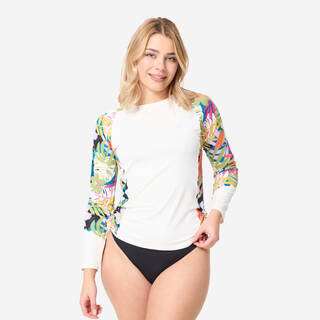
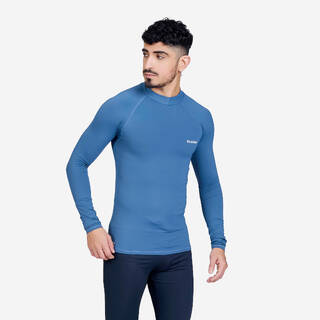
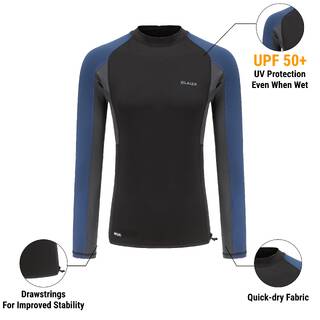
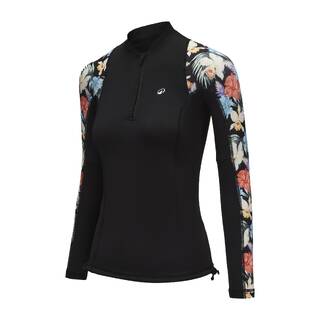
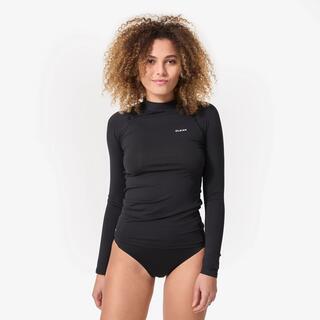
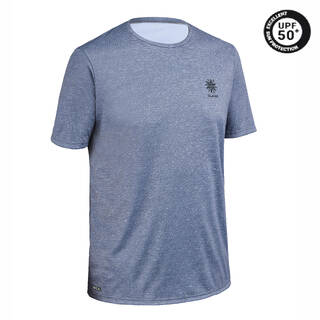
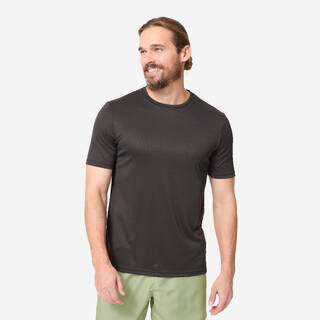
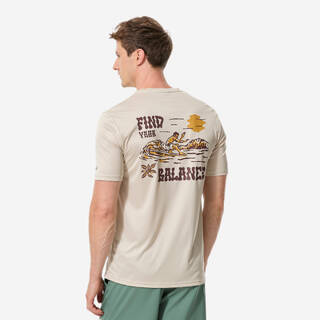

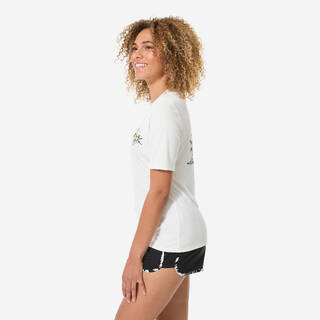
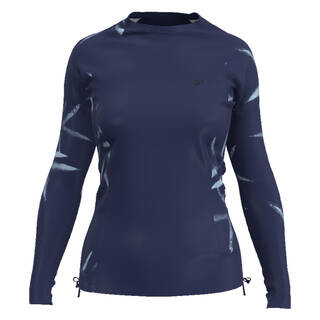

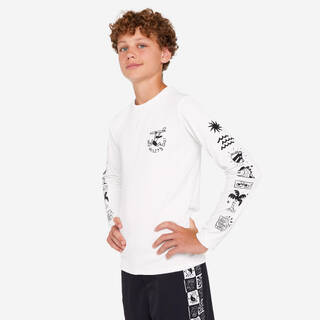
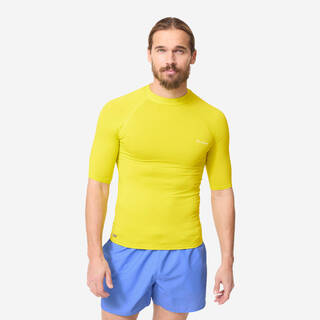
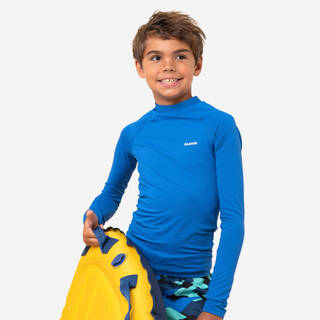
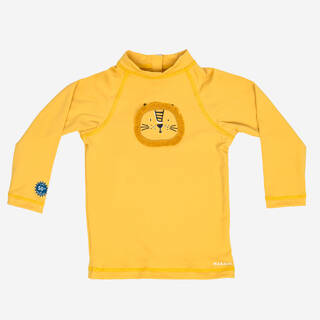
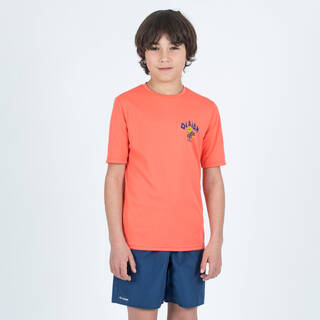
UPF 50+ UV Protection and Chlorine-Resistant Polyamide Blends for Indian Coastal and Pool Training
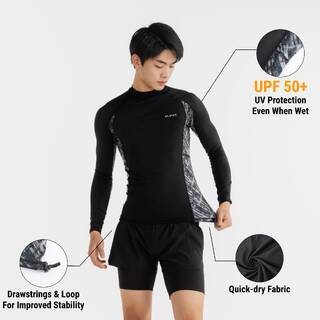
Rashguards engineered for Indian water sports environments must address three critical exposure factors: intense equatorial UV radiation at coastal beaches, chlorine saturation in municipal pools, and saltwater corrosion along Arabian Sea and Bay of Bengal shorelines. Decathlon rashguards utilize polyamide-elastane blends rated UPF 50+, blocking over 98% of UVA and UVB rays during extended surf sessions, paddleboarding, or open-water swimming. The polyamide base fabric resists chlorine degradation far better than traditional nylon or cotton blends, maintaining structural integrity through 100+ pool training cycles without fiber breakdown or color fading.
Fabric construction follows a circular knit pattern with elastane content ranging from 12% to 18%, delivering four-way stretch that moves with shoulder rotation during freestyle strokes and torso twisting in kayaking. Flatlock offset stitching eliminates pressure points across the chest and underarms, critical for reducing chafing during saltwater immersion where skin sensitivity increases. GSM weights vary by application: lightweight 150-165 GSM models for tropical snorkeling and warm-water surfing, mid-weight 180-200 GSM options for cooler monsoon season diving, and thermal 220-240 GSM versions for high-altitude lake swimming in Himachal Pradesh or Uttarakhand. Quick-dry properties ensure moisture evacuation within 20 to 30 minutes post-exit, preventing bacterial growth in humid coastal climates.
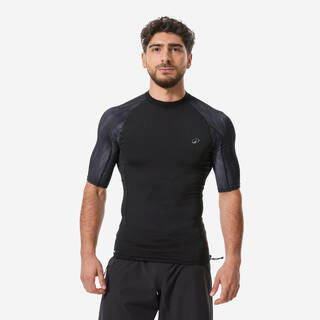
Nabaiji rashguards integrate anatomical panel cuts that follow the natural contours of the latissimus dorsi and obliques, reducing fabric bunching when wearing over wetsuits or buoyancy vests. Raglan sleeve construction shifts seam lines away from the shoulder joint, eliminating friction during repetitive paddling motions. For Indian surfers facing Goa and Kerala's monsoon swells, longer torso lengths with silicone gripper hems prevent ride-up during duck dives and wave wipeouts. Subea models designed for scuba diving feature reinforced elbow patches and higher necklines compatible with BCD harness systems, addressing abrasion points during tank mounting and regulator adjustments.
Thermal Regulation and Moisture Transport for Multi-Sport Water Activities Across Indian Seasons
Indian water sports span extreme thermal gradients: 32°C coastal surface temperatures in Tamil Nadu summer months, 18°C spring-fed rivers in Rishikesh, and sub-10°C high-altitude glacial lakes in Ladakh. Rashguard thermal management relies on fabric thickness and weave density to balance insulation against overheating. Lightweight models under 170 GSM prioritize breathability through open-mesh panels along the spine and underarms, creating convective airflow that dissipates metabolic heat during high-intensity activities like jet skiing or wakeboarding. Mid-weight 180-200 GSM options provide moderate insulation for early morning surf sessions or monsoon season kayaking when air temperatures drop to 22-24°C but water remains relatively warm.
Moisture wicking occurs through capillary action within the polyamide fiber structure, pulling sweat and water away from skin to the fabric's outer surface where evaporation accelerates. This mechanism prevents the clammy, cold sensation common with cotton rashguards that retain water weight and cling to skin. For Indian triathletes transitioning from open-water swim legs to cycling segments, quick-dry rashguards reduce transition time by shedding 80% of absorbed water within the first 10 minutes of air exposure. Hydrophobic treatments applied to outer fabric surfaces cause water to bead and roll off rather than saturating the weave, maintaining lighter garment weight during activity.
Thermal layering strategies for cooler water conditions involve pairing rashguards with 2mm to 3mm neoprene shorties or full wetsuits. The rashguard acts as a base layer that prevents neoprene from adhering directly to skin, simplifying wetsuit removal and reducing suction friction. This combination proves essential for Gokarna and Varkala winter surf sessions where water temperatures dip to 24-26°C but full wetsuits cause overheating during paddling. Compression-fit rashguards with 18% elastane content provide muscle stabilization for the core and shoulders, reducing vibration fatigue during long-distance paddleboarding or outrigger canoeing.
Fit Profiles and Sizing Engineering for Indian Body Proportions and Activity-Specific Compression
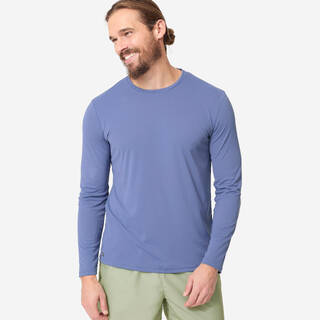
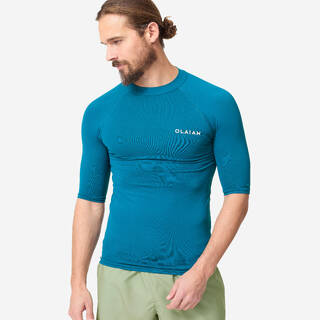
Rashguard fit categories address distinct biomechanical requirements across water sports disciplines. Loose-fit models with relaxed torso cuts and dropped shoulders suit recreational beach swimming and casual snorkeling, allowing unrestricted arm abduction and minimizing constriction during low-intensity movement. These designs typically feature 10-12% elastane and accommodate layering over swimwear or board shorts without binding. Regular-fit rashguards balance mobility with streamlined profiles, ideal for surfing, bodyboarding, and stand-up paddleboarding where excess fabric creates drag but compression isn't required for performance. Sleeve lengths extend to mid-bicep or full wrist coverage depending on UV exposure duration and water temperature.
Compression-fit rashguards with 15-18% elastane deliver graduated pressure across major muscle groups, supporting the pectorals, deltoids, and latissimus dorsi during explosive paddling bursts. This fit category reduces muscle oscillation that contributes to fatigue during marathon swim training or competitive surfing heats. Sizing for Indian athletes requires attention to torso length ratios: many standard international cuts run short in the body for taller frames common in North Indian demographics, causing the hem to ride above the waistband during overhead reaching. Decathlon sizing charts account for these proportions with extended torso options in Medium-Long and Large-Long variants, adding 4-6 cm of body length without increasing chest or shoulder dimensions.
Neck opening geometries vary from crew necks for maximum coverage to scoop necks that reduce restriction during head rotation in freestyle swimming. High-collar models with 8-10 cm neck rises provide additional sun protection for the back of the neck and upper traps, critical for all-day surf instructors and lifeguards exposed to reflected UV radiation off water surfaces. Armhole cuts follow either set-in sleeve construction for traditional fit or raglan patterns that eliminate shoulder seams entirely. Raglan designs prove superior for activities requiring extreme range of motion like kayak rolling or spearfishing, where shoulder seams can create pressure points during repetitive movements. Hem lengths extend to mid-hip on standard cuts or upper-thigh on extended models designed to tuck into wetsuit pants or board short waistbands.
Abrasion Resistance and Durability Engineering for Reef, Rock, and Surfboard Contact Zones
Indian coastal environments present severe abrasion challenges: sharp coral formations along Andaman and Lakshadweep reefs, barnacle-encrusted rocks at Goan surf breaks, and coarse sand with high silica content at Tamil Nadu beaches. Rashguard durability depends on fabric denier ratings and reinforcement placement at high-wear zones. Standard polyamide weaves range from 40D to 70D, with higher denier counts indicating thicker, more abrasion-resistant yarns. Premium Nabaiji models incorporate 70D polyamide in elbow patches, chest panels, and lower back sections where contact with surfboards, kayak decks, or rocky entry points occurs most frequently.
Flatlock stitching with six-thread construction creates seams that lie flat against skin rather than protruding like traditional overlock seams. This technique distributes stress across a wider seam area, preventing thread failure when fabric stretches during dynamic movements. Seam placement follows anatomical stress lines: side seams align with the natural curve of the ribcage rather than running straight vertically, reducing tension concentration when twisting or bending. Reinforced bar tacks at stress points like armhole intersections and hem corners prevent seam separation after repeated saltwater exposure and UV degradation. For Indian scuba divers navigating rocky shore entries at Netrani Island or Tarkarli, knee-length rashguards with double-layer fabric at the knees provide impact protection during crawling over intertidal zones.
Saltwater and chlorine exposure accelerates fabric breakdown through chemical attack on polymer chains and UV-catalyzed degradation. Post-activity rinsing in fresh water removes chlorine residue and salt crystals that act as abrasive particles within the weave. Air drying away from direct sunlight preserves elastane elasticity and prevents UV-induced fiber embrittlement. Proper care extends rashguard lifespan to 150-200 water sessions before noticeable loss of compression or UV protection effectiveness. For surf schools and water sports rental operations, commercial-grade rashguards with reinforced stitching and 80D polyamide construction withstand 300+ rental cycles with minimal degradation.
Nabaiji and Subea Sub-Brand Technologies for Surf, Swim, and Dive-Specific Performance
Nabaiji focuses on pool training, open-water swimming, and surf sports with rashguards optimized for hydrodynamic efficiency and stroke biomechanics. Chlorine-resistant Vita fabric technology extends pool training rashguard lifespan by 50% compared to standard polyamide blends, maintaining shape retention through 200+ chlorinated water exposures. Swim-specific cuts feature higher armholes and narrower shoulder widths that reduce drag during freestyle and butterfly strokes, critical for competitive swimmers logging 15-20 km weekly training volumes. Nabaiji surf rashguards integrate silicone chest logos and back prints that provide grip against waxed surfboard decks, preventing slippage during pop-ups and bottom turns on Kerala and Karnataka point breaks.
Subea specializes in scuba diving, snorkeling, and spearfishing applications where equipment compatibility and thermal protection take priority. Subea rashguards feature longer torso cuts that overlap wetsuit waistbands by 10-15 cm, eliminating gaps where cold water can flush through during descents. High necklines with reinforced collars accommodate BCD inflation hoses and regulator routing without fabric bunching or restriction. Elbow and forearm panels use textured polyamide that resists abrasion from rocky coral surfaces and provides grip when handling underwater camera housings or speargun shafts. For Indian technical divers exploring Andaman wrecks or Lakshadweep walls, Subea thermal rashguards with 220-240 GSM fleece-backed fabric serve as effective base layers under 3mm to 5mm wetsuits, adding 2-3°C of thermal insulation during 30-40 minute bottom times.
Both sub-brands incorporate anti-microbial treatments that inhibit bacterial growth in warm, humid storage conditions common to Indian coastal regions. Silver ion or zinc-based treatments embedded in fabric fibers prevent odor development between sessions, essential for multi-day surf trips or liveaboard dive expeditions where daily washing isn't feasible. Reflective logo placements on Subea models enhance surface visibility for dive boat pickups in choppy conditions or low-light dawn patrol surf sessions. Color-coding systems help instructors quickly identify student skill levels during group lessons: bright yellows and oranges for beginners requiring close supervision, darker blues and blacks for advanced practitioners blending into lineups.
Maintenance Protocols and Longevity Optimization for Tropical Coastal Storage Conditions
Indian coastal humidity levels averaging 75-85% during monsoon months create ideal conditions for mold growth and fabric degradation if rashguards aren't properly maintained. Immediate post-session rinsing in cool fresh water removes salt crystals, chlorine compounds, and organic matter that accelerate polymer breakdown. Avoid hot water above 40°C as elevated temperatures damage elastane fibers and reduce fabric recovery. Hand washing with pH-neutral detergents preserves UV-blocking treatments and color fastness better than machine washing, though front-loading machines on delicate cycles with mesh garment bags provide acceptable alternatives for frequent users.
Drying protocols significantly impact rashguard lifespan. Air drying in shaded, well-ventilated areas prevents UV-induced fiber embrittlement while allowing complete moisture evaporation. Avoid direct sunlight exposure during drying as UV radiation catalyzes polymer chain scission in both polyamide and elastane components. Never use tumble dryers or place rashguards near heat sources like radiators or car dashboards, as temperatures above 60°C cause irreversible elastane damage and fabric shrinkage. For Indian water sports enthusiasts storing gear in humid apartments or beach shacks, hanging rashguards on wide-shoulder hangers prevents stretch deformation at stress points and promotes airflow around all fabric surfaces.
Storage between seasons requires clean, completely dry rashguards folded loosely or hung in climate-controlled environments away from direct sunlight. Avoid compression storage in sealed plastic bags as trapped moisture encourages mildew formation. Periodic inspection for seam integrity, elastane degradation (indicated by permanent stretch or sagging), and UV protection loss (fabric becomes thin or translucent when held to light) helps identify when replacement becomes necessary. For commercial operations running daily surf lessons or dive trips, rotating rashguard inventory ensures no single garment exceeds 3-4 sessions weekly, distributing wear across multiple units and extending overall fleet lifespan to 18-24 months of intensive use.
FAQ (Frequently Asked Questions)
Q1. What GSM weight rashguard should I choose for Goa summer surfing versus monsoon season sessions?
Summer surfing in 28-30°C water requires lightweight 150-165 GSM rashguards that prioritize breathability and quick-dry properties, preventing overheating during long paddle-outs. Monsoon season sessions with 24-26°C water and cooler air temperatures benefit from mid-weight 180-200 GSM options that provide moderate thermal insulation without restricting mobility. Pair heavier rashguards with 2mm neoprene shorts if you feel cold during 90-minute sessions.
Q2. How does UPF 50+ protection in rashguards compare to regular sunscreen for all-day beach activities?
UPF 50+ rashguards block over 98% of UV radiation continuously without reapplication, while sunscreen requires reapplication every 80 minutes after water exposure and provides inconsistent coverage on moving, wet skin. Rashguards protect covered areas completely regardless of sweat or saltwater, making them superior for 4-6 hour surf sessions or full-day snorkeling trips. Apply sunscreen only to exposed areas like face, hands, and lower legs.
Q3. Will compression-fit rashguards restrict my shoulder mobility during paddling and swimming strokes?
Properly sized compression rashguards with 15-18% elastane and raglan sleeve construction actually support shoulder mechanics without restricting range of motion. The graduated compression reduces muscle oscillation and fatigue during repetitive paddling, while four-way stretch fabric moves with your body through full overhead reaching and rotation. If you experience restriction, size up one increment or choose regular-fit models with 12% elastane for less compressive pressure.
Q4. Can I wear Nabaiji rashguards for both pool training and open-water swimming in Indian lakes and rivers?
Yes, Nabaiji chlorine-resistant rashguards perform excellently in both environments. The Vita fabric technology withstands pool chlorine while the UPF 50+ protection proves essential for open-water swimming under direct sun exposure. For river swimming in Rishikesh or lake training in Nainital where water temperatures drop to 18-22°C, choose mid-weight 180-200 GSM models for added thermal protection compared to lightweight pool-specific options.
Q5. How do I determine correct rashguard sizing if I'm between sizes on the Decathlon chart?
For compression-fit models, choose the smaller size if measurements fall between two sizes, as the high elastane content will stretch to fit while maintaining supportive pressure. For regular-fit or loose-fit rashguards, size up to ensure comfortable range of motion and easy layering over swimwear. If you have a longer torso relative to chest width, look for Medium-Long or Large-Long variants that add 4-6 cm body length without increasing shoulder dimensions.
Q6. What's the difference between Nabaiji surf rashguards and Subea dive rashguards for Indian coastal conditions?
Nabaiji surf rashguards prioritize hydrodynamic efficiency with higher armholes, silicone grip panels for waxed boards, and lightweight 150-180 GSM fabrics for warm tropical waters. Subea dive rashguards feature longer torso cuts for wetsuit overlap, reinforced elbows for reef contact, higher necklines for BCD compatibility, and heavier 200-240 GSM thermal options for extended underwater exposure. Choose Nabaiji for surface water sports and Subea for scuba diving or deep snorkeling.
Q7. How many sessions can I expect from a rashguard before UV protection degrades in Indian sun exposure?
Quality polyamide rashguards with integrated UPF 50+ protection maintain effectiveness for 150-200 water sessions with proper care, equivalent to 2-3 seasons of regular weekend use. UV degradation becomes noticeable when fabric appears thin or translucent when held to light, or if elastane loses recovery and fabric sags permanently. Accelerate degradation occurs if you skip post-session rinsing, dry in direct sunlight, or store in compressed, humid conditions.
Q8. Do rashguards provide enough thermal protection for early morning winter surf sessions in South India?
Mid-weight 180-200 GSM rashguards provide adequate thermal protection for South Indian winter water temperatures of 26-28°C during 60-90 minute sessions, especially when paired with board shorts or bikini bottoms. For extended sessions exceeding two hours or if you feel cold easily, layer a rashguard under a 2mm neoprene spring suit. North Indian winter conditions with water below 24°C require full 3mm wetsuits with rashguards as base layers.
Q9. Can I use the same rashguard for surfing, swimming pool training, and scuba diving trips?
A regular-fit Nabaiji rashguard with 180-200 GSM weight and chlorine-resistant fabric serves all three activities adequately for recreational use. However, dedicated practitioners benefit from activity-specific models: lightweight pool rashguards for lap swimming, grip-panel surf rashguards for board sports, and longer Subea dive rashguards with reinforced elbows for scuba. If choosing one versatile option, prioritize mid-weight construction and raglan sleeves for maximum cross-activity functionality.
Q10. How should I care for rashguards in humid Mumbai or Chennai apartments to prevent mold growth?
Rinse immediately after each session in cool fresh water, then hand wash with pH-neutral detergent every 3-4 uses. Air dry in shaded, well-ventilated areas with fans or open windows to promote rapid moisture evaporation, never in enclosed bathrooms. Store completely dry rashguards on wide hangers in closets with moisture absorbers or silica gel packets. Avoid folding damp rashguards or storing in sealed bags, as trapped humidity in 80%+ ambient conditions encourages mildew within 24-48 hours.