Dumbbells, Kettlebells & Weights




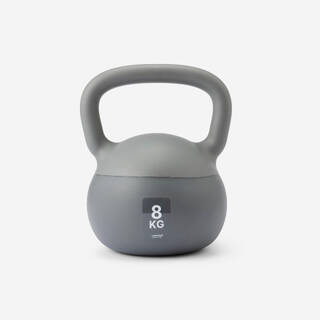
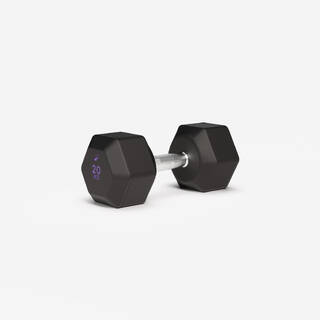


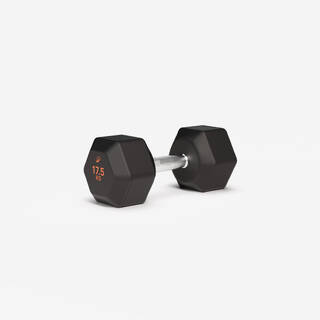

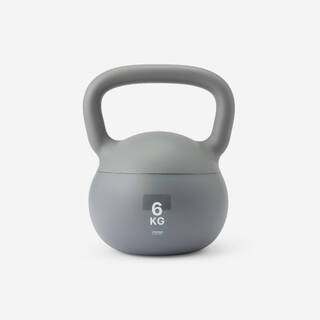

Cast Iron, Rubber-Coated, and Neoprene Dumbbells: Material Engineering for Indian Home Gyms
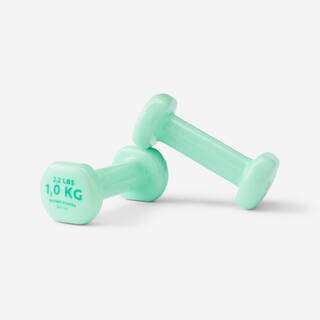
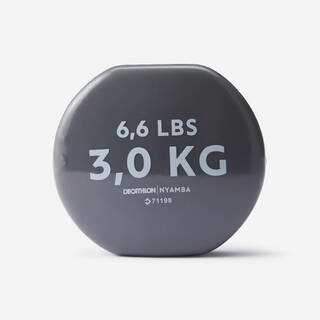
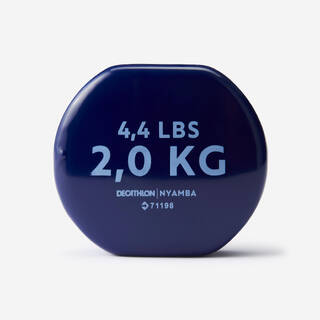
Dumbbell construction directly impacts floor protection, grip security, and long-term durability in high-humidity monsoon environments. Cast iron dumbbells offer maximum density per cubic centimeter, delivering compact footprints ideal for apartment workout spaces. However, uncoated cast iron oxidizes rapidly in coastal humidity zones (Mumbai, Chennai, Kochi), requiring regular oil maintenance. Rubber-coated variants feature vulcanized rubber sleeves (typically 3 to 5 mm thick) that absorb impact shock when dropped, protecting tile and laminate flooring common in Indian homes. Neoprene-coated dumbbells provide soft-touch grip surfaces that resist sweat saturation during high-rep metabolic circuits, though the coating durability depends on UV exposure if stored near windows.
Hexagonal head geometry prevents rolling on uneven floors, a critical safety feature in compact living room setups. Chrome-plated handles resist corrosion better than bare steel but require knurled grip patterns (diamond or straight-line machining) to maintain friction under palm sweat. Domyos dumbbells integrate ergonomic handle diameters (28 to 32 mm for standard sets, 35 mm for heavy singles above 20 kg) that distribute load across the palmar aponeurosis, reducing localized pressure hotspots during farmer's carries or overhead presses. For users training in non-air-conditioned spaces during April to June peak heat, textured rubber grips outperform smooth neoprene in maintaining hand-to-handle contact under profuse sweating.
Fixed Weight vs Adjustable Dumbbell Systems: Load Progression Mechanics and Space Efficiency
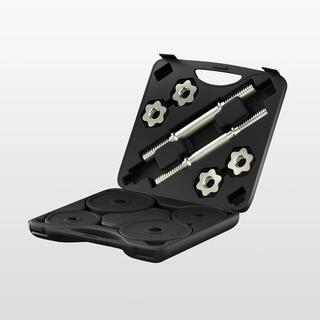
Fixed-weight dumbbell pairs require dedicated storage racks to manage progressive overload training, where hypertrophy protocols demand 2.5 to 5 kg incremental jumps across 8 to 12 rep ranges. A complete fixed set spanning 2 kg to 20 kg occupies approximately 1.2 to 1.5 meters of linear floor space, challenging for studio apartments under 600 square feet. Adjustable dumbbell systems consolidate multiple weight plates onto a single handle assembly, using spin-lock collars (threaded steel rings) or quick-release pin mechanisms. Spin-lock designs allow micro-loading in 1.25 kg increments by adding or removing standard 28 mm bore plates, but collar tightening requires 15 to 20 seconds per adjustment, disrupting superset tempo.
Quick-select dial systems (featured in premium Domyos adjustable sets) use rotating dials or lever switches to engage internal plate-locking pins, enabling weight changes in under 5 seconds. These mechanisms rely on precision-machined plastic or metal cradles that align plates within 0.5 mm tolerances to prevent rattling during dynamic movements like snatches or clean-and-presses. Maximum load capacities vary: entry-level spin-lock sets typically max out at 20 kg per dumbbell, while heavy-duty adjustable systems support up to 32 kg per hand. For strength athletes progressing beyond bodyweight ratios (e.g., dumbbell bench press exceeding 0.8 times body weight), fixed heavy dumbbells (25 kg, 30 kg singles) provide superior stability due to single-piece construction eliminating collar shift under eccentric loading.
Grip Diameter, Handle Length, and Load Distribution: Biomechanical Fit Across Training Modalities
Handle diameter directly influences grip endurance and forearm recruitment patterns. Standard 28 mm handles suit most male hand spans (18 to 20 cm from thumb to pinky stretch) and allow full finger wrap with thumb overlap, maximizing crush grip strength during heavy rows or shrugs. Female-specific or youth dumbbells often feature 25 mm diameter handles, reducing the circumference by 10 percent to accommodate smaller hand dimensions and prevent early grip fatigue in isolation exercises like lateral raises or bicep curls. Oversized 35 mm handles (found in heavy singles above 22 kg) increase the moment arm distance from the palm center, intensifying forearm flexor and extensor activation but limiting maximum load capacity for users with hand spans below 17 cm.
Handle length between weight heads determines clearance for neutral-grip positions during hammer curls or chest-supported rows. Compact handles (10 to 12 cm between plates) work well for isolation movements but restrict hand positioning options during alternating movements. Extended handles (14 to 16 cm) provide multiple grip zones, enabling offset grips for unilateral core stability drills. Weight head diameter affects range of motion in exercises like chest flies or pullovers: oversized 20 kg+ heads may contact the torso or floor prematurely, limiting stretch under load. Domyos designs balance head diameter (typically 18 to 22 cm for 10 to 15 kg dumbbells) with sufficient handle clearance to prevent premature range-of-motion restrictions during full eccentric phases.
Plate Composition and Collar Security: Preventing Load Shift During Ballistic and Plyometric Drills
Weight plate composition affects inertia distribution and vibration damping during explosive movements. Solid cast iron plates provide uniform density (approximately 7.2 grams per cubic centimeter) and minimal flex, critical for maintaining stable load paths during dumbbell snatches or jump squats where peak ground reaction forces exceed 3 times body weight. Cement-filled plastic plates reduce manufacturing costs but introduce density inconsistencies (5.5 to 6.0 grams per cubic centimeter) that shift the center of mass slightly outward from the handle axis, increasing rotational torque during single-arm swings or Turkish get-ups.
Spin-lock collar security depends on thread pitch (typically 1.5 mm per revolution) and collar width. Narrow collars (2 to 3 cm wide) require higher tightening torque to generate sufficient clamping force, risking cross-threading if misaligned during rushed set changes. Wide collars (4 to 5 cm) distribute clamping pressure across more plate surface area, reducing the risk of slippage during high-acceleration movements but adding 200 to 300 grams per collar to total system weight. Spring clip collars offer faster on-off cycles (under 3 seconds) but rely on spring tension that degrades after 500 to 800 compression cycles, particularly in humid storage conditions where steel springs oxidize. For safety during overhead work or plyometric dumbbell push-ups, threaded collars tightened to finger-tight plus quarter-turn provide more reliable load retention than friction-based clips.
Corrosion Resistance and Maintenance Protocols for Monsoon and Coastal Humidity Zones
Uncoated cast iron dumbbells oxidize within 48 to 72 hours when exposed to relative humidity above 70 percent, common across Kerala, Goa, and West Bengal during June to September monsoon months. Surface rust forms as ferrous oxide layers that flake onto hands during gripping, staining palms orange-brown and degrading handle texture. Preventive maintenance requires bi-weekly applications of 3-in-1 oil or silicone-based lubricants, wiping excess to avoid slippery grip surfaces. Rubber-coated and neoprene-wrapped dumbbells eliminate direct metal exposure but trap moisture between coating and core if seams split, accelerating hidden corrosion that weakens structural integrity over 18 to 24 months.
Chrome-plated handles resist oxidation through electroplated nickel-chromium layers (5 to 10 microns thick) but scratch easily when contacted by metal racks or other dumbbells, exposing underlying steel to moisture ingress. Powder-coated finishes (common on budget Domyos sets) provide thicker protective layers (50 to 100 microns) with superior chip resistance but may crack under repeated impact drops onto hard concrete floors. For long-term durability in non-climate-controlled home gyms, storing dumbbells on rubber mat surfaces (10 mm EVA foam or recycled tire rubber) and wiping down handles post-workout with dry microfiber cloths extends usable lifespan by 30 to 40 percent compared to direct floor storage in humid environments.
Selecting Dumbbell Weight Ranges for Progressive Overload Across Strength and Hypertrophy Phases
Beginner strength programs (first 8 to 12 weeks of resistance training) require lighter loads (2 to 8 kg per hand) to establish motor patterns and connective tissue conditioning before progressive overload. Compound movements like goblet squats or Romanian deadlifts use 8 to 12 kg dumbbells for sets of 10 to 15 reps, generating sufficient metabolic stress for hypertrophy adaptation without exceeding novice eccentric strength capacity. Isolation exercises (bicep curls, lateral raises, tricep extensions) demand lighter loads (3 to 6 kg) due to smaller muscle cross-sectional areas and longer moment arms increasing joint torque.
Intermediate hypertrophy phases (3 to 6 months training experience) progress to 10 to 20 kg dumbbells for upper body pressing and rowing movements, targeting 6 to 12 rep ranges at 70 to 80 percent of estimated one-rep max. Advanced strength athletes require heavy singles (22 to 32 kg per hand) for low-rep compound lifts (3 to 5 reps) that develop maximal force production and rate of force development. For home gym versatility, a foundational set includes pairs at 5 kg, 7.5 kg, 10 kg, 12.5 kg, and 15 kg, covering 80 percent of exercise variations across push, pull, and lower body movement patterns. Adjustable systems provide cost efficiency for users needing 6 or more weight increments, while fixed pairs offer faster transitions for circuit training or EMOM (every minute on the minute) protocols requiring sub-10-second equipment changes.
FAQ (Frequently Asked Questions)
Q1. What dumbbell weight should beginners start with for home workouts in India?
Beginners should start with 3 to 5 kg dumbbells for isolation exercises (bicep curls, shoulder raises) and 8 to 10 kg for compound movements (goblet squats, chest presses). This range allows proper form development across 10 to 15 rep sets without exceeding connective tissue adaptation capacity during the first 8 to 12 weeks of training. Adjustable dumbbell sets offer cost efficiency for progression without purchasing multiple fixed pairs.
Q2. Do rubber-coated dumbbells protect tile and marble floors in Indian apartments?
Yes, rubber-coated dumbbells with 3 to 5 mm vulcanized rubber sleeves absorb impact shock and prevent floor damage when placed down (not dropped from height). For added protection on tile or marble, use 10 mm thick EVA foam mats or interlocking rubber tiles under your workout zone. Hexagonal head shapes prevent rolling and reduce accidental contact with walls or furniture in compact spaces.
Q3. How do I prevent rust on cast iron dumbbells during monsoon season?
Apply a thin layer of 3-in-1 oil or silicone lubricant to uncoated cast iron handles every 10 to 14 days during monsoon months when humidity exceeds 70 percent. Wipe excess oil to maintain grip friction. Store dumbbells on rubber mats rather than direct floor contact, and use a dry microfiber cloth to remove sweat immediately after each workout. Rubber-coated or chrome-plated dumbbells eliminate rust concerns but cost 20 to 30 percent more.
Q4. Are adjustable dumbbells as durable as fixed-weight dumbbells for heavy lifting?
Fixed-weight dumbbells offer superior durability for loads above 20 kg due to single-piece construction eliminating collar shift or plate rattling. Adjustable systems with spin-lock collars work reliably up to 20 kg per hand if collars are tightened to finger-tight plus quarter-turn. Quick-select dial mechanisms handle up to 32 kg but require careful handling to avoid dropping, which can misalign internal locking pins over time.
Q5. What is the difference between hexagonal and round dumbbell heads?
Hexagonal heads prevent rolling on flat surfaces, critical for safety in home gyms with uneven floors or during floor exercises like renegade rows. Round heads allow dumbbells to roll, useful for dynamic exercises like dumbbell roll-outs but requiring rack storage to prevent movement. Hexagonal designs are standard in Domyos home gym sets due to superior stability in compact apartment workout spaces.
Q6. Can I use the same dumbbells for both strength training and cardio circuits?
Yes, lighter dumbbells (3 to 8 kg) work well for metabolic conditioning circuits combining strength and cardio (dumbbell thrusters, snatches, farmer's carries). Neoprene-coated grips resist sweat saturation better than bare metal during high-rep cardio intervals. For pure strength work (heavy presses, rows), use heavier fixed pairs (12 to 20 kg) with knurled chrome handles that maintain grip security under maximum load.
Q7. How much space do I need to store a complete dumbbell set at home?
A fixed dumbbell set from 2 kg to 20 kg (typically 8 to 10 pairs) requires a dedicated rack occupying 1.2 to 1.5 meters of linear floor space and 40 to 50 cm depth. Adjustable dumbbell systems consolidate this into a single cradle (50 to 60 cm wide, 30 cm deep), saving over 70 percent of floor area. Vertical storage racks reduce footprint further but require wall mounting or stable free-standing frames.
Q8. What handle diameter is best for women and smaller hand sizes?
Women and users with hand spans under 18 cm should choose dumbbells with 25 to 28 mm diameter handles, allowing full finger wrap with thumb overlap for secure crush grip. Standard 28 mm handles suit most users, while oversized 35 mm handles (found on heavy singles above 22 kg) increase forearm activation but may cause early grip fatigue during high-rep sets for smaller hands.
Q9. Do Domyos dumbbells come with warranty coverage for home gym use?
Domyos dumbbells typically include 2 to 5 year warranty coverage depending on the product line, protecting against manufacturing defects like weld failures, coating separation, or collar thread stripping under normal home use. Warranty does not cover cosmetic damage from drops, rust from improper storage, or wear from outdoor use. Check specific product warranty terms on the Decathlon India website or product packaging.
Q10. How do I choose between spin-lock and quick-select adjustable dumbbells?
Spin-lock systems cost less and support micro-loading in 1.25 kg increments but require 15 to 20 seconds per weight change, disrupting superset flow. Quick-select dial systems enable sub-5-second adjustments via rotating dials or levers, ideal for circuit training or drop sets, but max out around 32 kg per hand and cost 40 to 50 percent more. Choose spin-lock for budget-focused strength programs, quick-select for time-efficient metabolic conditioning.